
 English
  Español
  Português
  Deutsch
  Français
  Italiano
  Polski
  Română
  Українська
  Русский
  Türkçe
  العربية
  فارسی
فارسی  日本語
日本語  한국어
한국어  ไทย
ไทย  汉语
汉语  Tiếng Việt
  Filipino
  हिन्दी
  Bahasa
 Spirited Away Test
Which Spirited Away character do you most resemble?
Step into the spirit bathhouse, a magical realm where identity, labor, and appetite collide. You might be a resilient worker finding your courage, a lost soul seeking your true name, or a demanding boss ruling with an iron fist.
Take this quiz to discover which Spirited Away character you truly are.
Question 1 of 35
I thrive when someone sets firm, healthy boundaries with me, even if I resist them at first.
| Disagree | Agree |
BACK NEXT
The IDRLabs Spirited Away Test is inspired by psychometric methodology and based on research into the characters of the animated series. The test provides feedback such as the following:
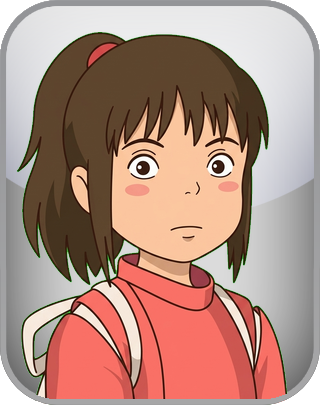
Chihiro
Chihiro Ogino is a cautious, empathetic heroine whose journey from a timid child to a courageous worker transforms the world around her. Initially overwhelmed by her strange new reality, she gradually uncovers a deep well of resilience. Her unwavering refusal to be swayed by flashy rewards sets her apart as a grounded moral compass. Yet beneath her quiet perseverance lies a profound fear of losing her identity to a demanding, transactional system. Her story highlights the tension between adapting to harsh environments and holding fast to one's true self. Chihiro embodies the quiet power of non-transactional kindness, reminding us that true bravery often begins with a single, trembling step.
Haku
Nigihayami Kohakunushi is an enigmatic, protective river spirit whose life is split between serving a harsh authority and secretly guarding the innocent. Known for his calm competence in a crisis, he navigates dangerous rules with graceful precision. His quiet authority makes him a formidable presence in a chaotic world. Beneath this disciplined, professional persona lies a deeply unmoored soul—a boy who has sacrificed his own memories and name to survive within an exploitative institution. His journey highlights the universal struggle of reclaiming one's history after giving too much to a demanding system. Haku captures the profound ache of rootlessness, proving that remembering where we came from is the ultimate key to our liberation.
No-Face
Kaonashi is a lonely, highly suggestible spirit whose desperate search for connection leads him to mirror the behaviors of everyone around him. Acting as a social chameleon, he absorbs the greed of his environment, attempting to buy affection with lavish gifts and endless gold. His monstrous appetite masks a fragile identity that shifts with every interaction. Despite his terrifying outbursts, his core is simply a profound, aching emptiness—a quiet outsider who panics when transactional relationships fail to provide genuine warmth. His story highlights the tension between consuming to fill an inner void and finding peace through healthy boundaries. No-Face embodies the danger of defining oneself through external validation, reminding us that true belonging cannot be bought.
Yubaba
Yubaba is a fiercely ambitious, rule-bound matriarch who runs her bathhouse empire with an iron fist and a sharp eye for profit. Commanding and micromanaging, she thrives on strict contracts and absolute control over her environment. Her unyielding adherence to her own rules earns her begrudging respect. Yet beneath her ruthless exterior beats the heart of an overprotective mother—a woman terrified of the chaotic world harming the few she genuinely cherishes. Her narrative highlights the complex tension between wielding power to maintain order and using control as a shield against vulnerability. Yubaba reflects the seductive trap of equating authority with security, proving that domineering figures harbor deep-seated fears of losing what they love.
Zeniba
Zeniba is a grounded, no-nonsense witch whose quiet domestic life stands in stark contrast to the flashy world of her twin sister. Preferring a modest existence focused on simple crafts, she values sincere effort over any magical shortcut. Her tough-love approach gives others the space to make mistakes and learn self-reliance. Though she possesses formidable power and a strict sense of justice, she actively chooses forgiveness and reciprocal kindness over punitive control. Her story highlights the tension between the allure of material success and the profound peace found in an authentic life. Zeniba embodies the healing power of accountability, reminding us that transformative magic is often found in simple, everyday acts of care.
Lin
Lin is a street-wise, pragmatic bathhouse worker whose sarcastic exterior helps her survive the grueling demands of an exploitative system. Navigating workplace politics with a sharp tongue, she constantly dreams of escaping for a better life. Her loud complaints about extra work never stop her from fiercely protecting her friends. Beneath her brash, cynical armor lies a deeply loyal young woman who fears being trapped forever in a dead-end hierarchy. Her narrative highlights the tension between compromising to survive in an unfair world and holding onto the hope of a brighter future. Lin captures the resilient spirit of everyday solidarity, proving that hardened cynics can harbor profound compassion and a desire for freedom.
Kamaji
Kamaji is a stoic, multi-armed boiler man whose indispensable labor keeps the bathhouse running from behind the scenes. Taking quiet pride in his endurance, he rarely leaves his post or complains about his overwhelming workload. His gruff demeanor initially pushes others away, yet he orchestrates his domain with expert precision and a deep sense of duty. Despite his status as a slave to the boilers, he hides a soft, grandfatherly core—willing to sacrifice his own long-held tickets to freedom to help a younger generation succeed. His story highlights the tension between being consumed by work and finding meaning in quiet selflessness. Kamaji embodies the unsung heroism of the overworked veteran, reminding us that true generosity often flourishes in overlooked places.
Why Use This Test?
1. Free. The Spirited Away Test is provided free of charge and allows you to obtain your scores related to the characters in the series.
2. Statistical controls. Test scores are logged into an anonymized database. Statistical analysis ensures maximum accuracy and validity of the test scores.
3. Made by professionals. The test has been crafted with input from experts in psychology and individual differences research.