Aesthetype Test
Your aesthetic taste is more than a collection of likes and dislikes. It reflects what catches your attention, what feels harmonious or compelling, how much you value tradition or novelty, and whether you respond more strongly to craftsmanship, atmosphere, realism, abstraction, or visual disruption.
This test examines those preferences across different kinds of art, architecture, design, and visual environments. There are no universally correct answers. The aim is to identify the principles that consistently shape what looks beautiful, interesting, compelling, or unappealing to you.
To take the test, rate the aesthetics of each of the items below.
Question 1 of 35
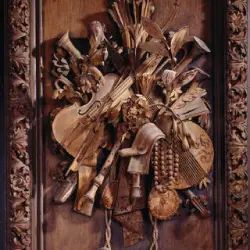
| Ugly | Beautiful |
BACK NEXT
People disagree about beauty constantly, yet those disagreements are rarely random. Some people are drawn to symmetry, continuity, and traditional forms. Others prefer reduction, contrast, abstraction, or visual experimentation. Some respond most strongly to atmosphere and emotion, while others notice craftsmanship, realism, material quality, or conceptual originality.
The Aesthetype Test is designed to map these recurring patterns of aesthetic preference.
Rather than relying primarily on questions about what you believe art or architecture should be, the test focuses on direct responses to visual material. You are shown a range of artworks, buildings, details, environments, and design approaches and asked for your immediate aesthetic reaction. This helps separate abstract opinions about taste from the more basic question of what actually appeals to you when you encounter it.
The test draws on several broad tensions that have shaped debates about aesthetics for centuries. These include tradition versus innovation, harmony versus contrast, craftsmanship versus conceptual emphasis, representation versus abstraction, ornament versus reduction, and emotional immediacy versus intellectual interpretation. None of these dimensions operates in isolation. A person may, for example, prefer traditional architecture while enjoying highly experimental painting, or appreciate minimalism while still responding strongly to craftsmanship and natural materials.
For that reason, the test does not reduce aesthetic preference to a single conservative-versus-modern scale.
Instead, your responses are compared across seven broad Aesthetypes: Classical Harmonist, Romantic, Realist, Artisan, Polished Modernist, Conceptualist, and Avant-Garde Individualist. Each represents a different cluster of visual preferences rather than a rigid artistic doctrine. Most people will resemble several types to some degree, with one or two emerging more strongly.
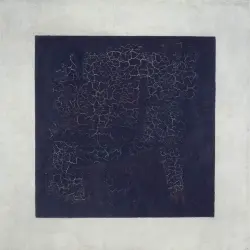
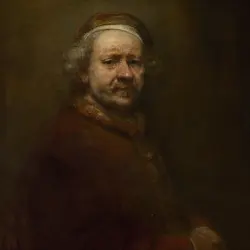
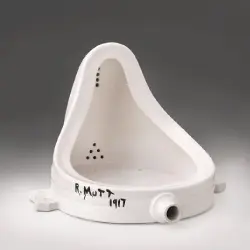
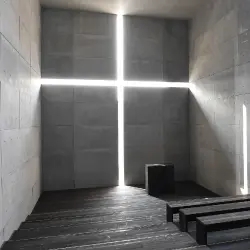
The images are intentionally varied. Some are immediately attractive, while others are austere, unusual, highly polished, emotionally charged, technically elaborate, deliberately simple, or difficult to classify. Paintings may range from highly representational work to abstraction and conceptual art. Architecture and design may range from historic and ornamented forms to contemporary minimalism and conspicuous interventions in older settings.
This variety matters because aesthetic taste is easiest to identify when different principles come into conflict. Almost everyone appreciates at least some conventionally beautiful things. The more revealing differences appear when beauty competes with novelty, craftsmanship with simplicity, harmony with individuality, emotional warmth with restraint, or visual pleasure with intellectual interest.
There is therefore little benefit in trying to determine what a particular image is "supposed" to represent. Respond to what is actually in front of you. A famous artist does not require a favorable judgment, and an unfamiliar work does not require skepticism.
Aesthetic preference is also not the same thing as artistic expertise. Someone can know very little about art history while having highly consistent visual preferences, just as considerable knowledge does not guarantee that somebody will enjoy a particular style.
The purpose of the Aesthetype Test is simply to make that underlying pattern visible: what repeatedly attracts your eye, what leaves you indifferent, what you resist, and what those reactions collectively reveal about the kind of beauty you seek.

Why Use This Test?
Aesthetic taste is surprisingly difficult to describe from the inside. We often know immediately that we love or dislike something without knowing exactly why. The Aesthetype Test turns those reactions into a clearer pattern. By comparing your responses across art, architecture, design, and visual environments, it identifies the aesthetic principles you return to consistently. The result is not a judgment of artistic knowledge. It is a portrait of what your eye values: harmony, atmosphere, realism, craftsmanship, refinement, abstraction, individuality, or some combination of them.