
Europe Quiz
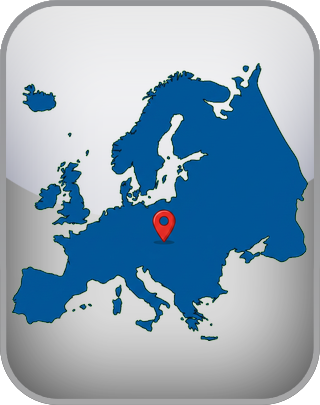
How well do you know the map of Europe?
Europe is a continent of incredible diversity, packing dozens of distinct cultures, languages, and histories into a relatively small geographic area. From the stunning fjords of the Nordic countries to the sun-drenched coasts of the Mediterranean, every nation offers its own unique story. Whether you are a seasoned traveler, a geography buff, or just someone who loves learning about the world, exploring the map of Europe is a fascinating journey. It is a place where ancient empires have left their mark on modern borders and where centuries-old cities stand alongside cutting-edge innovation.
Test your geographic expertise by answering the questions below.
Question 1 of 20
Which of these countries does NOT share a land border with Germany?
BACK NEXT
The psiandme Countries of Europe quiz was created by psiandme.
Europe is the second-smallest continent in the world by surface area, yet it is home to roughly fifty independent sovereign states. This dense concentration of countries means that borders frequently shift and cultural exchanges are a daily reality. The continent is bordered by the Arctic Ocean to the north, the Atlantic Ocean to the west, and the Mediterranean Sea to the south, creating a wide variety of climates and landscapes. The eastern boundary is traditionally defined by the Ural Mountains in Russia, making Europe a massive peninsula extending from the Eurasian landmass. Navigating this complex geography requires a solid understanding of both physical features and political boundaries. From the volcanic islands of Iceland to the sun-baked archipelagos of Greece, the sheer variety of environments is staggering.
One of the most exciting aspects of European geography is its iconic capital cities, many of which have served as centers of global influence for centuries. Cities like Paris, London, Rome, and Berlin are not just political hubs but also cultural and historical landmarks. Knowing that Brussels is the de facto capital of the European Union or that Vienna sits majestically on the Danube River provides insight into the political and economic engines of the continent. Smaller capitals, such as Ljubljana in Slovenia or Tallinn in Estonia, offer equally rich histories and are becoming increasingly prominent on the global stage. Memorizing these capitals is a fundamental step in mastering European geography. Furthermore, the architecture and urban planning of these capitals often reflect the eras in which their respective empires peaked, offering a visual history lesson to anyone who visits or studies them.
Physical geography plays a massive role in how European countries developed and interact. The Danube River, for instance, is a vital waterway that flows through ten different countries, acting as both a natural border and a historic trade route. The Rhine, the Volga, and the Thames similarly shaped the fortunes of the nations they traverse. Mountain ranges like the Alps, the Pyrenees, and the Carpathians have historically acted as formidable natural barriers, defining national borders and preserving distinct regional cultures. The Alps stretch across eight Alpine countries, deeply influencing the climate, economy, and lifestyle of nations like Switzerland, Austria, and Italy. These geographical features not only dictate where cities could be built but also where agricultural lands could flourish, ultimately shaping the culinary and economic traditions of the people living there.
The linguistic diversity of Europe is staggering, with over two hundred indigenous languages spoken across the continent. These languages are primarily divided into three broad Indo-European branches: Romance, Germanic, and Slavic. Understanding which languages are spoken where can give you major clues about a country's historical alliances and migrations. For example, the widespread use of French, Italian, and Spanish highlights the lasting legacy of the Roman Empire, while the Slavic languages dominate Eastern Europe. There are also fascinating linguistic isolates and distinct branches, such as the Finno-Ugric languages spoken in Finland, Estonia, and Hungary, which stand apart from their geographic neighbors. Learning about these linguistic patterns helps explain why certain countries share deep cultural affinities and why others have maintained fiercely independent national identities despite centuries of external pressures.
Europe is also famous for its fascinating microstates, which are fully independent nations with incredibly small land areas and populations. Vatican City, nestled entirely within Rome, is the smallest internationally recognized independent state in the world by both area and population. Monaco, located on the French Riviera, is renowned for its wealth and high population density. Other microstates like San Marino, Liechtenstein, and Andorra have survived centuries of European conflicts by leveraging their mountainous terrains or strategic diplomatic alliances. These tiny nations add a layer of complexity and trivia to the European map that delights geography enthusiasts. Their continued existence is a testament to the intricate and often surprising nature of European political history, where treaties and royal decrees from the Middle Ages still hold weight today.
Modern European borders have been heavily influenced by the formation and expansion of the European Union. Originally established to foster economic cooperation and prevent future conflicts after World War II, the EU has grown into a unique political and economic partnership involving twenty-seven member countries. The Schengen Area further complicates the traditional concept of borders by allowing passport-free movement across most of the continent. Understanding the distinction between the continent of Europe, the European Union, and the Eurozone is crucial for anyone studying the region. For instance, countries like Norway and Switzerland are geographically and culturally European but have opted to remain outside the EU, while maintaining close economic ties. Additionally, the adoption of the Euro as a common currency by many, but not all, member states adds another fascinating dimension to the economic geography of this ever-evolving and dynamic continent.
For more information about our online tests and quizzes, consult our Terms of Service.
Why Use This Quiz?
1. Improve Your Geographic Literacy. Taking this quiz is a fantastic way to sharpen your knowledge of the world map. You will learn to identify countries, capitals, and key physical features that frequently appear in global news and history. It is an engaging method to test your memory and discover fascinating facts about European nations you might not be familiar with.
2. Prepare for Travel or Study. If you are planning a trip to Europe or studying international relations, this quiz offers a fun and practical knowledge check. Understanding the layout of the continent, the languages spoken, and the historical borders can greatly enhance your travel experience or academic pursuits. Plus, the interactive format makes retaining this complex information much easier than simply staring at a map.