
Tarot Reader
Welcome to the Tarot Reader, a reflective experience where intuition meets interpretation. Draw cards one at a time in the standard reading style and explore a more accessible way to engage with traditional tarot. Consider each card carefully, uncover layered meanings, and build insight across past, present, and future as you move through a guided reading.
Question 1 of 1
BACK FINISH
The Tarot Reader uses a traditional 78-card tarot deck and focuses on constructing meaning across three core positions: past, present, and future. Each reading is designed to help you reflect on patterns, decisions, and emotional insight through symbolic interpretation.
At the start of a reading, cards are drawn into a spread. Only the first layer is immediately visible, while deeper meaning unfolds as more cards are revealed. The remaining deck serves as the pool of unseen guidance, drawn from as you continue your reading.
In the standard (Draw 1) style reading, cards are revealed one at a time. This allows you to interpret each symbol before moving on, making the experience more approachable and reflective compared to more complex multi-card spreads.
The deck can typically be cycled through in different readings or spreads. Once you reach the end of a reading sequence, you may reshuffle and begin again, allowing for fresh interpretations. Many digital tarot experiences allow unlimited readings, while some follow structured limits depending on the format.
How Standard Tarot Readings Change the Experience
The biggest advantage of Draw 1 tarot readings is clarity and focus. Because cards are revealed individually, you have more space to reflect on each meaning before continuing.
This creates several important interpretive effects:
- Clearer insight flow: Each card can be understood before the next influences interpretation.
- Reduced cognitive overload: You focus on one symbol at a time instead of an entire spread at once.
- More intuitive decision-making: Interpretations feel more personal and immediate.
- Deeper reflection potential: Slower pacing encourages thoughtful consideration of meaning.
Tarot Reading Tips
Meaningful tarot interpretation often depends on patience, openness, and reflection:
- Focus on the symbolism of each card rather than rushing to conclusions.
- Consider how each card connects to your current situation.
- Avoid forcing interpretations—let meaning emerge naturally.
- Reflect on how earlier cards influence later insights in the reading.
Difficulty and Appeal
Standard tarot readings are considered beginner-friendly and accessible. They offer a balance of symbolism, intuition, and self-reflection without requiring deep prior knowledge of tarot systems.
Many people prefer this style because it provides a gentle introduction while still allowing for meaningful depth and personal insight.
In short, Tarot Reading is about uncovering symbolic guidance, interpreting layered meaning, and reflecting on personal direction through structured yet intuitive card draws. It remains one of the most widely practiced tools for reflection and self-exploration.
Tarot reading (often simply called “tarot”) is a traditional system of symbolic cards used for insight and reflection. It has grown in popularity through both personal practice and digital interpretations, introducing many people to symbolic reading as a form of self-guided exploration.
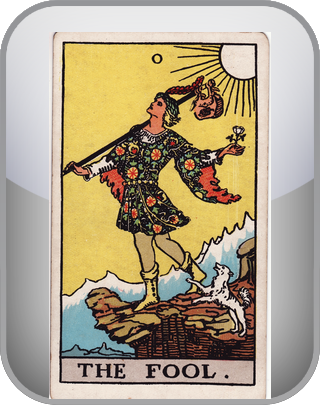
The system is based on a 78-card deck divided into Major and Minor Arcana. Each card carries symbolic meaning, often representing archetypes, situations, or emotional states. At the start of a reading, cards are drawn into a spread that helps structure interpretation.
A common spread includes positions such as past, present, and future. Each position gives context to the card drawn, helping shape a narrative or reflective arc. This structure creates the core experience of tarot: connecting symbols into meaningful insight.
The remaining deck represents potential interpretations yet to be revealed. Drawing cards one at a time allows for gradual discovery, making the reading more interactive and contemplative. Each draw builds on the last, shaping a broader understanding of the situation being explored.
Movement through a tarot reading is guided by interpretation rather than rules. Cards may be read upright or reversed, each offering different perspectives. The meaning is shaped not only by the card itself, but also by its relationship to surrounding cards and the question being asked.
A key part of tarot reading is working with ambiguity. Since meanings are symbolic rather than fixed, each reading depends on context, intuition, and personal reflection. This makes every session unique, even when using the same cards.
While tarot can appear simple, it combines symbolism, psychology, and narrative thinking. Its value often comes from the process of reflection rather than prediction. This balance of structure and intuition is why tarot remains widely practiced as a tool for insight and self-exploration.
Frequently Asked Questions
What does the Tarot Reader help you reflect on?
It guides reflection on patterns, decisions, and emotional insight across past, present, and future positions using symbolic card interpretations.
What does an upright or reversed card mean in the results?
Upright cards highlight straightforward aspects of the theme while reversed cards point to internal or blocked expressions of the same symbols.
How does the single-card draw style shape the reading?
Cards appear one at a time from a traditional 78-card deck so each symbol can be considered before the next one appears.
How should limits of a reading be understood?
Each sequence draws from the remaining unseen cards until the spread ends, after which reshuffling allows a fresh set of interpretations.
When might someone turn to this tarot experience?
It serves as a free tool for personal reflection when exploring symbolic perspectives on current questions or life patterns.
Why Use This Test?
1. Free reflection tool. Tarot reading can be practiced online at no cost, offering an accessible way to explore symbolic insight.
2. Simple structure. Standard draw formats make it easy to follow while still offering depth.
3. Timeless tradition. Built on centuries of symbolic interpretation, tarot remains a widely used reflective practice.