
Adlerian Motivation Test
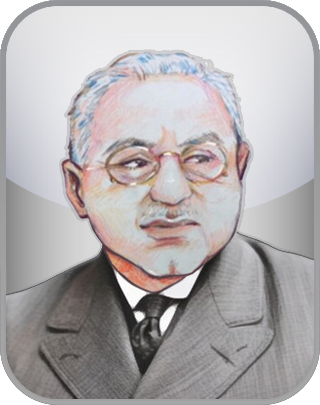
Renowned medical doctor and psychotherapist Alfred Adler is usually credited with discovering the inferiority complex. Adler believed that our motivations in the ways we relate to both others and ourselves are organized to compensate for feelings of inferiority and to unlock a feeling of social adequacy.
What would Adler’s theory say about your motivations? To take the test, enter your input below.
Question 1 of 20
I am reluctant to take the lead.
| Disagree | Agree |
BACK NEXT
The IDRLabs Adlerian Motivation Test is inspired by lifestyle theory developed by renowned psychoanalyst Alfred Adler.
Alfred Adler, a pioneer in the field of psychology, was particularly interested in understanding the unique motivations of individuals and the factors that contribute to their distinct lifestyles.
Active Constructors are individuals who actively engage with their environment in positive ways. They take the lead in promoting personal growth and community improvement. This lifestyle balances personal achievement with a commitment to the well-being of others. They're seen as leaders who drive progress not just for themselves but for society as a whole. They find creative solutions to challenges and consistently work to better conditions for everyone. Known for their ability to inspire, they encourage others to aim higher. They're often visionaries, pushing the limits of what's possible through teamwork and a strong belief in human potential.
Active Disruptors are individuals who take initiative but often use their energy in harmful ways. They're assertive, but their intentions can be negative or even malicious. This group represents a force that disrupts social harmony, often through hostile or antagonistic actions. They may seek recognition and power at the expense of others, causing conflicts and disruptions in community life. Their interactions are marked by a desire to dominate or undermine rather than support. Despite being active, their actions are usually self-serving and can lead to conflicts and damaged relationships. They may exhibit traits like ruthlessness, a love for conflict, and a lack of concern for how their actions affect others.
Passive Constructors are individuals who, while not explicitly taking the lead, nevertheless positively contribute when they engage. They're cooperative and supportive once involved, making a significant impact through their responsiveness and desire to succeed. They appreciate validation and recognition for their efforts and typically have a friendly and approachable demeanor. Often, they're the ones keeping groups together, providing essential support for others to function well. Though not initiators of change, their role is vital for achieving group objectives. Passive constructors usually have deep empathy, patience, and the ability to bring calm during stressful times, acting as stabilizing forces in their social circles.
Passive Disruptors are people who lack initiative and tend to hinder themselves and others. They're critical and obstructive, preferring blame and opposition over constructive action. This behavior reflects a passive approach combined with a harmful or defeatist attitude. They often resort to passive-aggressive behaviors, self-sabotage, and maintain a cynical outlook on life. Their reluctance to actively engage in finding solutions leads to disengagement from their community. When they do interact, it's often in a dismissive or discouraging manner. On the inside, they struggle with feelings of inadequacy and helplessness, resisting personal growth and impeding others' progress.
The IDRLabs Adlerian Lifestyle Test is inspired by the insights of psychoanalyst Alfred Adler. While the IDRLabs Adlerian Lifestyle Test is based on psychological theories, it cannot be used to provide clinical assessments or an accurate evaluation of your personality. Clinical assessments should always be done in cooperation with a mental health professional. For more information about any of our online tests and quizzes, please consult our Terms of Service.
References
- Ansbacher, Heinz L., and Rowena R. Ansbacher, eds. (1956). "The Individual Psychology of Alfred Adler: A Systematic Presentation in Selections from His Writings." Harper Perennial.
- Stein, Henry T. (1998). "Classical Adlerian Depth Psychology." Alfred Adler Institute of Northwestern Washington.
Frequently Asked Questions
What does the Adlerian Motivation Test measure?
It measures motivations based on Alfred Adler's lifestyle theory that center on compensating for feelings of inferiority and achieving a sense of social adequacy.
What does the test say about Passive Disruptors?
Passive Disruptors lack initiative and tend to hinder themselves and others through criticism, passive-aggressive behaviors, and a cynical outlook.
How does the test describe Active Constructors?
They actively engage with their environment, promote personal growth and community improvement, and are seen as leaders who drive progress for both themselves and society.
How does the test describe Active Disruptors?
They take initiative but use their energy in harmful or self-serving ways, often causing conflicts and disrupting social harmony to gain power or recognition.
What does the test say about Passive Constructors?
They contribute positively when engaged, are cooperative and supportive, appreciate recognition for their efforts, and tend to have a friendly, approachable demeanor.
Why Use This Test?
1. Free. This test is provided to you free of charge and allows you to obtain your scores related to lifestyle dynamics and profile.
2. Statistical controls. Test scores are logged into an anonymized database. Statistical analysis of the test is conducted to ensure maximum accuracy and validity of the test scores.
3. Made by professionals. The present test has been made with the input of people who work professionally in psychology and individual differences research.