English
  Español
  Português
  Deutsch
  Français
  Italiano
  Polski
  Română
  Українська
  Русский
  Türkçe
  العربية
  فارسی
فارسی  日本語
日本語  한국어
한국어  ไทย
ไทย  汉语
汉语  Tiếng Việt
  Filipino
  हिन्दी
  Bahasa
Academically reviewed by Dr. Jennifer Schulz, Ph.D., associate professor of psychology.
Apex IQ Test
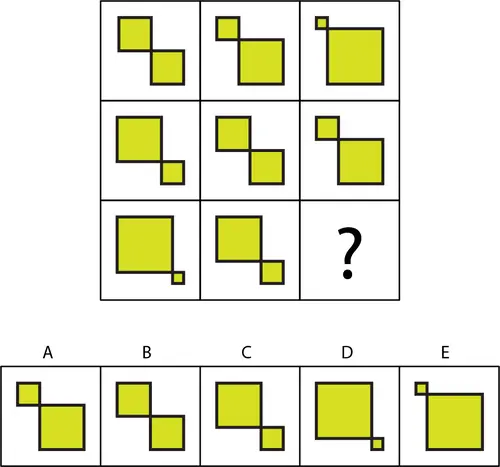
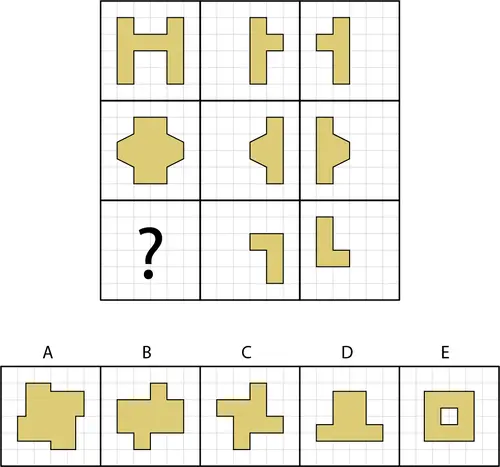
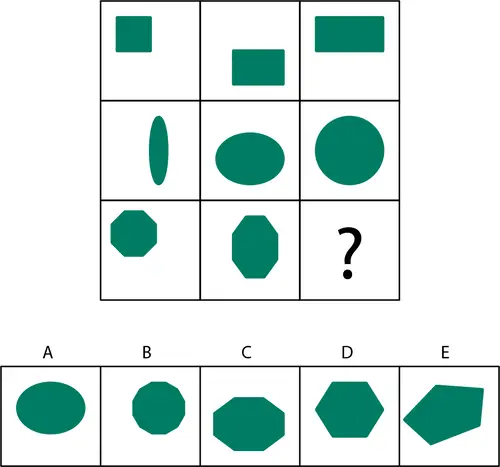
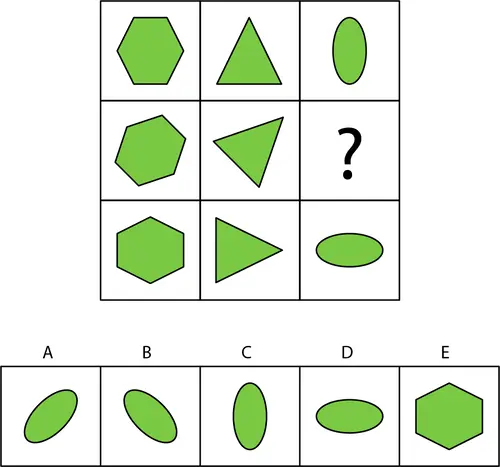
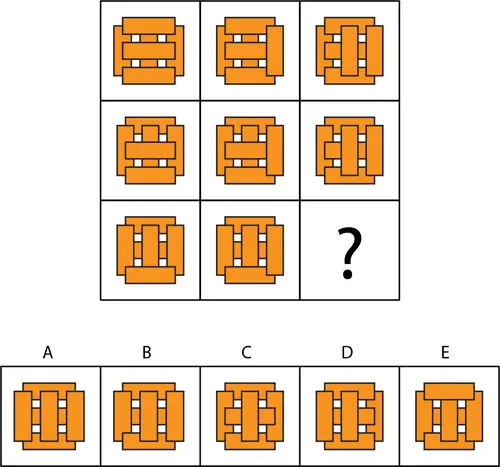
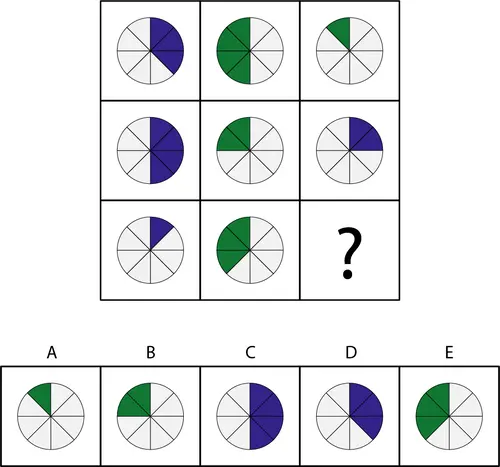
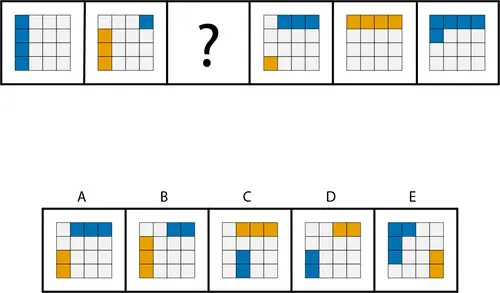
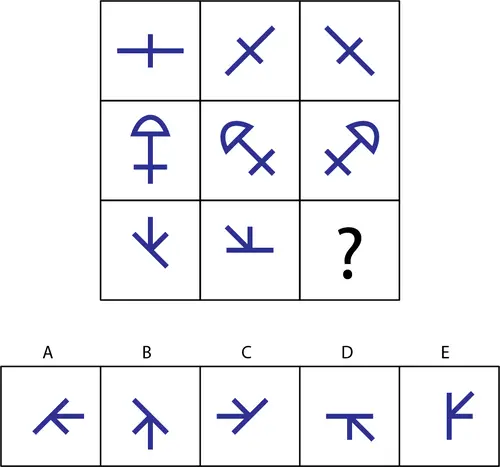
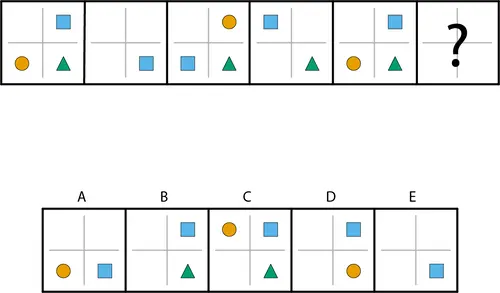
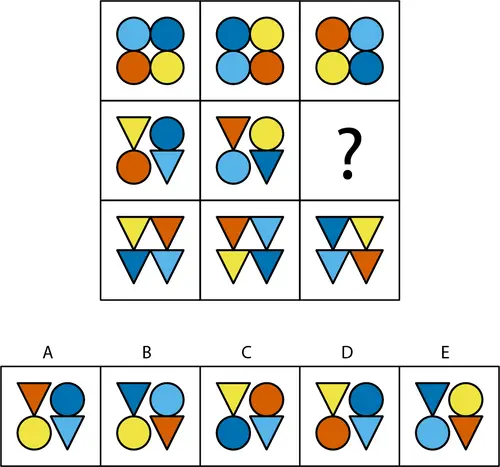
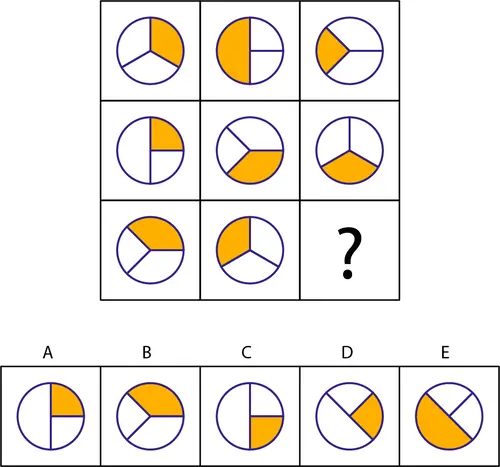
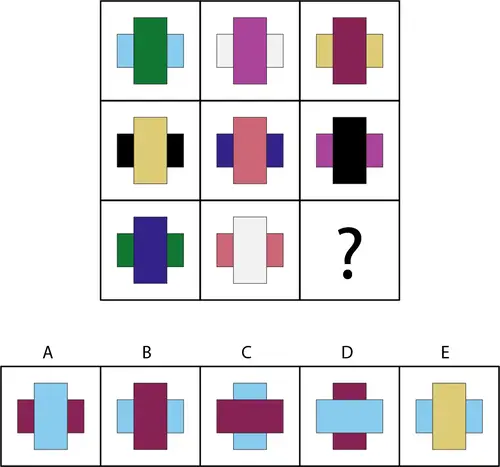
The Apex IQ Test is designed to measure very high IQs in ways that traditional IQ tests cannot. It is intended for individuals curious about cognitive performance in exceptionally high ranges, sometimes described as “gifted” or “genius-level.”
Do you have a very high IQ? For each of the following questions, indicate your answer below.
This test is in timed mode.
You will have 45 minutes to finish the test. Once you are ready, click Start Test.
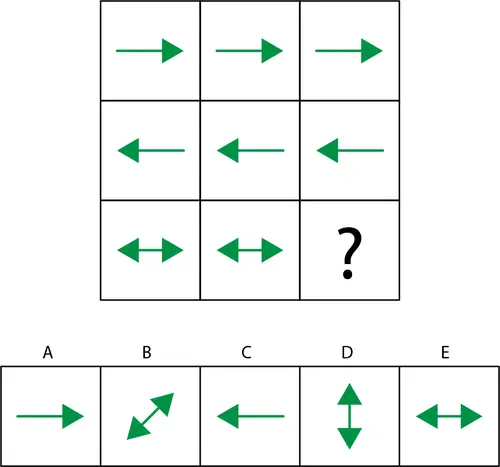
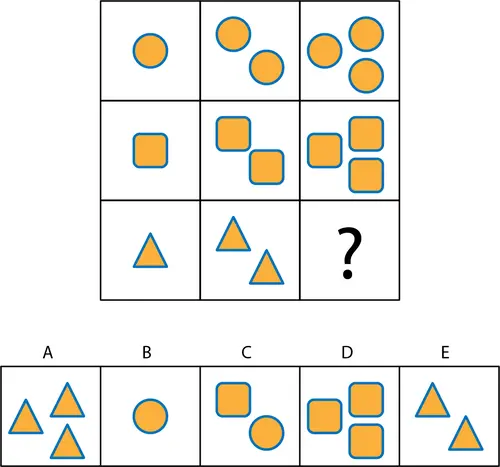
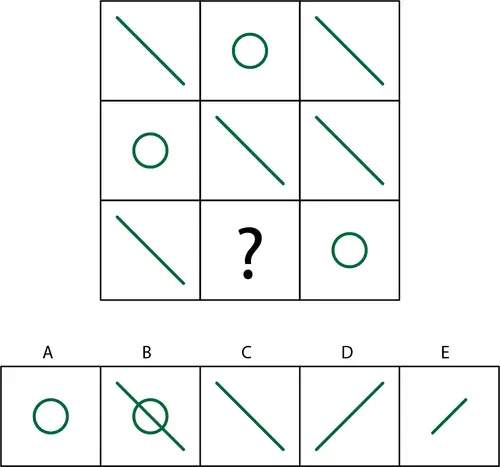
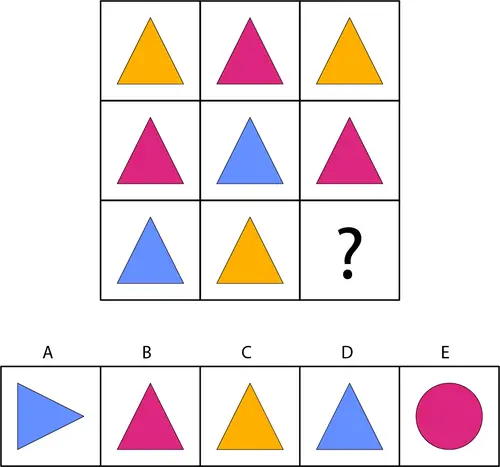
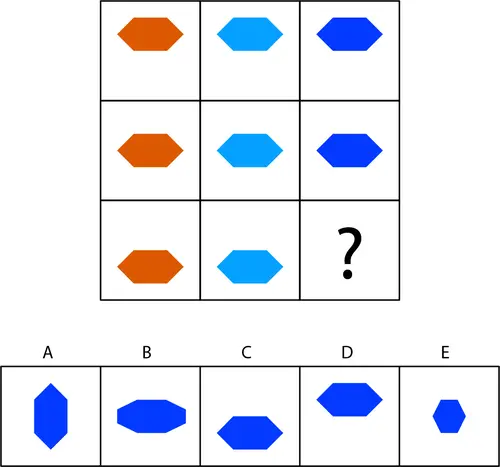
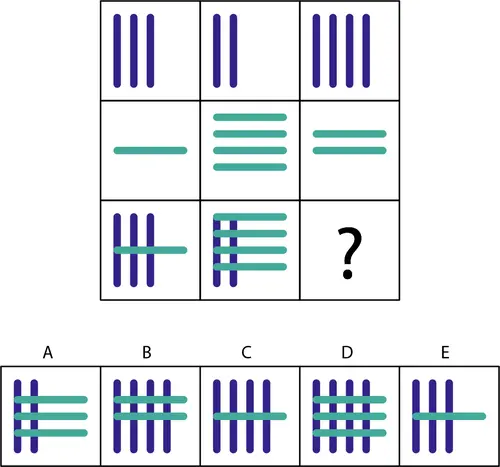
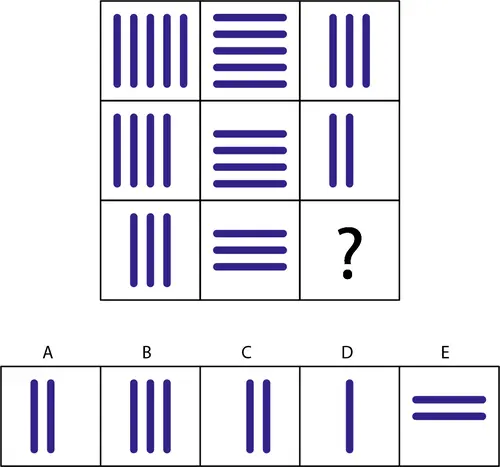
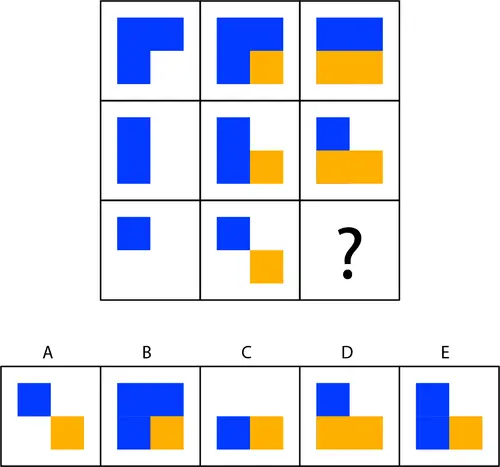
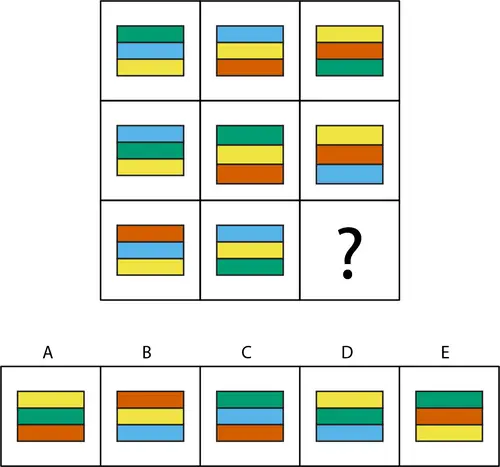
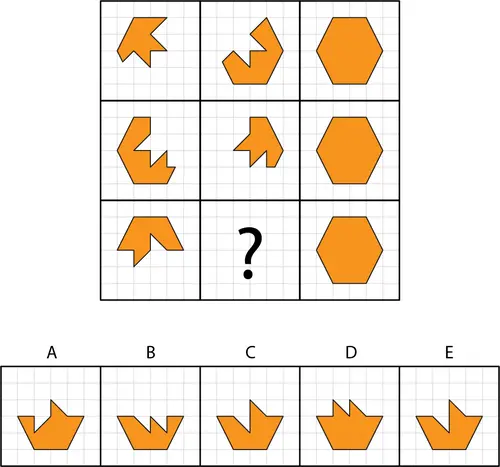
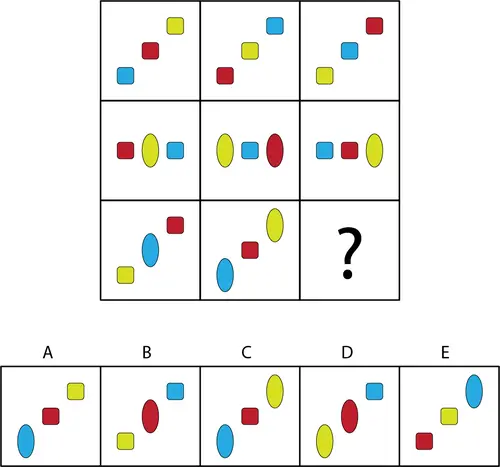
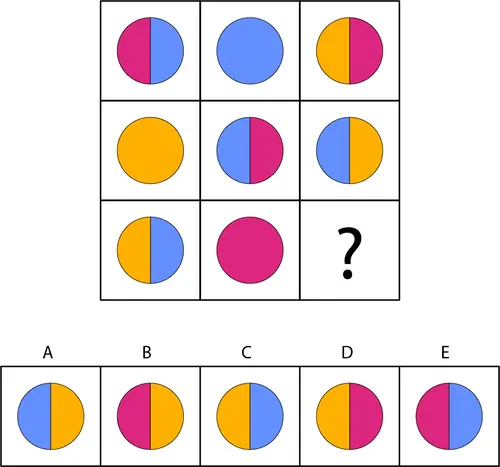
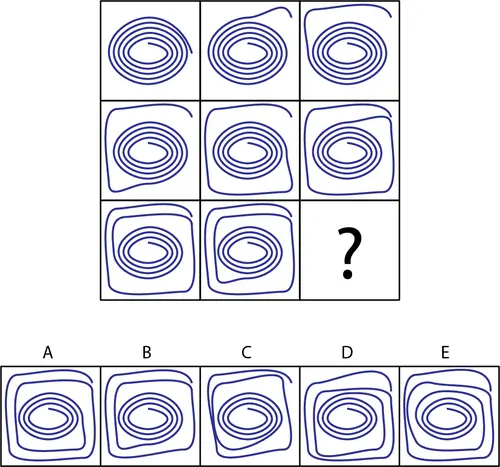
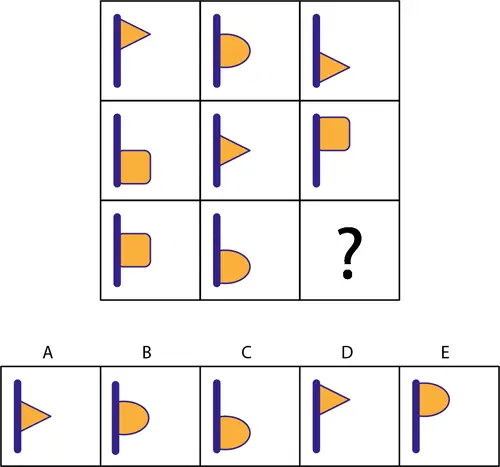
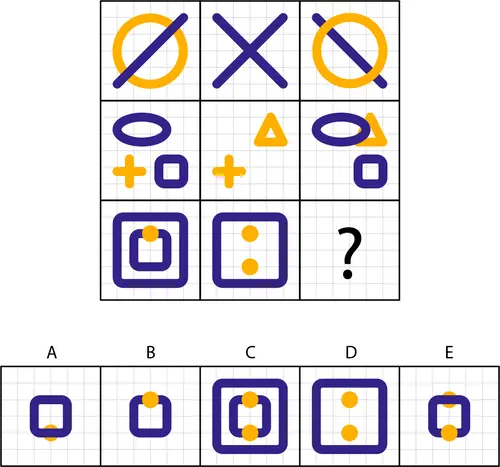
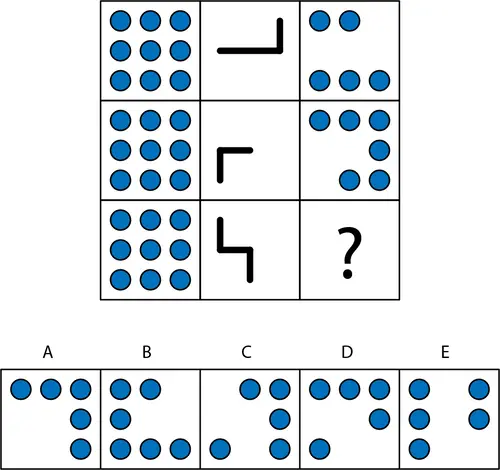
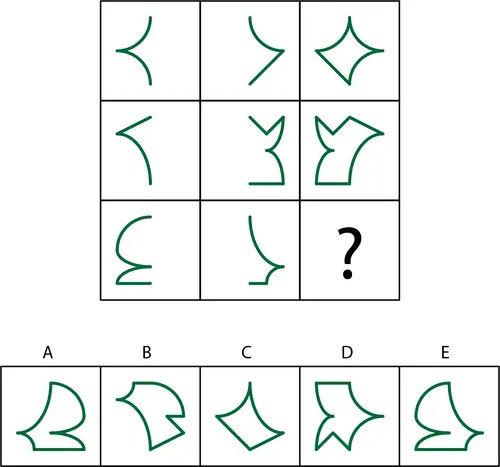
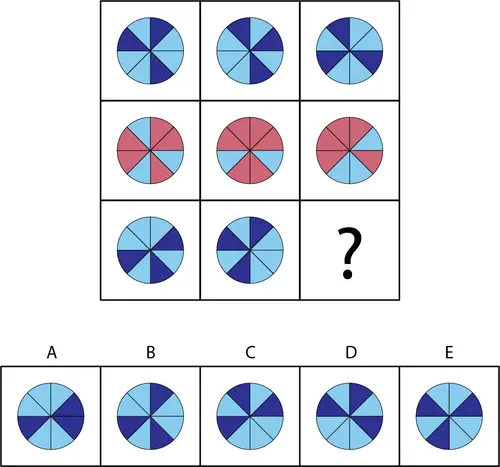
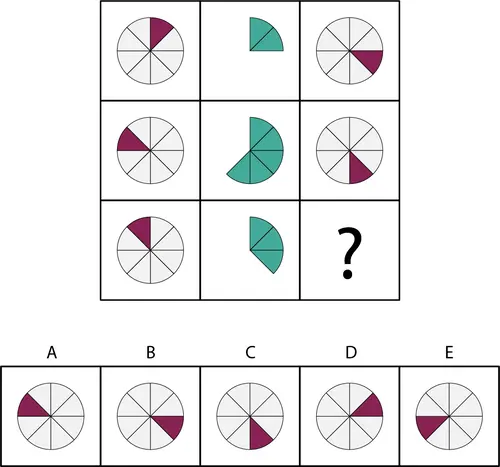
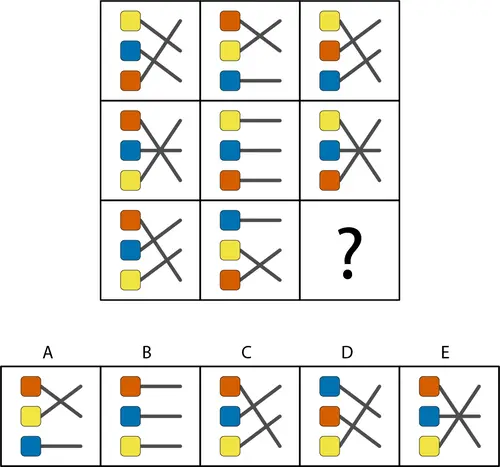
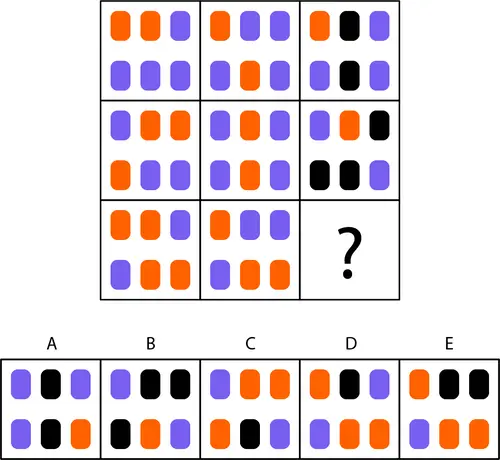
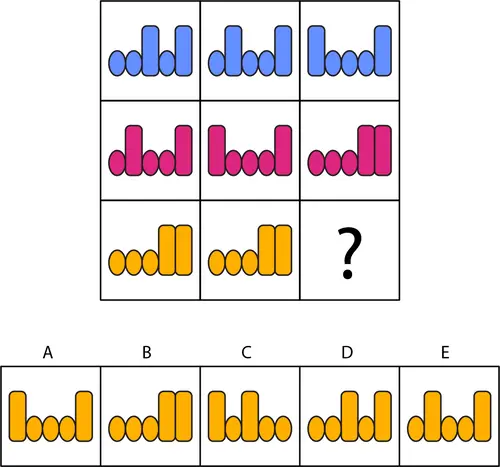
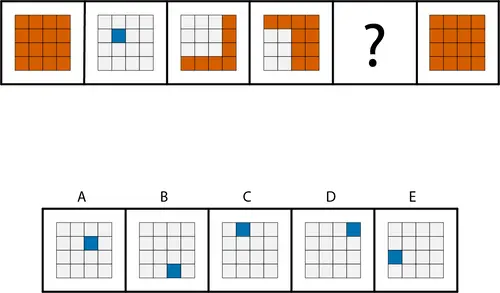
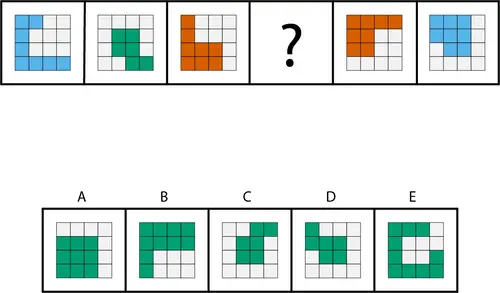
The IDRlabs Apex IQ Test (IDR-AIQT) was developed as a multidimensional instrument intended to provide insight into exceptionally high cognitive abilities. Assessing intelligence at the upper extremes presents unique challenges: standard psychometric tools are often designed for the general population, and scores above the 145–160 range tend to lose statistical reliability due to ceiling effects, limited sample sizes, and the reduced discriminatory power of traditional test items. The Apex IQ Test seeks to address these limitations through carefully designed items that stretch conventional measures, along with integration across multiple cognitive domains, including abstract reasoning, numerical ability, spatial processing, and complex problem-solving. By combining these elements, the test aims to provide a richer picture of intellectual performance at the very high end of the spectrum.
The Apex IQ Test was compiled by researchers Juri and Curry, who drew on extensive scholarship in high-range intelligence testing and giftedness assessment. Their approach integrates classical psychometric instruments, such as the Wechsler Adult Intelligence Scale and the Stanford-Binet Intelligence Scales, with contemporary insights that emphasize creativity, non-verbal reasoning, and logical flexibility. The test items were carefully selected and piloted to provide meaningful differentiation among highly capable individuals while maintaining psychometric rigor. Special attention was given to constructing problems that require more than rote memorization or procedural reasoning, instead engaging higher-order cognitive processes such as pattern recognition, abstraction, and multi-step problem-solving.
While high-range IQ tests like the Apex IQ Test can offer valuable insight into cognitive strengths, it is important to recognize that IQ itself is a probabilistic measure. Its precision diminishes as scores increase, and values above the 160 mark should be interpreted as estimates rather than exact measurements. This imprecision arises from multiple factors, including limited normative data at the extreme upper tail, the increasing influence of small variations in performance, and inherent limitations in test design. Consequently, results from the Apex IQ Test should be understood as indicative of reasoning patterns and problem-solving capacity, rather than as definitive markers of absolute intellectual potential.
The Apex IQ Test is designed primarily for educational and informational purposes and is not a replacement for formal cognitive assessment conducted in clinical, academic, or professional settings. Individuals seeking a formal evaluation of giftedness or cognitive functioning are advised to consult a licensed psychologist or trained psychometrician, who can provide a comprehensive assessment using validated instruments and standardized procedures, along with detailed interpretation of scores.
An additional feature of the Apex IQ Test is its recognition of cognitive diversity. Intellectual ability is multifaceted, encompassing verbal reasoning, numerical skills, spatial awareness, abstract thinking, and creative problem-solving. By combining multiple domains, the Apex IQ Test offers a holistic perspective on high-level cognitive performance, highlighting different patterns of strength and potential rather than privileging a single type of reasoning. This approach allows users to better understand their unique cognitive profile, including areas of relative strength and challenge, and provides a framework for self-reflection and intellectual exploration.
References
- Gottfredson, L. S. (1997). Mainstream science on intelligence: An editorial with 52 signatories, history, and bibliography. Intelligence, 24(1), 13–23. https://doi.org/10.1016/S0160-2896(97)90011-8
- Jensen, A. R. (1998). The g factor: The science of mental ability (Rev. ed.). Praeger.
- Kaufman, A. S., & Kaufman, N. L. (2018). Essentials of IQ testing (3rd ed.). Wiley.
- Neisser, U. (Ed.). (1998). The rising curve: Long-term gains in IQ and related measures. American Psychological Association. https://doi.org/10.1037/10275-000
- Stanford-Binet Intelligence Scales, Fifth Edition (SB5). (2003). Riverside Publishing.
- Wechsler, D. (2008). Wechsler Adult Intelligence Scale–Fourth Edition (WAIS–IV). Pearson.
- Cattell, R. B. (1987). Intelligence: Its structure, growth, and action. Elsevier Science.
- Sternberg, R. J. (2000). Handbook of intelligence. Cambridge University Press.
- Terman, L. M., & Oden, M. H. (1959). The gifted group at mid-life: Thirty-five years’ follow-up of the superior child. Stanford University Press.
Frequently Asked Questions
What is the Apex IQ Test intended to measure?
It is designed to assess very high IQs in ranges that traditional tests often cannot reach.
Who is the Apex IQ Test for?
It is intended for people curious about their cognitive performance in exceptionally high ranges.
Is the Apex IQ Test free?
Yes, the test is delivered at no cost.
What does the Apex IQ Test draw on for its approach?
It draws on established psychometric methods and insights from researchers Juri and Curry.
Why are results described as indicative rather than exact?
High-range IQ measurement is inherently less precise due to ceiling effects and limited sample sizes at upper extremes.

Why Use This Test?
1. Free. The Apex IQ Test is delivered at no cost and allows individuals to explore high-range cognitive abilities across multiple domains.
2. Research-based. The test draws on established psychometric methods and incorporates insights from researchers Juri and Curry to provide a structured approach to assessing very high IQ.
3. Informative, not definitive. High-range IQ measurement is inherently less precise; results should be considered indicative of patterns of reasoning rather than absolute numbers.
4. Educational and reflective. The test offers a framework to understand strengths in abstract reasoning, problem-solving, and pattern recognition.