
 English
  Español
  Português
  Deutsch
  Français
  Italiano
  Polski
  Română
  Українська
  Русский
  Türkçe
  العربية
  فارسی
فارسی  日本語
日本語  한국어
한국어  ไทย
ไทย  汉语
汉语  Tiếng Việt
  Filipino
  हिन्दी
  Bahasa
 Big Mouth Test
Which Big Mouth character are you?
Big Mouth is a wild ride through the chaotic, messy, and hilarious world of puberty. From the anxious overthinking of Andrew to the entitled insecurity of Nick, every character faces the awkward realities of growing up with their own hormone monsters. Whether you deal with your problems through intense shame, wild impulses, or quiet sensitivity, there is a character who shares your exact style.
Which Big Mouth character are you? Answer the questions below to find your match.
Question 1 of 35
I use loud behavior to hide my loneliness.
| Disagree | Agree |
BACK NEXT
The Big Mouth Test is inspired by psychometric methodology and based on research into the characters of the animated series. The test provides feedback such as the following:
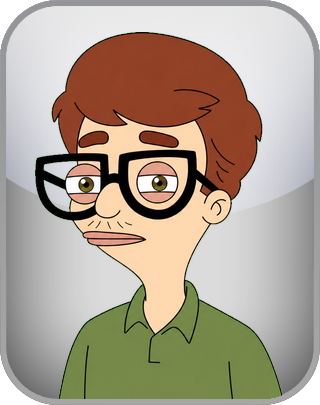
Andrew Glouberman
Andrew Glouberman is an anxious, early-blooming middle schooler who constantly battles a tidal wave of physical urges and deep-seated shame. He desperately craves moral clarity, parental approval, and romantic security, yet his intense anxiety often spirals into obsessive overthinking and sudden emotional outbursts. He internalizes criticism easily, assuming he is fundamentally flawed, which drives him to alternate between self-loathing and defensive entitlement. In his relationships, he oscillates between intense devotion and possessive jealousy, fearing rejection above all else. He frequently relies on rules and authority to keep his chaotic impulses in check, only to regret the moments when his self-control slips.
Nick Birch
Nick Birch is a sensitive late bloomer whose comfortable upbringing leaves him both emotionally secure and quietly entitled. He struggles with deep-seated envy and insecurity as his friends experience puberty ahead of him, leaving him feeling physically left behind and childlike. While he craves social validation, maturity, and romantic attention, his parents' smothering affection makes him highly self-centered and prone to dodging accountability. He handles conflict through avoidance, often sulking, deflecting blame, or lashing out at his friends rather than facing his problems directly. Beneath his witty and charming exterior, he must learn to balance his desire for status with genuine empathy.
Connie the Hormone Monstress
Connie the Hormone Monstress is a glamorous, emotional chaos fairy who champions self-worth, body positivity, and intense adolescent desire. She serves as a passionate guide through the trials of puberty, fiercely encouraging her clients to embrace their feelings and rebel against societal expectations. While she is deeply loyal and protective, her dramatic nature often makes her a bad influence who pushes for reckless choices, spiteful outbursts, and social climbing. She operates entirely on big feelings, romance, and righteous rage. She represents the struggle to balance necessary self-love with the dangerous temptation to let raw emotions justify destructive behavior.
Missy Foreman-Greenwald
Missy Foreman-Greenwald is an earnest, geeky late bloomer who navigates the chaos of middle school with a big heart and a passion for science fiction. Raised in a progressive, bohemian household, she initially relies on logic, rules, and her beloved stuffed animals to make sense of her changing world. Her main contradiction lies in her deep desire to please others while slowly discovering her own independent, outspoken voice. As she grows, she confronts her mixed-race identity and learns to trade her conflict-avoidant politeness for self-assured boundaries. She remains a fiercely loyal friend who prefers understanding over rebellion.
Jessi Glaser
Jessi Glaser is a sharp-tongued idealist whose early physical development collides with a chaotic family collapse. She uses a fierce, sarcastic wit to guard her vulnerability as her parents divorce, masking her deep anxiety with rebellion and confrontation. She passionately fights for feminist ideals and calls out hypocrisy in authority figures, yet she secretly craves emotional safety and honest guidance. When overwhelmed by depression and family trauma, she tends to push people away and engage in self-sabotage before they can reject her. Ultimately, she is a deeply loyal friend who struggles to balance her strong moral convictions with her own emotional exhaustion.
Maury the Hormone Monster
Maury the Hormone Monster is the chaotic personification of adolescent lust and emotional volatility. As a guide to puberty, he pushes his clients toward constant sexual experimentation and immediate gratification, completely ignoring social rules and boundaries. He acts as a loud, crass voice of raw desire, yet he cares deeply for the teenagers he serves. He is surprisingly supportive of their identities and orientations, celebrating their self-discovery without judgment. While he prefers impulsive escalation over logical reflection, he genuinely wants his charges to experience pleasure instead of self-loathing, making him a fiercely loyal ally in the messy process of growing up.
Jay Bilzerian
Jay Bilzerian is a feral romantic who acts as his own hormone monster because his chaotic, neglectful home life has left him entirely dependent on his own wild impulses. He uses loud, hypersexual bravado and dramatic magic tricks to mask a deep, painful loneliness. While he frequently breaks rules and causes chaos, his disruptive behavior is a desperate plea for attention and stability. He deeply craves a safe family environment and genuine affection, responding with surprising loyalty when offered real care. Beneath his aggressive exterior, he is a vulnerable boy trying to navigate a world that has rarely shown him unconditional love.
Why Use This Test?
1. Free. The Big Mouth Test is provided free of charge and lets you compare your answers with characters in the series.
2. Everyday self-report. The questions map the cast's chaotic impulses, boundary struggles, and hidden insecurities onto your own everyday social habits and emotional reactions.
3. For entertainment and reflection. The result is meant for fan comparison and self-reflection, not diagnosis or formal assessment.