
 English
  Español
  Português
  Deutsch
  Français
  Italiano
  Polski
  Română
  Українська
  Русский
  Türkçe
  العربية
  فارسی
فارسی  日本語
日本語  한국어
한국어  ไทย
ไทย  汉语
汉语  Tiếng Việt
  Filipino
  हिन्दी
  Bahasa
 Fate Series Test
Which Fate character are you?
The Fate series brings legendary heroes and mages into a brutal struggle for the wish-granting Holy Grail. From the selfless ideals of Shirou Emiya to the pride of Gilgamesh, each character embodies a unique vision of power, duty, and sacrifice. These warriors clash over the meaning of justice and the heavy cost of their own desires.
Which Fate character are you? Answer the following questions to discover your match among the legendary heroes.
Question 1 of 40
I prefer to associate with those of high status.
| Disagree | Agree |
BACK NEXT
The Fate Series Test is inspired by psychometric methodology and based on research into the characters of the franchise. The test provides feedback such as the following:
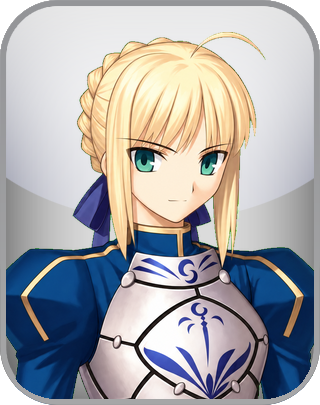
Saber (Artoria Pendragon)
Saber (Artoria Pendragon) is the King of Knights, a legendary monarch who ruled Britain while hiding her identity to bear the weight of her kingdom’s fate. She is defined by her stoic discipline, unyielding honor, and a profound sense of duty that leads her to prioritize the needs of others over her own desires. Beneath her armored exterior, she harbors a gentle heart and a secret longing for the simple, ordinary life she sacrificed for her crown. Her internal struggle lies in the tension between her role as an impersonal symbol of justice and her buried, human wish to be cared for as an individual.
Rin Tohsaka
Rin Tohsaka is the perfect honor student who is secretly a fiercely competitive, slightly chaotic heir to an old mage family. At school, she cultivates an image of cool competence and aloof grace to deflect attention from her secret life as a magus. In private, she is loud, tomboyish, and sharp-tongued, with a perfectionist work ethic. Her contradiction lies between the ruthless, self-sacrificing magus her father raised her to be and the warm, impulsive girl underneath. She hides fear behind sarcasm and brisk orders, often struggling to admit her own need for support while she works tirelessly to protect those she holds dear.
Kiritsugu Emiya
Kiritsugu Emiya is a cold, pragmatic mercenary and mage-killer who carries the heavy burden of a broken ideal. Once a hopeful boy who dreamed of becoming a hero of justice, he witnessed enough tragedy to conclude that saving the many requires the ruthless sacrifice of the few. He operates with calculated, detached efficiency, favoring modern weaponry and tactical strikes over traditional magical duels. Beneath his stoic and often cruel exterior lies a man hollowed out by his own choices and haunted by the lives he could not save. He remains a tragic figure who desperately seeks a miracle to fix a world he believes is beyond repair.
Shirou Emiya
Shirou Emiya is the orphaned survivor of the Fuyuki fire who internalizes a broken, self-sacrificing ideal to become a hero of justice. He functions as a chronic handyman for others, possessing a near-total inability to value his own life or personal desires. His core contradiction is that he is deeply selfless yet paradoxically self-centered, as his altruism serves a private emotional need to quiet his survivor’s guilt. He leads with moral instinct rather than logic, often throwing himself into danger to protect those around him. While he is modest and kind, he remains emotionally obtuse, struggling to admit he deserves a future of his own.
Kirei Kotomine
Kirei Kotomine is a priest and supervisor of the Holy Grail War who hides a profound, internal emptiness behind a mask of devout service. Born into a family of executors, he struggles with the realization that he cannot derive satisfaction from traditional notions of goodness or altruism. Instead, he finds himself drawn to the darker aspects of human existence, experiencing a sense of purpose only when observing the suffering of others. His core contradiction lies in his attempt to reconcile his inherent, sadistic nature with his role as a man of the cloth. He is a calculated, manipulative strategist who views the world as a stage for his own existential inquiry.
Archer (EMIYA)
Archer (EMIYA) is a jaded, cynical veteran who serves as a bitter reflection of his younger, idealistic self. Once a boy who dreamed of becoming a hero of justice, he evolved into a weary Counter Guardian who views the world through a lens of cold, ruthless pragmatism. He hides his lingering capacity for care behind a mask of biting sarcasm and sharp-tongued critiques, often pushing others to confront the brutal realities he once ignored. His internal struggle pits a desire for self-erasure against a stubborn, reflexive impulse to protect the innocent, making him a complex figure defined by disillusionment and hard-won wisdom.
Gilgamesh
Gilgamesh is the King of Heroes, a demigod ruler who views the world as his personal treasury. He possesses the Gate of Babylon, an arsenal containing the prototypes of all human inventions, which he wields with casual, devastating arrogance. His core motive is to prune humanity, testing the worth of those he deems mongrels against his own absolute standards. His main contradiction lies in his immense capacity for insight and loyalty, which he hides behind a mask of detached, tyrannical disdain. He is a catalyst for others, forcing them to define their own ideals by standing in the shadow of his overwhelming, unapologetic pride.
Rider (Iskandar)
Rider (Iskandar) is the boisterous King of Conquerors who believes that a true leader must live more intensely than anyone else. He is a larger-than-life figure who values glory, wine, and the camaraderie of his loyal followers above all else. While others might view his ambition as reckless, he sees it as a grand, shared project that gives life meaning. He is physically affectionate and openly charismatic, often dragging those around him into his adventures. His primary contradiction is the tension between his immense, god-like power and his deeply human desire for connection, adventure, and the simple joy of witnessing the world’s wonders.
Why Use This Test?
1. Free. The Fate Series Test is provided free of charge and lets you compare your answers with characters in the series.
2. Everyday self-report. The items translate character traits into ordinary choices, habits, and reactions, so your result is easier to relate to outside the series.
3. For entertainment and reflection. The result is meant for fan comparison and self-reflection, not diagnosis or formal assessment.