
 English
 Español
 Português
 Deutsch
 Français
 Italiano
 Polski
 Українська
 Русский
 Türkçe
 العربية
 日本語
 한국어
 ไทย
 汉语
 Tiếng Việt
 Bahasa
แบบทดสอบนักจิตวิทยาผู้วางรากฐาน
คุณคือนักจิตวิทยาชื่อดังคนไหน
แบบทดสอบนักจิตวิทยาผู้วางรากฐานเป็นการวัดเชิงทดลองที่พยายามจับคู่คุณกับนักจิตวิทยาชื่อดังคนใดคนหนึ่งจากเจ็ดคน โดยใช้แบบจำลองแบบผสมของทัศนคติทางจิตวิทยาและลักษณะบุคลิกภาพของคุณ บนพื้นฐานนี้ แบบทดสอบจะระบุว่าคุณเหมือนนักจิตวิทยาคนใดจากเจ็ดคนมากที่สุด
คุณจะเป็นนักจิตวิทยาผู้วางรากฐานคนไหน สำหรับแต่ละข้อความต่อไปนี้ โปรดระบุระดับความเห็นด้วยของคุณด้านล่าง
คำถามที่ 1 จาก 35
ทุกสิ่งในตัวผู้อื่นที่ทำให้เราหงุดหงิดสามารถนำเราไปสู่ความเข้าใจตัวเองที่ดียิ่งขึ้น
| ไม่เห็นด้วย | เห็นด้วย |
ย้อนหลัง ต่อไป
แบบทดสอบนักจิตวิทยาผู้วางรากฐานของ IDRLabs สร้างขึ้นโดย IDRlabs
แบบทดสอบให้ข้อเสนอแนะเช่นต่อไปนี้:
บี.เอฟ. สกินเนอร์ (จิตวิทยาพฤติกรรม): สกินเนอร์ (1904-1990) เป็นนักจิตวิทยาชาวอเมริกันที่รู้จักกันดีที่สุดจากผลงานด้านพฤติกรรมนิยม งานของสกินเนอร์ส่วนใหญ่หมุนเวียนอยู่กับแนวคิดเรื่องการวางเงื่อนไขแบบการกระทำและการเสริมแรง เขาเชื่อว่าพฤติกรรมสามารถถูกกำหนดรูปร่างได้ด้วยผลที่ตามมา ไม่ว่าจะเป็นรางวัลหรือการลงโทษ ด้วย "กล่องสกินเนอร์" ที่เขาออกแบบขึ้นมาเป็นพิเศษ เขาได้ทำการทดลองที่แสดงให้เห็นว่าพฤติกรรมสามารถถูกปรับเปลี่ยนได้ด้วยกลยุทธ์การเสริมแรงต่าง ๆ เขาสนับสนุนให้นำหลักการเหล่านี้ไปใช้ในแวดวงต่าง ๆ ของสังคม รวมถึงการศึกษาและสุขภาพจิต เนื่องจากให้ความสำคัญกับวิธีการเชิงประจักษ์และการสังเกต สกินเนอร์จึงคัดค้านแนวทางทฤษฎีทางจิตวิทยาที่อ้างถึงสภาวะทางจิตภายใน เขาเชื่อในศักยภาพของวิธีการของเขาที่จะสร้างการเปลี่ยนแปลงเชิงบวกต่อสังคม โดยเน้นวัฒนธรรมที่ให้รางวัลแก่พฤติกรรมที่พึงประสงค์
ซิกมุนด์ ฟรอยด์ (จิตวิเคราะห์): ฟรอยด์ (1856-1939) เป็นบิดาของจิตวิเคราะห์ ฟรอยด์เชื่อว่าพฤติกรรมของมนุษย์ถูกขับเคลื่อนด้วยความปรารถนาในจิตใต้สำนึกซึ่งมักมีรากมาจากประสบการณ์ในวัยเด็ก แกนกลางของทฤษฎีของเขาคือแนวคิดอย่างปมเอดิปัส ลิบิโด และอิด อีโก้ และซูเปอร์อีโก้ ซึ่งควบคุมพลวัตทางจิตภายใน เขาตั้งสมมติฐานว่าความฝันและการพูดพลั้งปาก เช่น เมื่อคุณพูดสิ่งหนึ่งแต่จริง ๆ แล้วหมายถึงอีกสิ่งหนึ่ง ("การพลั้งปากแบบฟรอยด์") สามารถเผยให้เห็นความปรารถนาและความทรงจำที่ซ่อนอยู่ได้ ความเชื่อของฟรอยด์ในความสำคัญอันดับแรกของเรื่องเพศต่อพัฒนาการทางจิตนั้นล้ำหน้าแต่ก็เป็นที่ถกเถียงเช่นกัน แม้จะเผชิญกับการวิพากษ์วิจารณ์ ความมุ่งมั่นของเขาในการสำรวจจิตใต้สำนึกได้วางรากฐานให้กับ "การบำบัดด้วยการพูดคุย" ซึ่งเป็นพื้นฐานของจิตบำบัดสมัยใหม่ ค่านิยมหลักที่รองรับงานของเขา ได้แก่ การใคร่ครวญตนเอง ความเชื่อมโยงระหว่างจิตใจและร่างกาย และอิทธิพลอันลึกซึ้งของประสบการณ์ในชีวิตช่วงต้นต่อวัยผู้ใหญ่
Viktor E. Frankl (Existential Psychology): Frankl (1905-1997) was an Austrian neurologist, psychiatrist, and Holocaust survivor. His autobiographical experiences are poignantly detailed in his seminal work, "Man's Search for Meaning," in which he recounts his harrowing experiences in Nazi concentration camps and his observations of what human behavior is like under extreme conditions. Central to Frankl's beliefs is the therapeutic approach he developed that emphasizes the human search for purpose and meaning. He posited that even in the face of extreme suffering, individuals could find meaning in their experiences and thus a reason to continue living. For Frankl, life's primary motivational force is our search for meaning, and this can be found through creating a work or doing a deed, experiencing something or someone authentically and in full, or through the attitude we adopt toward the unavoidable suffering inherent in life. He believed in the inherent value and dignity of each human being and championed the ability of the human spirit to transcend adversity.
Jean W.F. Piaget (Cognitive Psychology): Born in Neuchâtel, Switzerland, Piaget’s (1896-1980) early fascination with mollusks as a child evolved into a profound interest in human cognitive development. Piaget believed that children actively construct knowledge as they explore and interact with the world. He introduced the idea of developmental stages, including the sensorimotor, preoperational, concrete operational, and formal operational stages. Each stage signifies a distinct pattern of thought and reasoning. Piaget held that the driving force behind intellectual development is the balance between assimilation (integrating new information into existing cognitive structures) and accommodation (adjusting cognitive structures to new information). Core to his philosophy was the principle of "genetic epistemology", emphasizing the evolutionary and developmental origins of knowledge. He valued education and believed that understanding the nature of cognitive development could lead to more effective educational strategies.
Erik H. Erikson (Developmental Psychology): Erikson (1902-1994) was a German-American developmental psychologist and psychoanalyst best known for his theory of psychosocial development. Born in 1902 in Frankfurt, Germany, to a Danish mother and an unknown father, Erikson's early life was marked by questions about his own identity, which later influenced his work on identity crises. He became a citizen of the United States in the late 1930s and produced most of his influential works while at Harvard and Yale. Erikson believed that individuals pass through eight distinct stages of development from birth to death, each marked by a specific conflict that, when resolved, leads to a basic virtue. He emphasized the role of culture and society in shaping development and believed that the ego plays an active role in reconciling tensions at each stage. Erikson’s approach highlighted the importance of social relationships, personal growth, and the continuous evolution of a person's sense of self throughout life.
Martin E.P. Seligman (Positive Psychology): Seligman (1942-) is an influential American psychologist primarily known for his work in positive psychology and his theories on learned helplessness. Born in Albany, New York, Seligman's early research on learned helplessness explored the psychology of depression and how animals, including humans, can learn to feel helpless in adverse situations. However, his focus shifted in the late 1990s to human strengths and virtues, laying the foundation for positive psychology, a field emphasizing human flourishing and well-being. He championed the idea that psychology should not only address mental illness but also promote the positive aspects of life. Seligman's beliefs revolve around the concept that happiness can be cultivated through specific practices and mindsets, emphasizing the significance of positive emotions, engagement, relationships, meaning, and achievement. He values resilience, optimism, and well-being as crucial components of a fulfilling life.
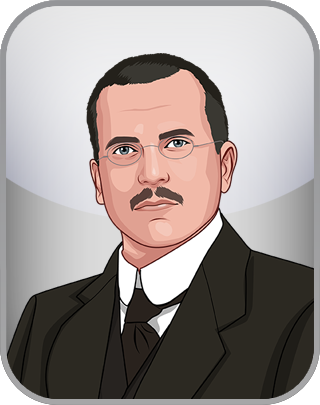
ซี.จี. ยุง (จิตวิทยาเชิงวิเคราะห์): ยุง (1875-1961) เป็นจิตแพทย์และนักจิตวิเคราะห์ชาวสวิสผู้ก่อตั้งจิตวิทยาเชิงวิเคราะห์ และเริ่มต้นร่วมงานกับฟรอยด์ แต่ต่อมาทั้งสองแยกทางกันเนื่องจากมุมมองที่แตกต่างกัน วัยเด็กของยุงเต็มไปด้วยความหลงใหลในเรื่องจิตวิญญาณ ซึ่งส่งอิทธิพลอย่างลึกซึ้งต่อทฤษฎีในภายหลังของเขา เขาเชื่อในแนวคิดเรื่องจิตใต้สำนึกส่วนรวม ซึ่งเป็นแหล่งสะสมประสบการณ์และสัญลักษณ์ต้นแบบที่มนุษย์ทุกคนมีร่วมกัน ยุงเสนอว่าการเติบโตของแต่ละบุคคล (กระบวนการที่เขาเรียกว่าการเป็นปัจเจกบุคคล) เกี่ยวข้องกับการผสานจิตสำนึกเข้ากับองค์ประกอบของจิตใต้สำนึก เขาเน้นความสำคัญของความสมดุลระหว่างพลังที่ตรงข้ามกันภายในจิตใจ และความจำเป็นที่จะต้องก้าวข้ามองค์ประกอบที่เป็นเหตุผลล้วน ๆ ของจิตใจ งานของเขาศึกษาเชิงลึกถึงปรัชญาตะวันออก การเล่นแร่แปรธาตุ และการวิเคราะห์ความฝัน ยุงมองว่าจิตวิญญาณเป็นองค์ประกอบสำคัญของประสบการณ์ของมนุษย์ โดยเชื่อว่ามันมอบเส้นทางสู่การตระหนักรู้ในตนเอง เนื่องจากให้ความสำคัญกับการใคร่ครวญตนเองและการเติบโตส่วนบุคคล เขาจึงสนับสนุนให้ยอมรับเงามืดของตนเอง (ลักษณะที่ถูกกดเก็บไว้) เพื่อให้บรรลุถึงความสมบูรณ์
แบบทดสอบนักจิตวิทยาผู้วางรากฐานได้รับแรงบันดาลใจจากการวิจัยในวรรณกรรมที่เกี่ยวข้องและแนวปฏิบัติด้านระเบียบวิธี แม้ว่าแบบทดสอบนักจิตวิทยาผู้วางรากฐานจะได้รับแรงบันดาลใจจากสาขาการวิจัย แต่ก็ไม่สามารถใช้เพื่อให้การประเมินทางคลินิกหรือการประเมินบุคลิกภาพของคุณอย่างแม่นยำได้ การประเมินทางคลินิกควรทำร่วมกับผู้เชี่ยวชาญด้านสุขภาพจิตเสมอ สำหรับข้อมูลเพิ่มเติมเกี่ยวกับแบบทดสอบและแบบทดสอบออนไลน์ใด ๆ ของเรา โปรดดู ข้อกำหนดการให้บริการ ของเรา
คำถามที่พบบ่อย
แบบทดสอบนักจิตวิทยาผู้วางรากฐานวัดอะไรได้จริง?
เป็นแบบจำลองเชิงทดลองแบบผสมที่จับคู่ทัศนคติทางจิตวิทยาและลักษณะบุคลิกภาพของคุณเข้ากับนักจิตวิทยาชื่อดังคนใดคนหนึ่งจากทั้งหมดเจ็ดคน
แบบทดสอบสามารถจับคู่ฉันกับนักจิตวิทยาคนใดได้บ้าง
แบบทดสอบรายงานการจับคู่กับบุคคลผู้วางรากฐานคนใดคนหนึ่งจากเจ็ดคน โดยคำอธิบายสาธารณะยกตัวอย่างเช่น บี.เอฟ. สกินเนอร์ ซิกมุนด์ ฟรอยด์ และวิกเตอร์ อี. แฟรงเคิล
ผลลัพธ์อย่างบี.เอฟ. สกินเนอร์หมายความว่าอย่างไร
แสดงว่าคำตอบของคุณสอดคล้องกับการเน้นการวางเงื่อนไขแบบการกระทำ การเสริมแรง และพฤติกรรมที่สังเกตได้ของสกินเนอร์มากที่สุด มากกว่าสภาวะทางจิตภายใน
ผลลัพธ์อย่างซิกมุนด์ ฟรอยด์หมายความว่าอย่างไร
แสดงถึงความสอดคล้องสูงสุดกับแนวคิดของฟรอยด์เกี่ยวกับแรงขับในจิตใต้สำนึก อิทธิพลจากช่วงต้นของชีวิต และโครงสร้างของอิด อีโก้ และซูเปอร์อีโก้
ใครสร้างแบบทดสอบนักจิตวิทยาผู้วางรากฐาน
การทดสอบนี้สร้างโดย IDRlabs
เหตุผลที่ควรทำแบบทดสอบนี้
1. ฟรี แบบทดสอบนักจิตวิทยาผู้วางรากฐานมอบให้คุณโดยไม่มีค่าใช้จ่าย และช่วยให้คุณได้รับคะแนนที่เกี่ยวข้องกับบุคคลสำคัญทางจิตวิทยา
2. การควบคุมทางสถิติ คะแนนการทดสอบจะถูกบันทึกในฐานข้อมูลที่ไม่ระบุตัวตน การวิเคราะห์ทางสถิติของการทดสอบจะดำเนินการเพื่อให้แน่ใจว่าคะแนนการทดสอบมีความแม่นยำและถูกต้องสูงสุด
3. สร้างโดยผู้เชี่ยวชาญ. การทดสอบนี้ถูกสร้างขึ้นด้วยข้อมูลจากผู้ที่ทำงานอย่างมืออาชีพในด้านจิตวิทยาและการวิจัยความแตกต่างของแต่ละบุคคล