
 English
  Español
  Português
  Deutsch
  Français
  Italiano
  Polski
  Română
  Українська
  Русский
  Türkçe
  العربية
  فارسی
فارسی  日本語
日本語  한국어
한국어  ไทย
ไทย  汉语
汉语  Tiếng Việt
  Filipino
  हिन्दी
  Bahasa
 Ahsoka Test
Which Ahsoka character do you most resemble?
Star Wars: Ahsoka follows stoic former Jedi, headstrong Mandalorian warriors, and calculating Imperial strategists navigating a galaxy reshaped by conflict. Ahsoka operates with quiet discipline and patience, while Sabine acts on impulse and fierce devotion to her allies. Meanwhile, figures like Thrawn rely on ruthless logic to shape the future.
This test will measure your traits and motives to determine which Ahsoka character you resemble most.
Question 1 of 35
I bend official rules to protect my friends and cause.
| Disagree | Agree |
BACK NEXT
The Ahsoka Test is inspired by psychometric methodology and based on research into the characters of the TV series. The test provides feedback such as the following:
Baylan Skoll
Baylan Skoll is a calm, philosophical former Jedi who operates with tactical patience and deep gravitas. Disillusioned by endless cycles of conflict, he seeks a higher purpose beyond traditional dogmas. He approaches every confrontation with measured force and quiet composure, refusing to indulge in needless cruelty or petty malice. Although he treats allies and opponents with respectful courtesy, he maintains a philosophical detachment that keeps his vision clear. He acts as a patient mentor to his apprentice, guiding her growth while pursuing his own ultimate quest. Beneath his heavy stoicism sits a weary idealist who believes that true renewal demands leaving broken institutions behind.
Shin Hati
Shin Hati is a sharp-edged dark-side apprentice who serves as a relentless enforcer while striving to prove her worth. Driven by eager ambition, she channels her inner uncertainty into aggressive confrontation and direct force. She relies heavily on the guidance of a trusted mentor to give her clear direction, taking pride in carrying out his vision. However, her ruthless exterior conceals a volatile vulnerability. When left on her own or feeling cornered, she relies on self-preserving instincts and aggressive hostility to protect herself. She embodies the central tension between a fierce desire for independent power and an underlying dependence on external guidance.
Ezra Bridger
Ezra Bridger is a resilient Jedi survivor and former rebel leader who relies on quick wit, optimism, and creative problem-solving to navigate overwhelming odds. Having endured years of exile away from his home and allies, he maintains an easygoing warmth and a steady trust in the Force. He copes with tense situations using lighthearted humor rather than rigid formality, preferring flexible improvisation over standard tactical solutions. Beneath his cheerful demeanor lies a deep history of loneliness and personal sacrifice, yet he remains driven by an unshakeable devotion to his loved ones. He draws his strength from emotional connection and chosen family, accepting hardship without losing hope.
Hera Syndulla
Hera Syndulla is a New Republic general and master pilot who balances firm military command with deep personal loyalty. Driven by a desire to safeguard the fragile peace and protect her found family, she leads with compassion rather than distance. Her main contradiction lies in her position: although she holds a high-ranking post in the official establishment, she regularly defies bureaucratic orders and risks her career whenever rules hinder necessary action. Hera approaches conflict diplomatically at first, but acts decisively when the stakes escalate. She absorbs immense emotional responsibility for her team, fostering long-term unity and proving that empathy and authority can coexist in leadership.
Sabine Wren
Sabine Wren is a Mandalorian warrior, artist, and headstrong apprentice who hides deep emotional pain behind a rebellious and sarcastic exterior. Driven by fierce loyalty to her found family, she routinely bypasses official protocols and risks everything to protect the people she loves. Beneath her independent surface, she carries a strong fear of abandonment, making her hesitant to open up even while craving close bonds and guidance. She handles pressure through direct action, confronting threats head-on regardless of the odds. Although she often struggles when learning difficult new skills, her stubborn determination drives her to keep practicing until she masters them.
Grand Admiral Thrawn
Grand Admiral Thrawn is a cold, brilliant strategist who relies on intellect and long-range logic rather than emotion or malice. He views conflict as a vast tactical puzzle, dissecting the art, history, and cultural habits of his rivals to predict their movements before they act. Subordinates offer him fierce loyalty because his calm demeanor and foresight inspire absolute confidence. He treats individuals, allies, and opponents alike as variables to optimize on a massive board. Emotional attachments rarely sidetrack his decisions, allowing him to make detached sacrifices for a broader objective. He approaches every challenge with patience, quiet poise, and calculated precision.
Ahsoka
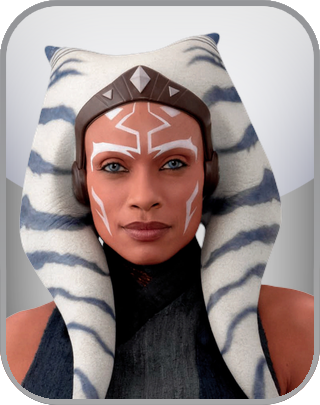
Ahsoka Tano is a composed, battle-tested warrior who carries heavy emotional burdens behind a quiet exterior. She operates as an independent guide, driven by a strict personal sense of duty rather than blind allegiance to official authority. When conflict arises, she relies on calm de-escalation before resorting to combat, using patience and tactical discipline to keep others safe. She takes direct accountability when guiding others, often retreating emotionally out of fear that her past mistakes will cause harm. Though she guards her personal vulnerabilities and processes her regrets in solitude, she remains deeply committed to her allies and her foundational principles.
Why Use This Test?
1. Free. The Ahsoka Test is provided free of charge and lets you compare your answers with characters in the series.
2. Everyday self-report. Questions map galactic loyalties, combat instincts, and quiet coping habits onto your everyday decisions, relationships, and leadership style.
3. For entertainment and reflection. The result is meant for fan comparison and self-reflection, not diagnosis or formal assessment.