
 English
  Español
  Português
  Deutsch
  Français
  Italiano
  Polski
  Română
  Українська
  Русский
  Türkçe
  العربية
  日本語
日本語  한국어
한국어  ไทย
ไทย  汉语
汉语  Tiếng Việt
  Filipino
  हिन्दी
  Bahasa
 Captain Tsubasa Test
Which Tsubasa character do you most resemble?
Captain Tsubasa captures the passion of youth football, where fierce rivalries, hard work, and unbreakable teamwork forge champions on the pitch. From Tsubasa's creative optimism and Hyuga's unstoppable force to Wakabayashi's commanding defense, every competitor brings a distinct drive and emotional grit to the game.
Answer each of the following questions to discover which Captain Tsubasa character best matches your personality, mindset, and competitive spirit.
Question 1 of 35
I withdraw quietly when group situations become tense.
| Disagree | Agree |
BACK NEXT
The Captain Tsubasa Test is inspired by psychometric methodology and based on research into the characters of the anime series. The test provides feedback such as the following:
Jun Misugi
Jun Misugi is an elegant tactical prodigy and natural captain whose extraordinary vision is tested by severe physical limits. Known for his calm intelligence, he analyzes complex situations with ease, directing teammates and outmaneuvering opponents through precise strategy rather than raw force. His greatest struggle is balancing boundless ambition against the reality of a body that cannot safely sustain full matches. Instead of succumbing to frustration, he husbands his energy for decisive moments, guiding others with composed authority and sharp insight. Misugi conceals personal distress behind refined manners, refusing to let vulnerability define him while proving that genuine leadership relies on wisdom, timing, and quiet courage.
Genzo Wakabayashi
Genzo Wakabayashi is a fiercely disciplined goalkeeper who views himself as the ultimate line of defense. Driven by a desire for total mastery, he sets exacting standards for himself and expects his teammates to match his level of focus. His outward arrogance often isolates him, but his pride stems from a deep fear of failure and the intense pressure of being praised as exceptional. When confronted with serious threats or injury, he refuses to complain or seek comfort, choosing instead to train harder and endure physical discomfort to protect the net. He only grants respect to those who prove their competence through action.
Tsubasa Ozora
Tsubasa Ozora is a joyful football prodigy whose infectious passion turns every match into an opportunity to learn, connect, and grow. He approaches formidable rivals and difficult odds with curiosity rather than fear, acting on instinct to master new techniques on the fly. Driven by the simple dream of playing at the highest level, he naturally transforms fierce opponents into lifelong teammates and inspires those around him to elevate their game. However, his boundless optimism comes with an intense, single-minded focus. His identity is so deeply tied to football that he can overlook everyday concerns outside the pitch. Still, his genuine warmth and relentless courage ensure that no setback ever breaks his spirit.
Kojiro Hyuga
Kojiro Hyuga is a fierce and uncompromising striker who channels personal hardship into raw competitive force. Known for his aggressive play and relentless determination, he approaches every match as a battle he cannot afford to lose. Behind his intimidating demeanor and sharp words lies a deep sense of responsibility toward his family and teammates. Hyuga refuses to show vulnerability or accept pity, often pushing back against authority figures who try to manage him. While his abrasive exterior can provoke rivals and conceal his softer motives, his intense drive is rooted in protective devotion. He proves his worth through sheer grit, demanding as much from himself as from those around him.
Ryo Ishizaki
Ryo Ishizaki is a gutsy, loud-hearted defender who anchors his team with sheer willpower and relentless loyalty rather than natural genius. As the emotional core and resident mood-maker of Nankatsu, he dives into every challenge headfirst, whether that means blocking powerful shots with his own face or easing locker-room tension with quick jokes. His visible clumsiness and frequent blunders could easily feed insecurity alongside world-class prodigies, but he refuses to hide or sulk. Instead, he turns his technical limitations into fierce protective grit. He speaks his mind, absorbs embarrassment without losing his nerve, and stands up for his teammates whenever the pressure mounts.
Hikaru Matsuyama
Hikaru Matsuyama is a tenacious, dedicated captain who leads his team through endurance, discipline, and unyielding hard work. Having forged his skills in the freezing winters of Hokkaido, he firmly believes that collective unity and relentless practice can overcome effortless talent. He leads by example rather than loud bravado, keeping his squad composed and focused whenever a match turns chaotic. Behind his calm reliability lies an acute awareness that he is not a natural prodigy, driving him to outwork everyone on the pitch. Instead of chasing individual glory, he anchors his teammates through mutual trust and earned resilience.
Taro Misaki
Taro Misaki is a gentle, artistic playmaker whose exceptional field vision and unselfish passes elevate everyone around him. Having spent his childhood moving from town to town with his painter father, he learned to adapt quickly to unfamiliar environments and diverse personalities. On the pitch, Misaki prefers creating brilliant opportunities for his teammates rather than chasing personal glory, serving as the calm, reliable anchor of the Golden Combi. His biggest struggle lies in emotional attachment. Because he expects goodbyes to be inevitable, he conceals his private loneliness behind polite, pleasant manners, sometimes sacrificing his own desires just to keep the team in harmony.
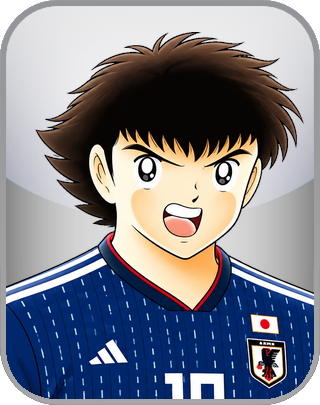
Why Use This Test?
1. Costs nothing. The Captain Tsubasa Test is free for everyone — no account, no payment, no catch.
2. No trivia required. Questions focus on your own drive, teamwork, and resilience under pressure rather than your knowledge of match scores or plot details.
3. A mirror, not a measure. Treat your match as self-reflection and fan comparison; it is not a diagnosis or a formal psychological assessment.