
 English
  Español
  Português
  Deutsch
  Français
  Italiano
  Polski
  Română
  Українська
  Русский
  Türkçe
  العربية
  فارسی
فارسی  日本語
日本語  한국어
한국어  ไทย
ไทย  汉语
汉语  Tiếng Việt
  Filipino
  हिन्दी
  Bahasa
 Heavenly Delusion Test
Which Heavenly Delusion character do you most resemble?
Fifteen years after the world ended, two realities remain. You are either a hardened survivor navigating a ruined wasteland of monsters, or a gifted student questioning the sterile walls of a robotic nursery. Everyone is searching for their own version of Heaven, but the truth is often a dark delusion.
Take this quiz to discover which Heavenly Delusion character matches your survival instincts and hidden identity.
Question 1 of 35
Even if I am carrying a heavy burden or facing a grim future, I try to be a source of comfort for others.
| Disagree | Agree |
BACK NEXT
The IDRLabs Heavenly Delusion Test is inspired by psychometric methodology and based on research into the characters of the anime series. The test provides feedback such as the following:
Shiro
Shiro is a tech-savvy, observant problem-solver whose devotion to the people he loves can easily become an all-consuming obsession. Known for his intense focus, he copes with fear and uncertainty by trying to control variables, systems, and machinery rather than confronting his own messy emotions. Though he appears coldly logical and detached from the wider world, he is driven by a desperate, overwhelming guilt and a willingness to go to extreme lengths to keep his loved one alive. His story highlights the tension between the desire to protect and the tragic danger of losing oneself in fixation. Shiro embodies the heartbreaking weight of devotion, proving that love can sometimes become a beautiful, devastating prison.
Kiruko
Kiruko is a pragmatic, resourceful protector whose sharp survival skills mask a deeply complicated sense of self. Known for her logistical mind and fierce loyalty, she relies on dark humor and a lively attitude to navigate a dangerous, unpredictable world. Yet beneath her capable, joking facade, she harbors profound fears of abandonment and wrestles with the dissonance between how others perceive her and who she actually is inside. Her story highlights the tension between surviving physical threats and doing the hard work of forging an authentic identity. Kiruko captures the messy, courageous process of self-acceptance, proving that true strength often means embracing our most vulnerable, fragmented parts.
Kona
Kona is an introspective, artistic dreamer whose intense inner world allows him to sense underlying truths that others miss. Known for his conflict-avoidant nature, he processes his fears and anxieties by retreating into his sketchbook, translating disturbing patterns into hauntingly beautiful art. Beneath his quiet, compliant exterior lies a boy burdened by profound, unspoken knowledge—seeing the darkness of his environment long before anyone else, yet feeling entirely powerless to stop it. His story highlights the tension between possessing deep intuition and struggling to find a voice in a world that refuses to listen. Kona captures the isolating beauty of sensitivity, reminding us that art is often a desperate plea for connection.
Maru
Maru is an earnest, straightforward survivor who navigates a ruined world with physical courage and a pure sense of right and wrong. Known for charging headfirst into danger, he relies on instinct and unwavering devotion to protect the people he loves. Beneath his tough, monster-fighting exterior lies a surprisingly gentle soul grappling with the mystery of his own origins—a boy searching for meaning when his very existence was engineered by others. His story highlights the tension between adapting to a brutal reality and maintaining a tender, open heart. Maru embodies the resilience of youth, reminding us that it is possible to face profound uncertainty with unwavering loyalty and sincere affection.
Tokio
Tokio is a compassionate, sheltered student whose innate curiosity slowly unravels the perfect, controlled world she was raised in. Driven by a quiet desire to understand the truth, she often relies on her friends for reassurance when faced with sudden danger or confusion. Though initially passive and eager to trust authority, she discovers a fierce, unyielding courage when she must reclaim her own body and protect the vulnerable. Her story highlights the tension between the comforting safety of a fabricated paradise and the terrifying, necessary pursuit of autonomy. Tokio embodies the quiet rebellion of growing up, reminding us that true bravery often begins with a single, terrifying question.
Sawatari
Teruhiko Sawatari is a pragmatic, intellectually driven doctor who believes it is better to quietly subvert a corrupt system from the inside than to openly destroy it. Known for his secret maneuvers and workarounds, he retreats into technical problem-solving whenever he feels afraid or overwhelmed by the emotional core of an issue. Beneath his detached, scientific approach lies a man haunted by deep personal guilt, desperately trying to save a few lives within an unethical institution. His story highlights the tension between moral compromise and the quiet, imperfect pursuit of redemption. Sawatari reflects the complicated reality of survival, reminding us that sometimes the only way to fight the darkness is to work within its shadows.
Mimihime
Mimihime is a gentle, intuitive visionary who navigates conflict by quietly nudging events toward better outcomes rather than forcing them. Known for her profound empathy, she easily forgives the desperate choices of her loved ones, understanding that they act out of deep care. Despite carrying the heavy burden of grim premonitions and her own tragic fate, she refuses to succumb to cynicism—choosing instead to be a warm, unwavering source of comfort. Her story highlights the tension between knowing a painful future and choosing to love radically in the present. Mimihime embodies the quiet power of radical gentleness, proving that offering hope in a cruel world is never a waste of energy.
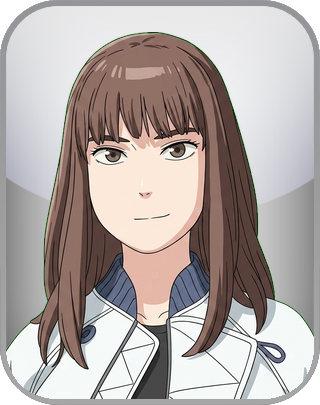
Why Use This Test?
1. Free. The Heavenly Delusion Test is provided free of charge and lets you compare your answers with characters in the series.
2. Everyday self-report. Everyday questions about identity, loyalty, and survival reveal whether you face a broken world with Maru's nerve, Kiruko's grit, or Tokio's curiosity.
3. For entertainment and reflection. The result is meant for fan comparison and self-reflection, not diagnosis or formal assessment.