English
  Español
  Português
  Deutsch
  Français
  Italiano
  Polski
  Română
  Українська
  Русский
  Türkçe
  العربية
  日本語
日本語  한국어
한국어  ไทย
ไทย  汉语
汉语  हिन्दी
  Bahasa
Academically reviewed by Dr. Sabina Alispahić, Ph.D., professor of psychology.
Ishihara Color Blindness Test
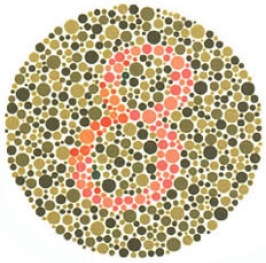
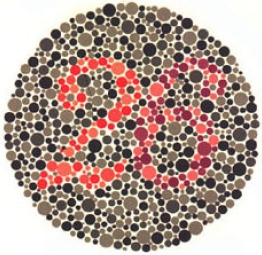
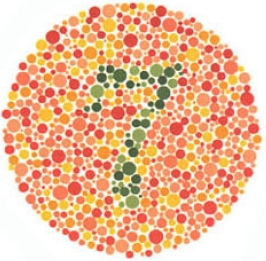
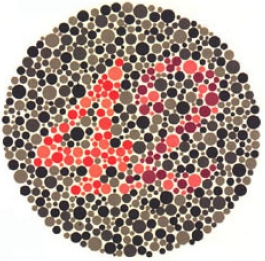
The Ishihara Color Blindness Test is a widely used, scientifically developed screening tool for detecting red-green color vision deficiencies. Developed by Dr. Shinobu Ishihara in 1917, it consists of plates displaying numbers or patterns made of colored dots. The test evaluates an individual’s ability to distinguish colors in a way that reflects everyday visual challenges. Psychometric studies demonstrate its reliability and accuracy, making it a trusted instrument in clinical, educational, and occupational contexts. Its evidence-based design allows accurate detection of different types and severities of red-green color deficiencies.
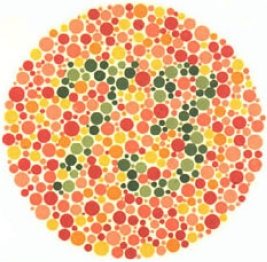
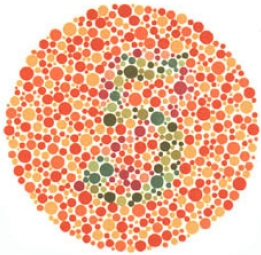
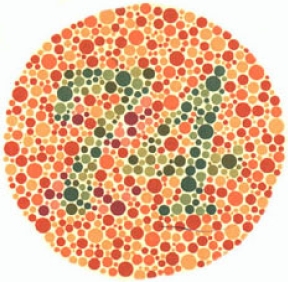
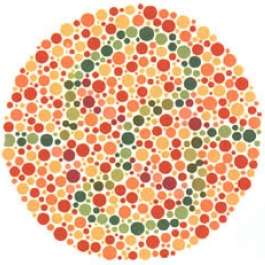
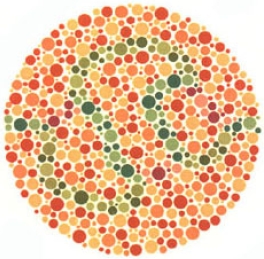
What is your vision like? For each of the following plates, indicate your answer below.
Question 1 of 38
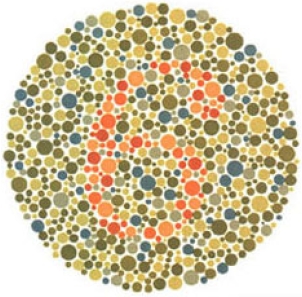
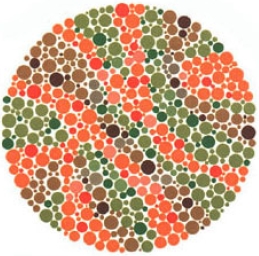
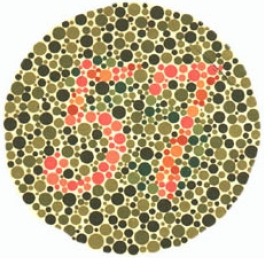
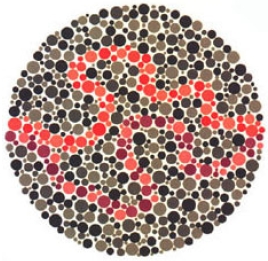
Indicate the number you see. Leave the box blank if you don’t see a number:
NEXT
The Ishihara Color Blindness Test is a widely recognized and practical diagnostic tool used to assess color vision, specifically targeting red-green deficiencies. Accurate color vision is essential for many everyday activities, from interpreting traffic signals and reading color-coded charts to performing professional tasks where color discrimination is critical for safety, such as electrical work, aviation, and medical diagnostics. The Ishihara test provides a straightforward method for detecting these deficiencies, helping practitioners identify and classify individuals with color vision impairments efficiently and reliably.
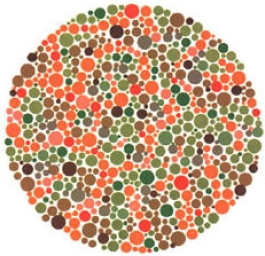
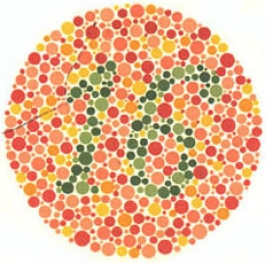
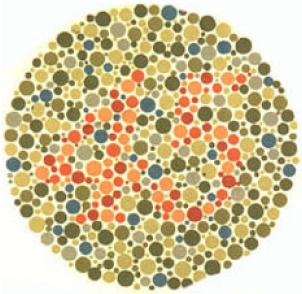
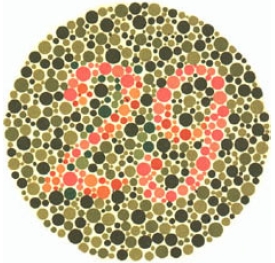
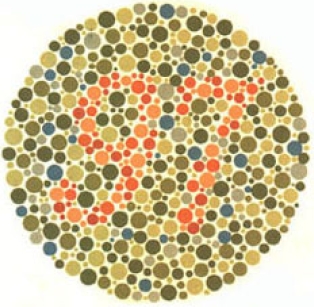
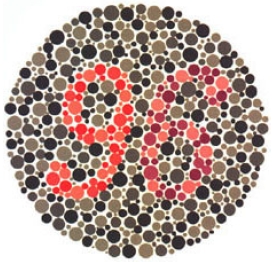
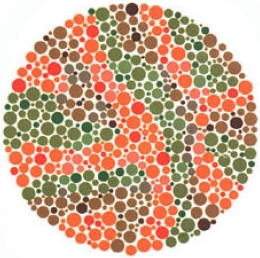
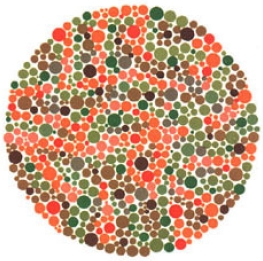
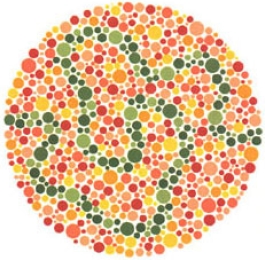
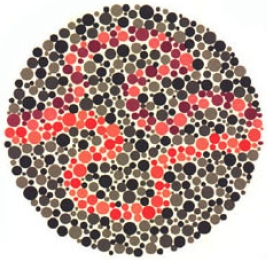
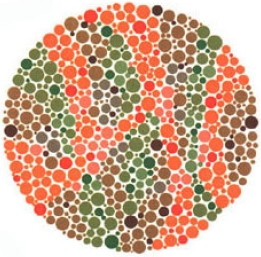
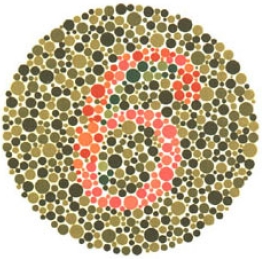
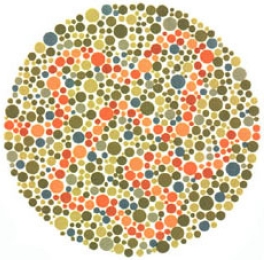
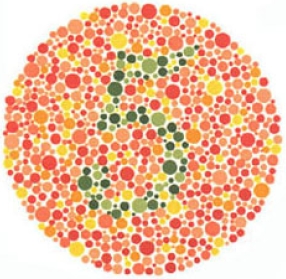
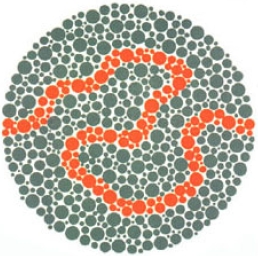
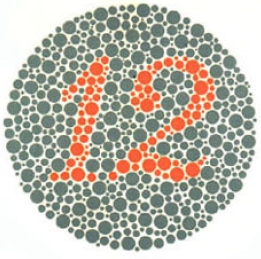
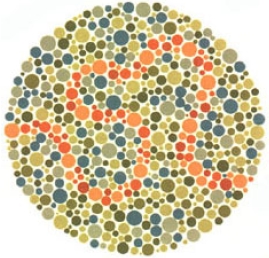
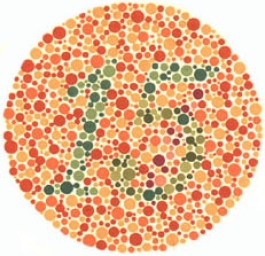
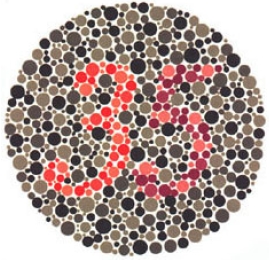
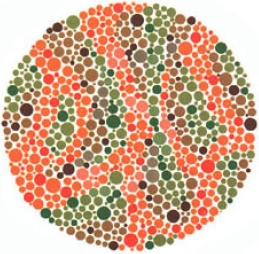
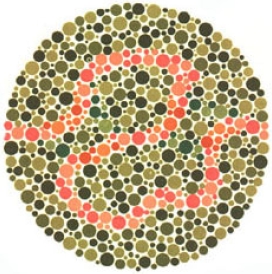
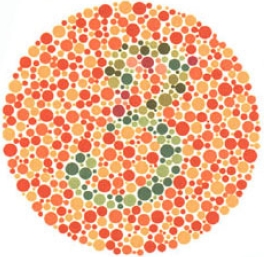
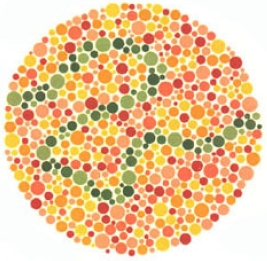
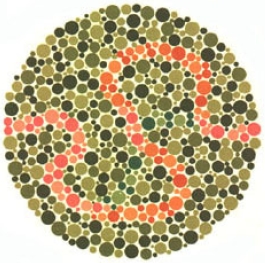
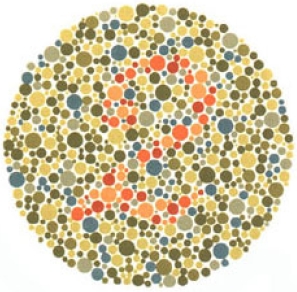
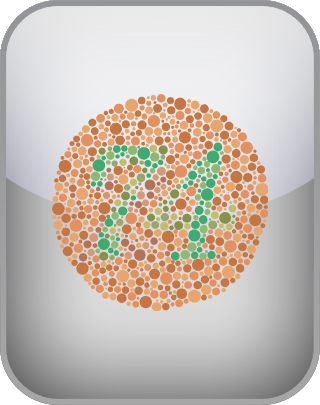
The test consists of plates filled with colored dots arranged to form numbers or paths. Individuals with normal color vision can typically distinguish these figures easily, whereas those with red-green color deficiencies may see different numbers, distorted patterns, or may fail to detect the figures altogether. This design allows clinicians to determine both the presence and the type of color vision deficiency, specifically whether it is protan (red) or deutan (green) in nature. The test also helps estimate the severity of the deficiency, which can range from mild to severe, depending on the number and type of plates misidentified.
The Ishihara test is grounded in careful colorimetric design. The colors are selected to ensure that variations in perception reflect genuine differences in visual processing rather than environmental factors such as lighting or display quality. This precision allows the test to provide an accurate assessment of an individual’s color discrimination abilities. Multiple plates are included to evaluate different aspects of red-green perception, creating a comprehensive profile that mirrors real-world challenges rather than solely laboratory-based measurements.
There are several versions of the Ishihara test to accommodate different needs. The standard 38-plate version is often used for thorough clinical assessments, providing detailed information about the type and severity of color vision deficiencies. Shorter versions, such as the 24-plate screening test, offer a faster method for preliminary evaluations. Research indicates that the Ishihara test demonstrates strong reliability and validity, with consistent results across diverse age groups and populations. The plates are carefully chosen to differentiate between mild, moderate, and severe deficiencies, ensuring the test is effective for both diagnostic and screening purposes.
Administration of the Ishihara test is simple and user-friendly. It is not timed, allowing individuals to respond at a comfortable pace without pressure, emphasizing accuracy over speed. Each plate is typically displayed for a few seconds, and scoring is straightforward: the total number of correctly identified plates determines whether a person has normal color vision, a mild deficiency, or a more severe impairment. Occupational or clinical cutoffs may vary depending on the context, such as aviation requirements or school screenings.
The Ishihara Color Blindness Test is highly adaptable, suitable for children, adults, and professionals in roles where accurate color perception is critical. Its utility spans medical screenings, educational assessments, occupational health evaluations, and research applications. By identifying color vision deficiencies early, the test can guide safety measures, workplace accommodations, educational support, and further ophthalmologic evaluation when needed.
The Ishihara Color Blindness Test represents a scientifically grounded, reliable, and versatile tool for assessing red-green color vision. Its combination of empirical validation, ease of use, and real-world relevance has made it a cornerstone of color vision assessment worldwide, supporting clinical, educational, and occupational needs while helping individuals understand and manage their color perception abilities.
References
- Ishihara, S. (1917). Tests for Colour-Blindness. Tokyo: Hongo Harukicho. Cole, B. L. (2007). Assessment of color vision deficiency: the Ishihara test. Clinical and Experimental Optometry, 90(6), 443–455. https://doi.org/10.1111/j.1444-0938.2007.00192.x Birch, J. (2012). Diagnosis of Colour Vision Deficiency. London: Springer.
Why Use This Test?
The Ishihara Color Blindness Test provides a reliable, evidence-based assessment of red-green color vision deficiencies. Unlike complex laboratory-based measures, it captures real-world color discrimination challenges, allowing clinicians, educators, and employers to identify deficiencies that may impact safety, learning, or daily functioning. By pinpointing the type and severity of deficiency, it guides accommodations, interventions, and occupational suitability assessments.