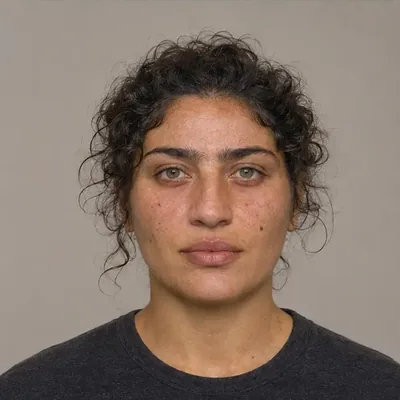
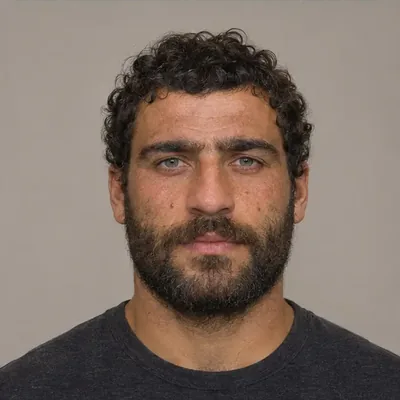
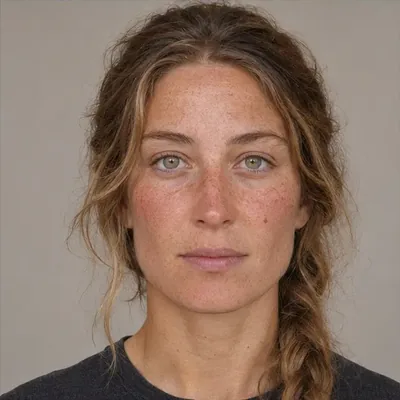
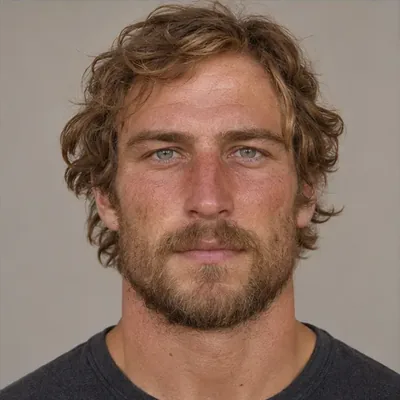
← Take the attraction test

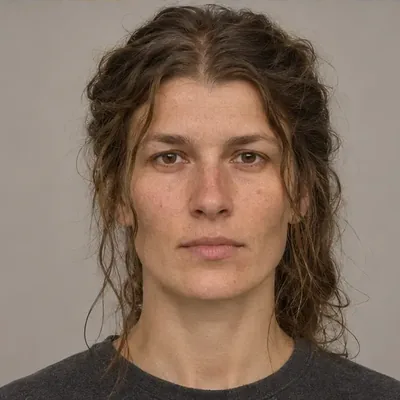
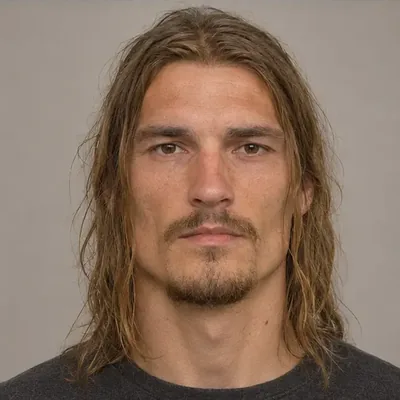
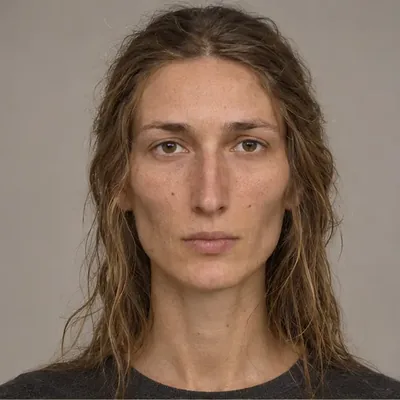
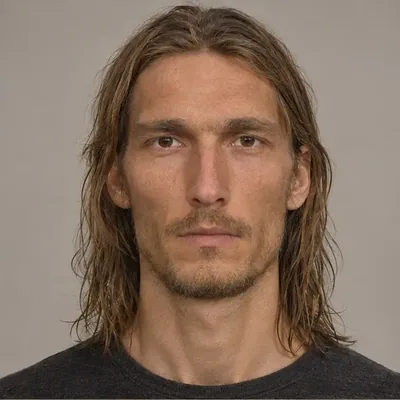
Every group and its portraits: A

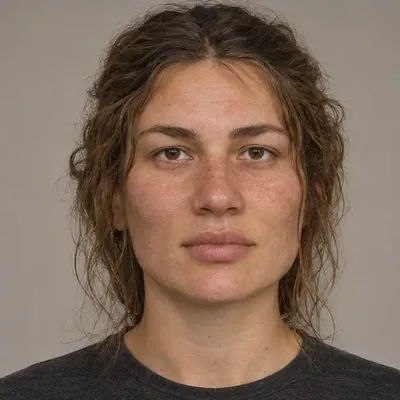
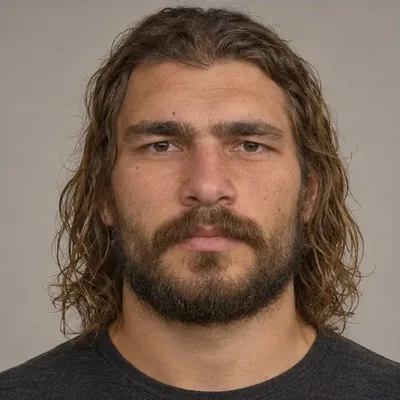
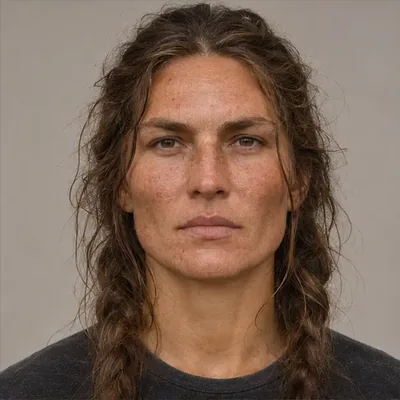
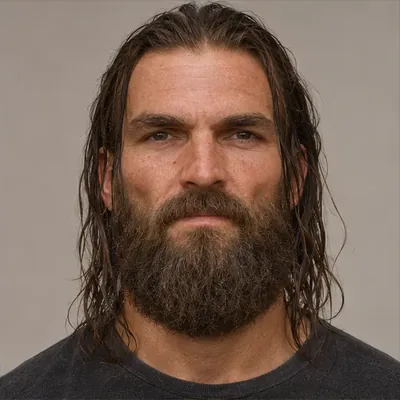
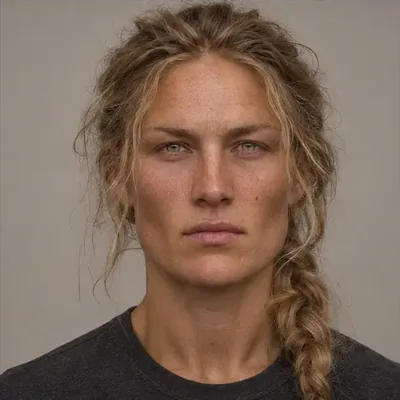
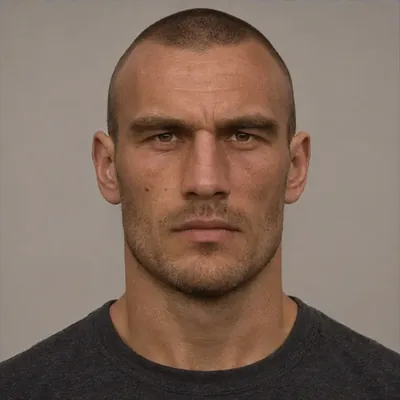
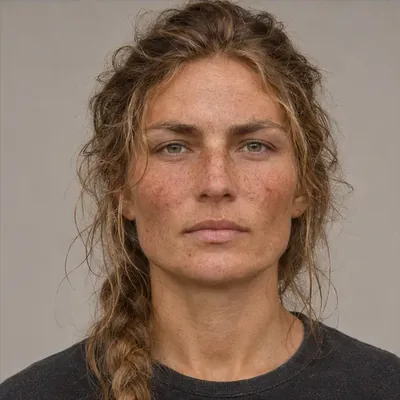
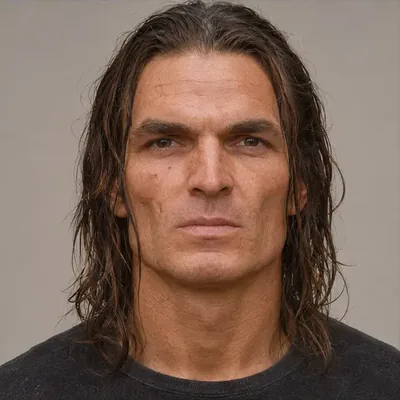
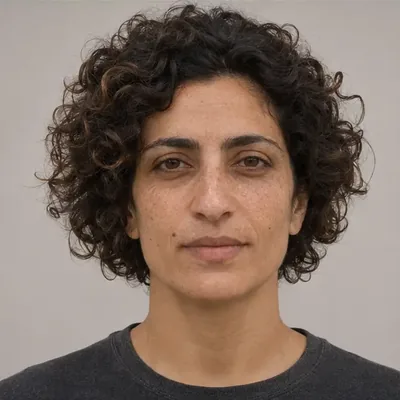
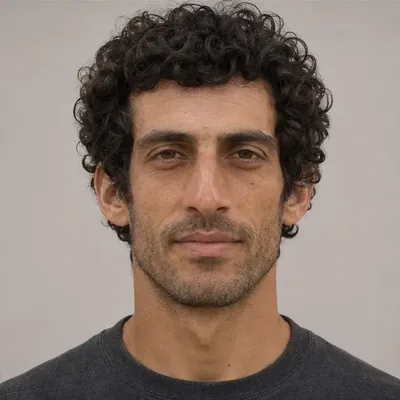
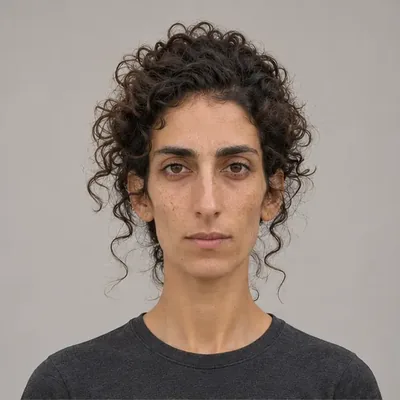
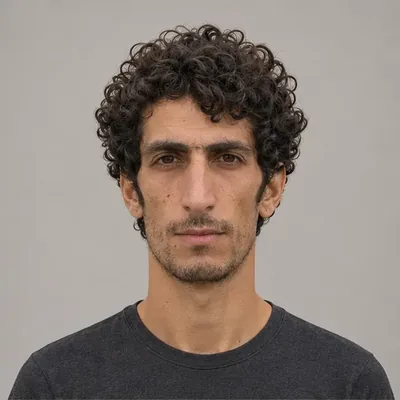
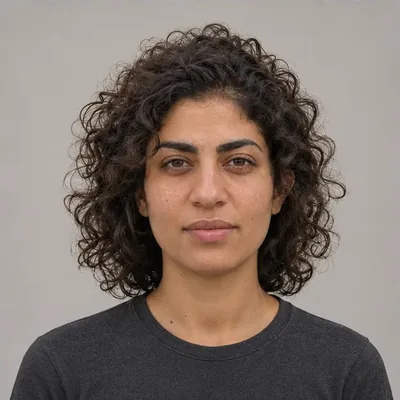
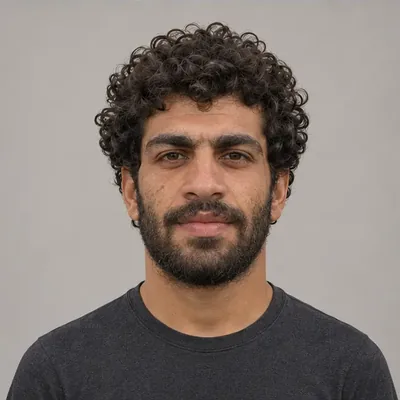
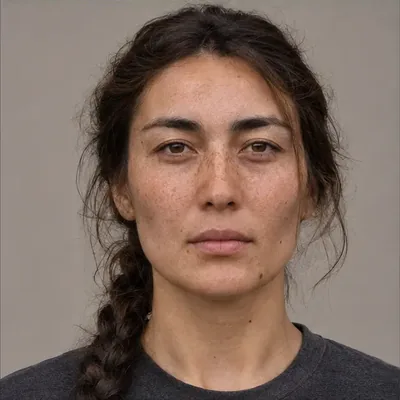
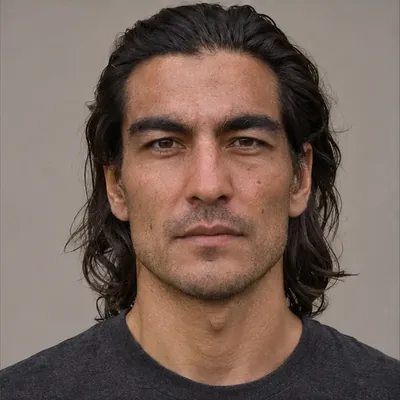
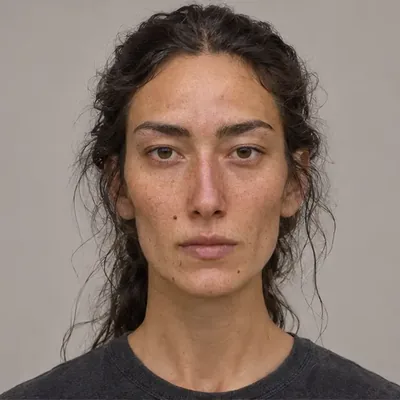
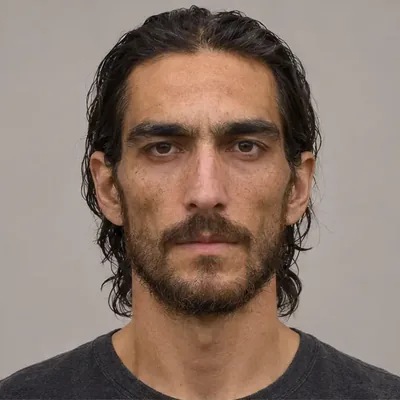
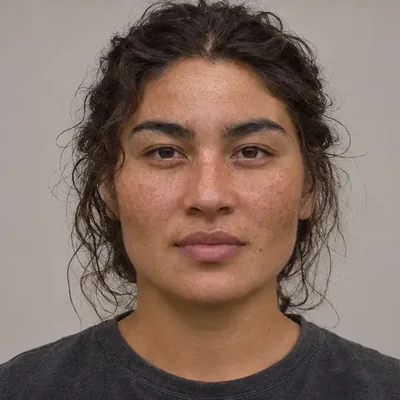
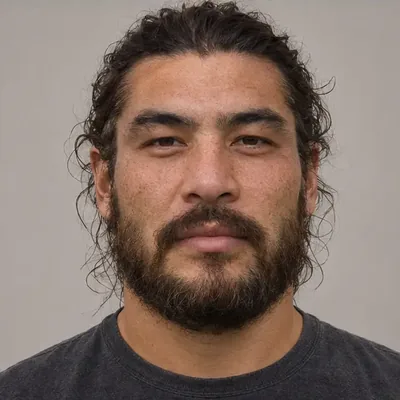
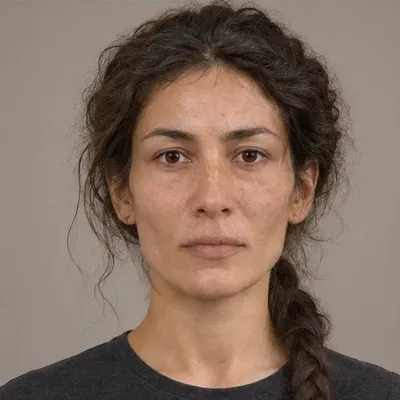
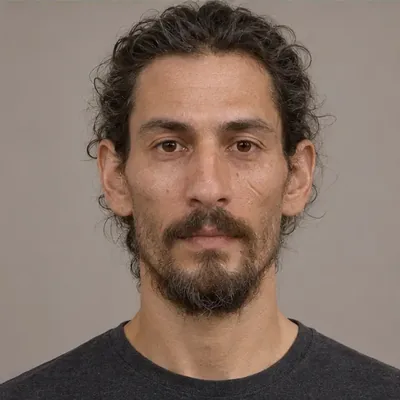
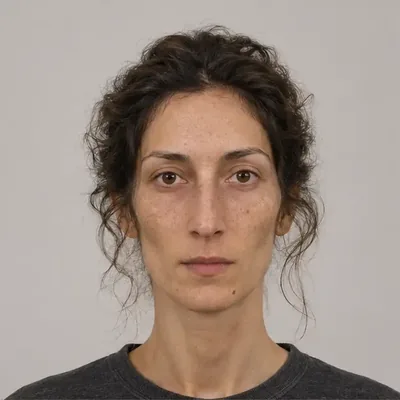
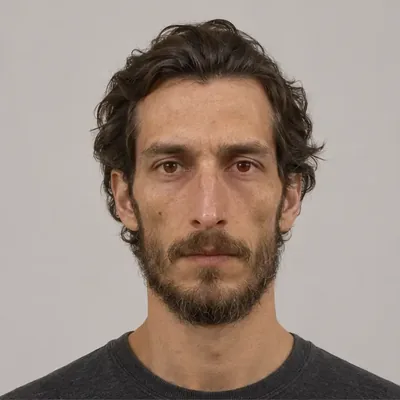
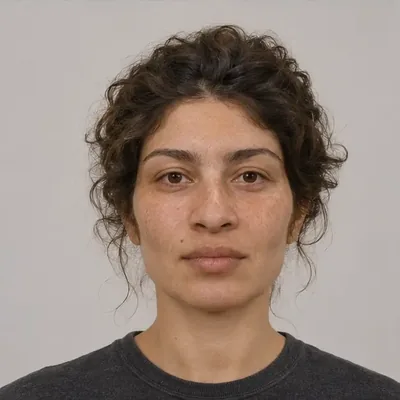
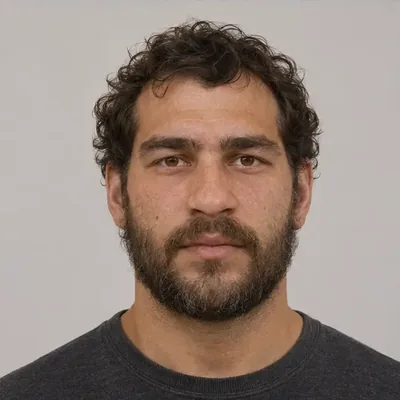
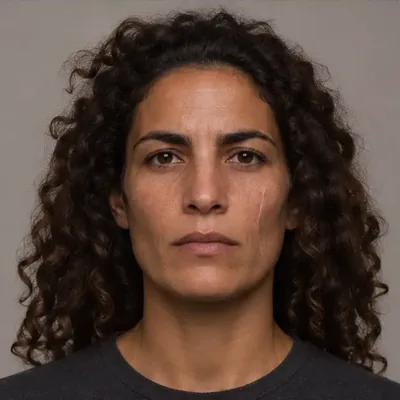
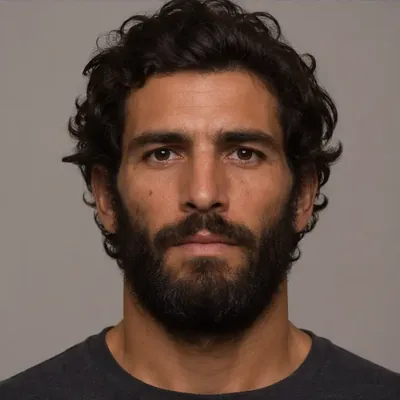
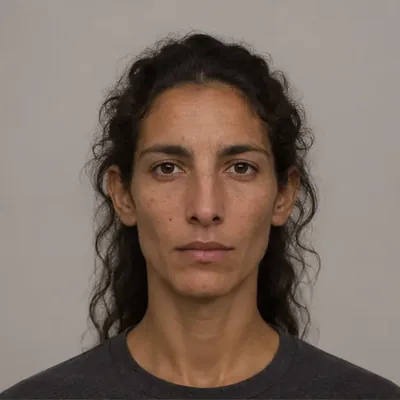
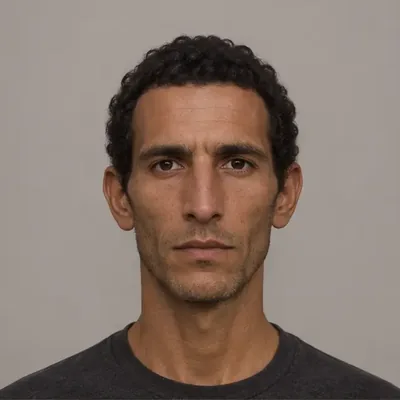
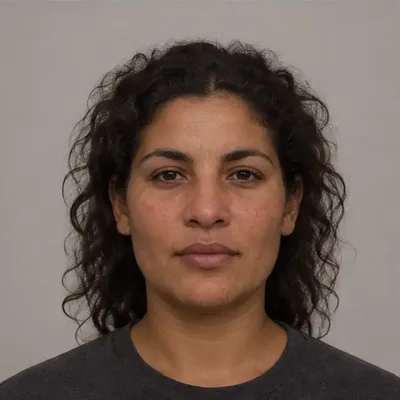
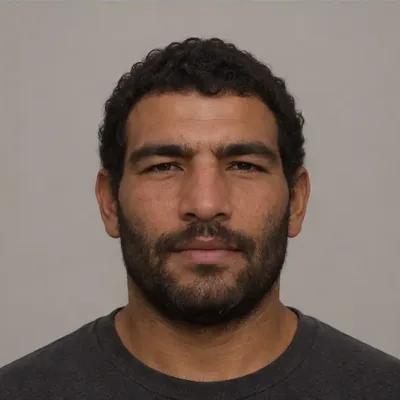
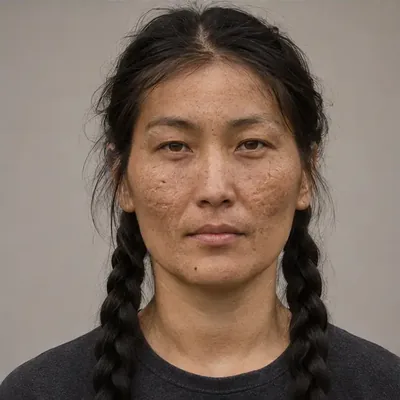
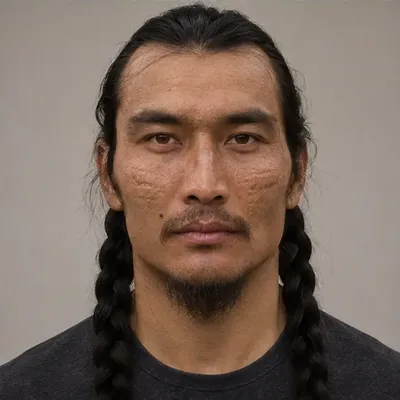
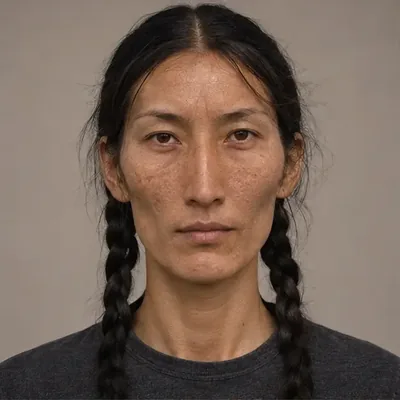
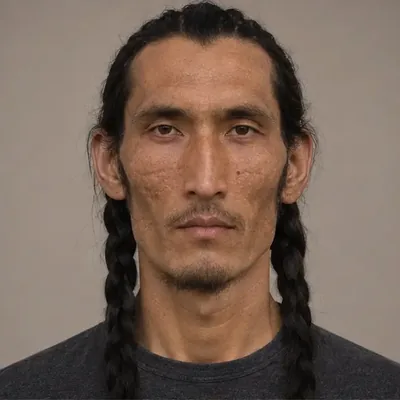
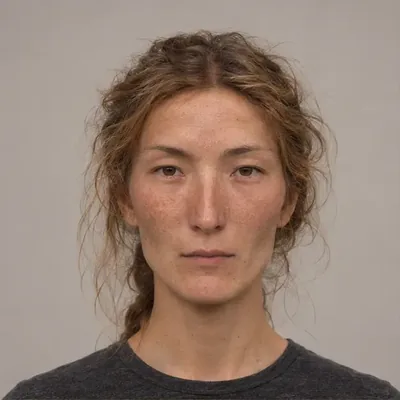
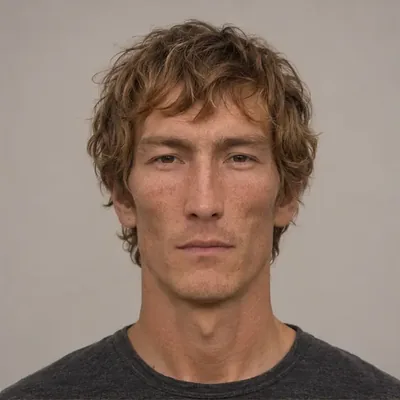
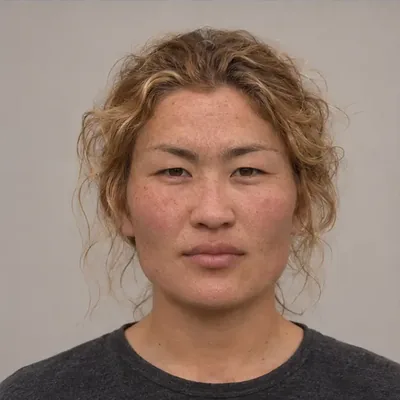
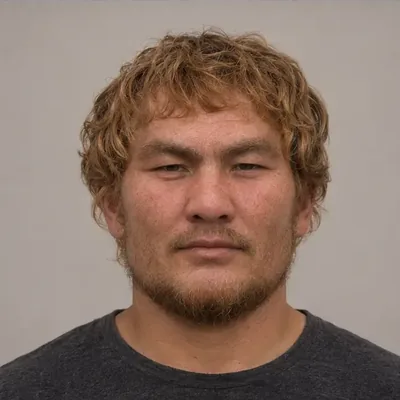
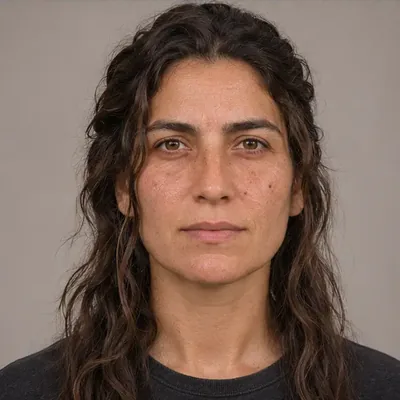
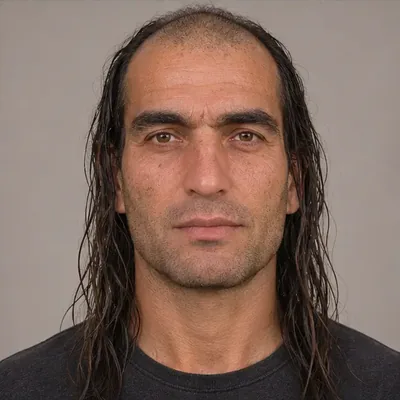
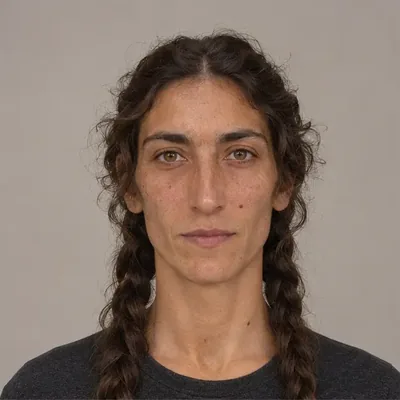
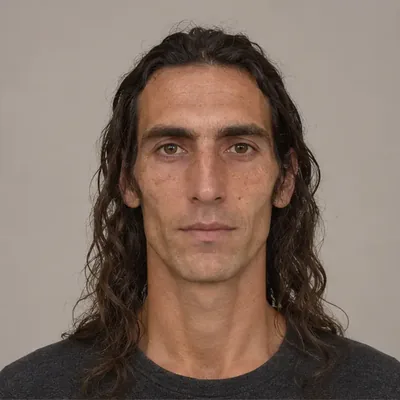
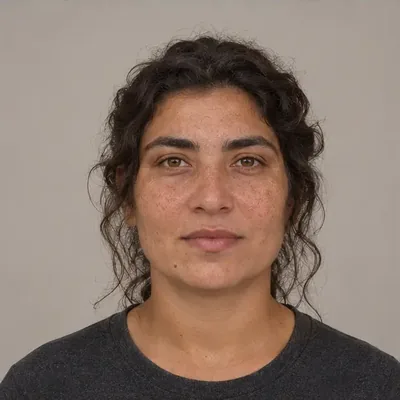
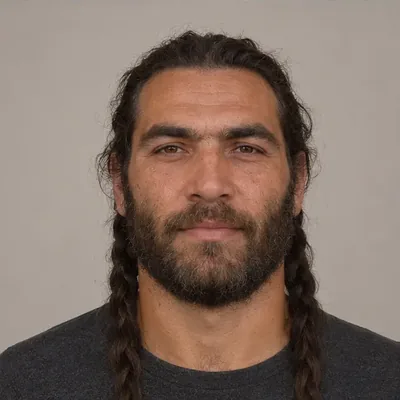
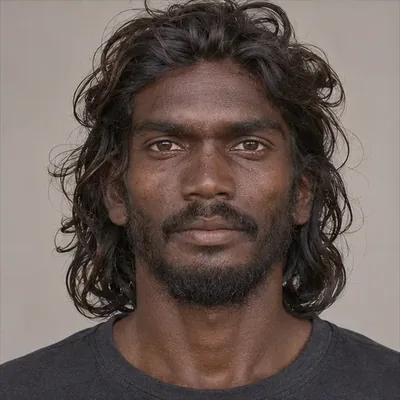
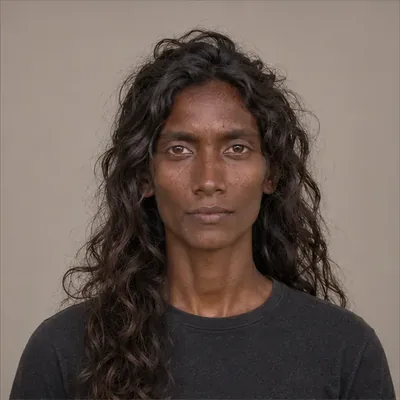
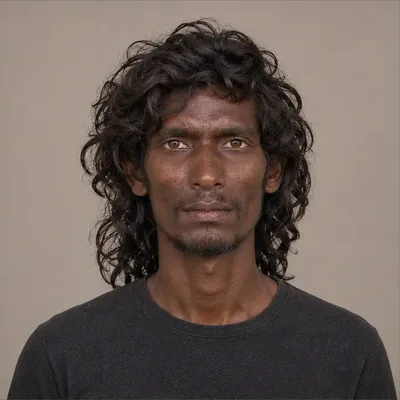
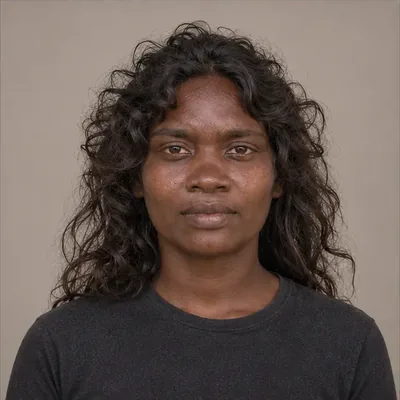
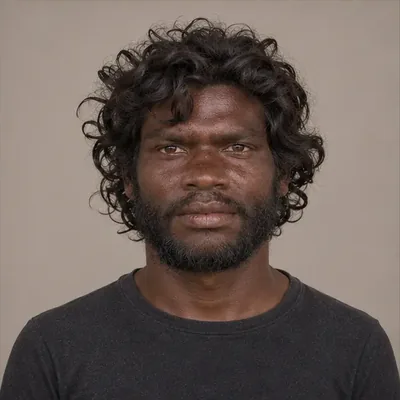
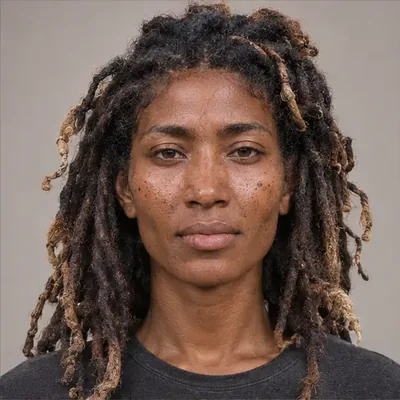
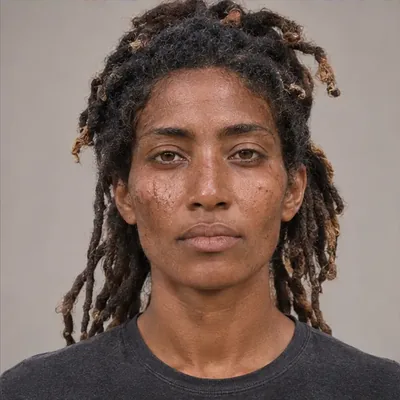
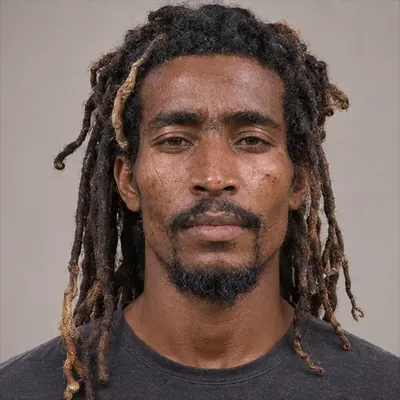
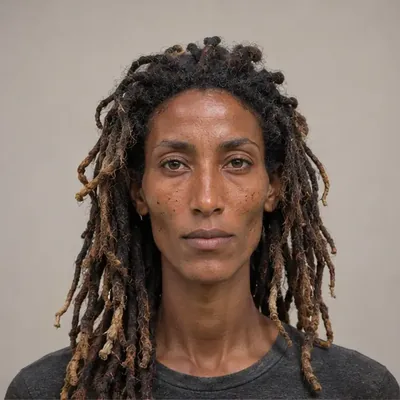
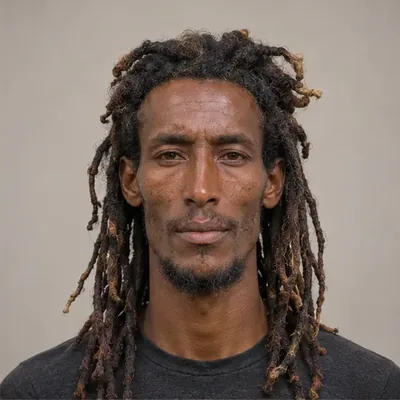
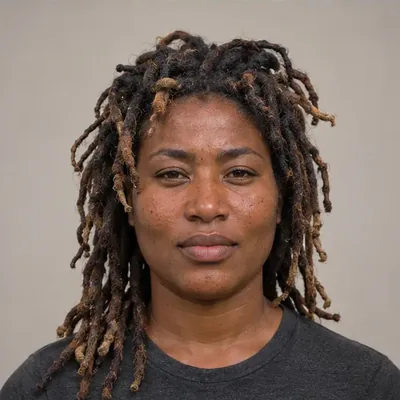
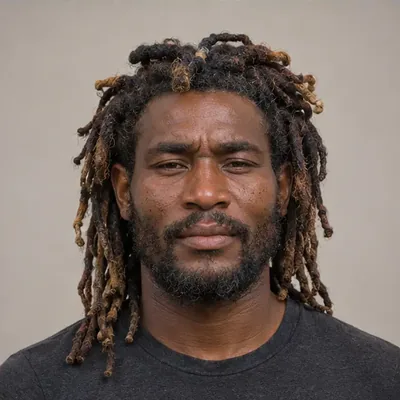
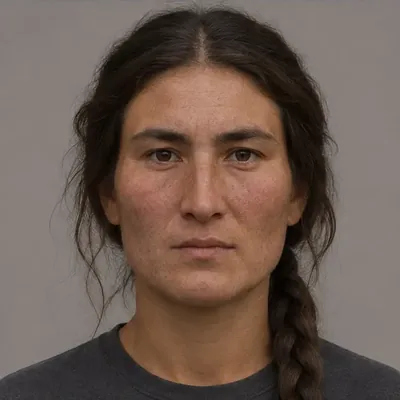
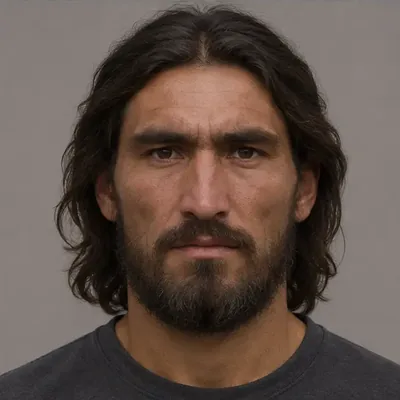
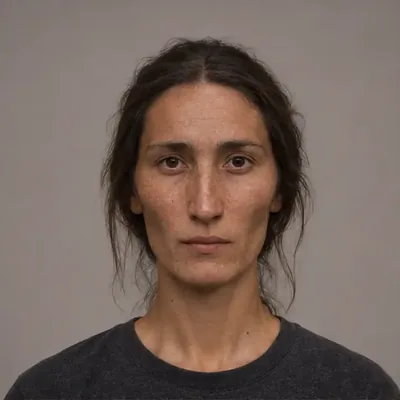
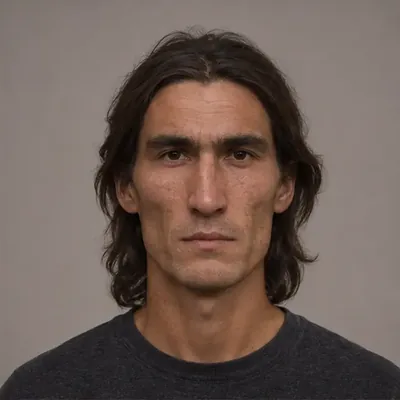
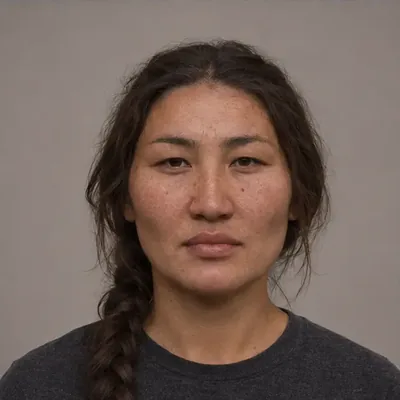
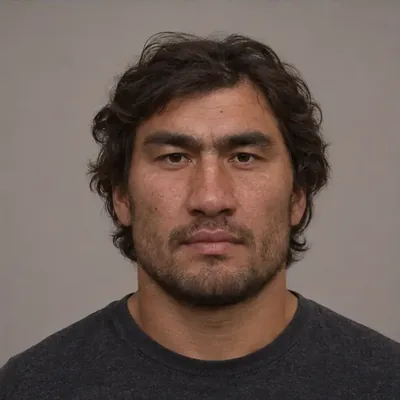
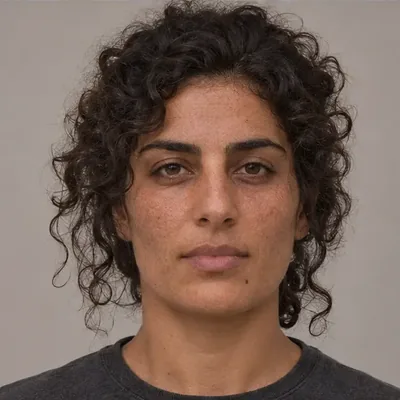
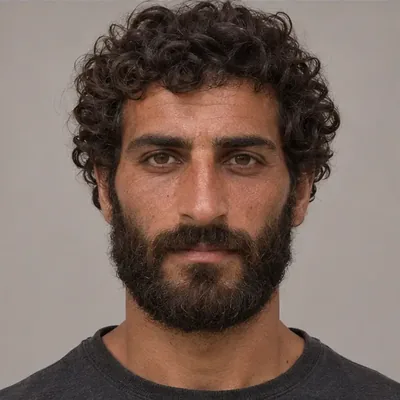
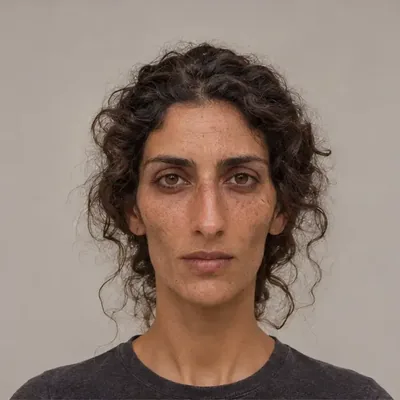
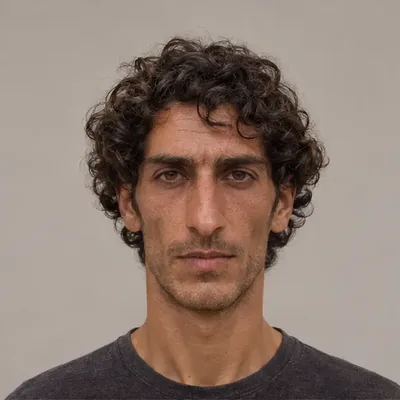
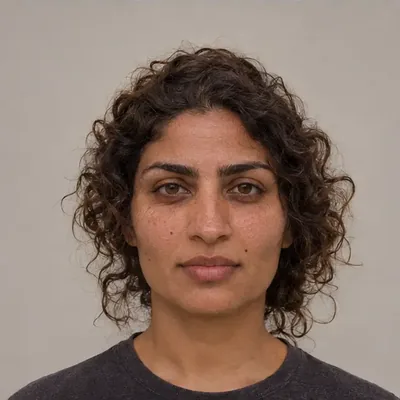
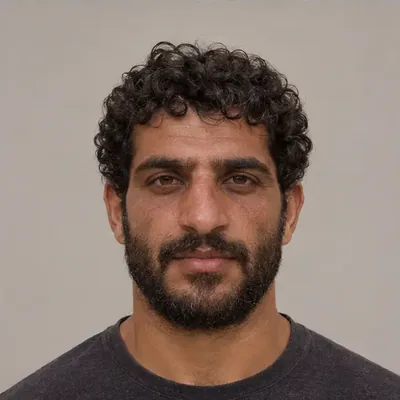
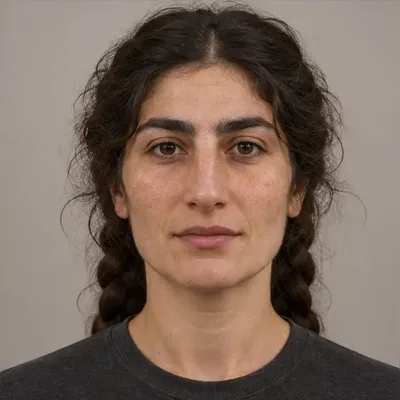
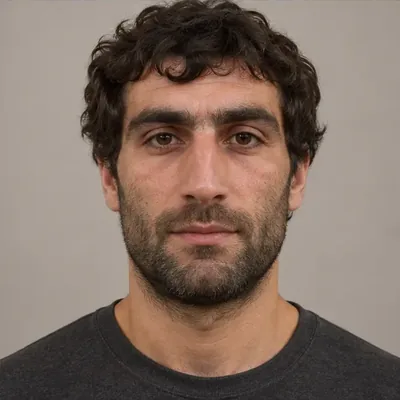
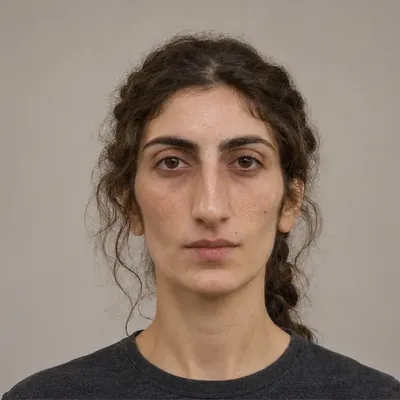
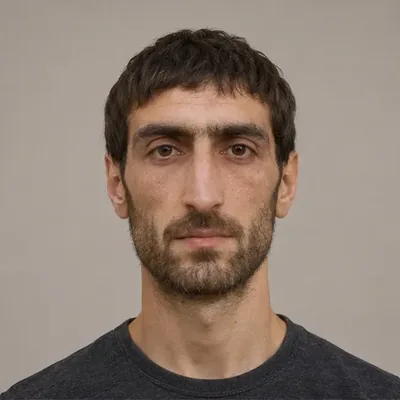
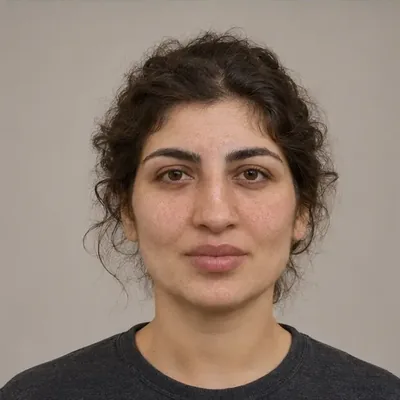
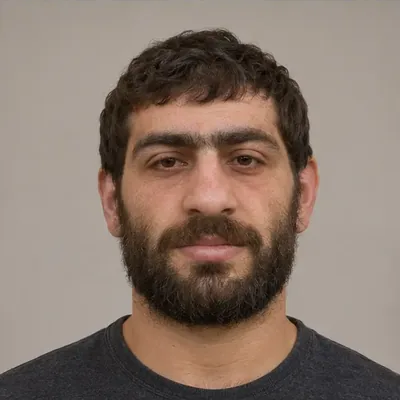
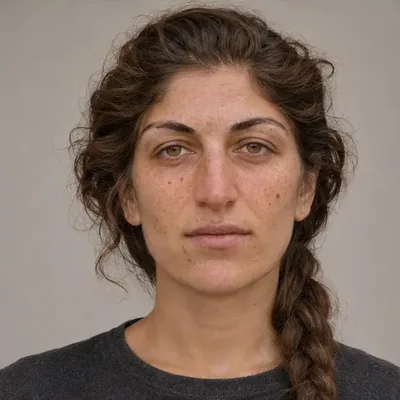
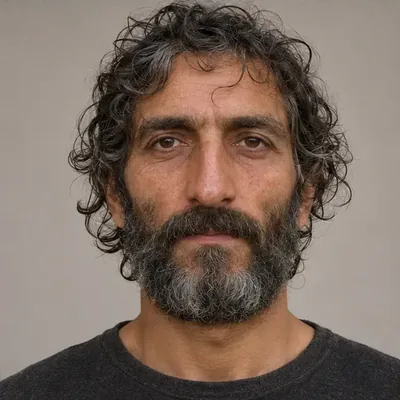
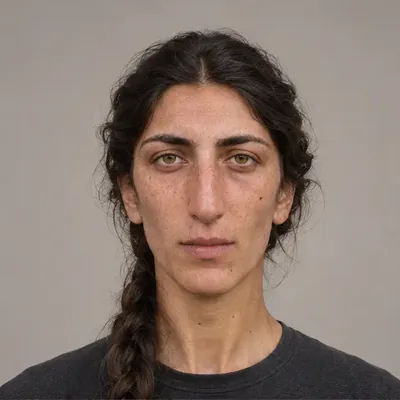
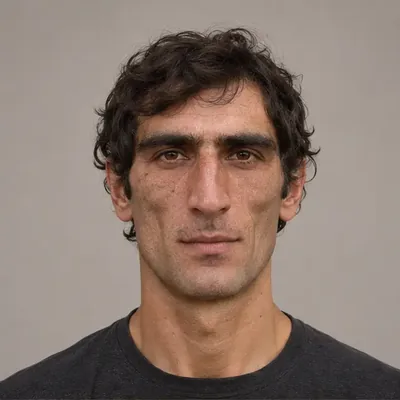
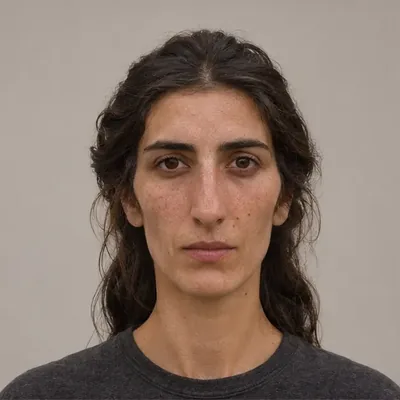
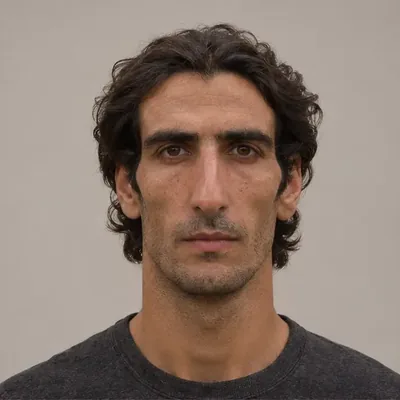
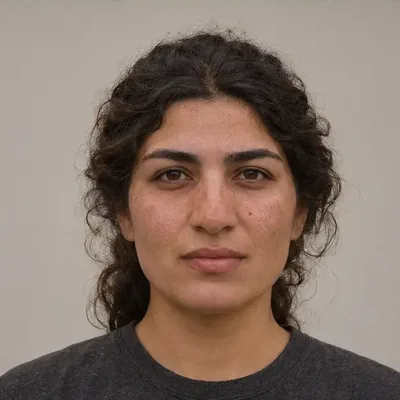
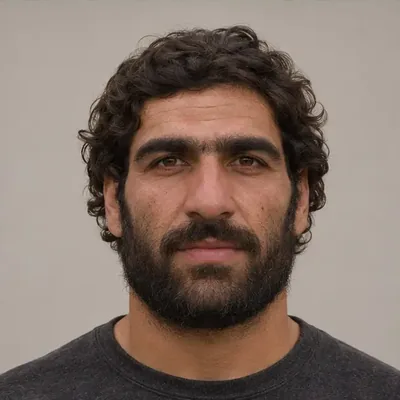
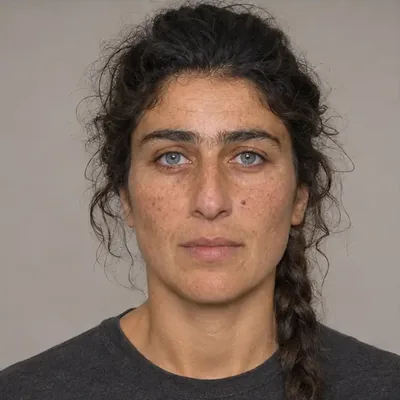
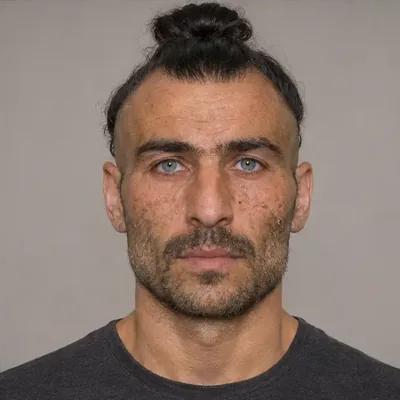
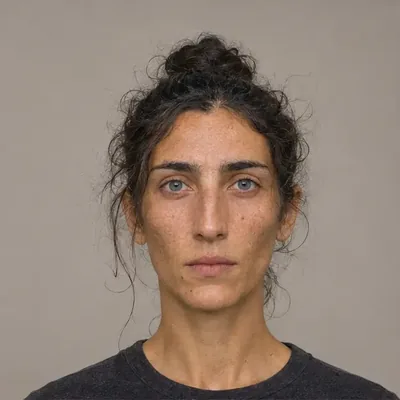
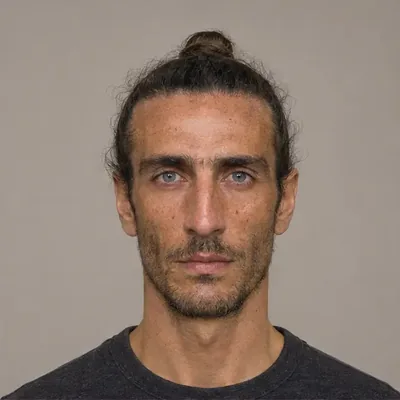
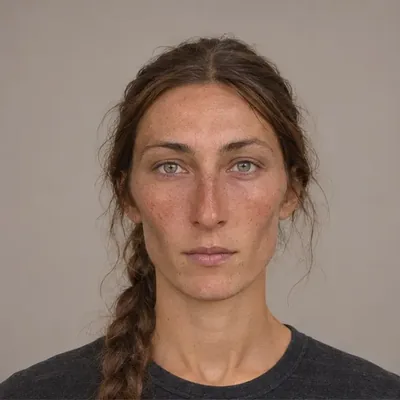
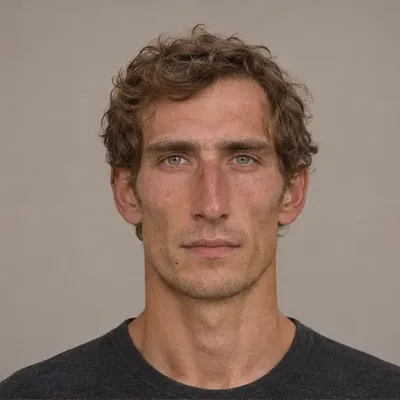
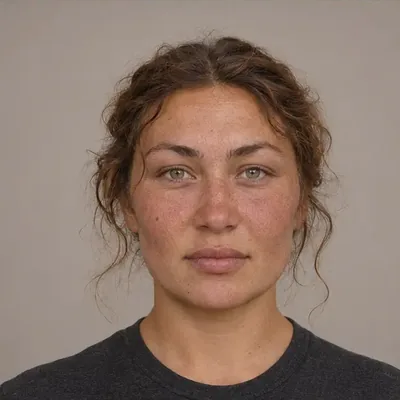
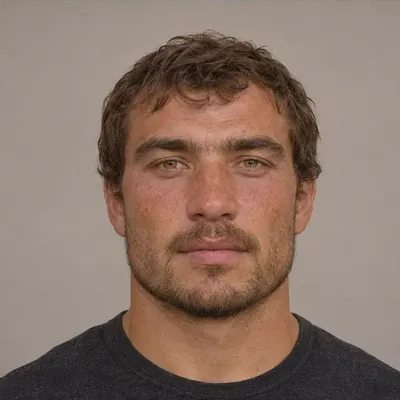
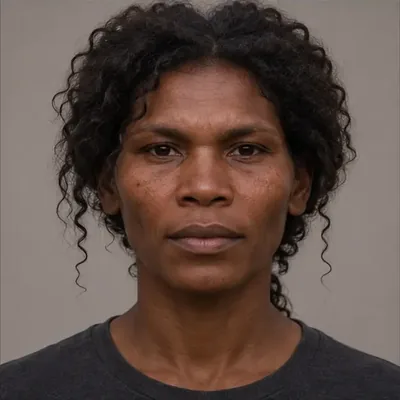
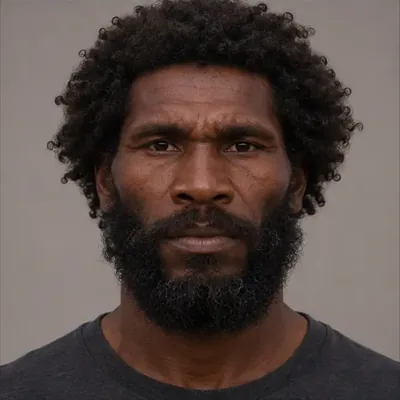
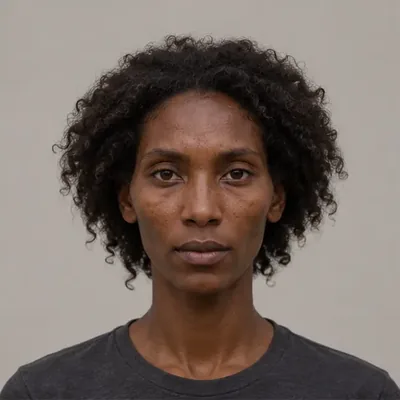
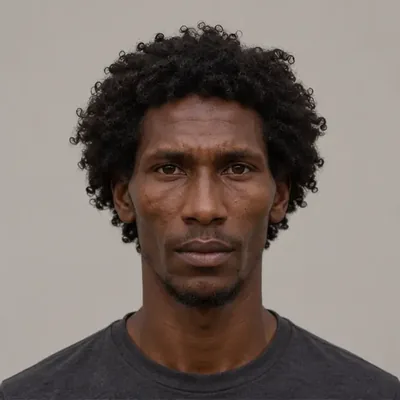
The 165 groups of the test, each with its eight fictional portraits: four women and four men. Everyone shows the first two of each; Women and Men show all four of one. This page: the 19 groups under A.

Abashevo culture

A Bronze Age culture of the forest-steppe around the middle Volga and southern Urals, known for metalworking, livestock herding and burial mounds.
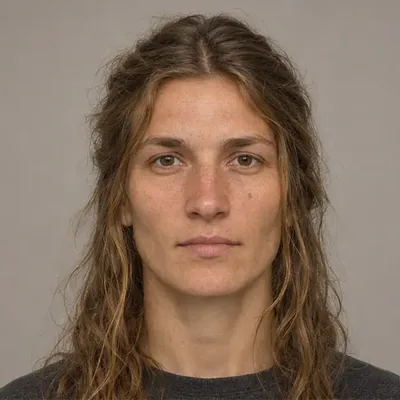

Woman 1, Abashevo culture
Woman 1
Man 1, Abashevo culture
Man 1
Woman 2, Abashevo culture
Woman 2
Man 2, Abashevo culture
Man 2
Woman 3, Abashevo culture
Woman 3
Man 3, Abashevo culture
Man 3
Woman 4, Abashevo culture
Woman 4
Man 4, Abashevo culture
Man 4

Portraits drawn from the catalog reconstructions: Krasikovsky I, 3/1.

Afanasievo or Yamnaya cultures

Afanasievo was a Bronze Age pastoralist culture of the Altai and neighbouring parts of Inner Asia, related to the Yamnaya culture of the western Eurasian steppe.
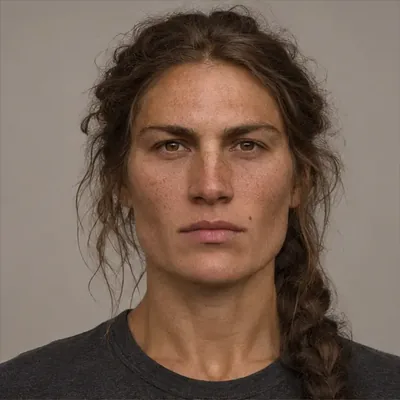
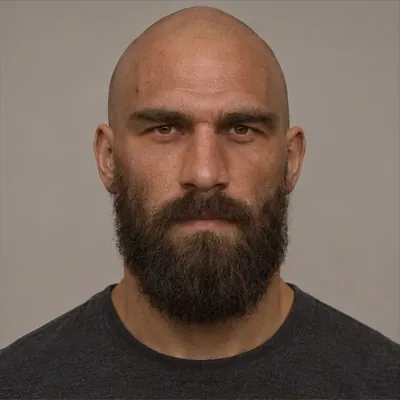
Woman 1, Afanasievo or Yamnaya cultures
Woman 1
Man 1, Afanasievo or Yamnaya cultures
Man 1
Woman 2, Afanasievo or Yamnaya cultures
Woman 2
Man 2, Afanasievo or Yamnaya cultures
Man 2
Woman 3, Afanasievo or Yamnaya cultures
Woman 3
Man 3, Afanasievo or Yamnaya cultures
Man 3
Woman 4, Afanasievo or Yamnaya cultures
Woman 4
Man 4, Afanasievo or Yamnaya cultures
Man 4

Portraits drawn from the catalog reconstructions: Afanasievo, Afanasievo culture.

Afro-Abkhazian community

A historical community of African descent in Abkhazia on the eastern Black Sea coast. This category uses Khwit Sabekia as its reference.
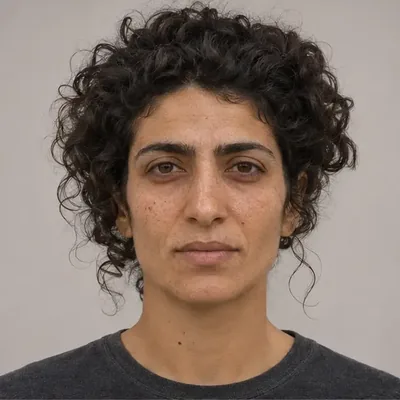
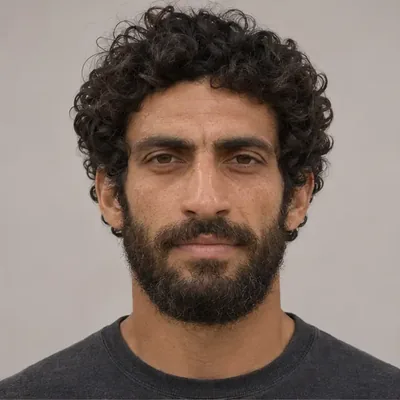
Woman 1, Afro-Abkhazian community
Woman 1
Man 1, Afro-Abkhazian community
Man 1
Woman 2, Afro-Abkhazian community
Woman 2
Man 2, Afro-Abkhazian community
Man 2
Woman 3, Afro-Abkhazian community
Woman 3
Man 3, Afro-Abkhazian community
Man 3
Woman 4, Afro-Abkhazian community
Woman 4
Man 4, Afro-Abkhazian community
Man 4

Portraits drawn from the catalog reconstructions: Khwit Sabekia.

Aigyrzhal, Bronze Age

Bronze Age people from the Aigyrzhal site near Naryn in Kyrgyzstan. This is a local archaeological and ancient-DNA reference group in the Tian Shan region.
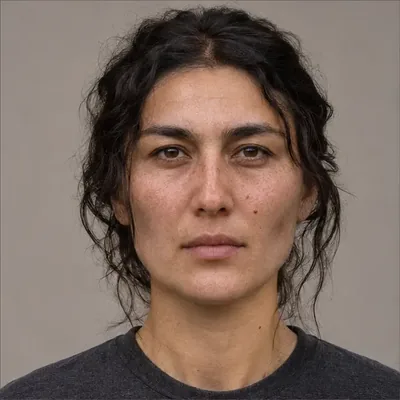
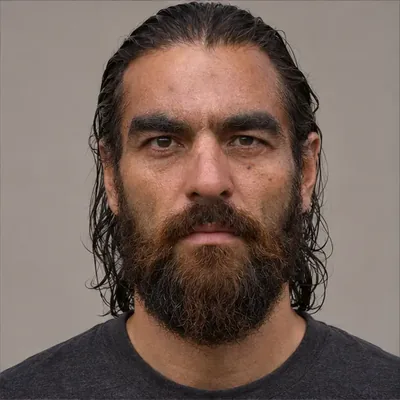
Woman 1, Aigyrzhal, Bronze Age
Woman 1
Man 1, Aigyrzhal, Bronze Age
Man 1
Woman 2, Aigyrzhal, Bronze Age
Woman 2
Man 2, Aigyrzhal, Bronze Age
Man 2
Woman 3, Aigyrzhal, Bronze Age
Woman 3
Man 3, Aigyrzhal, Bronze Age
Man 3
Woman 4, Aigyrzhal, Bronze Age
Woman 4
Man 4, Aigyrzhal, Bronze Age
Man 4

Portraits drawn from the catalog reconstructions: Naryn.

Alans of the Caucasus

Medieval communities of the Caucasus associated with the Alans, an Iranian-speaking people with roots in the wider Sarmatian world. The label is historical and regional.
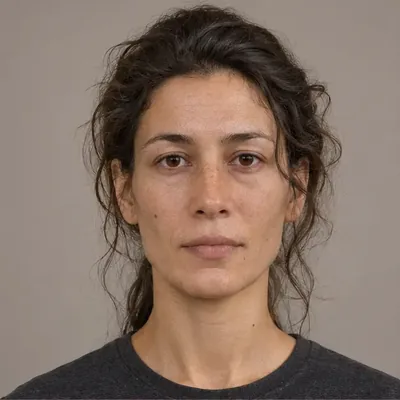
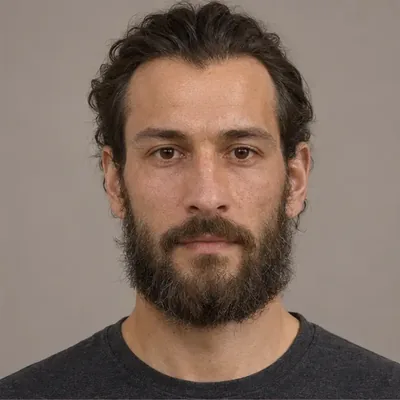
Woman 1, Alans of the Caucasus
Woman 1
Man 1, Alans of the Caucasus
Man 1
Woman 2, Alans of the Caucasus
Woman 2
Man 2, Alans of the Caucasus
Man 2
Woman 3, Alans of the Caucasus
Woman 3
Man 3, Alans of the Caucasus
Man 3
Woman 4, Alans of the Caucasus
Woman 4
Man 4, Alans of the Caucasus
Man 4

Portraits drawn from the catalog reconstructions: Alan.

Amazigh (Berber) peoples

Indigenous peoples of North Africa associated with Amazigh languages. The catalog uses a Guanche reconstruction from the Canary Islands as its reference; this broad label is not a single ancient population.
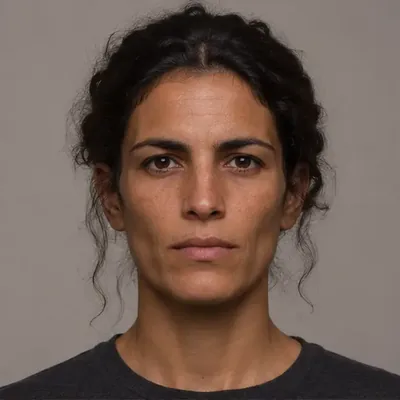
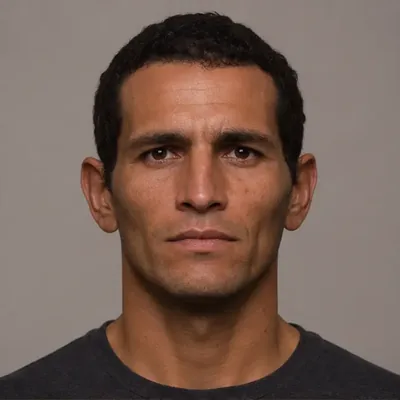
Woman 1, Amazigh (Berber) peoples
Woman 1
Man 1, Amazigh (Berber) peoples
Man 1
Woman 2, Amazigh (Berber) peoples
Woman 2
Man 2, Amazigh (Berber) peoples
Man 2
Woman 3, Amazigh (Berber) peoples
Woman 3
Man 3, Amazigh (Berber) peoples
Man 3
Woman 4, Amazigh (Berber) peoples
Woman 4
Man 4, Amazigh (Berber) peoples
Man 4

Portraits drawn from the catalog reconstructions: Guanche.

Amur River, Slab Grave and Scythian affinities (tentative)

A proposed composite label linking the Amur region of northeast Asia, Mongolia's Slab Grave tradition and Iron Age steppe groups called Scythian. The reference is a Kokel-period reconstruction.

The question mark flags the proposed combination as tentative; the plus signs do not provide measured ancestry proportions.
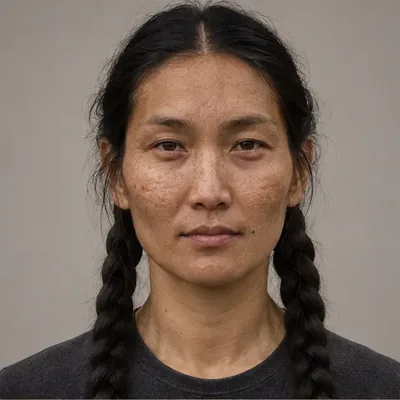
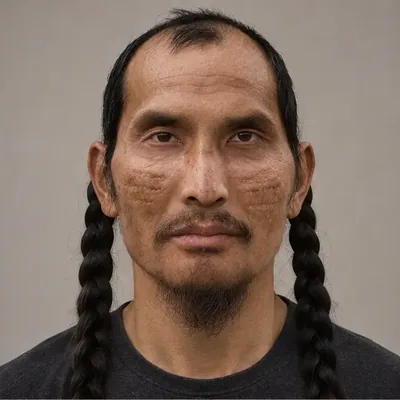
Woman 1, Amur River, Slab Grave and Scythian affinities (tentative)
Woman 1
Man 1, Amur River, Slab Grave and Scythian affinities (tentative)
Man 1
Woman 2, Amur River, Slab Grave and Scythian affinities (tentative)
Woman 2
Man 2, Amur River, Slab Grave and Scythian affinities (tentative)
Man 2
Woman 3, Amur River, Slab Grave and Scythian affinities (tentative)
Woman 3
Man 3, Amur River, Slab Grave and Scythian affinities (tentative)
Man 3
Woman 4, Amur River, Slab Grave and Scythian affinities (tentative)
Woman 4
Man 4, Amur River, Slab Grave and Scythian affinities (tentative)
Man 4

Portraits drawn from the catalog reconstructions: Kokel Hun.

Ananyino: Middle–Late Bronze Age steppe and Late Neolithic–Bronze Age Yakutia affinities

Ananyino is an Iron Age archaeological tradition of the Volga-Kama region. The compound catalog label proposes links to earlier steppe and northeastern Siberian ancestry profiles, rather than naming a single culture.
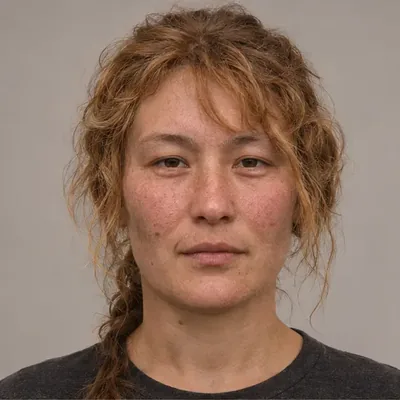
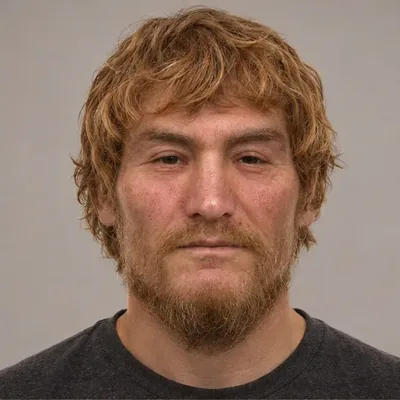
Woman 1, Ananyino: Middle–Late Bronze Age steppe and Late Neolithic–Bronze Age Yakutia affinities
Woman 1
Man 1, Ananyino: Middle–Late Bronze Age steppe and Late Neolithic–Bronze Age Yakutia affinities
Man 1
Woman 2, Ananyino: Middle–Late Bronze Age steppe and Late Neolithic–Bronze Age Yakutia affinities
Woman 2
Man 2, Ananyino: Middle–Late Bronze Age steppe and Late Neolithic–Bronze Age Yakutia affinities
Man 2
Woman 3, Ananyino: Middle–Late Bronze Age steppe and Late Neolithic–Bronze Age Yakutia affinities
Woman 3
Man 3, Ananyino: Middle–Late Bronze Age steppe and Late Neolithic–Bronze Age Yakutia affinities
Man 3
Woman 4, Ananyino: Middle–Late Bronze Age steppe and Late Neolithic–Bronze Age Yakutia affinities
Woman 4
Man 4, Ananyino: Middle–Late Bronze Age steppe and Late Neolithic–Bronze Age Yakutia affinities
Man 4

Portraits drawn from the catalog reconstructions: Ananyino culture.

Anatolia, Bronze Age

Bronze Age people of Anatolia, the peninsula covering much of present-day Türkiye. These references come from İkiztepe near the Black Sea coast.
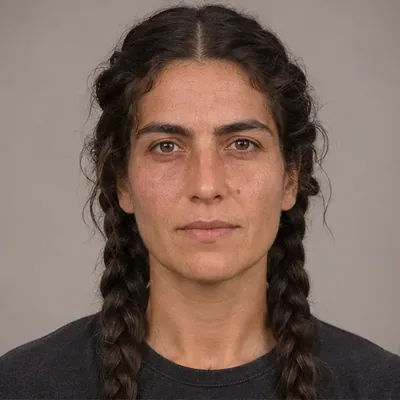
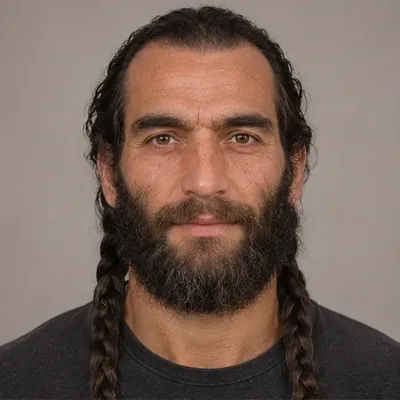
Woman 1, Anatolia, Bronze Age
Woman 1
Man 1, Anatolia, Bronze Age
Man 1
Woman 2, Anatolia, Bronze Age
Woman 2
Man 2, Anatolia, Bronze Age
Man 2
Woman 3, Anatolia, Bronze Age
Woman 3
Man 3, Anatolia, Bronze Age
Man 3
Woman 4, Anatolia, Bronze Age
Woman 4
Man 4, Anatolia, Bronze Age
Man 4

Portraits drawn from the catalog reconstructions: Ikiztepe Bronze Age, Ikiztepe BA.

Ancient Ancestral South Indian (AASI; tentative)

Ancient South Asian hunter-gatherer-related ancestry, distinct from the later Ancestral South Indian ancestry mixture. The catalog uses a Sarai Nahar Rai reconstruction as its visual reference.

The question mark makes the Sarai Nahar Rai assignment tentative; the supplied record does not establish it genetically.
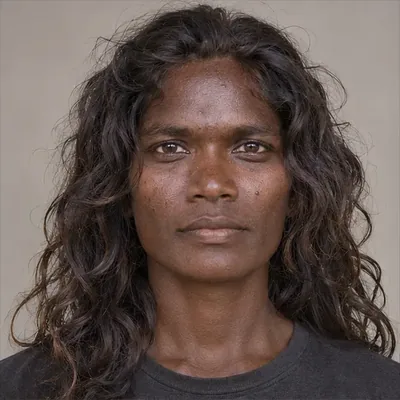
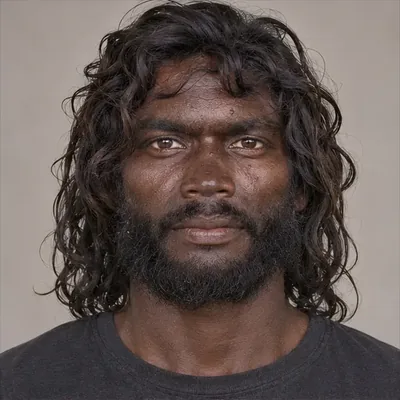
Woman 1, Ancient Ancestral South Indian (AASI; tentative)
Woman 1
Man 1, Ancient Ancestral South Indian (AASI; tentative)
Man 1
Woman 2, Ancient Ancestral South Indian (AASI; tentative)
Woman 2
Man 2, Ancient Ancestral South Indian (AASI; tentative)
Man 2
Woman 3, Ancient Ancestral South Indian (AASI; tentative)
Woman 3
Man 3, Ancient Ancestral South Indian (AASI; tentative)
Man 3
Woman 4, Ancient Ancestral South Indian (AASI; tentative)
Woman 4
Man 4, Ancient Ancestral South Indian (AASI; tentative)
Man 4

Portraits drawn from the catalog reconstructions: Sarai Nahar Rai.

Ancient North African (ANA; tentative)

Ancient North African, also called Ancestral North African, refers here to a deep North African ancestry lineage. The catalog uses Nazlet Khater as its visual reference.

The question mark makes the Nazlet Khater assignment tentative; the supplied record does not establish it genetically.
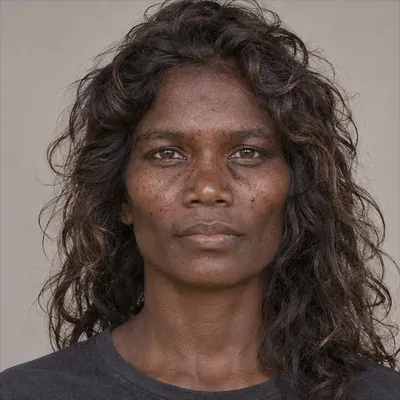
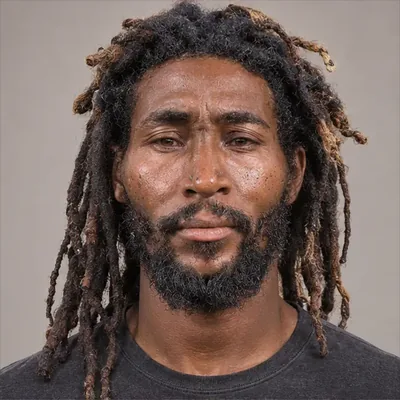
Woman 1, Ancient North African (ANA; tentative)
Woman 1
Man 1, Ancient North African (ANA; tentative)
Man 1
Woman 2, Ancient North African (ANA; tentative)
Woman 2
Man 2, Ancient North African (ANA; tentative)
Man 2
Woman 3, Ancient North African (ANA; tentative)
Woman 3
Man 3, Ancient North African (ANA; tentative)
Man 3
Woman 4, Ancient North African (ANA; tentative)
Woman 4
Man 4, Ancient North African (ANA; tentative)
Man 4

Portraits drawn from the catalog reconstructions: Nazlet Khater.

Andronovo or Chemurchek cultures (tentative)

Andronovo denotes Bronze Age pastoralist traditions across the Eurasian steppe; Chemurchek is a distinct Early Bronze Age tradition of the Altai and nearby regions. The reference is from the northern Tian Shan.

Both question marks flag alternative assignments; the catalog does not settle which culture best describes this reconstruction.
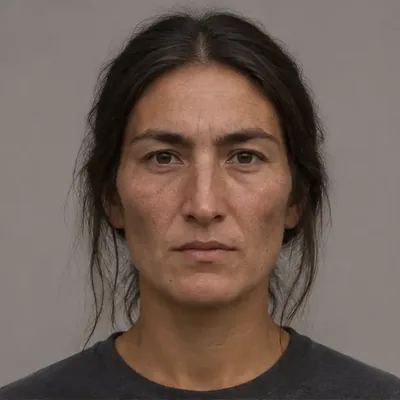
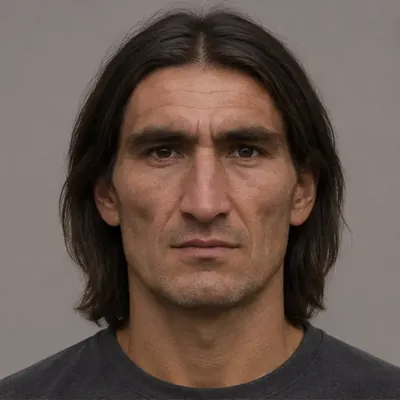
Woman 1, Andronovo or Chemurchek cultures (tentative)
Woman 1
Man 1, Andronovo or Chemurchek cultures (tentative)
Man 1
Woman 2, Andronovo or Chemurchek cultures (tentative)
Woman 2
Man 2, Andronovo or Chemurchek cultures (tentative)
Man 2
Woman 3, Andronovo or Chemurchek cultures (tentative)
Woman 3
Man 3, Andronovo or Chemurchek cultures (tentative)
Man 3
Woman 4, Andronovo or Chemurchek cultures (tentative)
Woman 4
Man 4, Andronovo or Chemurchek cultures (tentative)
Man 4

Portraits drawn from the catalog reconstructions: Tianshan North Road Cemetery.

Arabian Peninsula, Iron Age

An Iron Age reconstruction from Al-Ula in northwestern Arabia. The catalog's broad Arab label is historical and regional; a reconstruction alone cannot establish a person's language or ethnic identity.
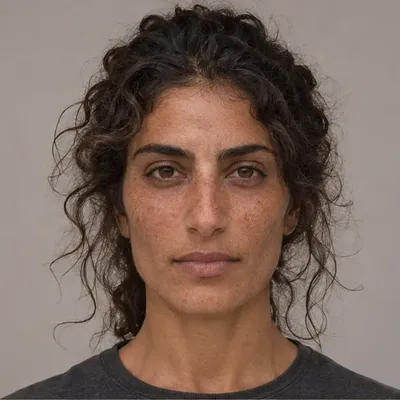
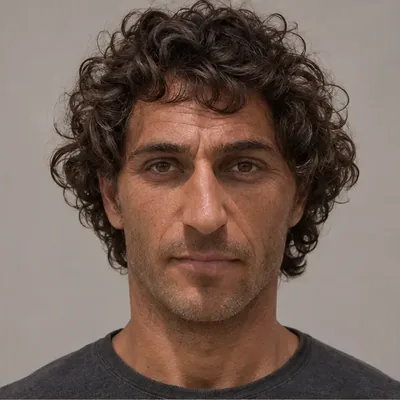
Woman 1, Arabian Peninsula, Iron Age
Woman 1
Man 1, Arabian Peninsula, Iron Age
Man 1
Woman 2, Arabian Peninsula, Iron Age
Woman 2
Man 2, Arabian Peninsula, Iron Age
Man 2
Woman 3, Arabian Peninsula, Iron Age
Woman 3
Man 3, Arabian Peninsula, Iron Age
Man 3
Woman 4, Arabian Peninsula, Iron Age
Woman 4
Man 4, Arabian Peninsula, Iron Age
Man 4

Portraits drawn from the catalog reconstructions: Iron Age Al-Ula.

Armenia, Late Bronze Age or Iron Age

People of the Armenian highlands in the Late Bronze Age and Iron Age. These are regional period labels, rather than proof of a specific modern national identity.
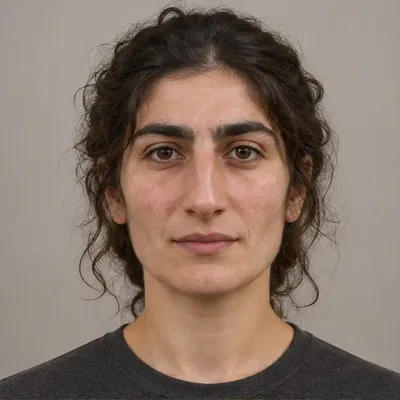
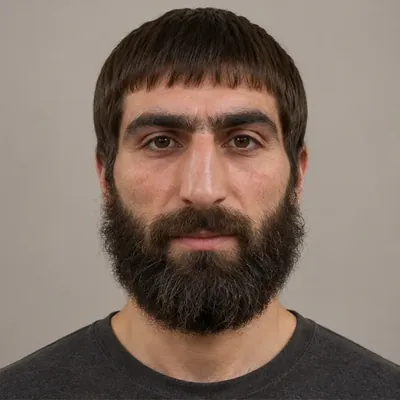
Woman 1, Armenia, Late Bronze Age or Iron Age
Woman 1
Man 1, Armenia, Late Bronze Age or Iron Age
Man 1
Woman 2, Armenia, Late Bronze Age or Iron Age
Woman 2
Man 2, Armenia, Late Bronze Age or Iron Age
Man 2
Woman 3, Armenia, Late Bronze Age or Iron Age
Woman 3
Man 3, Armenia, Late Bronze Age or Iron Age
Man 3
Woman 4, Armenia, Late Bronze Age or Iron Age
Woman 4
Man 4, Armenia, Late Bronze Age or Iron Age
Man 4

Portraits drawn from the catalog reconstructions: Armenia Iron Age.

Armenia, Middle–Late Bronze Age

A regional ancient-DNA comparison label for the Armenian highlands during the Middle and Late Bronze Age. The catalog includes references from Sevan and other highland sites.
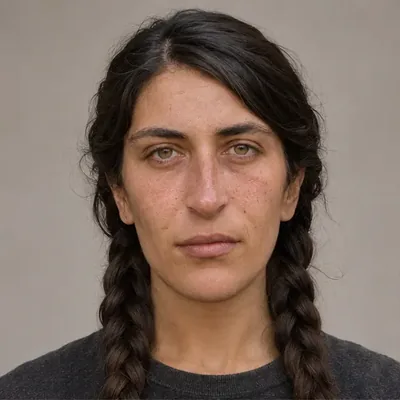
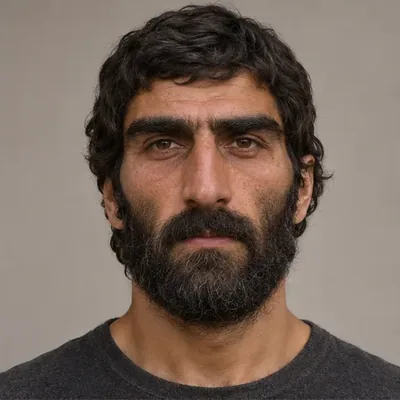
Woman 1, Armenia, Middle–Late Bronze Age
Woman 1
Man 1, Armenia, Middle–Late Bronze Age
Man 1
Woman 2, Armenia, Middle–Late Bronze Age
Woman 2
Man 2, Armenia, Middle–Late Bronze Age
Man 2
Woman 3, Armenia, Middle–Late Bronze Age
Woman 3
Man 3, Armenia, Middle–Late Bronze Age
Man 3
Woman 4, Armenia, Middle–Late Bronze Age
Woman 4
Man 4, Armenia, Middle–Late Bronze Age
Man 4

Portraits drawn from the catalog reconstructions: Sevan LBA, Jrapi Warrior Woman, Jrapi Warrior Woman 2, Armenia IA.

Armenia, Middle–Late Bronze Age, or Hasanlu, Late Bronze Age (tentative)

Alternative regional comparisons for a Late Bronze Age reconstruction from Yardimli in Azerbaijan: the Armenian highlands and Hasanlu in northwestern Iran.

The question marks flag both proposed comparisons as tentative; they do not establish the individual's birthplace or ancestry.
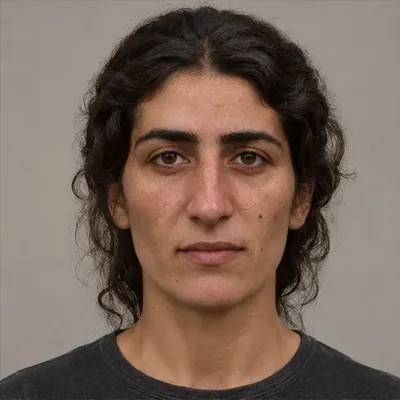
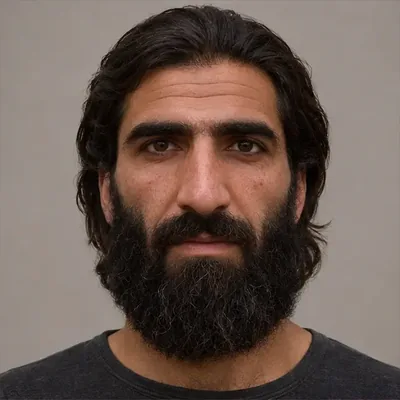
Woman 1, Armenia, Middle–Late Bronze Age, or Hasanlu, Late Bronze Age (tentative)
Woman 1
Man 1, Armenia, Middle–Late Bronze Age, or Hasanlu, Late Bronze Age (tentative)
Man 1
Woman 2, Armenia, Middle–Late Bronze Age, or Hasanlu, Late Bronze Age (tentative)
Woman 2
Man 2, Armenia, Middle–Late Bronze Age, or Hasanlu, Late Bronze Age (tentative)
Man 2
Woman 3, Armenia, Middle–Late Bronze Age, or Hasanlu, Late Bronze Age (tentative)
Woman 3
Man 3, Armenia, Middle–Late Bronze Age, or Hasanlu, Late Bronze Age (tentative)
Man 3
Woman 4, Armenia, Middle–Late Bronze Age, or Hasanlu, Late Bronze Age (tentative)
Woman 4
Man 4, Armenia, Middle–Late Bronze Age, or Hasanlu, Late Bronze Age (tentative)
Man 4

Portraits drawn from the catalog reconstructions: Yardimli LBA.

Armenia, Middle–Late Bronze Age, or Trialeti culture

Trialeti is a Bronze Age archaeological tradition of the South Caucasus. The catalog pairs it with the wider Armenian Middle–Late Bronze Age comparison group for a Samtavro reference.
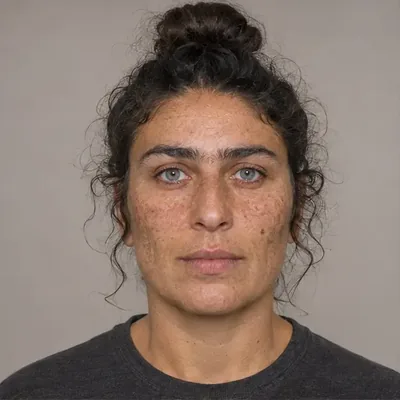
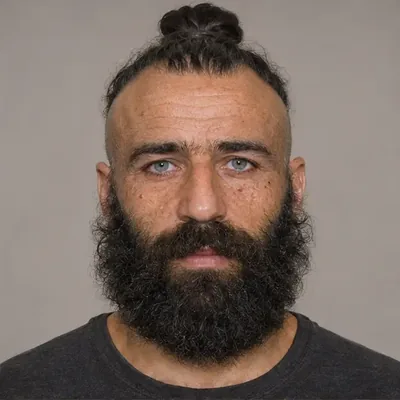
Woman 1, Armenia, Middle–Late Bronze Age, or Trialeti culture
Woman 1
Man 1, Armenia, Middle–Late Bronze Age, or Trialeti culture
Man 1
Woman 2, Armenia, Middle–Late Bronze Age, or Trialeti culture
Woman 2
Man 2, Armenia, Middle–Late Bronze Age, or Trialeti culture
Man 2
Woman 3, Armenia, Middle–Late Bronze Age, or Trialeti culture
Woman 3
Man 3, Armenia, Middle–Late Bronze Age, or Trialeti culture
Man 3
Woman 4, Armenia, Middle–Late Bronze Age, or Trialeti culture
Woman 4
Man 4, Armenia, Middle–Late Bronze Age, or Trialeti culture
Man 4

Portraits drawn from the catalog reconstructions: Samtavro LBA.

Armenian Middle–Late Bronze Age, Scythian and Srubnaya affinities (tentative)

A proposed combination of Armenian Middle–Late Bronze Age, Iron Age Scythian and Bronze Age Srubnaya-related backgrounds for a steppe reconstruction.

The question mark flags the composite assignment as tentative; no ancestry percentages are supplied by the label.
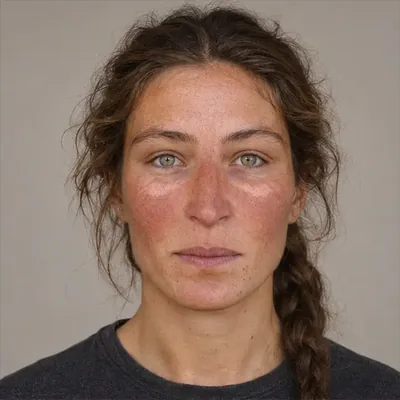
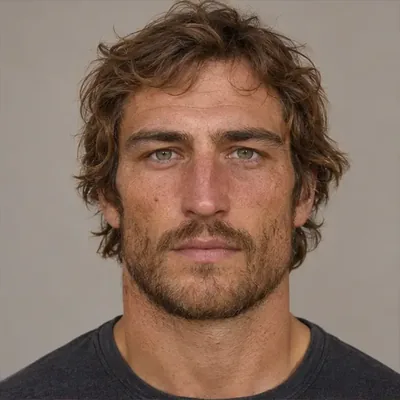
Woman 1, Armenian Middle–Late Bronze Age, Scythian and Srubnaya affinities (tentative)
Woman 1
Man 1, Armenian Middle–Late Bronze Age, Scythian and Srubnaya affinities (tentative)
Man 1
Woman 2, Armenian Middle–Late Bronze Age, Scythian and Srubnaya affinities (tentative)
Woman 2
Man 2, Armenian Middle–Late Bronze Age, Scythian and Srubnaya affinities (tentative)
Man 2
Woman 3, Armenian Middle–Late Bronze Age, Scythian and Srubnaya affinities (tentative)
Woman 3
Man 3, Armenian Middle–Late Bronze Age, Scythian and Srubnaya affinities (tentative)
Man 3
Woman 4, Armenian Middle–Late Bronze Age, Scythian and Srubnaya affinities (tentative)
Woman 4
Man 4, Armenian Middle–Late Bronze Age, Scythian and Srubnaya affinities (tentative)
Man 4

Portraits drawn from the catalog reconstructions: Scythian.

Aterian tradition

A North African Middle Stone Age archaeological tradition associated with early Homo sapiens, particularly known for distinctive tanged stone tools. It spans many sites and a long period.
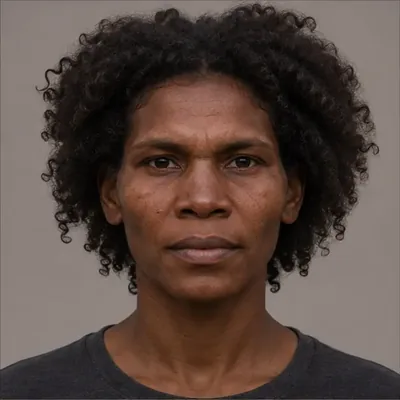
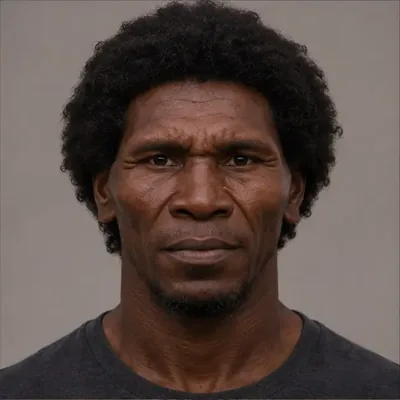
Woman 1, Aterian tradition
Woman 1
Man 1, Aterian tradition
Man 1
Woman 2, Aterian tradition
Woman 2
Man 2, Aterian tradition
Man 2
Woman 3, Aterian tradition
Woman 3
Man 3, Aterian tradition
Man 3
Woman 4, Aterian tradition
Woman 4
Man 4, Aterian tradition
Man 4

Portraits drawn from the catalog reconstructions: Aterian.

Next letter: B →