
 English
 Español
 Português
 Deutsch
 Français
 Italiano
 Polski
 Українська
 Русский
 Türkçe
 العربية
 日本語
 한국어
 ไทย
 汉语
 Tiếng Việt
 Bahasa
Every group and its portraits: I
The 165 groups of the test, each with its eight fictional portraits: four women and four men. Everyone shows the first two of each; Women and Men show all four of one. This page: the 11 groups under I.
Iberomaurusian tradition, including Taforalt
A Late Pleistocene North African archaeological tradition, represented at Taforalt in Morocco and other Maghreb sites. Taforalt is one site within the broader tradition.
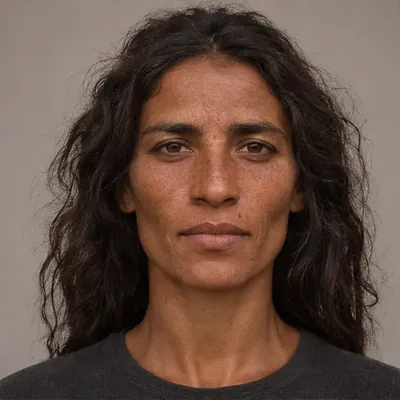
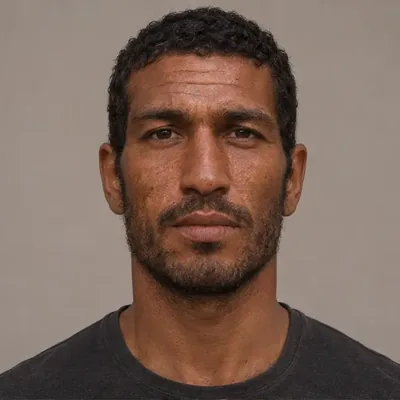
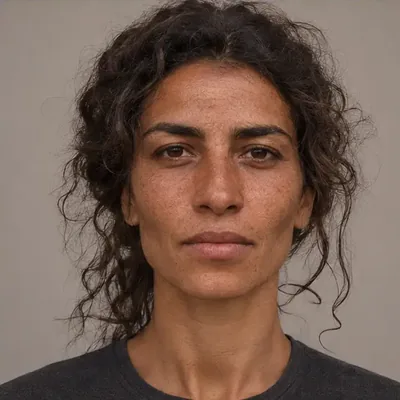
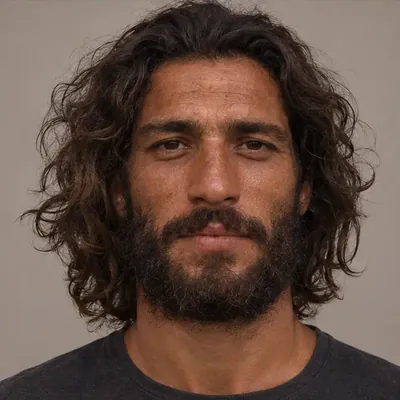
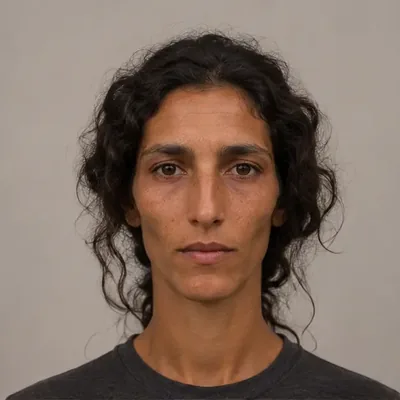
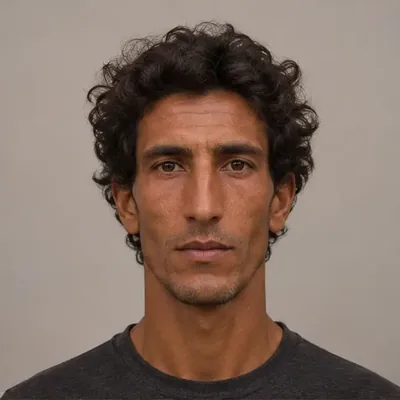
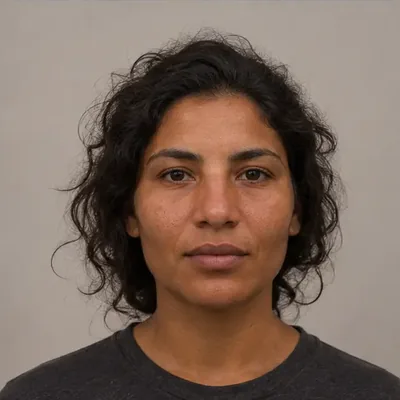
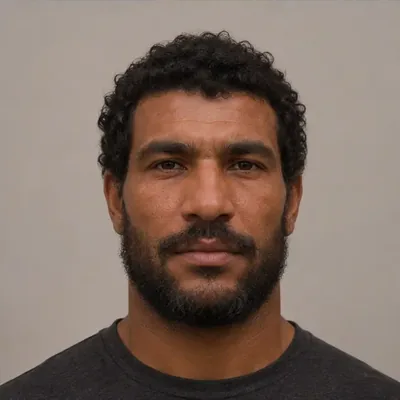
Portraits drawn from the catalog reconstructions: Hassi-el-Abiob, H13 Afalou bou Rhumel, Mechta-el-Arbi, Iberomaurusian.
Indigenous peoples of the Americas
A broad grouping spanning distinct Indigenous communities across the Americas. References include the Ancient One from Kennewick, the Buhl woman and Nonosabasut, separated by substantial time and geography.
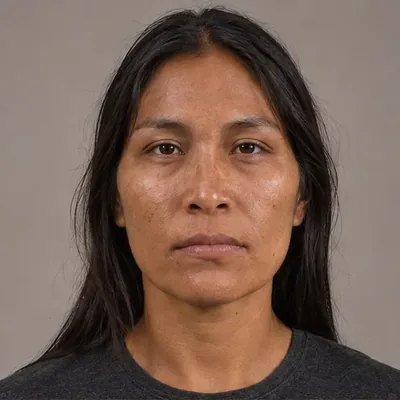
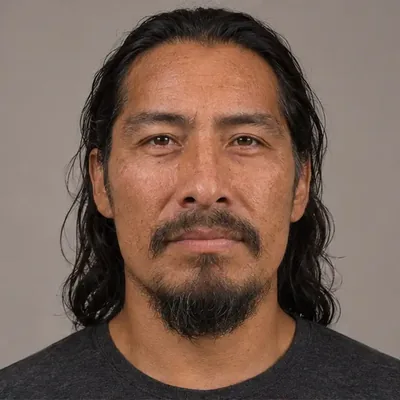
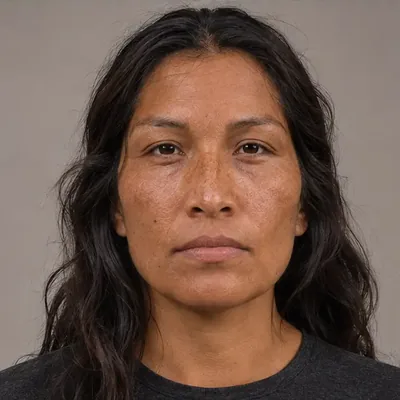
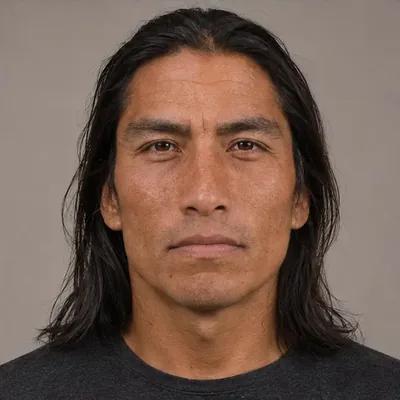
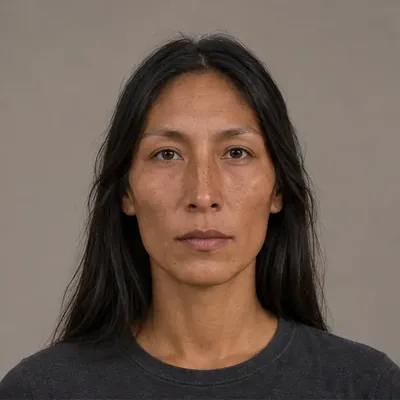
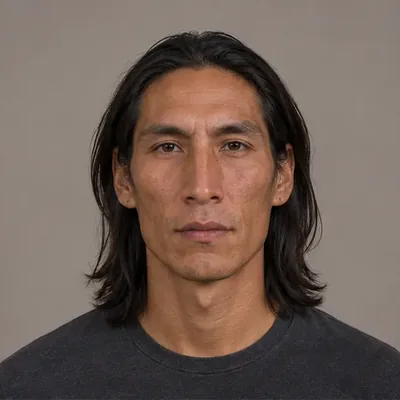
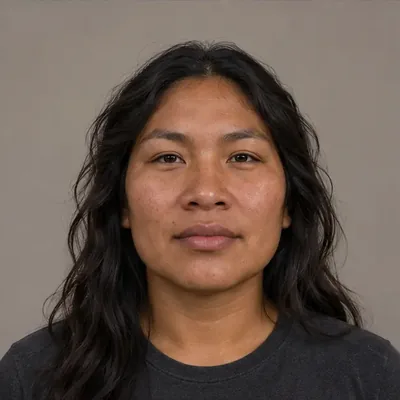
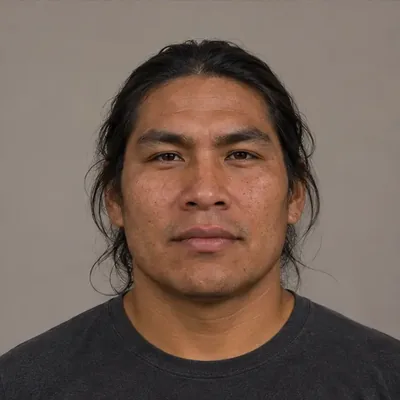
Portraits drawn from the catalog reconstructions: Kennewick Man, Nonosabasut, Buhl Woman.
Indus Valley Civilization (IVC)
A Bronze Age urban civilization of northwestern South Asia, also called the Harappan civilization. The catalog reference is from Rakhigarhi; the civilization contained many communities and settlements.
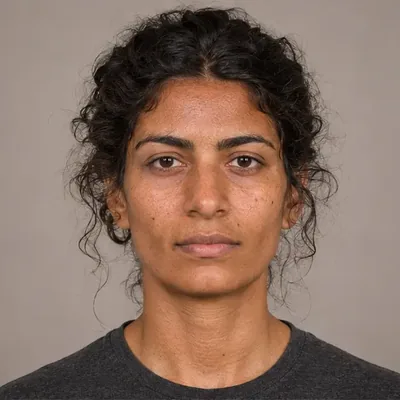
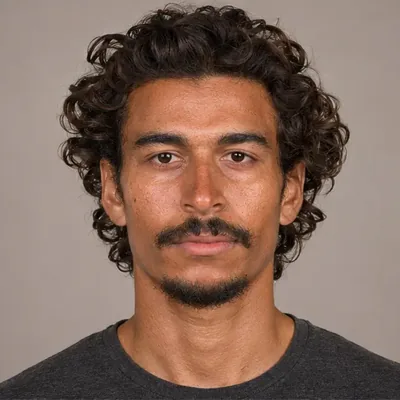
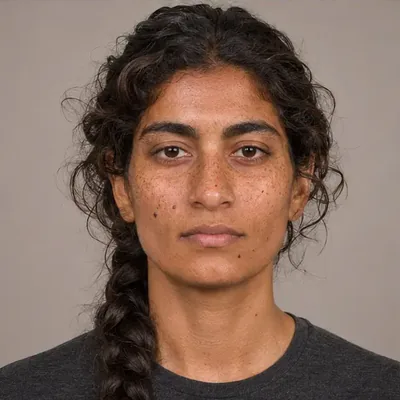
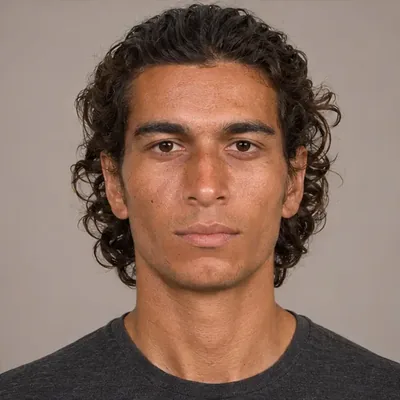
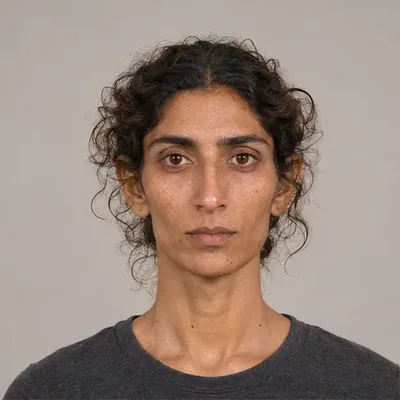
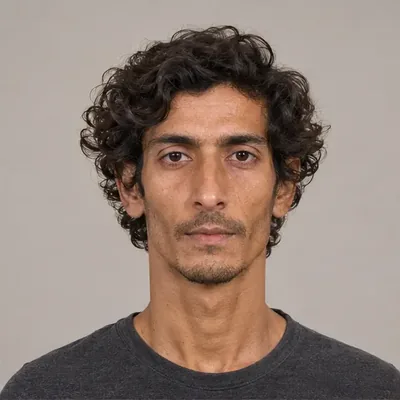
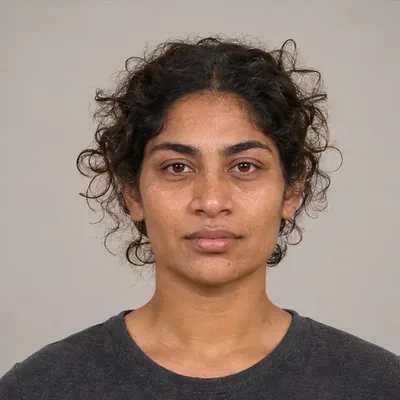
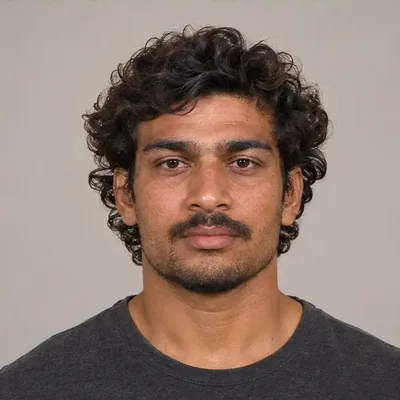
Portraits drawn from the catalog reconstructions: Rakhigarhi.
Indus Valley Civilization and Tibetan affinities (tentative)
A proposed comparison for a Kashmir megalithic reconstruction, combining an Indus-related background with a Tibetan Plateau-related affinity.
The question mark makes this composite proposal tentative; neither the plus sign nor the portrait supplies an ancestry estimate.
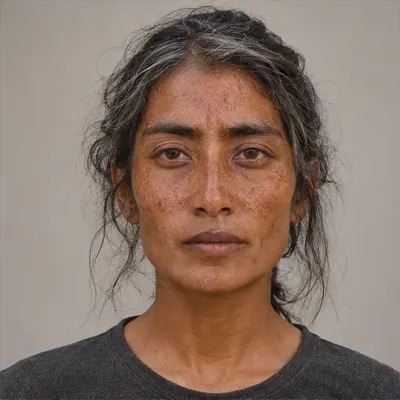
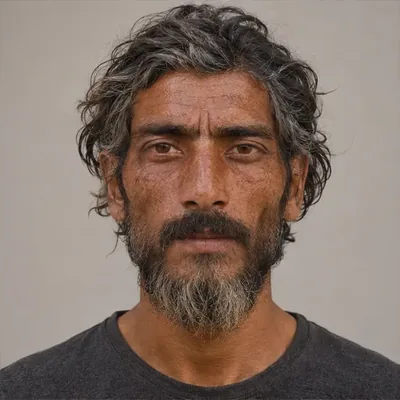
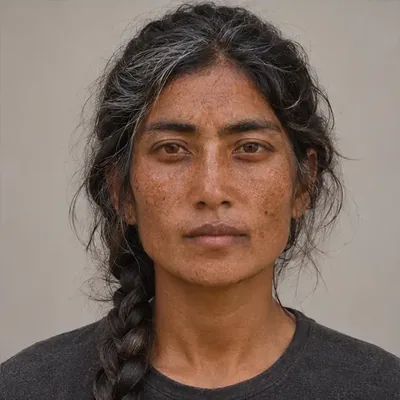
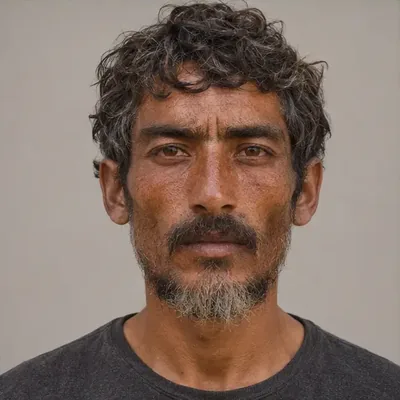
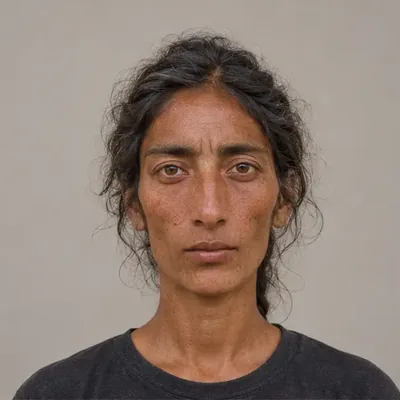
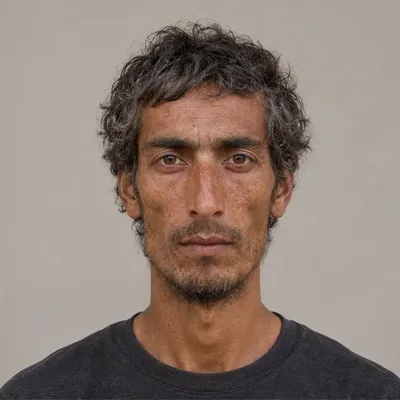
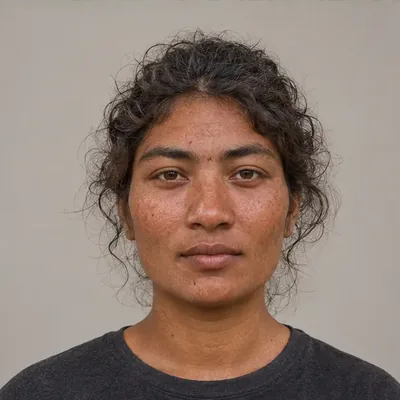
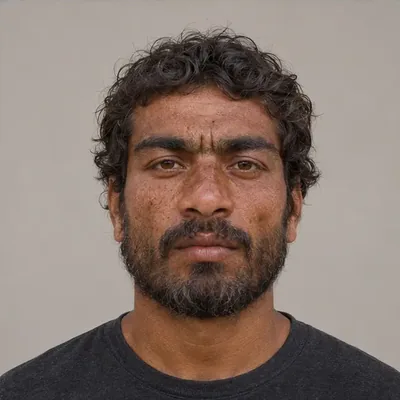
Portraits drawn from the catalog reconstructions: Kashmir Megalithic.
Indus Valley Civilization periphery (IVCp)
An Indus-related ancient genetic comparison profile identified in individuals outside the core Indus cities, including at Gonur. “Periphery” does not prove that each individual lived in an Indus city or spoke a particular language.
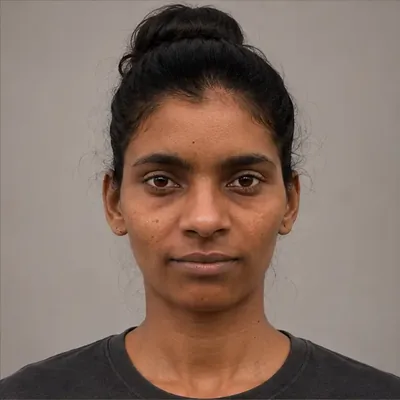
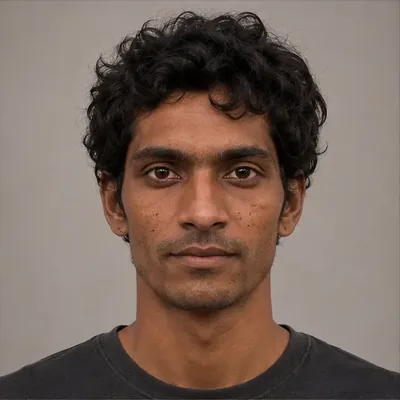
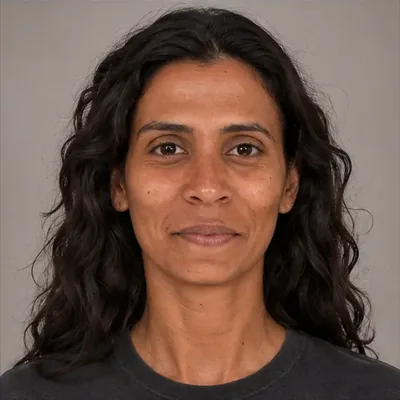
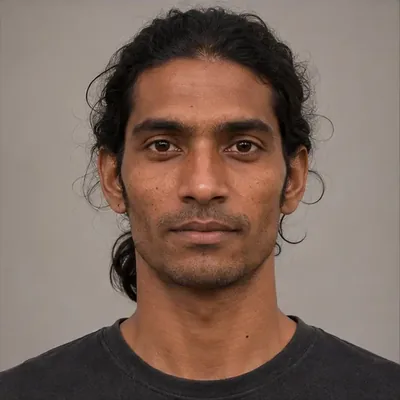
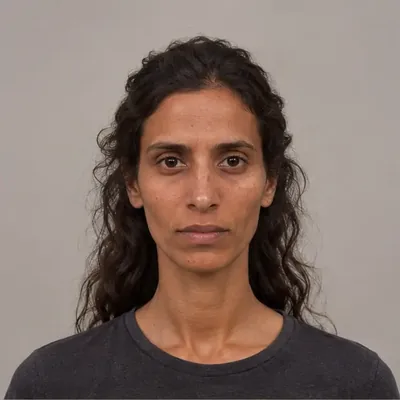
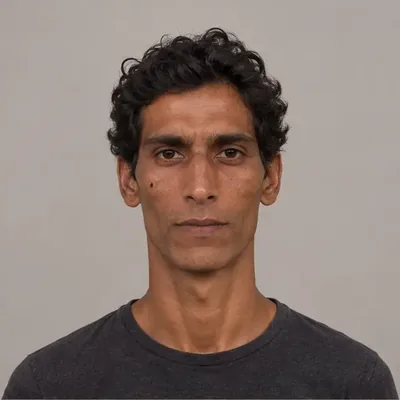
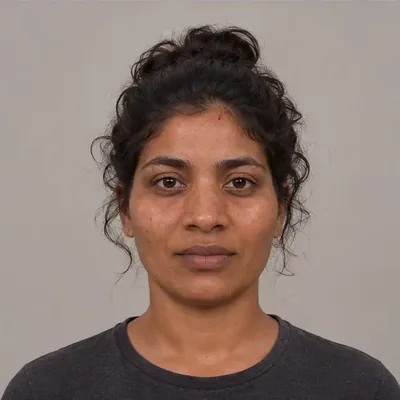
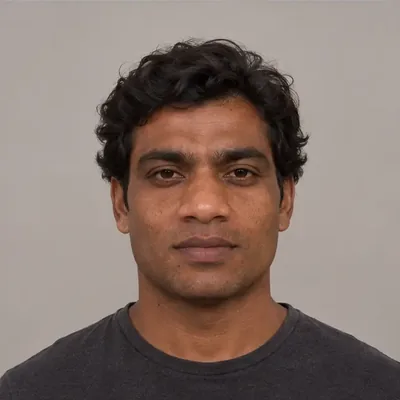
Portraits drawn from the catalog reconstructions: Gonur Depe Veddoid , Gonur Depe Veddoid .
Ingush people
A Nakh-speaking people of the central North Caucasus. This is a historical and ethnolinguistic label, represented by Ingush reconstructions in the catalog.
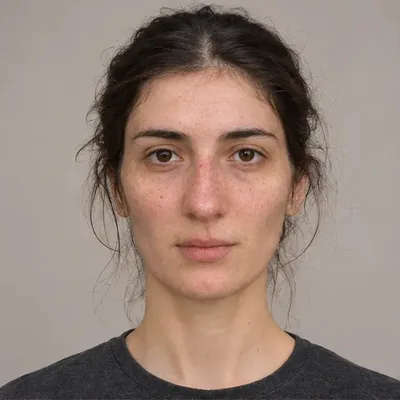
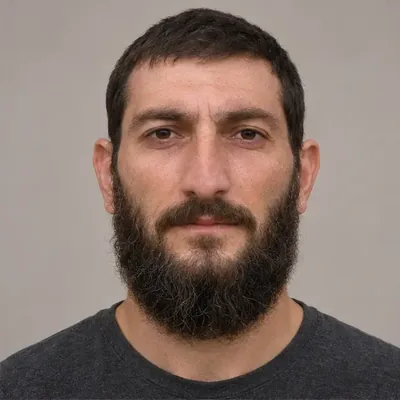
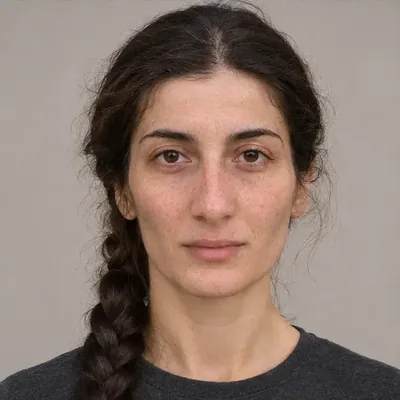
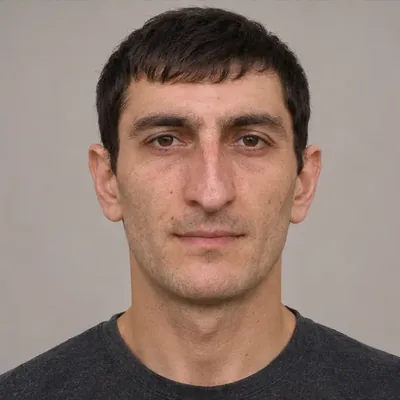
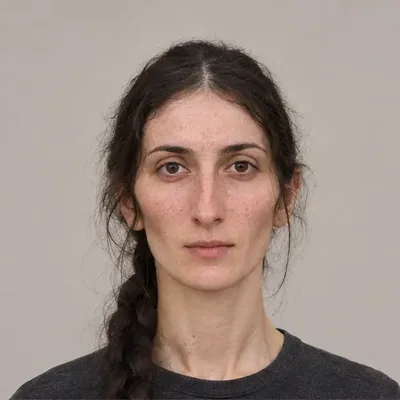
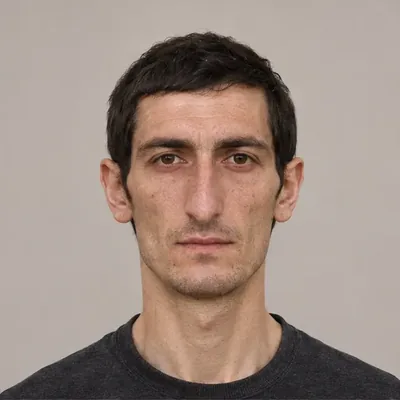
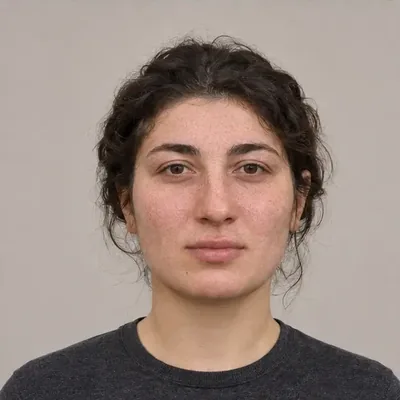
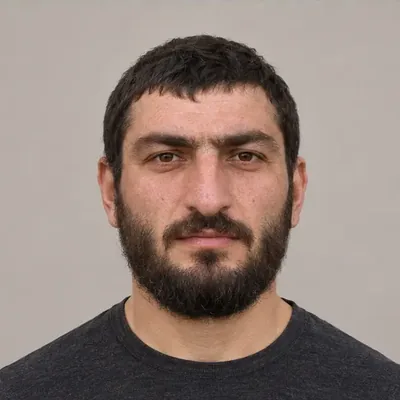
Portraits drawn from the catalog reconstructions: Ingush, Ingush.
Iran, Chalcolithic (Copper Age)
People of the Iranian plateau during the Chalcolithic, the Copper Age between the Neolithic and Bronze Age. The catalog reference comes from Chega Sofla.
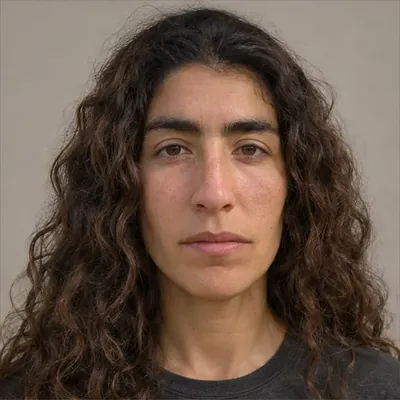
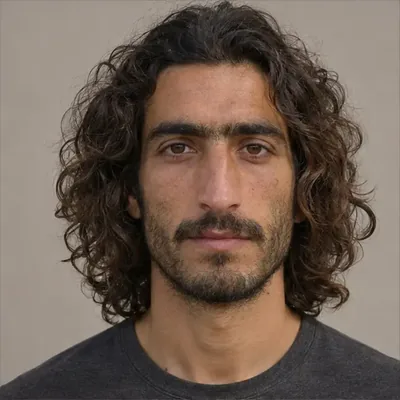
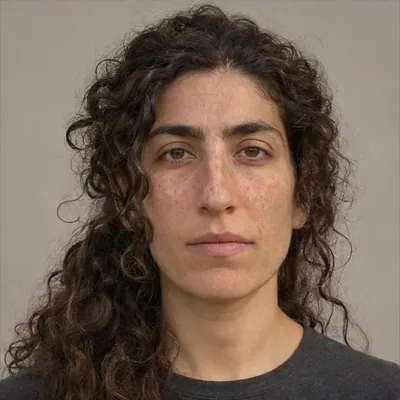
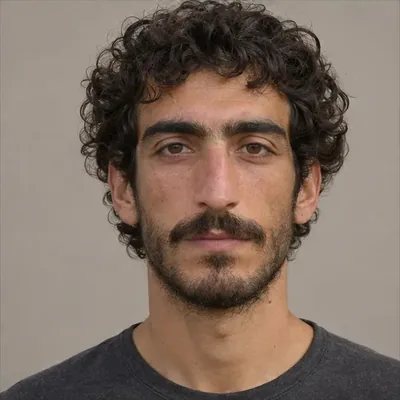
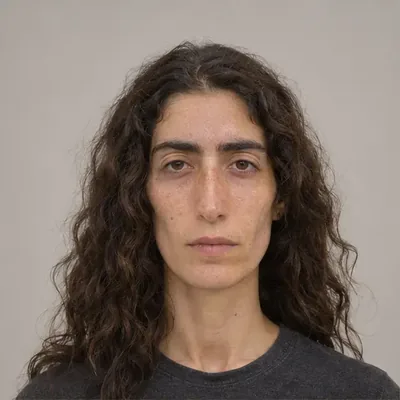
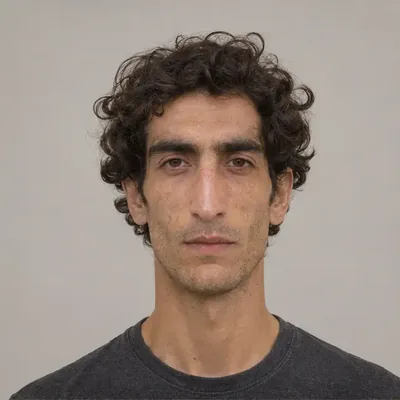
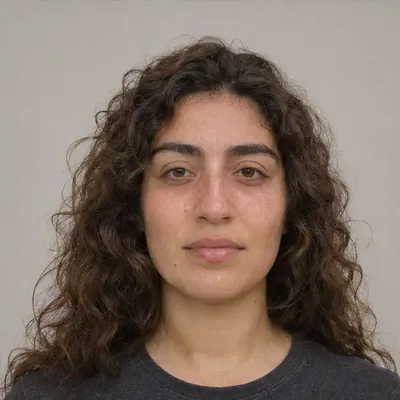
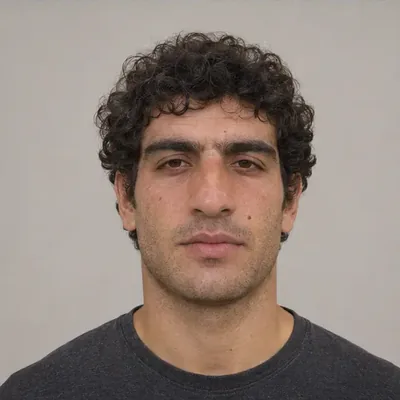
Portraits drawn from the catalog reconstructions: Chega Sofla.
Iran, Iron Age
Iron Age people of the Iranian plateau, represented here by a reconstruction from Gilan near the Caspian Sea. This broad regional label is not one uniform ancient population.
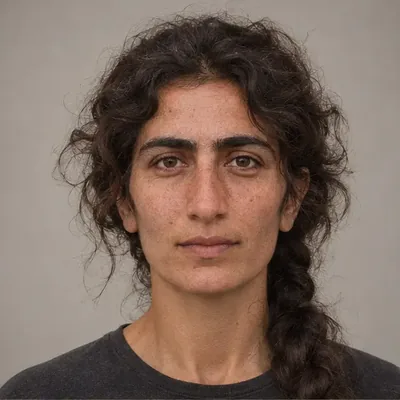
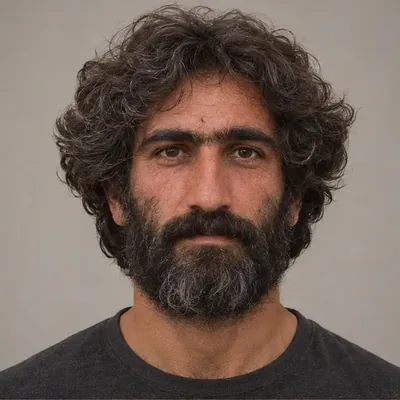
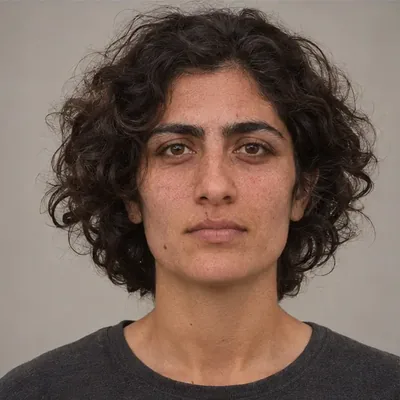
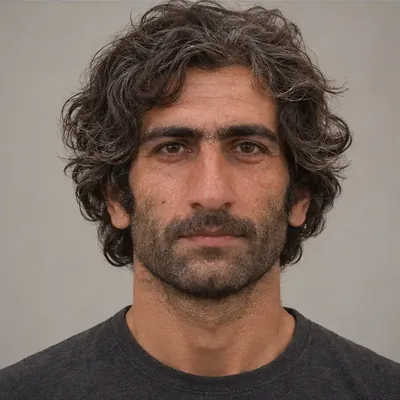
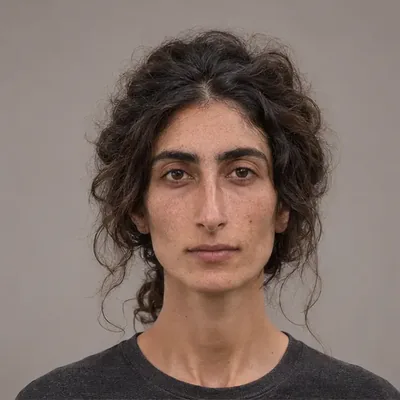
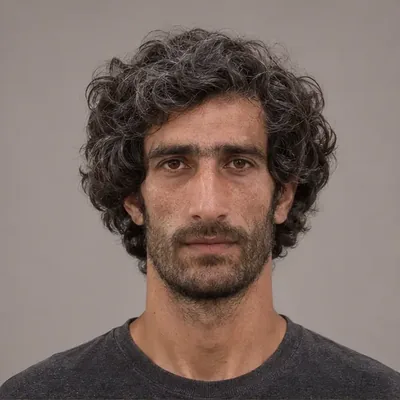
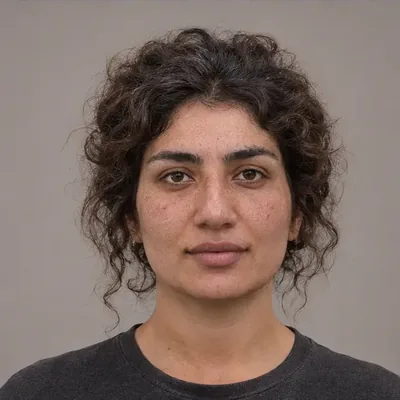
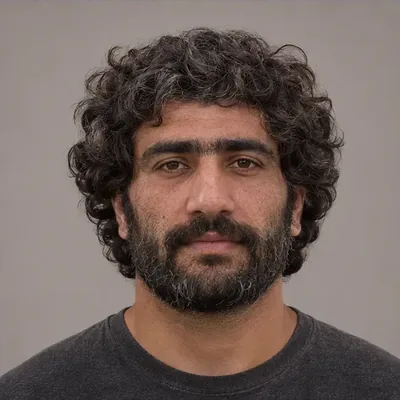
Portraits drawn from the catalog reconstructions: Iron Age Gilan.
Iran, Neolithic
Early farming communities of the Iranian plateau, represented here by Ali Kosh and Ganj Dareh. Neolithic Iranian ancestry is a regional comparison profile, distinct from Neolithic Anatolian ancestry.
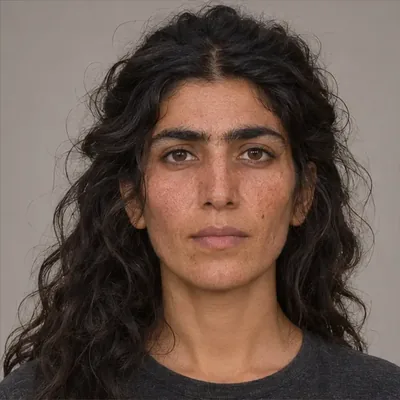
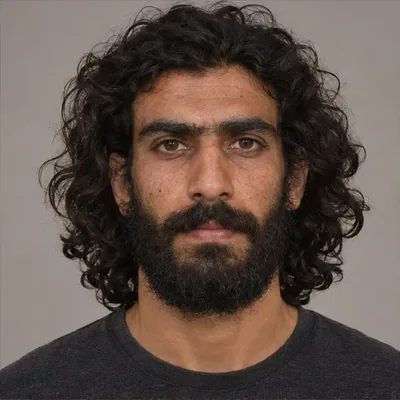
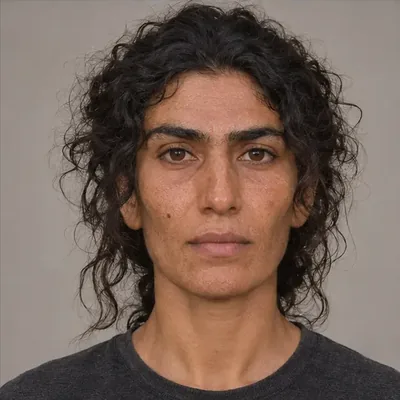
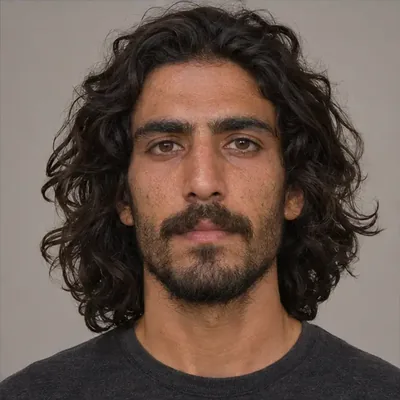
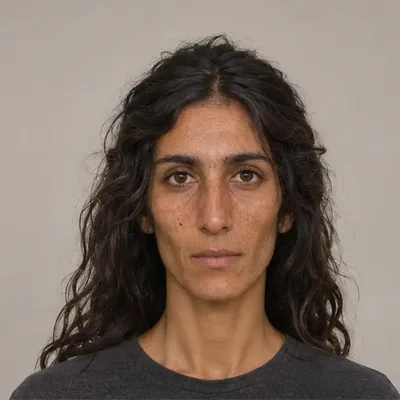
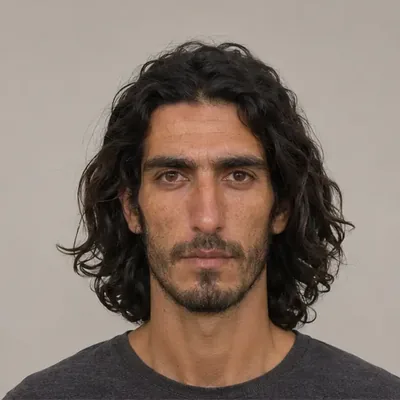
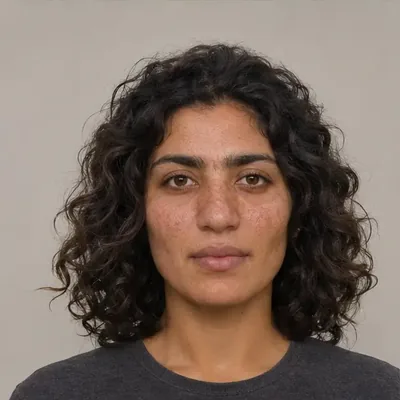
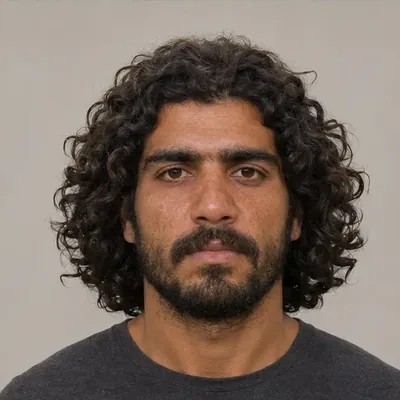
Portraits drawn from the catalog reconstructions: Ali Kosh Neolithic, Ganj Dareh Neolithic.
Ireland, Bronze Age
Bronze Age people of Ireland, represented by a Bell Beaker-associated reconstruction from County Cork. It is a regional period label within a changing prehistoric population.
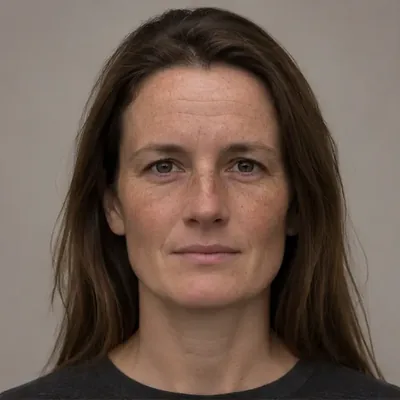
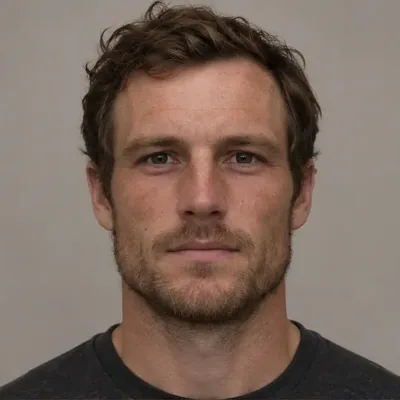
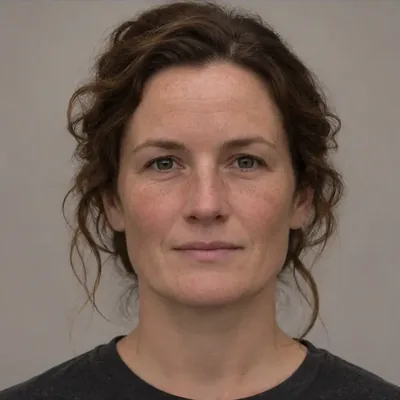
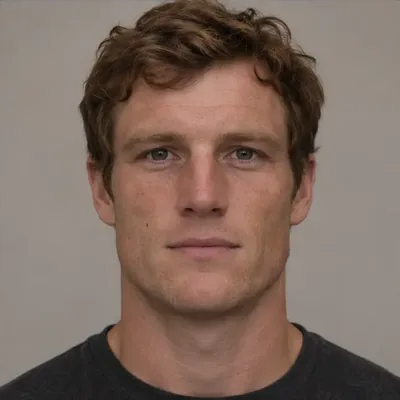
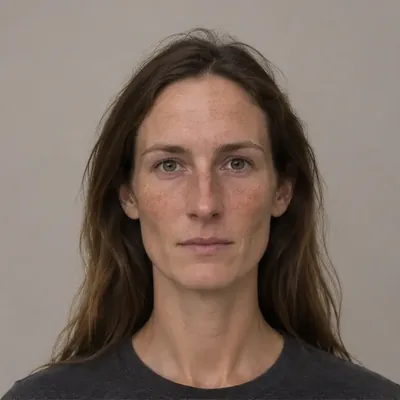
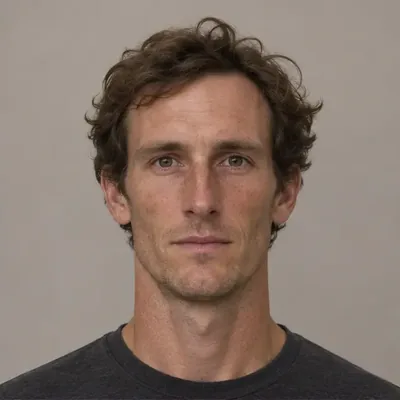
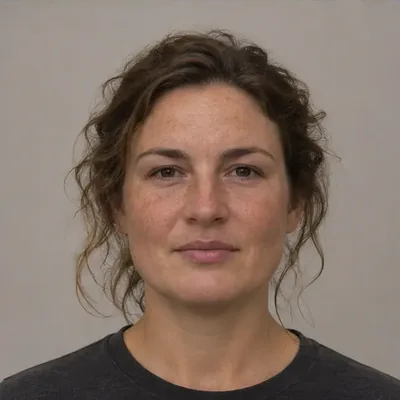
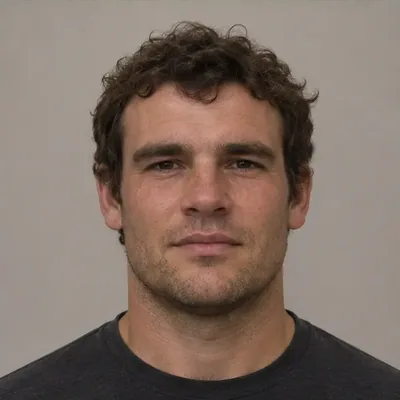
Portraits drawn from the catalog reconstructions: Cork Bell Beaker.
Iron Gates hunter-gatherers
Mesolithic and transitional hunter-gatherer communities of the Danube Gorge between present-day Serbia and Romania. The catalog reference comes from Lepenski Vir.
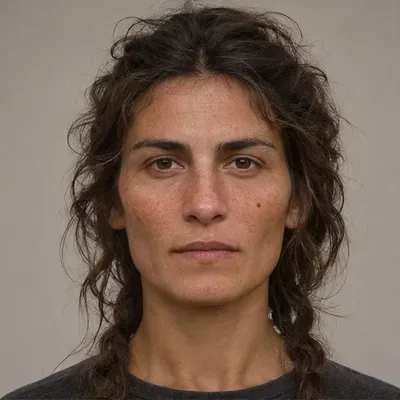
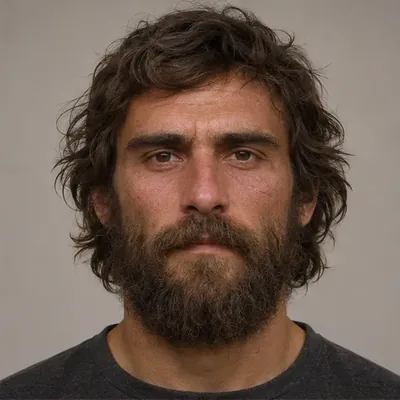
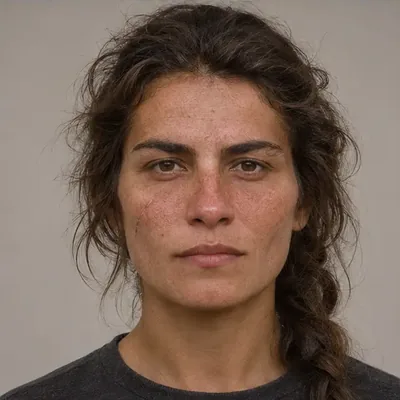
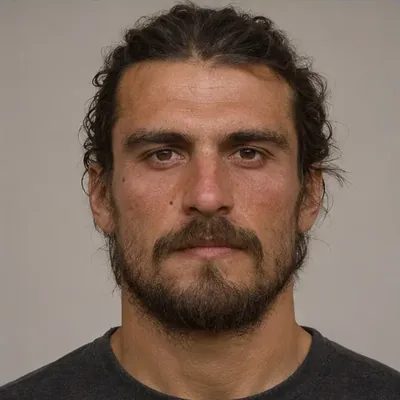
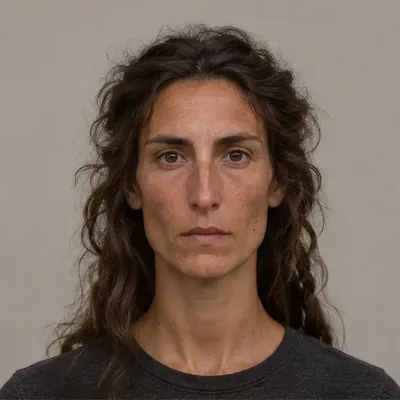
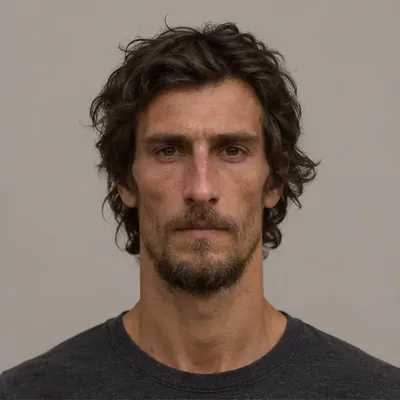
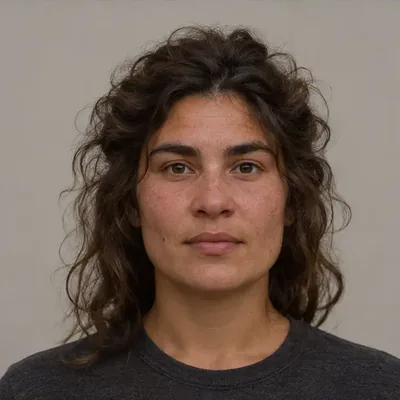
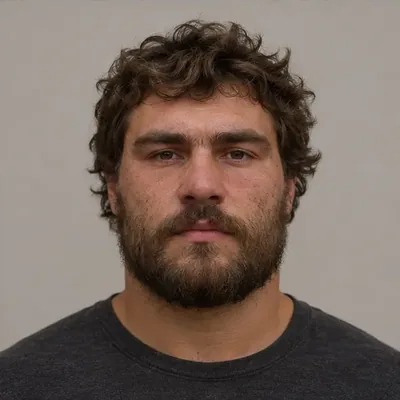
Portraits drawn from the catalog reconstructions: Lepenski Vir, Burial 69.