
 English
 Español
 Português
 Deutsch
 Français
 Italiano
 Polski
 Українська
 Русский
 Türkçe
 العربية
 日本語
 한국어
 ไทย
 汉语
 Tiếng Việt
 Bahasa
Every group and its portraits: Y
The 165 groups of the test, each with its eight fictional portraits: four women and four men. Everyone shows the first two of each; Women and Men show all four of one. This page: the 5 groups under Y.
Yakutia, Late Neolithic affinity (tentative)
A proposed northeastern Siberian comparison for the Bulanovo girl, buried in a Sintashta setting with Seima-Turbino artefacts. The source code refers to Late Neolithic Yakutia, not modern Yakut ethnicity.
The question mark flags a proposed affinity based on the catalog's interpretation; burial objects and skeletal appearance do not by themselves establish ancestry or language.
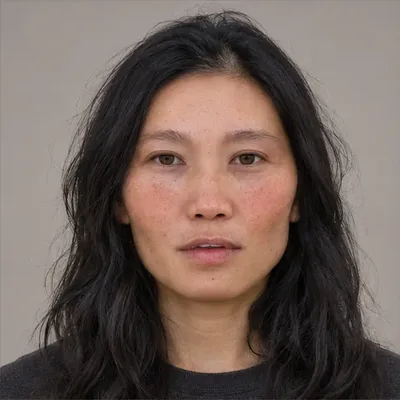
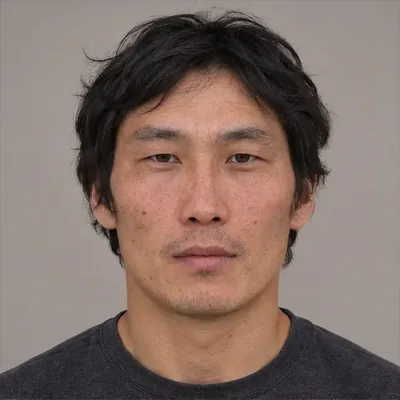
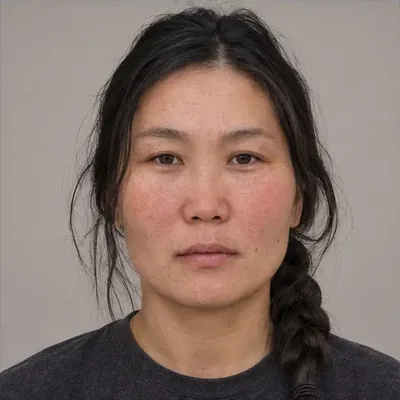
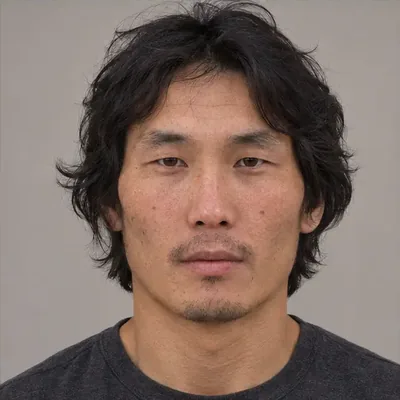
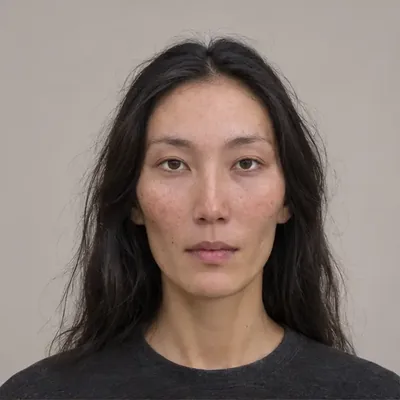
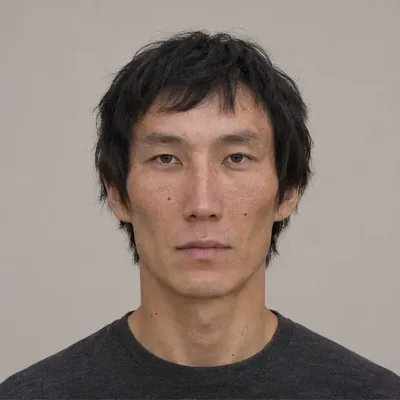
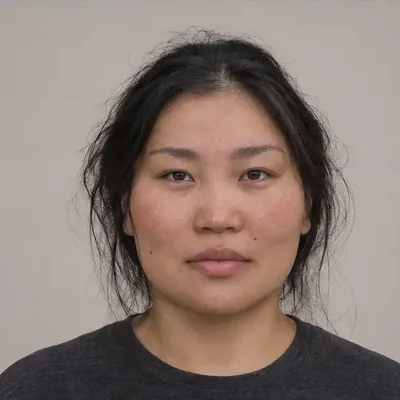
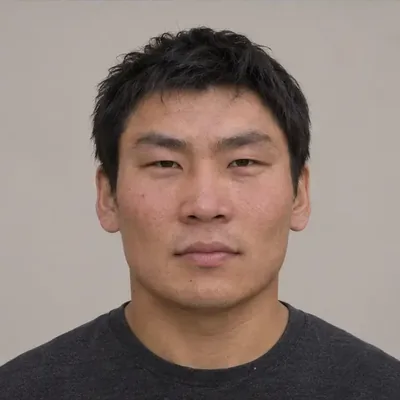
Portraits drawn from the catalog reconstructions: Bulanovo girl.
Yamnaya culture
An Early Bronze Age pastoralist horizon of the Pontic-Caspian steppe, known for burial mounds and pit graves. The catalog includes several regional Yamnaya and related Poltavka references.
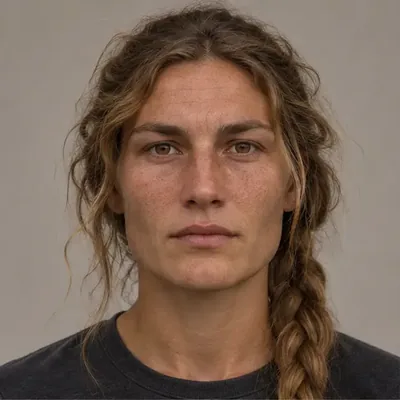
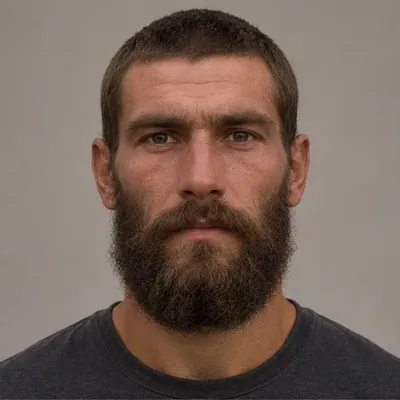
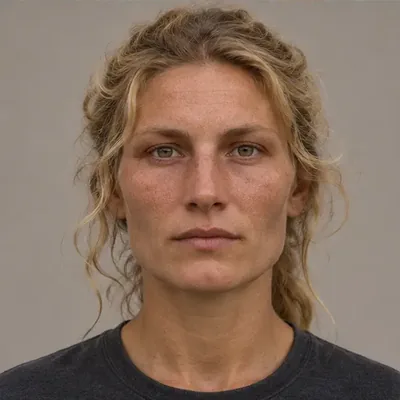
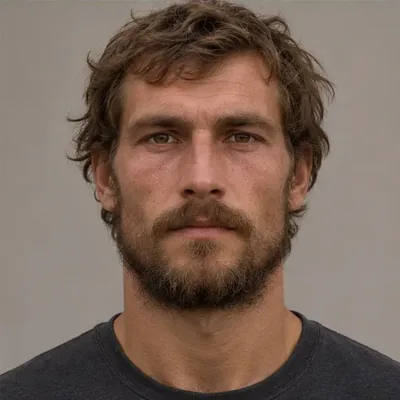
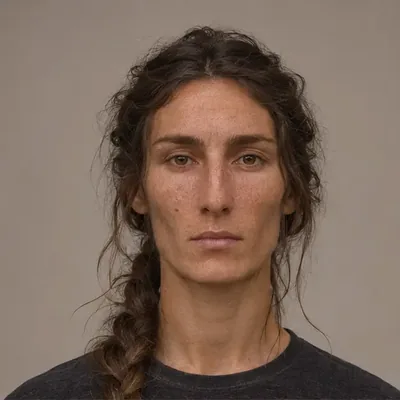
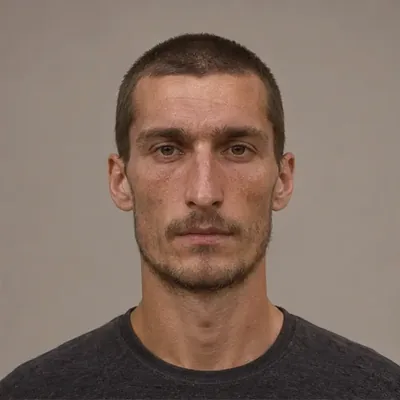
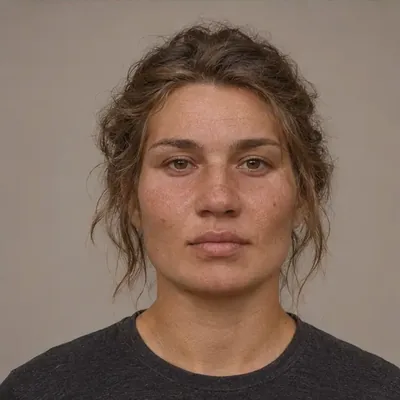
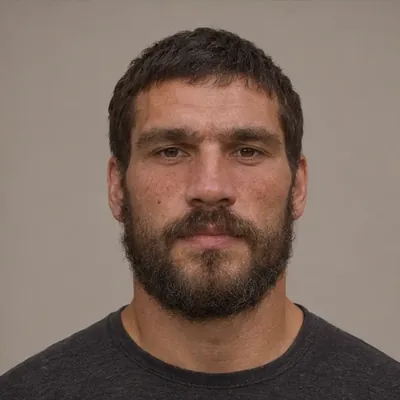
Portraits drawn from the catalog reconstructions: Yamnaya, Poltavka, Lower Orlyanka 1, 1/4, Shumaevo, single kurgan-2, 2/1, Yamnaya.
Yanbulake culture
A Bronze and Iron Age archaeological tradition around Hami in eastern Xinjiang. The label refers to a regional community and burial tradition rather than a modern ethnic group.
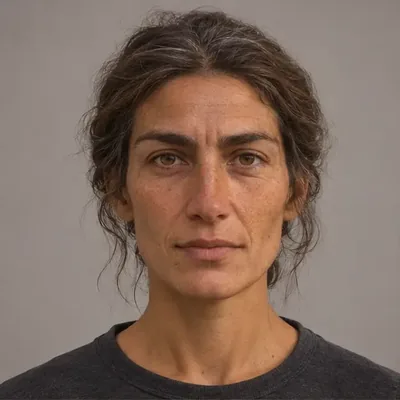
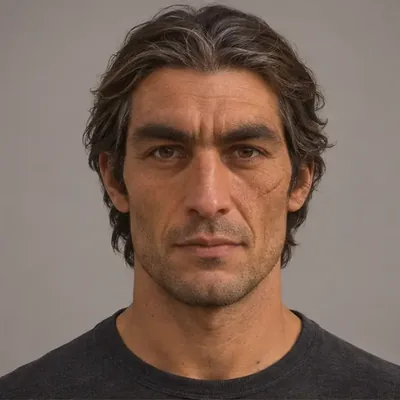
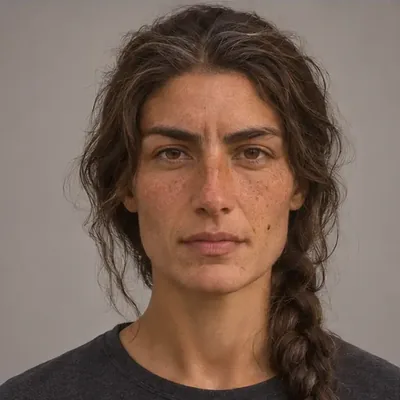
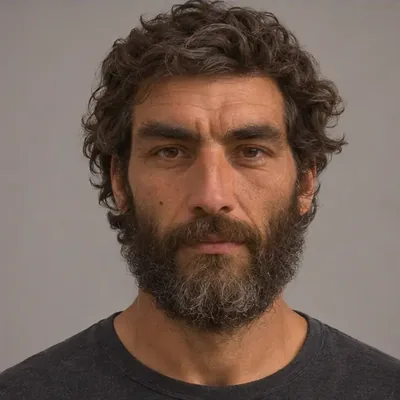
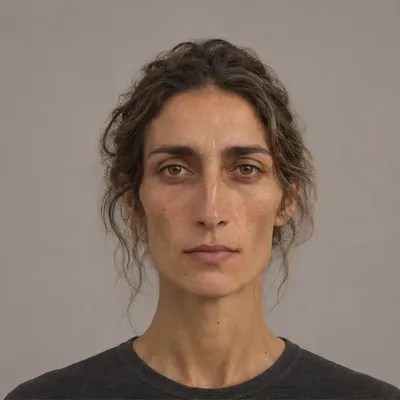
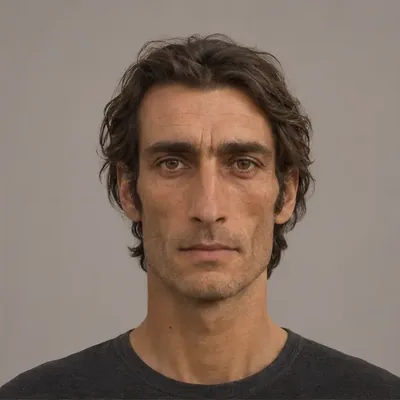
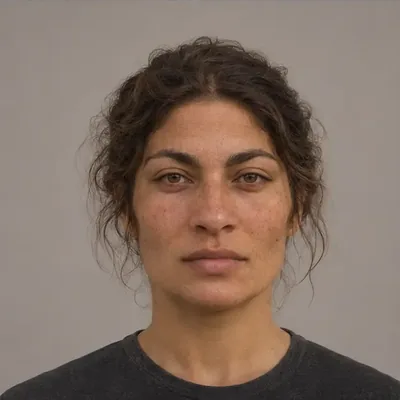
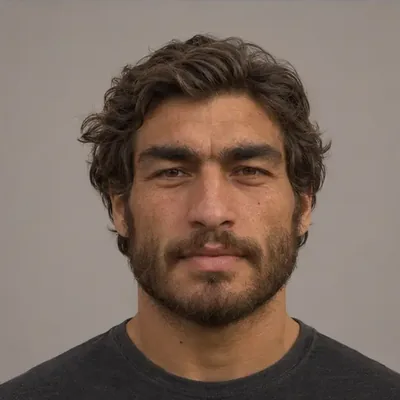
Portraits drawn from the catalog reconstructions: Yanbulake .
Yaz culture or Turkmenistan, Iron Age
An Iron Age comparison for southern Central Asian communities. Yaz names an archaeological tradition; Turkmenistan names the modern region, and the catalog reference comes from Kalaly-Gyr.
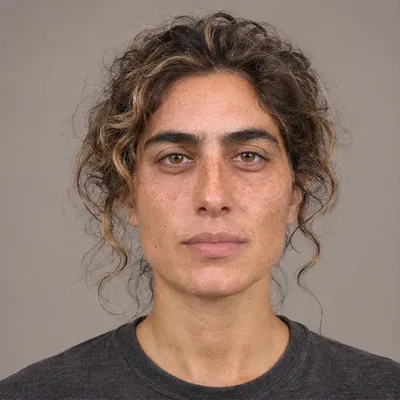
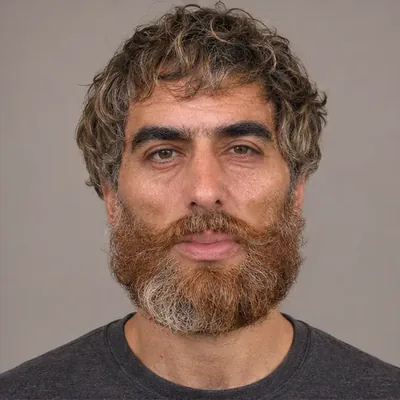
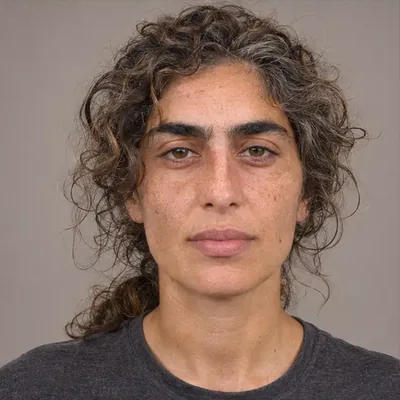
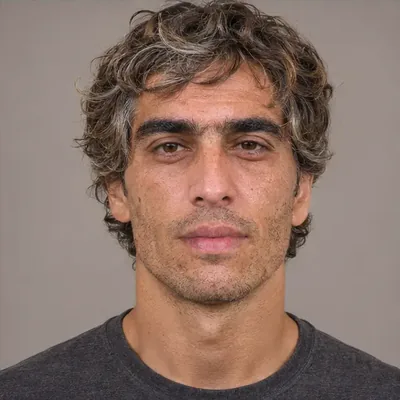
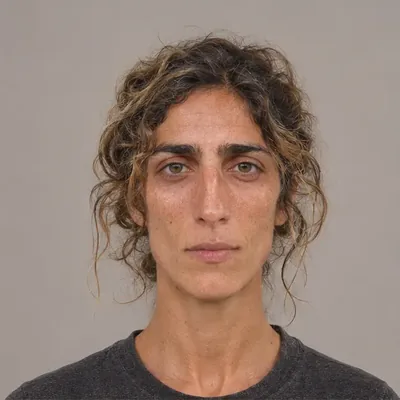
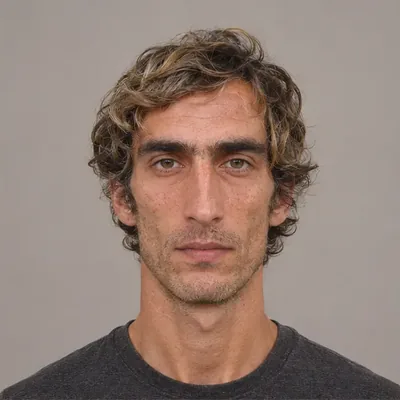
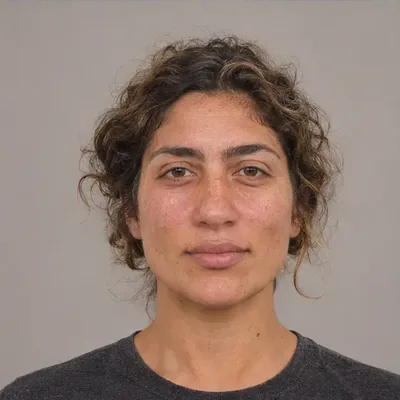
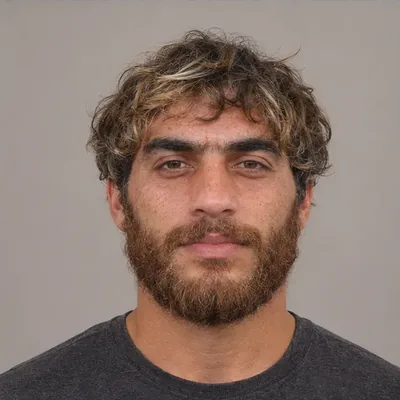
Portraits drawn from the catalog reconstructions: Kalaly Gyr.
Yellow River region, Neolithic
Neolithic communities of northern China's Yellow River region, represented here by a Yangshao reconstruction. This regional grouping covers multiple farming cultures and periods.
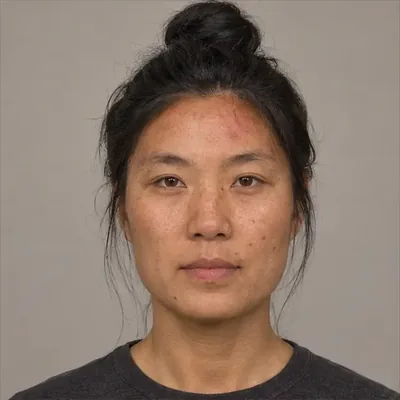
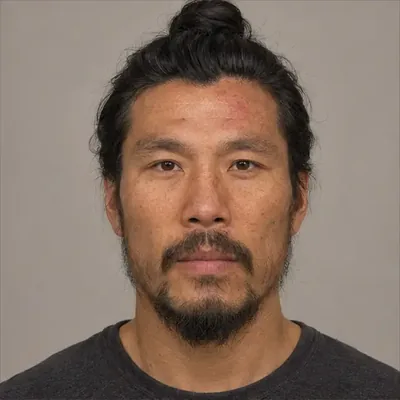
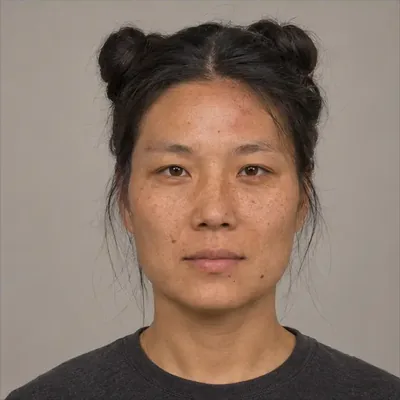
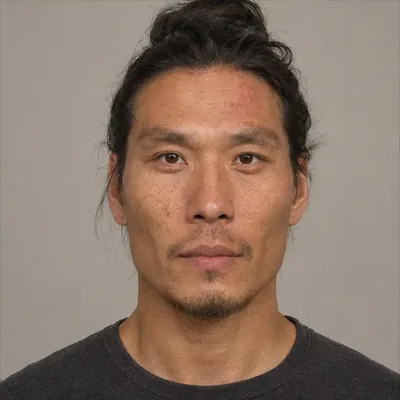
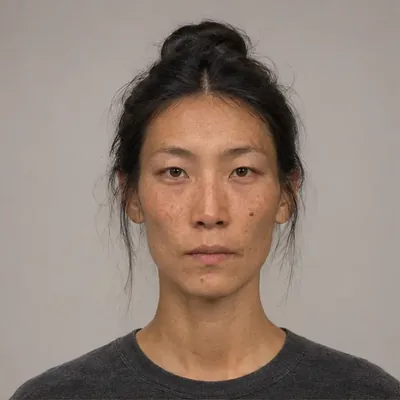
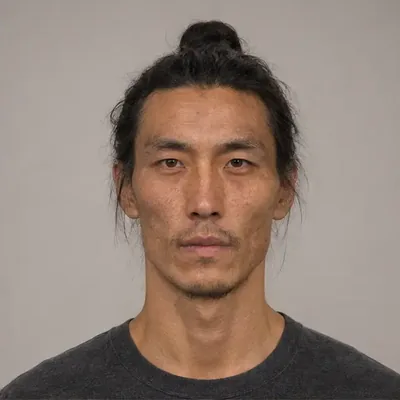
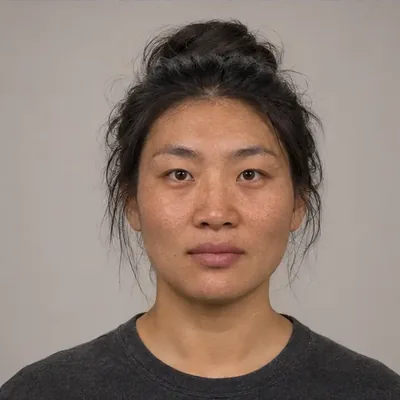
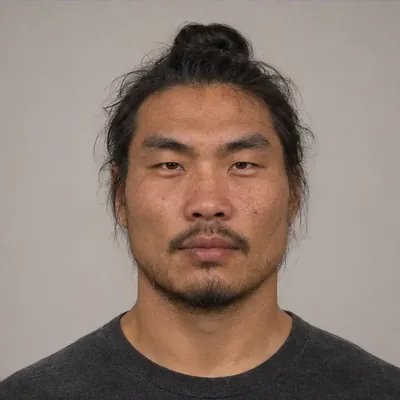
Portraits drawn from the catalog reconstructions: Yangshao culture.