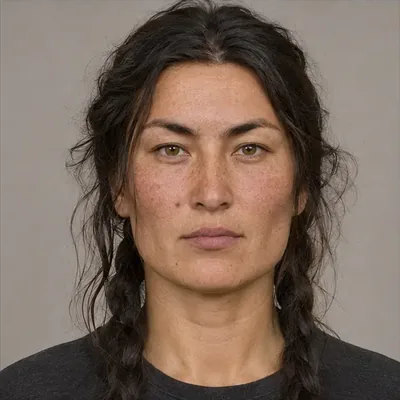
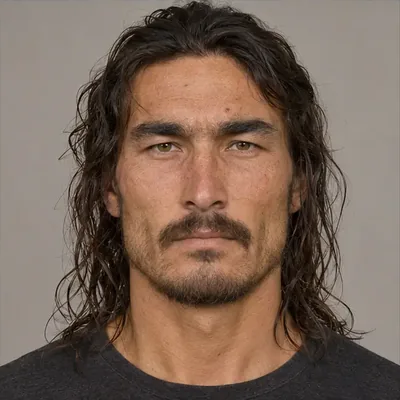
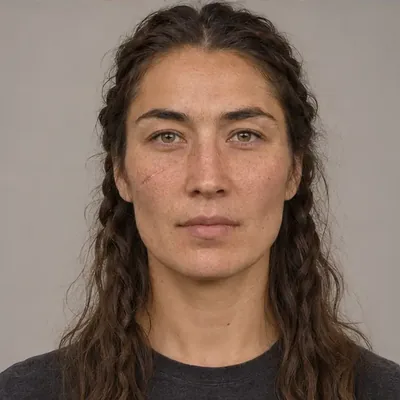
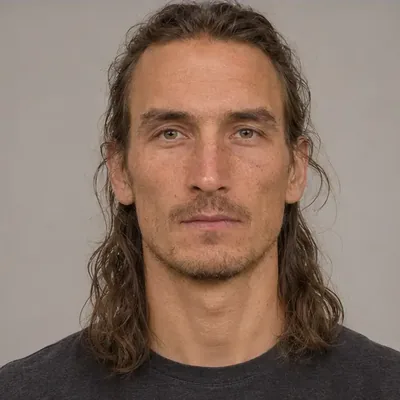
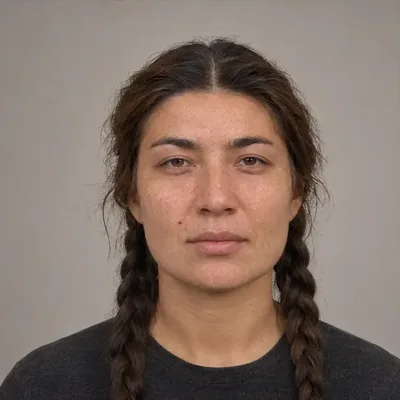
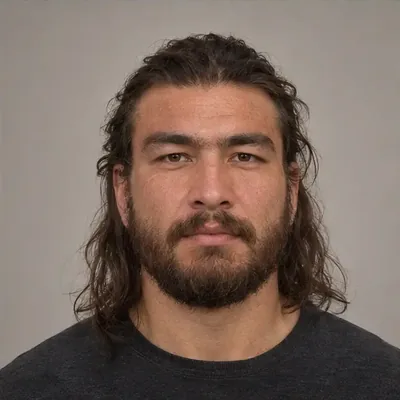
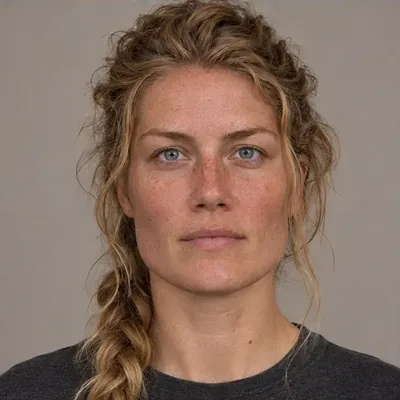
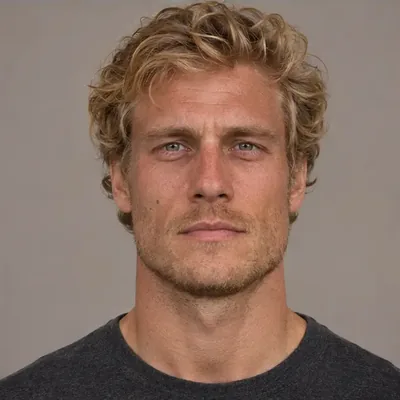
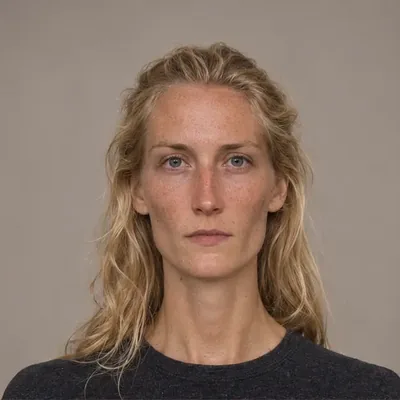
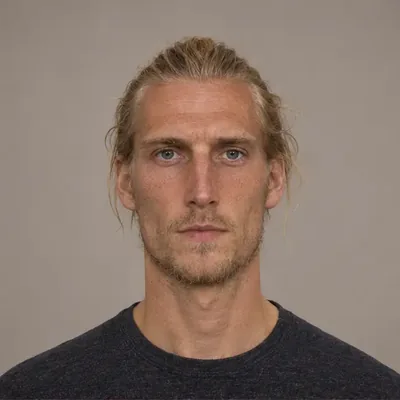
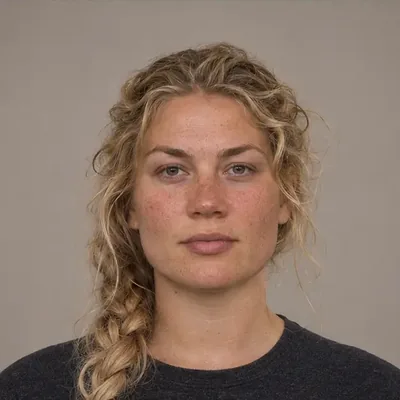
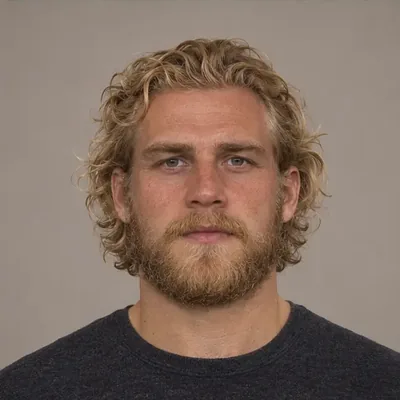
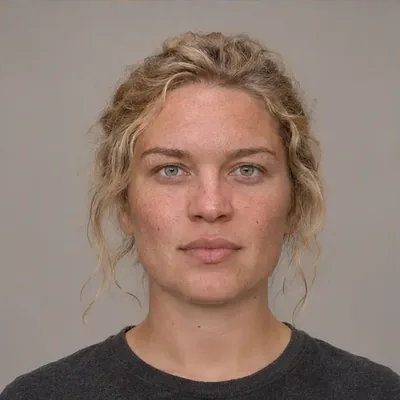
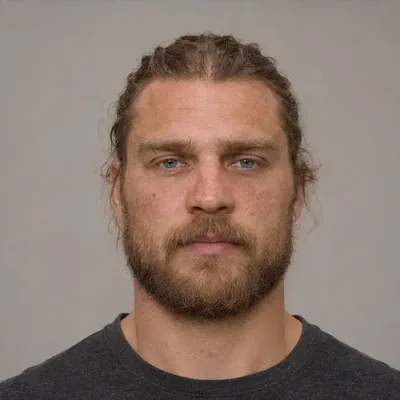
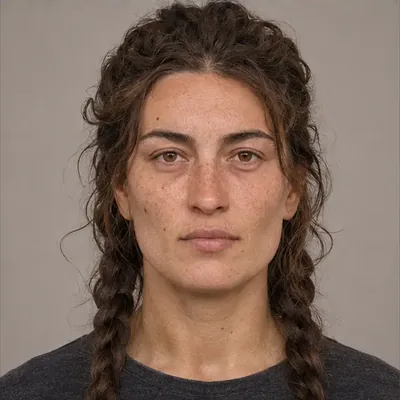
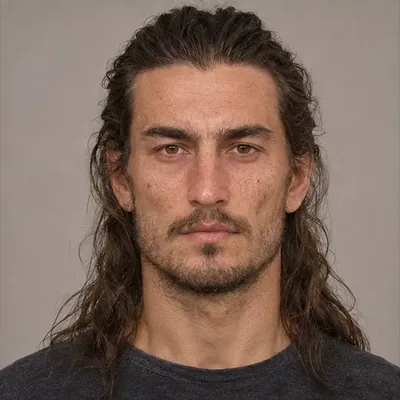
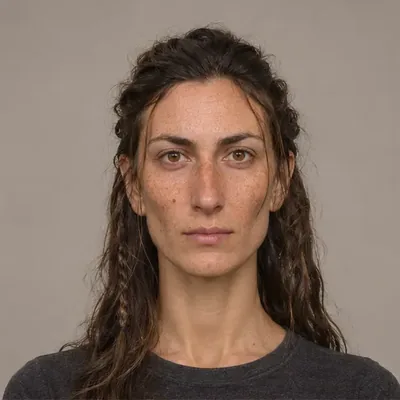
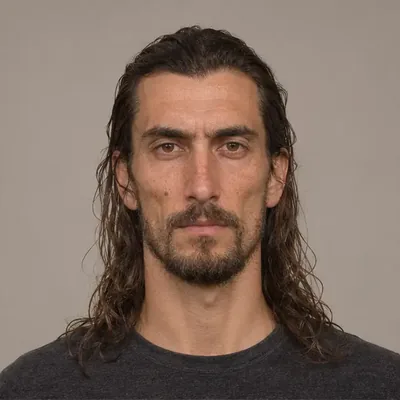
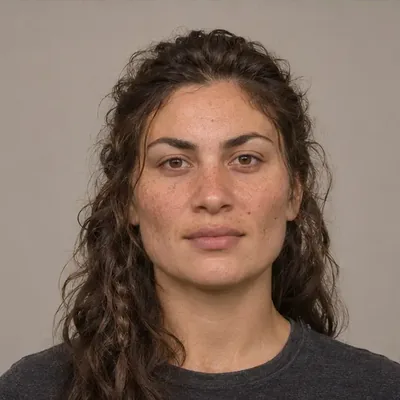
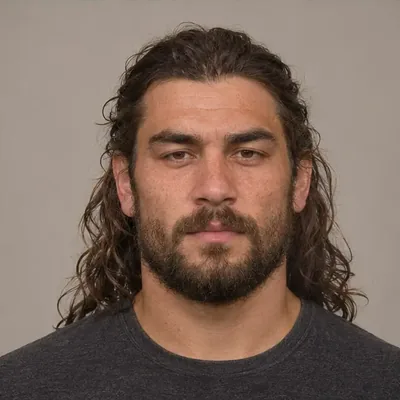
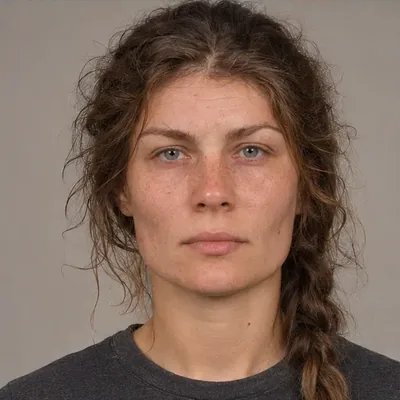
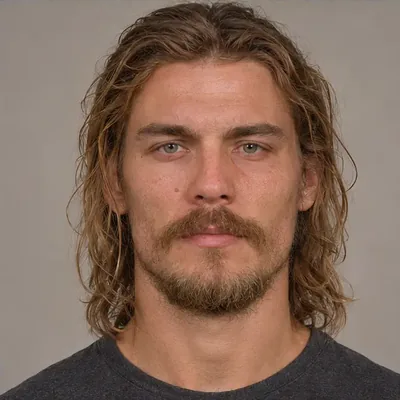
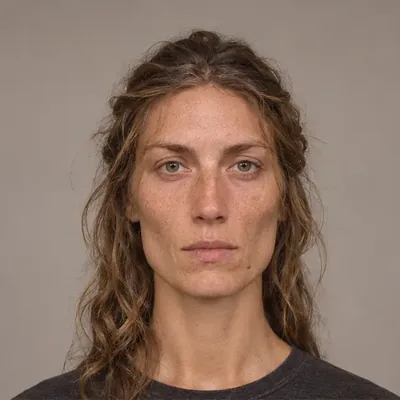
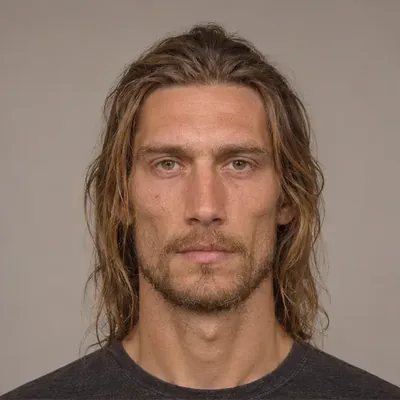
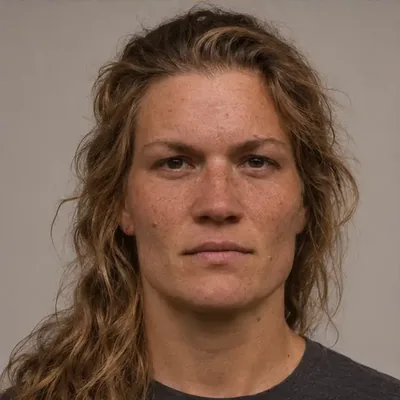
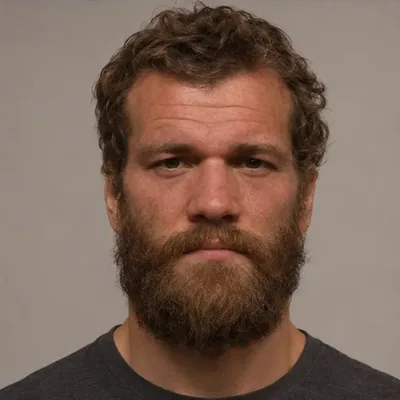
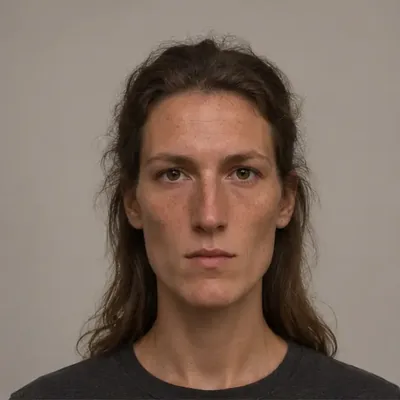
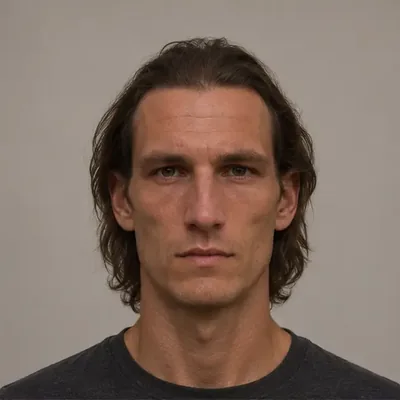
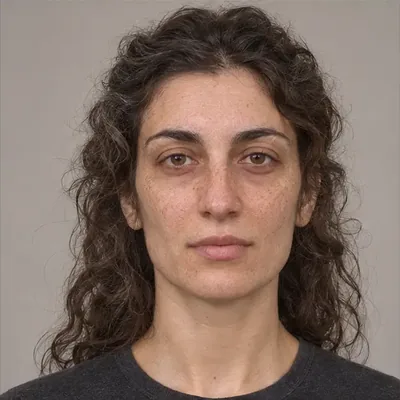
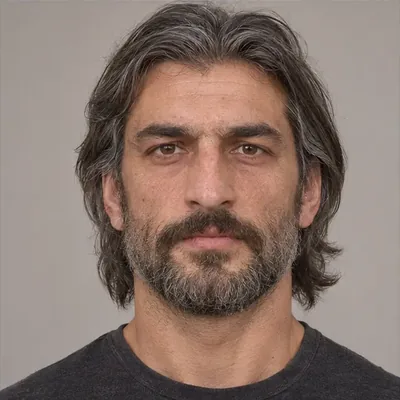
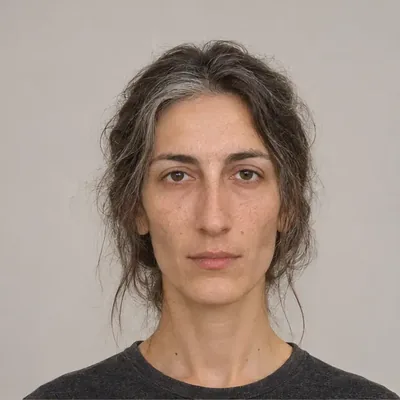
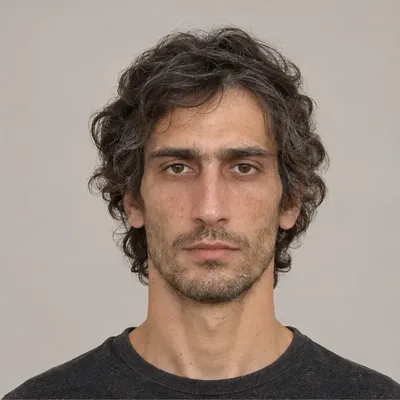
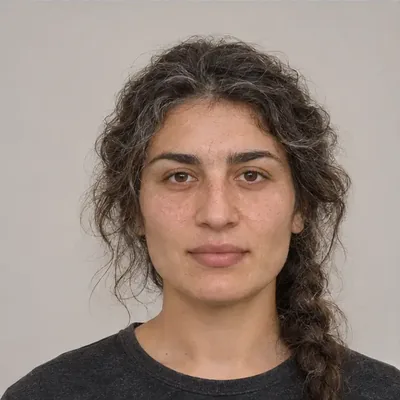
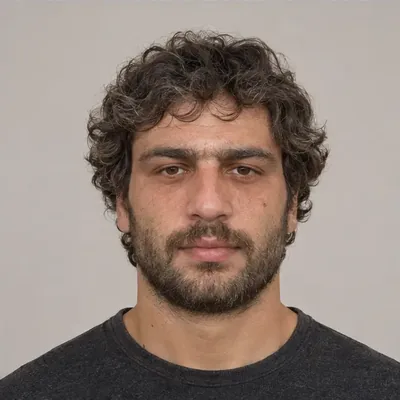
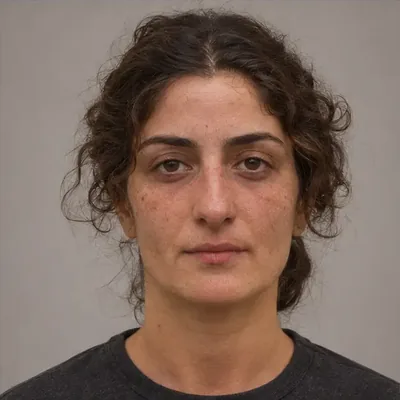
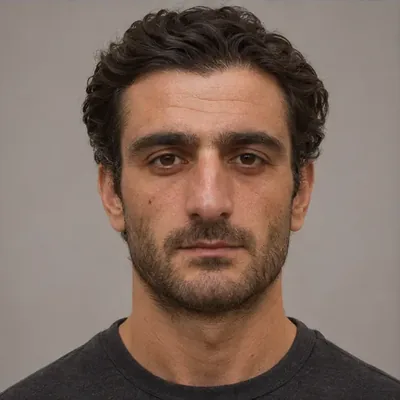
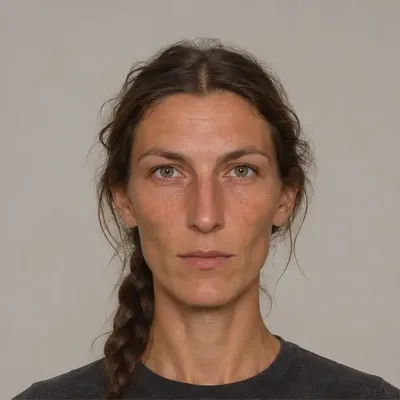
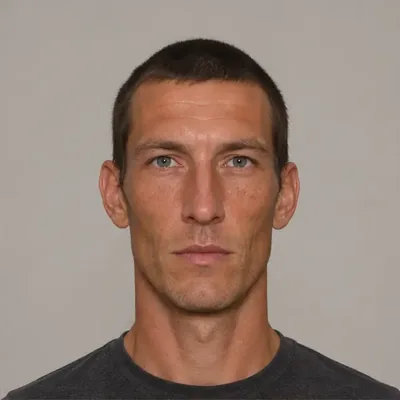
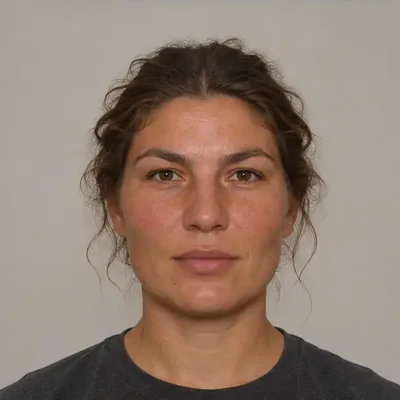
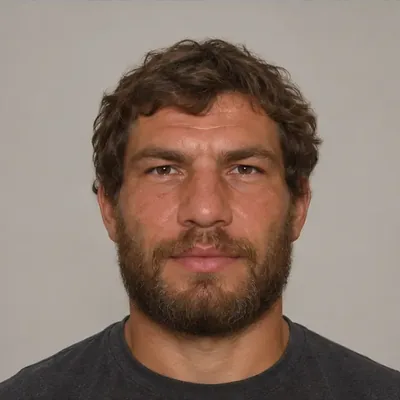
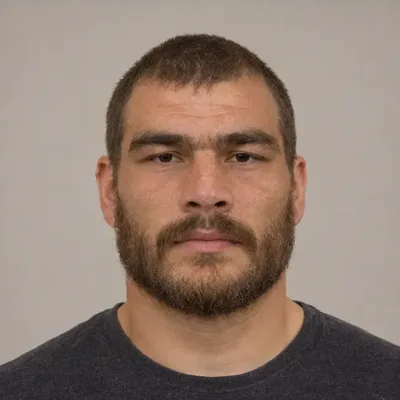
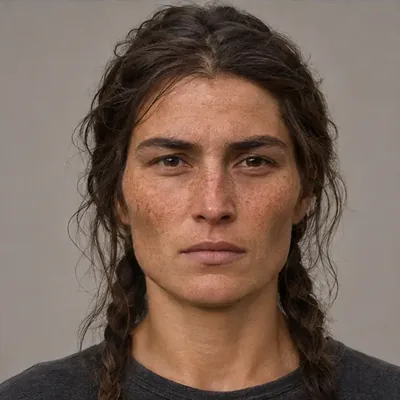
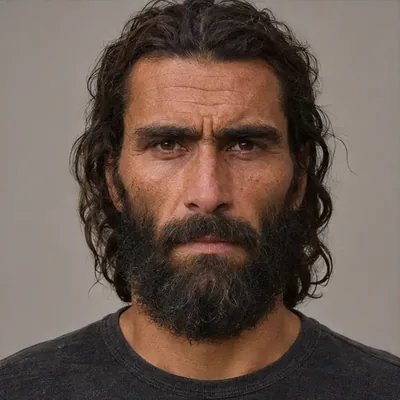
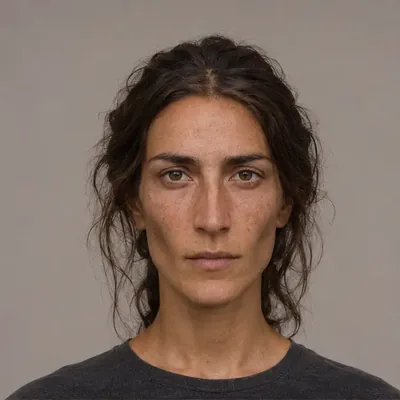
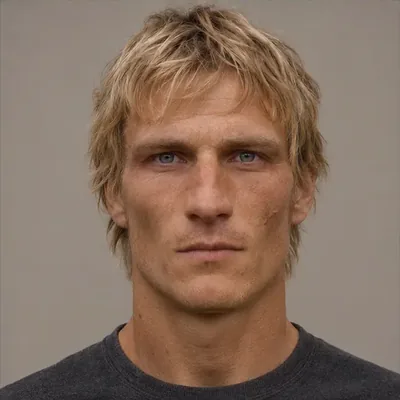
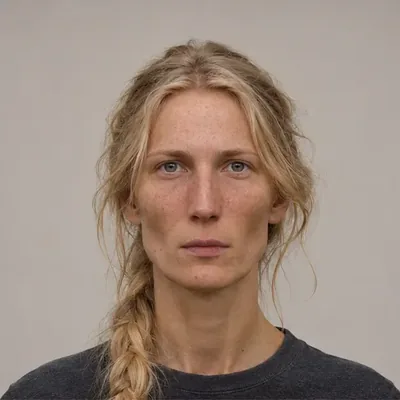
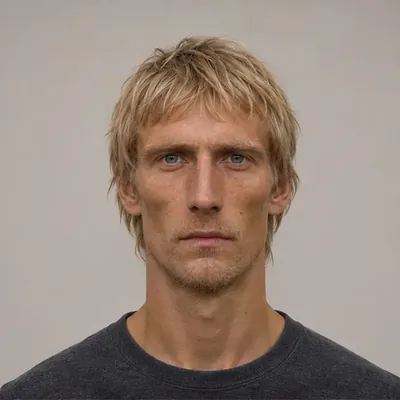
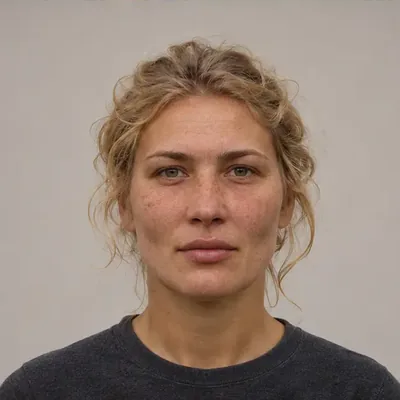
← Take the attraction test

Every group and its portraits: S

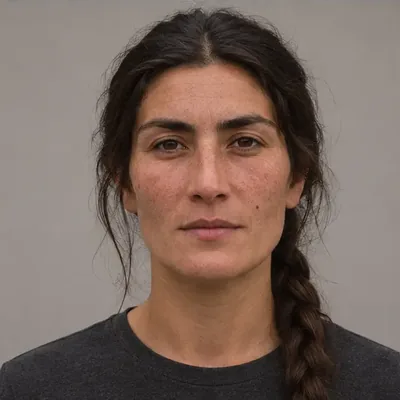
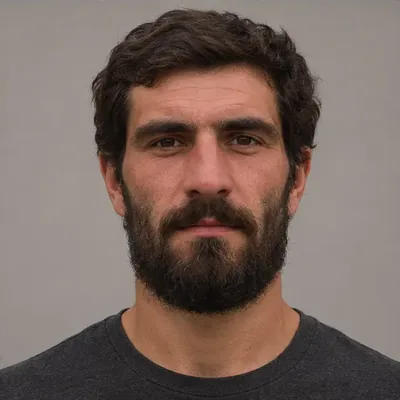
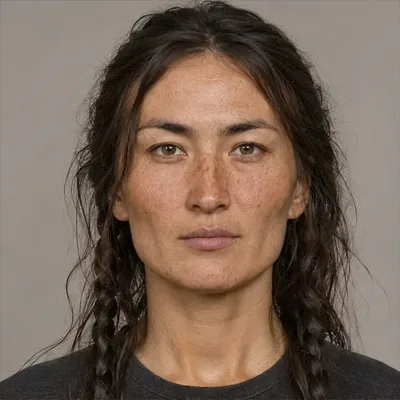
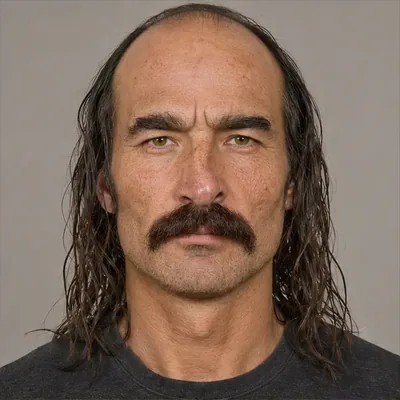
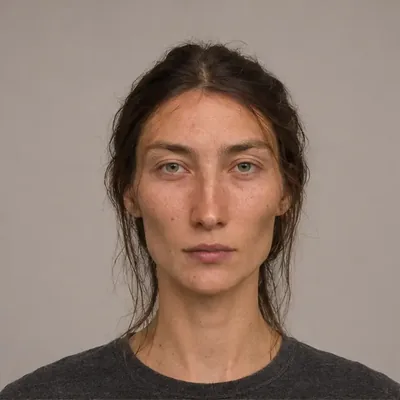
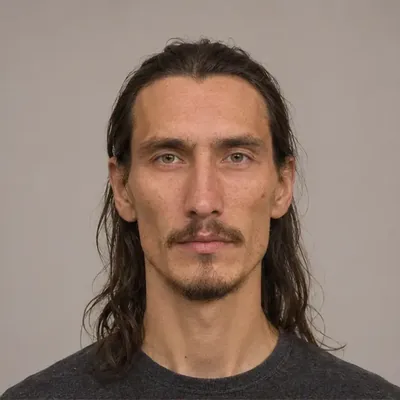
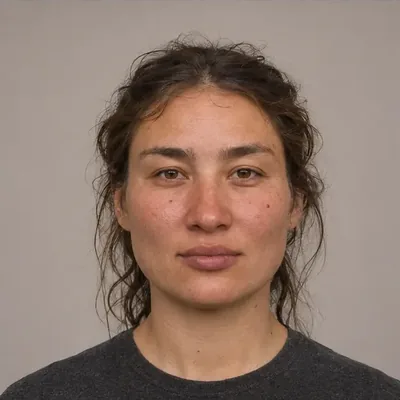
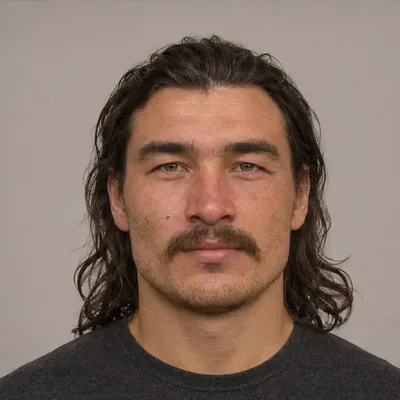
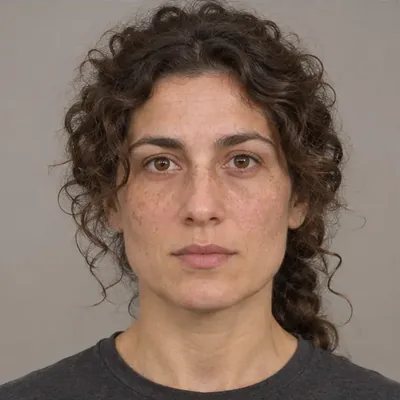
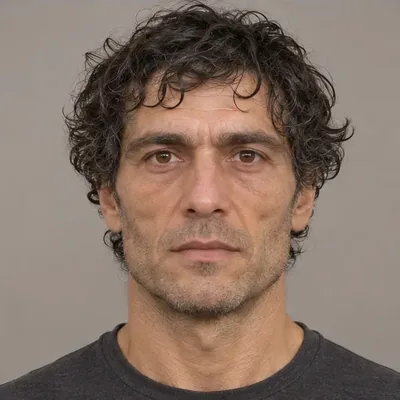
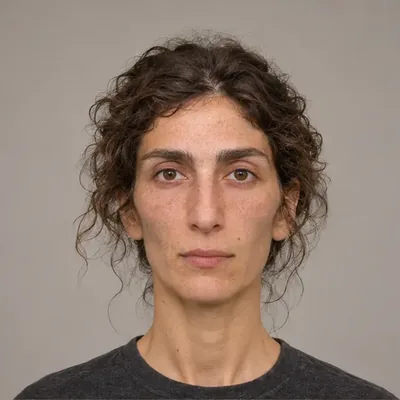
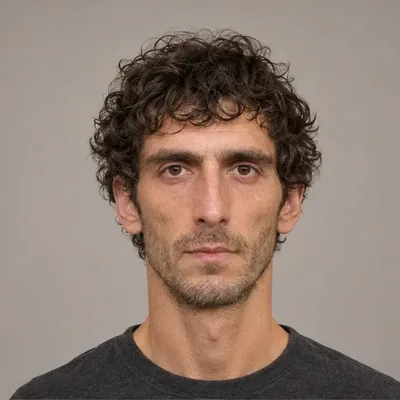
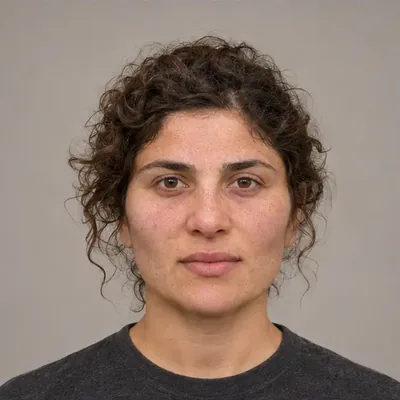
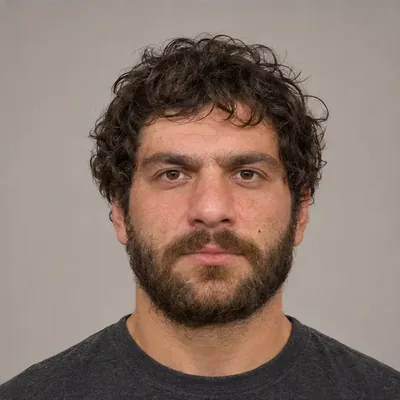
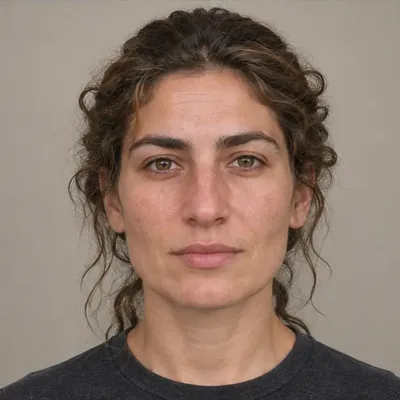
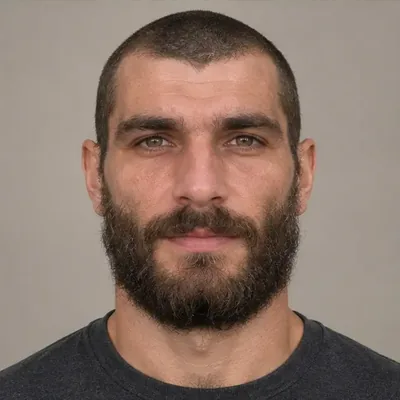
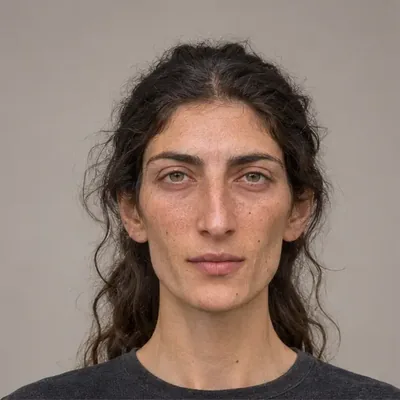
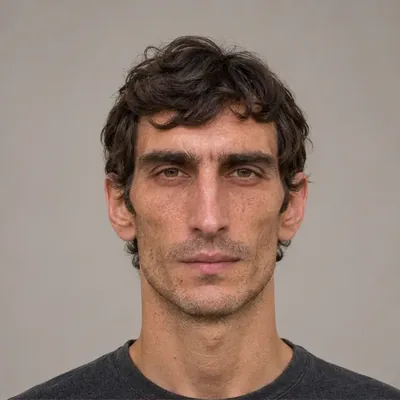
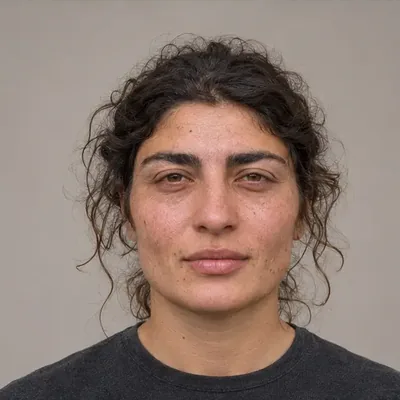
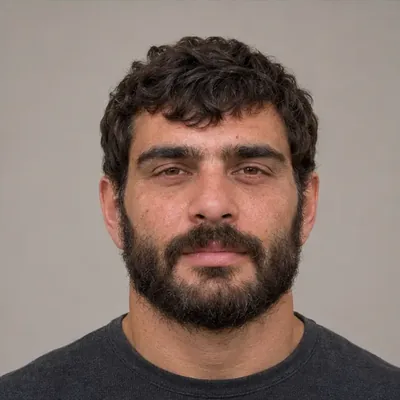
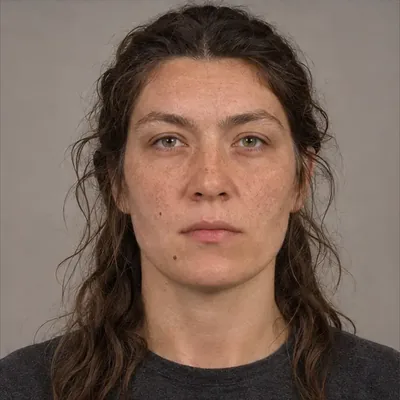
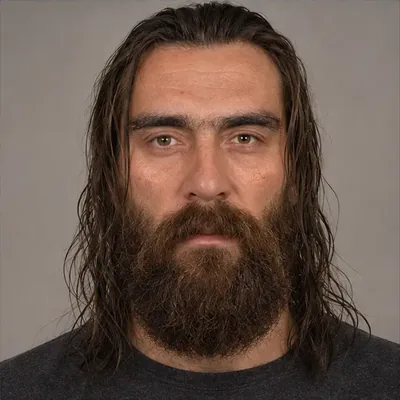
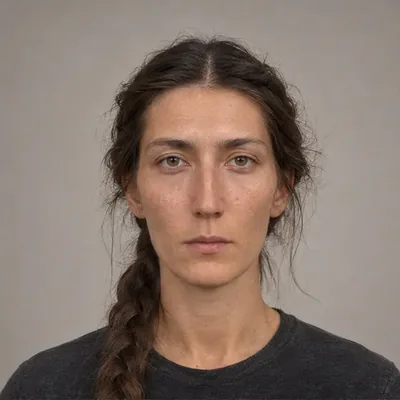
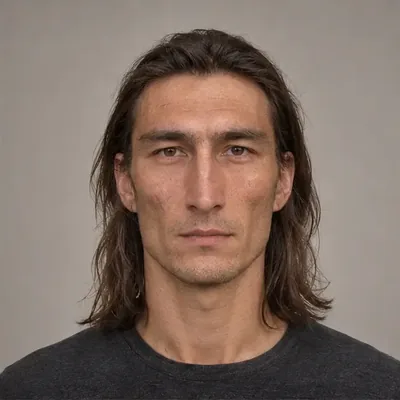
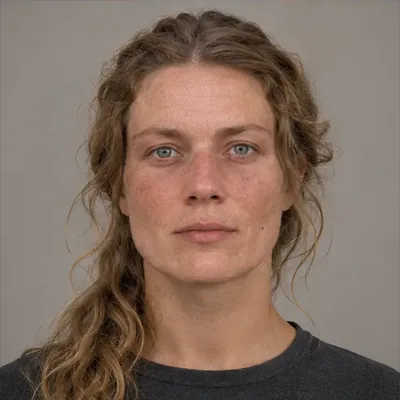
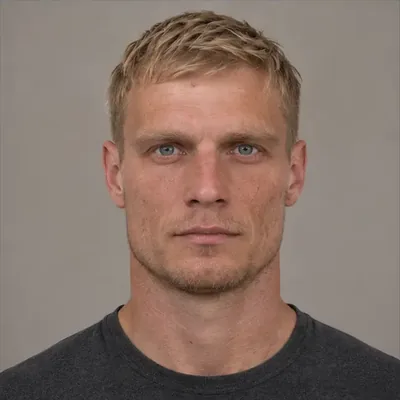
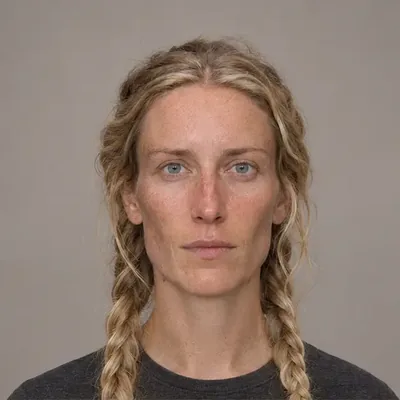
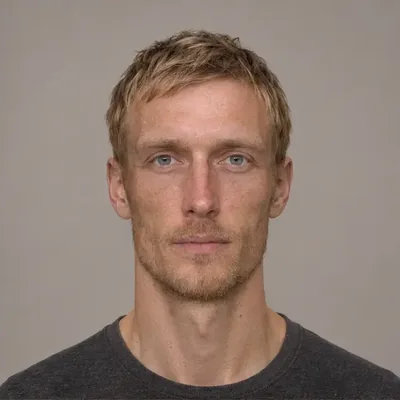
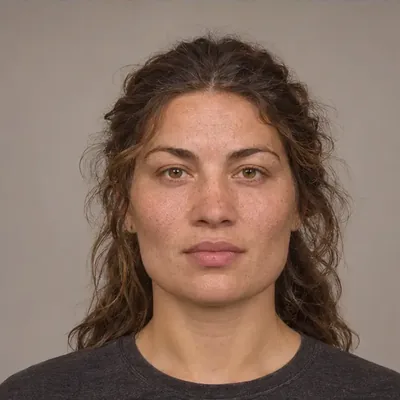
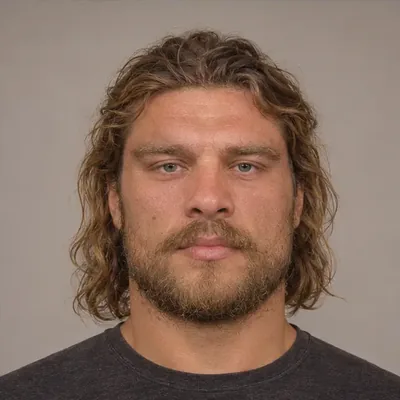
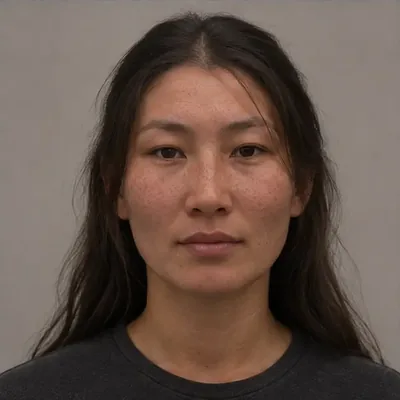
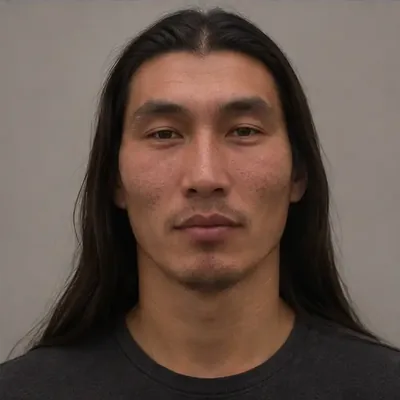
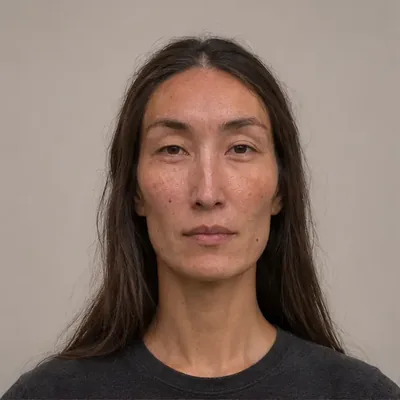
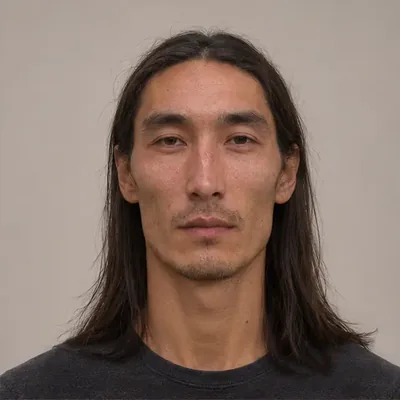
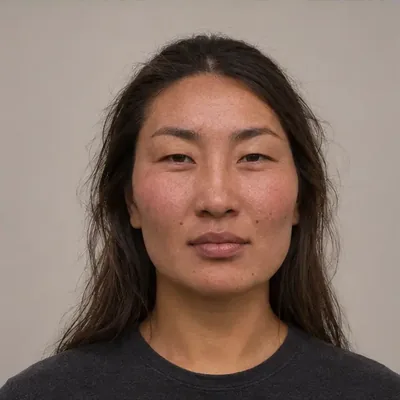
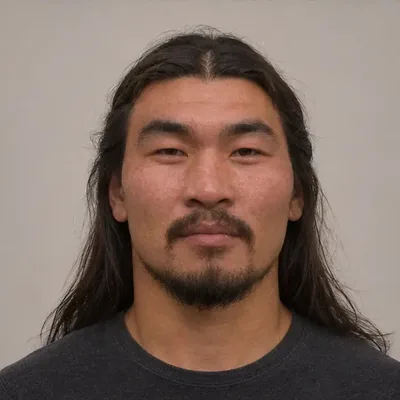
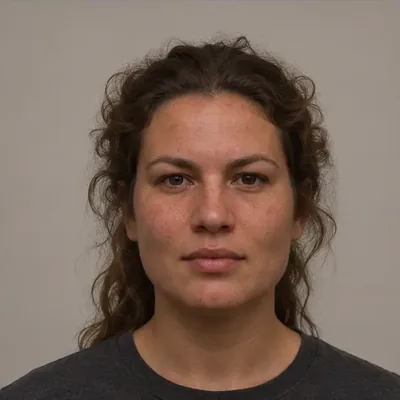
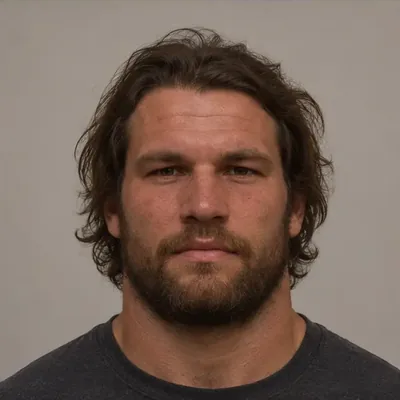
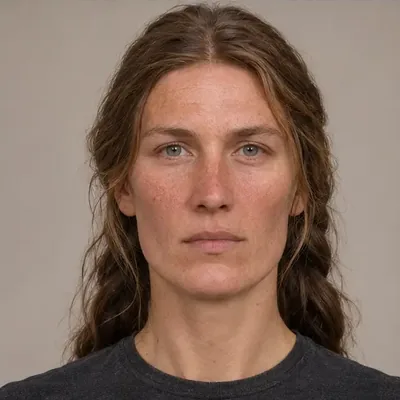
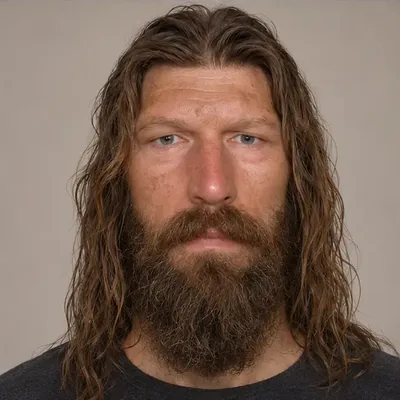
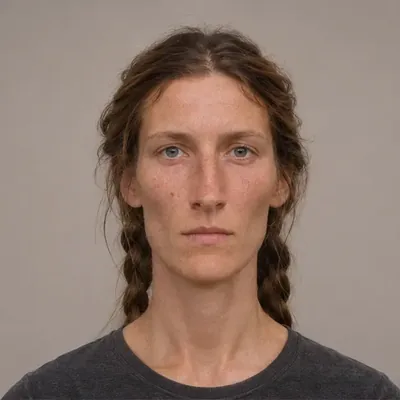
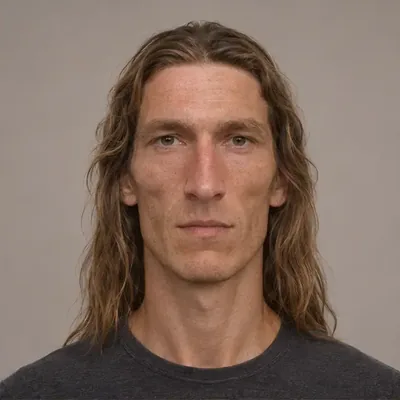
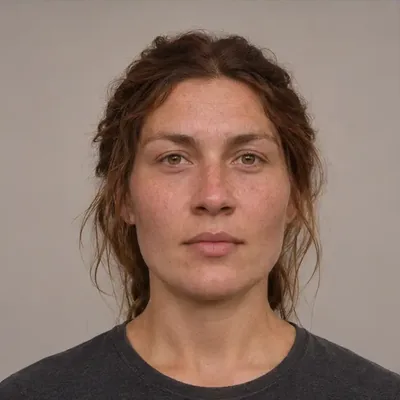
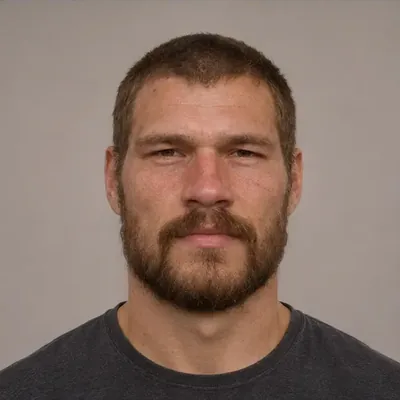
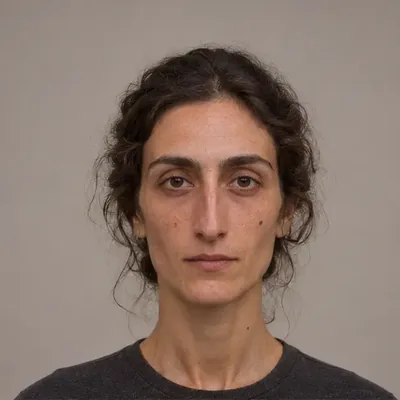
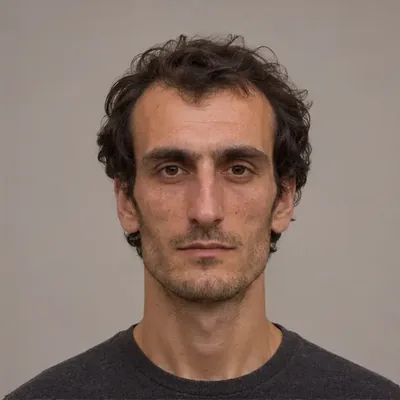
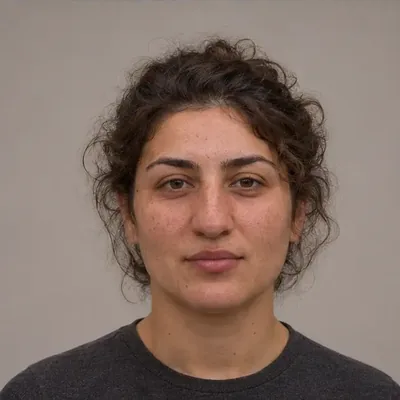
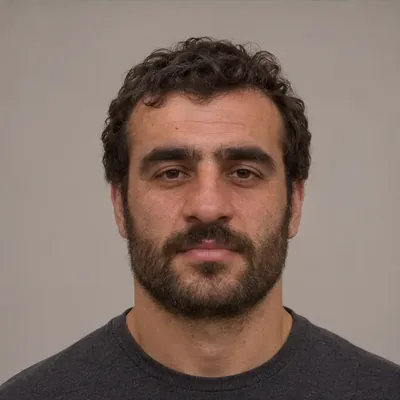
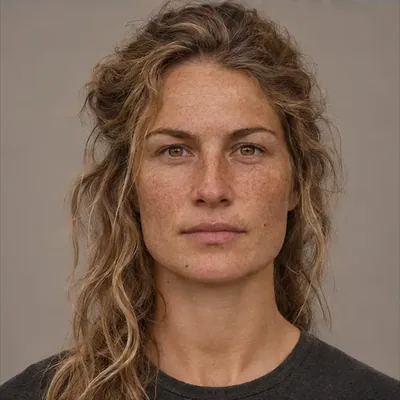
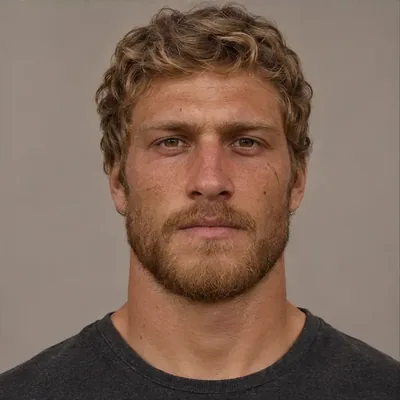
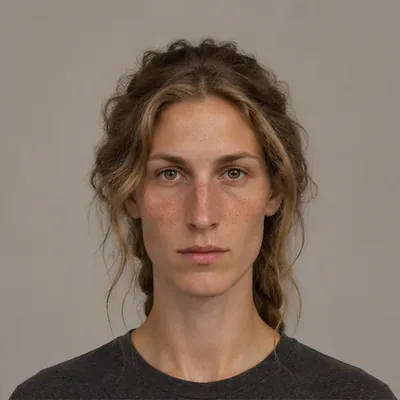
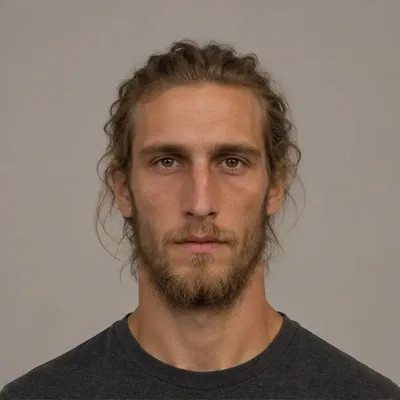
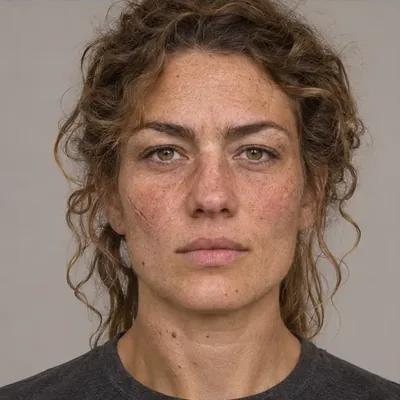
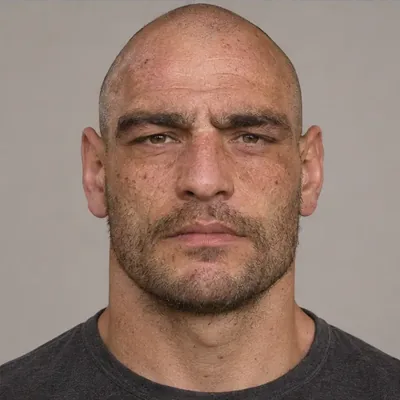
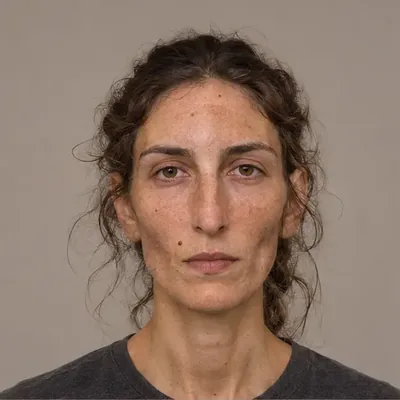
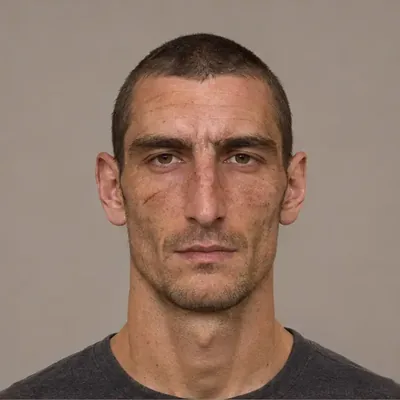
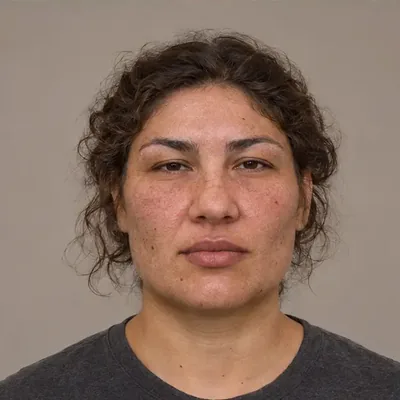
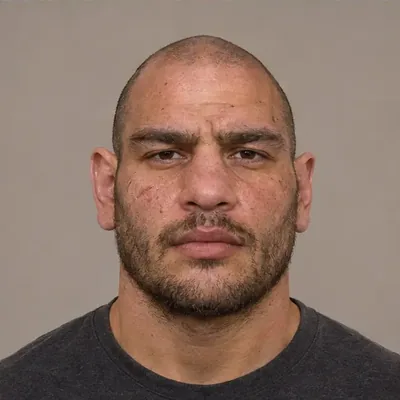
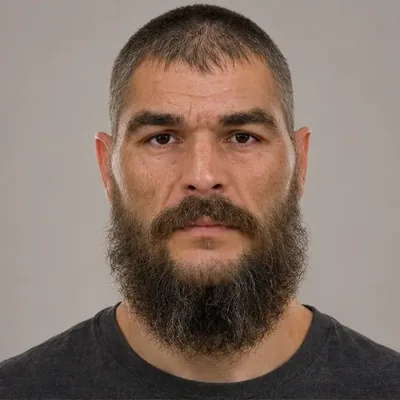
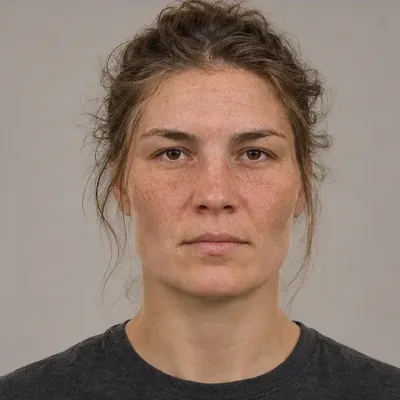
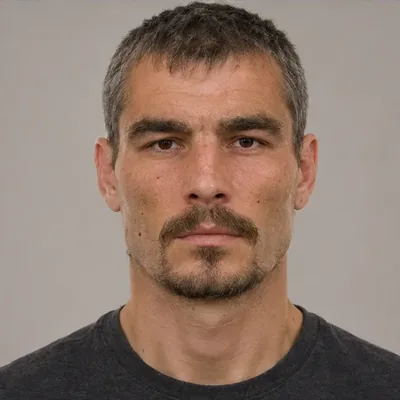
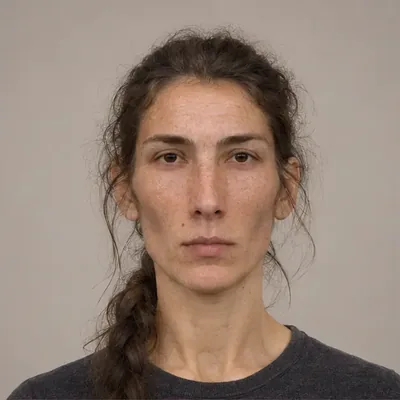
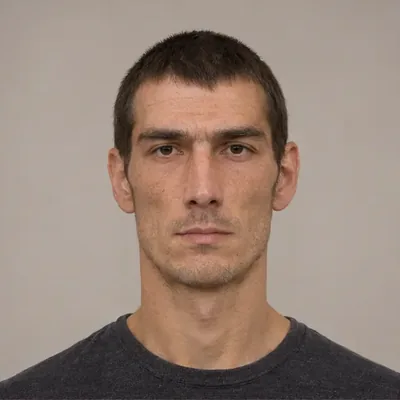
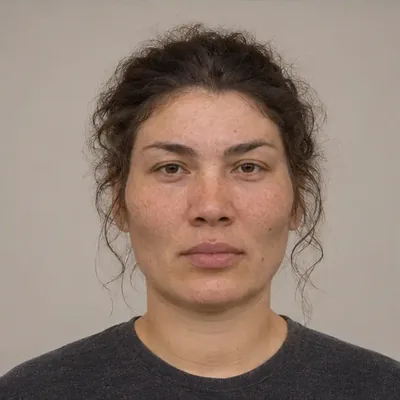
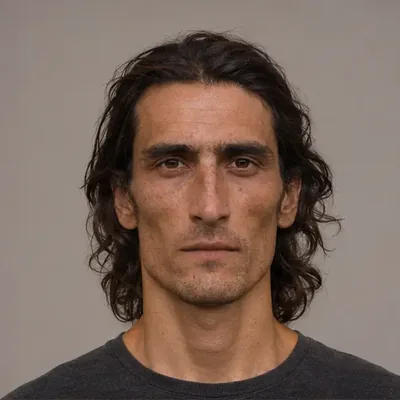
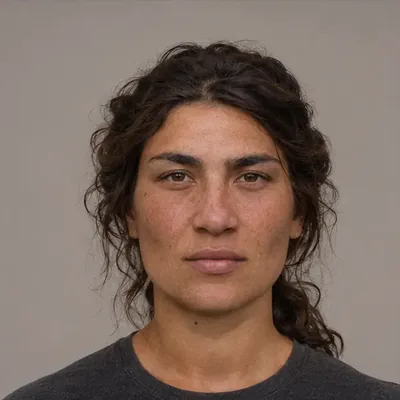
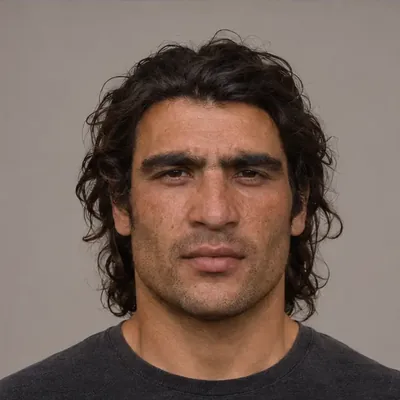
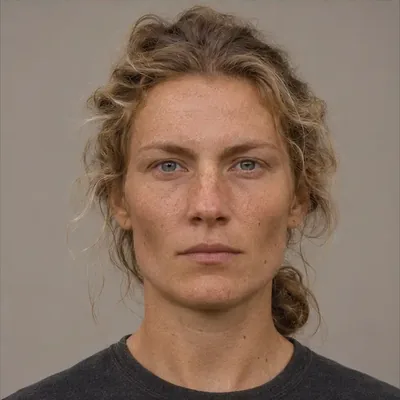
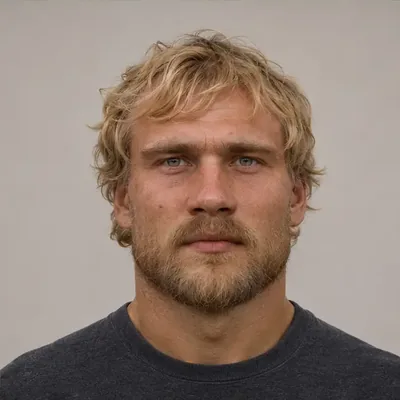
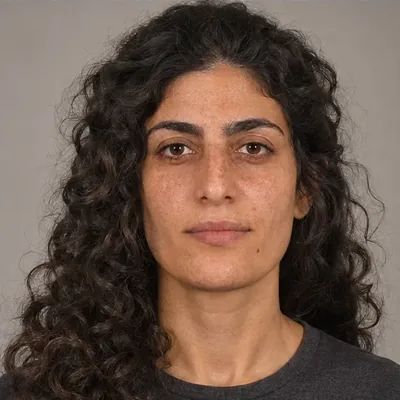
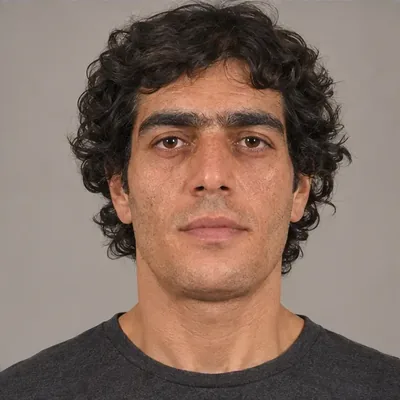
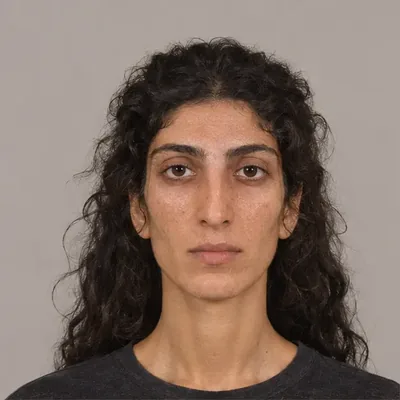
The 165 groups of the test, each with its eight fictional portraits: four women and four men. Everyone shows the first two of each; Women and Men show all four of one. This page: the 21 groups under S.

Saka and Wusun communities

Historical labels for distinct ancient Central Asian populations, grouped together in this catalog category. References come from Xinjiang; the combined label does not demonstrate one common language or genetic profile.
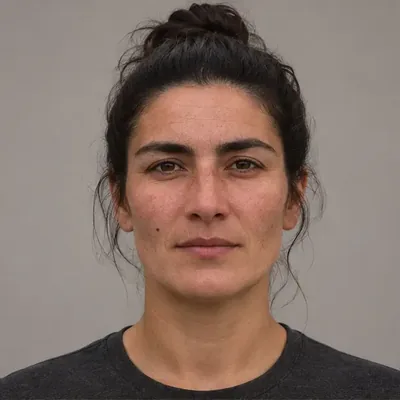
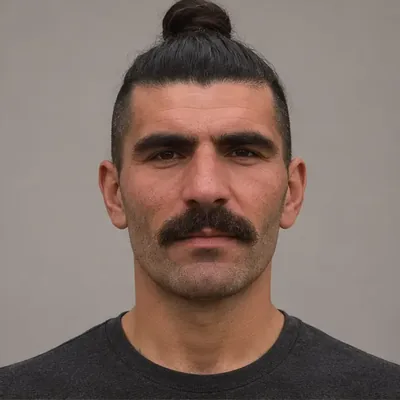
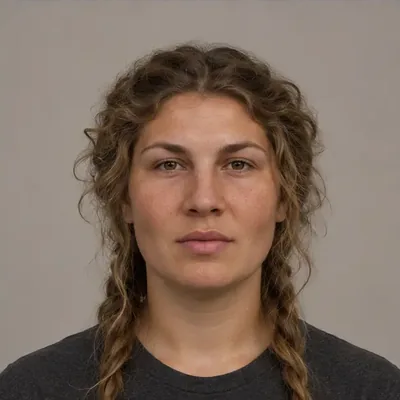
Woman 1, Saka and Wusun communities
Woman 1
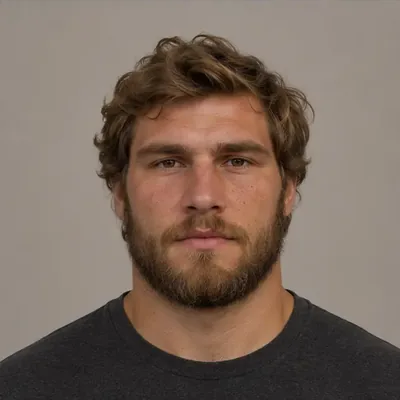
Man 1, Saka and Wusun communities
Man 1
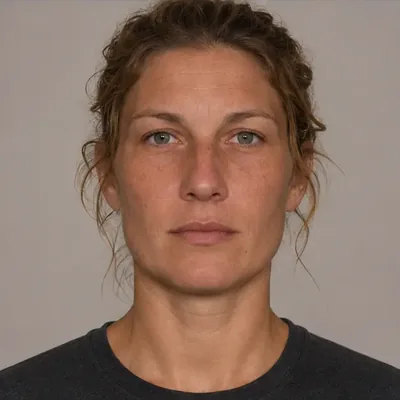
Woman 2, Saka and Wusun communities
Woman 2
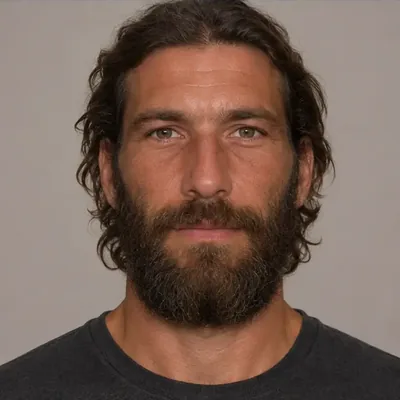
Man 2, Saka and Wusun communities
Man 2
Woman 3, Saka and Wusun communities
Woman 3
Man 3, Saka and Wusun communities
Man 3
Woman 4, Saka and Wusun communities
Woman 4
Man 4, Saka and Wusun communities
Man 4

Portraits drawn from the catalog reconstructions: Shanpula, Zhaosu, Saka-Wusun.

Saka of the Tian Shan

Iron Age steppe and mountain communities associated with the Saka world in the Tian Shan region of Central Asia. Saka is a broad historical-cultural designation.
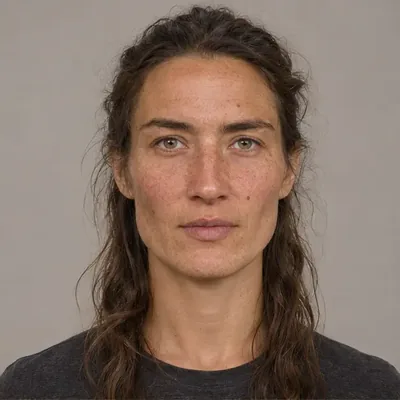
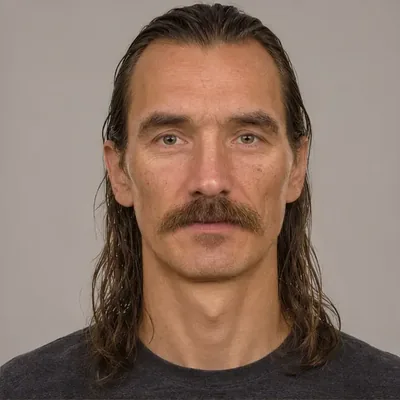
Woman 1, Saka of the Tian Shan
Woman 1
Man 1, Saka of the Tian Shan
Man 1
Woman 2, Saka of the Tian Shan
Woman 2
Man 2, Saka of the Tian Shan
Man 2
Woman 3, Saka of the Tian Shan
Woman 3
Man 3, Saka of the Tian Shan
Man 3
Woman 4, Saka of the Tian Shan
Woman 4
Man 4, Saka of the Tian Shan
Man 4

Portraits drawn from the catalog reconstructions: Tian Shan Culture Saka.

Samtavro, Iron Age

Iron Age people from the Samtavro cemetery near Mtskheta in eastern Georgia. This is a site-and-period category in the South Caucasus.
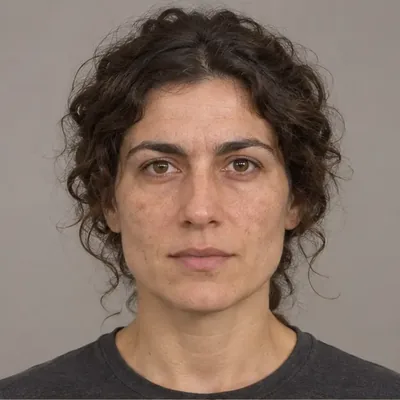
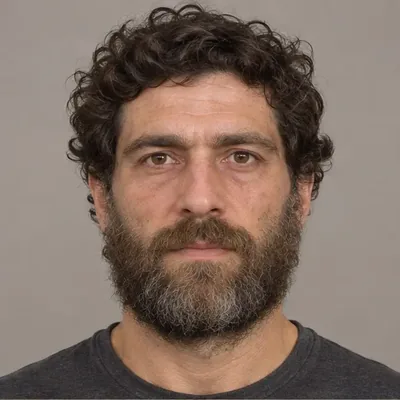
Woman 1, Samtavro, Iron Age
Woman 1
Man 1, Samtavro, Iron Age
Man 1
Woman 2, Samtavro, Iron Age
Woman 2
Man 2, Samtavro, Iron Age
Man 2
Woman 3, Samtavro, Iron Age
Woman 3
Man 3, Samtavro, Iron Age
Man 3
Woman 4, Samtavro, Iron Age
Woman 4
Man 4, Samtavro, Iron Age
Man 4

Portraits drawn from the catalog reconstructions: Samtavro IA, Samtavro IA.

Samtavro, Iron Age: western Georgian, Samtskhe, Armenian and Trialeti Bronze Age affinities

A Samtavro cemetery category with proposed comparisons to Bronze Age western Georgia and Samtskhe, and to Middle–Late Bronze Age Armenian and Trialeti groups. The compound is not a numerical ancestry model.
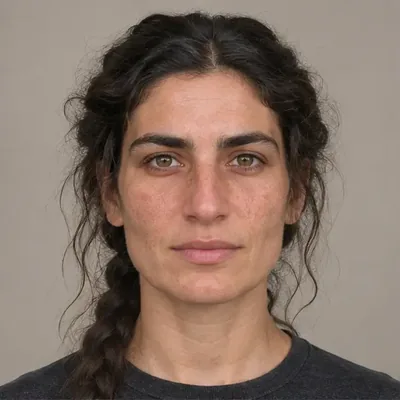
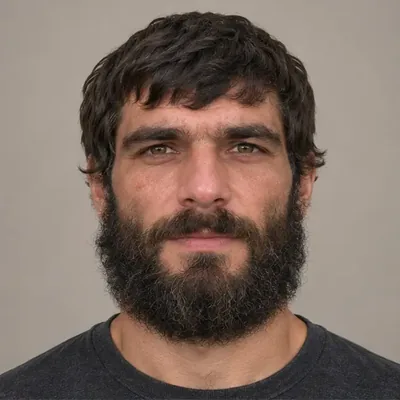
Woman 1, Samtavro, Iron Age: western Georgian, Samtskhe, Armenian and Trialeti Bronze Age affinities
Woman 1
Man 1, Samtavro, Iron Age: western Georgian, Samtskhe, Armenian and Trialeti Bronze Age affinities
Man 1
Woman 2, Samtavro, Iron Age: western Georgian, Samtskhe, Armenian and Trialeti Bronze Age affinities
Woman 2
Man 2, Samtavro, Iron Age: western Georgian, Samtskhe, Armenian and Trialeti Bronze Age affinities
Man 2
Woman 3, Samtavro, Iron Age: western Georgian, Samtskhe, Armenian and Trialeti Bronze Age affinities
Woman 3
Man 3, Samtavro, Iron Age: western Georgian, Samtskhe, Armenian and Trialeti Bronze Age affinities
Man 3
Woman 4, Samtavro, Iron Age: western Georgian, Samtskhe, Armenian and Trialeti Bronze Age affinities
Woman 4
Man 4, Samtavro, Iron Age: western Georgian, Samtskhe, Armenian and Trialeti Bronze Age affinities
Man 4

Portraits drawn from the catalog reconstructions: Samtavro Iron Age, Samtavro Iron Age, Samtavro IA.

Sarmatian communities

Iron Age and Roman-period steppe communities associated with Iranian-speaking groups north of the Black and Caspian Seas. References include the Filippovka burial complex in the southern Urals.
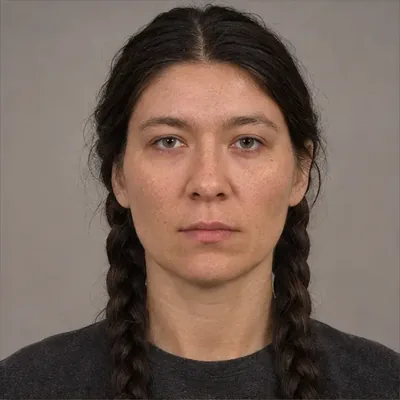
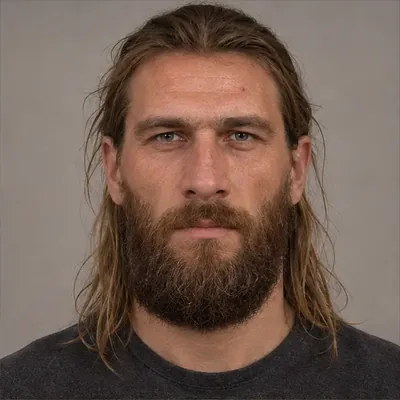
Woman 1, Sarmatian communities
Woman 1
Man 1, Sarmatian communities
Man 1
Woman 2, Sarmatian communities
Woman 2
Man 2, Sarmatian communities
Man 2
Woman 3, Sarmatian communities
Woman 3
Man 3, Sarmatian communities
Man 3
Woman 4, Sarmatian communities
Woman 4
Man 4, Sarmatian communities
Man 4

Portraits drawn from the catalog reconstructions: Sarmatian, Filippovka Sarmatian Male, Filippovka Sarmatian Female 1, Filippovka Sarmatian Priestess.

Scandinavia, Iron Age

Iron Age communities of Scandinavia, represented here by a Norwegian reconstruction. This is a regional and chronological grouping rather than one named tribe.
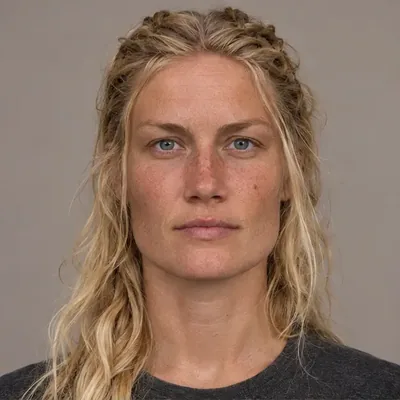
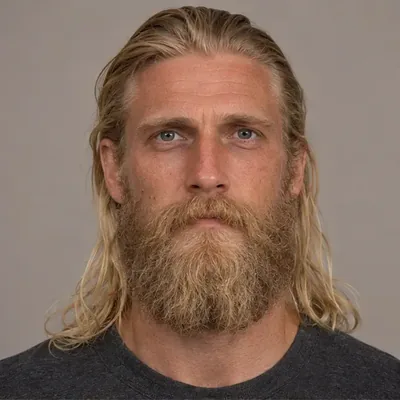
Woman 1, Scandinavia, Iron Age
Woman 1
Man 1, Scandinavia, Iron Age
Man 1
Woman 2, Scandinavia, Iron Age
Woman 2
Man 2, Scandinavia, Iron Age
Man 2
Woman 3, Scandinavia, Iron Age
Woman 3
Man 3, Scandinavia, Iron Age
Man 3
Woman 4, Scandinavia, Iron Age
Woman 4
Man 4, Scandinavia, Iron Age
Man 4

Portraits drawn from the catalog reconstructions: Norway IA.

Scandinavian, Viking and medieval references

A broad northern European regional category with Viking-period and medieval references from Norway and Sweden. These references cover different historical communities and periods.
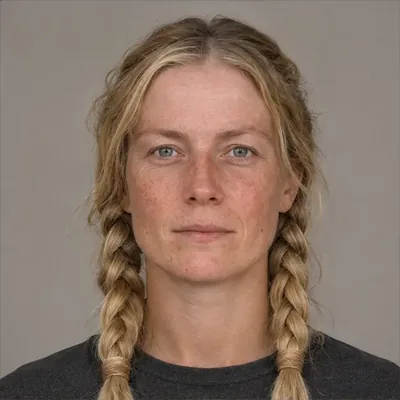
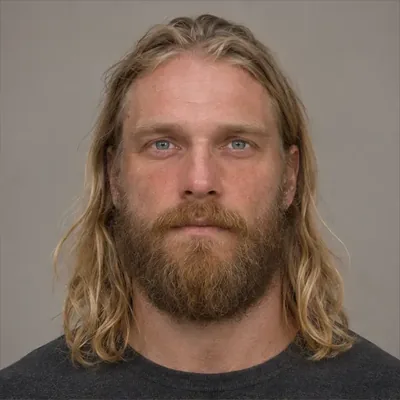
Woman 1, Scandinavian, Viking and medieval references
Woman 1
Man 1, Scandinavian, Viking and medieval references
Man 1
Woman 2, Scandinavian, Viking and medieval references
Woman 2
Man 2, Scandinavian, Viking and medieval references
Man 2
Woman 3, Scandinavian, Viking and medieval references
Woman 3
Man 3, Scandinavian, Viking and medieval references
Man 3
Woman 4, Scandinavian, Viking and medieval references
Woman 4
Man 4, Scandinavian, Viking and medieval references
Man 4

Portraits drawn from the catalog reconstructions: Viking Age Woman, Bodin Viking Age, Sweden Medieval, Norway Merovingian Period.

Scythian communities

Iron Age steppe communities conventionally grouped within the Scythian world. The catalog uses King Skilurus as its reference; the wider term includes varied regional populations.
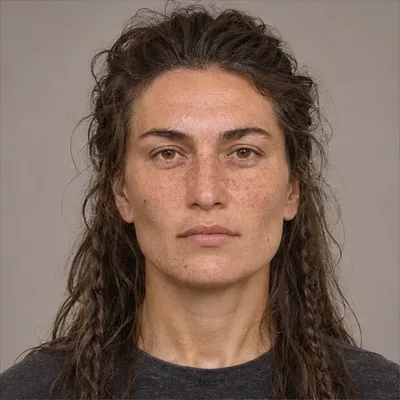
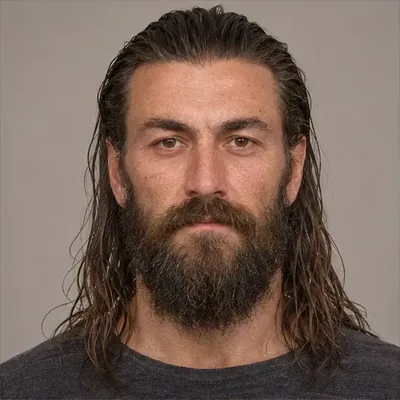
Woman 1, Scythian communities
Woman 1
Man 1, Scythian communities
Man 1
Woman 2, Scythian communities
Woman 2
Man 2, Scythian communities
Man 2
Woman 3, Scythian communities
Woman 3
Man 3, Scythian communities
Man 3
Woman 4, Scythian communities
Woman 4
Man 4, Scythian communities
Man 4

Portraits drawn from the catalog reconstructions: King Skilurus.

Scythian with proposed local ancestry (tentative)

A Scythian-period reconstruction from Serbki for which the catalog proposes an additional local background. The label does not identify a quantified genetic source.

The question mark makes the proposed local ancestry tentative; neither its amount nor a confirmed individual DNA assignment is supplied.
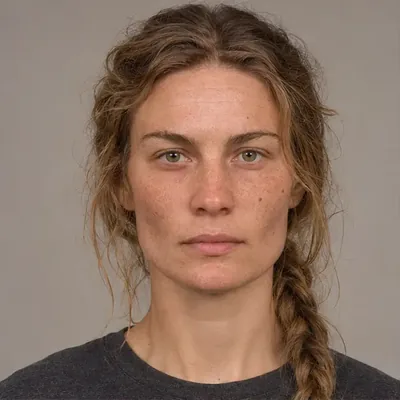
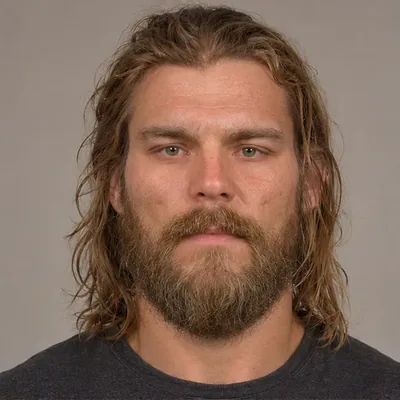
Woman 1, Scythian with proposed local ancestry (tentative)
Woman 1
Man 1, Scythian with proposed local ancestry (tentative)
Man 1
Woman 2, Scythian with proposed local ancestry (tentative)
Woman 2
Man 2, Scythian with proposed local ancestry (tentative)
Man 2
Woman 3, Scythian with proposed local ancestry (tentative)
Woman 3
Man 3, Scythian with proposed local ancestry (tentative)
Man 3
Woman 4, Scythian with proposed local ancestry (tentative)
Woman 4
Man 4, Scythian with proposed local ancestry (tentative)
Man 4

Portraits drawn from the catalog reconstructions: Serbki kurgan Scythian.

Siberian Scythian or Pazyryk affinity (tentative)

Alternative regional comparisons for an Arzhan reconstruction from Tuva. Pazyryk is a more specific Altai tradition within the broader Scythian-Siberian cultural world.

Both question marks make these comparisons tentative; the catalog does not resolve the reference into one definitive cultural or genetic group.
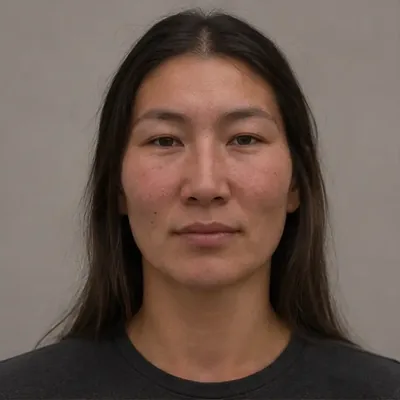
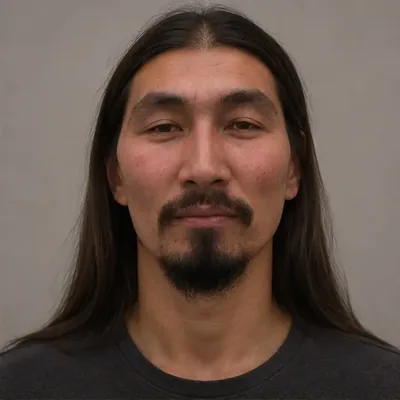
Woman 1, Siberian Scythian or Pazyryk affinity (tentative)
Woman 1
Man 1, Siberian Scythian or Pazyryk affinity (tentative)
Man 1
Woman 2, Siberian Scythian or Pazyryk affinity (tentative)
Woman 2
Man 2, Siberian Scythian or Pazyryk affinity (tentative)
Man 2
Woman 3, Siberian Scythian or Pazyryk affinity (tentative)
Woman 3
Man 3, Siberian Scythian or Pazyryk affinity (tentative)
Man 3
Woman 4, Siberian Scythian or Pazyryk affinity (tentative)
Woman 4
Man 4, Siberian Scythian or Pazyryk affinity (tentative)
Man 4

Portraits drawn from the catalog reconstructions: Arzhan Scythian.

Single Grave culture

A Late Neolithic burial tradition of northern Europe, especially Denmark and northern Germany, related to the wider Corded Ware horizon. Its name refers to characteristic individual burials.
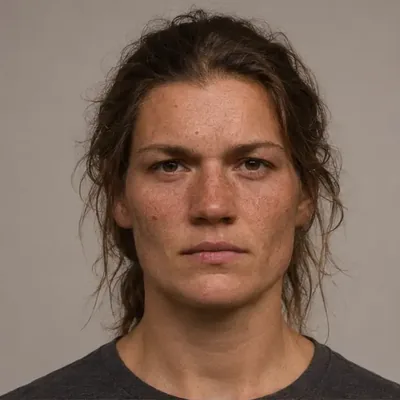
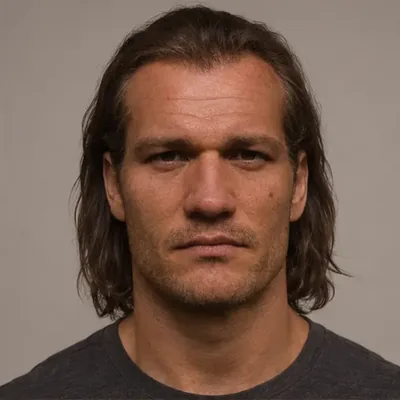
Woman 1, Single Grave culture
Woman 1
Man 1, Single Grave culture
Man 1
Woman 2, Single Grave culture
Woman 2
Man 2, Single Grave culture
Man 2
Woman 3, Single Grave culture
Woman 3
Man 3, Single Grave culture
Man 3
Woman 4, Single Grave culture
Woman 4
Man 4, Single Grave culture
Man 4

Portraits drawn from the catalog reconstructions: Borreby 8.

Sintashta culture

A Bronze Age archaeological tradition of the southern Urals, known for fortified settlements, intensive metalworking and chariot-related burials. It is one reference within the broader steppe Bronze Age grouping.
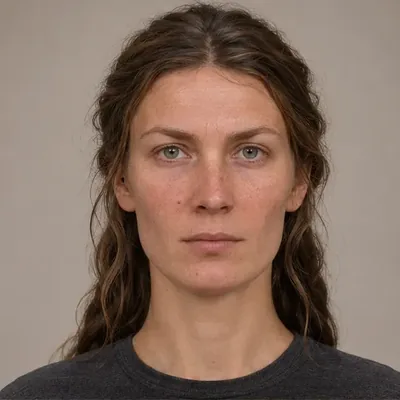
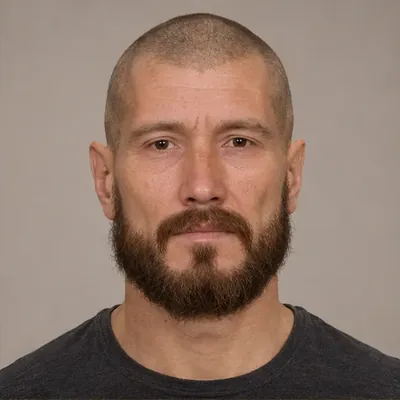
Woman 1, Sintashta culture
Woman 1
Man 1, Sintashta culture
Man 1
Woman 2, Sintashta culture
Woman 2
Man 2, Sintashta culture
Man 2
Woman 3, Sintashta culture
Woman 3
Man 3, Sintashta culture
Man 3
Woman 4, Sintashta culture
Woman 4
Man 4, Sintashta culture
Man 4

Portraits drawn from the catalog reconstructions: Bulanovo 4, Stepnoe Cemetery, Stepnoye Cemetary, Sintashta acromegalic smith.

Slavic, Armenian and Bulgar historical affinities (tentative)

A proposed combination of historical backgrounds for the Tsar Samuil reconstruction. Slavic and Armenian are linguistic-historical labels; Bulgar refers to medieval communities and political traditions.

The question mark marks a speculative historical assignment, not a demonstrated three-way DNA mixture for Samuil.
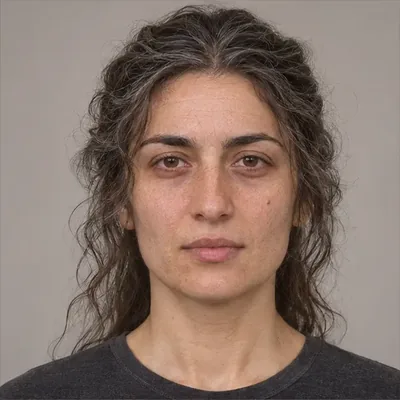
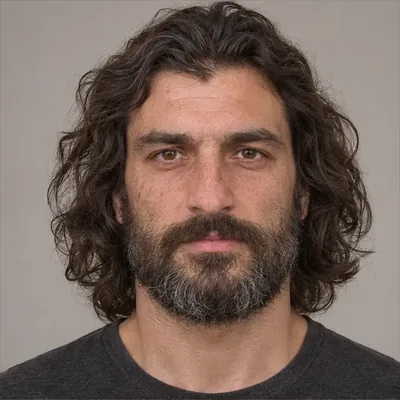
Woman 1, Slavic, Armenian and Bulgar historical affinities (tentative)
Woman 1
Man 1, Slavic, Armenian and Bulgar historical affinities (tentative)
Man 1
Woman 2, Slavic, Armenian and Bulgar historical affinities (tentative)
Woman 2
Man 2, Slavic, Armenian and Bulgar historical affinities (tentative)
Man 2
Woman 3, Slavic, Armenian and Bulgar historical affinities (tentative)
Woman 3
Man 3, Slavic, Armenian and Bulgar historical affinities (tentative)
Man 3
Woman 4, Slavic, Armenian and Bulgar historical affinities (tentative)
Woman 4
Man 4, Slavic, Armenian and Bulgar historical affinities (tentative)
Man 4

Portraits drawn from the catalog reconstructions: Tsar Samuil.

South Caucasus affinity (tentative)

A broad proposed regional association with the lands south of the Greater Caucasus, including Georgia, Armenia and Azerbaijan. The catalog reference is Feodor Kamskyi.

The question mark flags uncertainty about this reconstructed person's regional background; it does not identify a specific ancient culture.
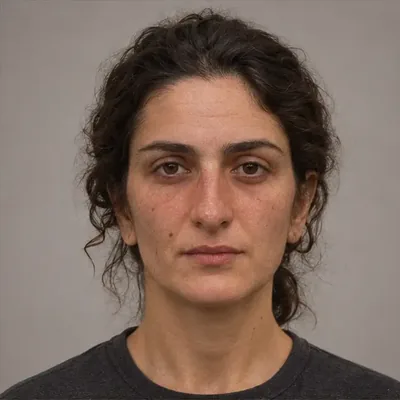
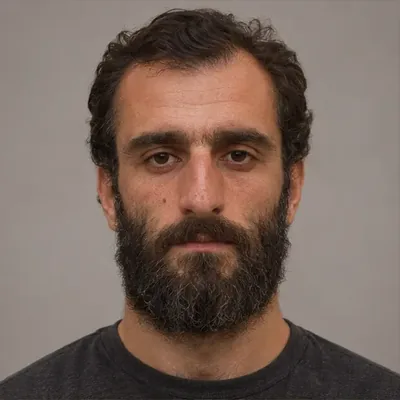
Woman 1, South Caucasus affinity (tentative)
Woman 1
Man 1, South Caucasus affinity (tentative)
Man 1
Woman 2, South Caucasus affinity (tentative)
Woman 2
Man 2, South Caucasus affinity (tentative)
Man 2
Woman 3, South Caucasus affinity (tentative)
Woman 3
Man 3, South Caucasus affinity (tentative)
Man 3
Woman 4, South Caucasus affinity (tentative)
Woman 4
Man 4, South Caucasus affinity (tentative)
Man 4

Portraits drawn from the catalog reconstructions: Feodor Kamskyi.

Srubnaya culture

A Late Bronze Age steppe tradition north of the Black and Caspian Seas, named for timber-lined graves. Its communities were associated with herding and regional metalworking.
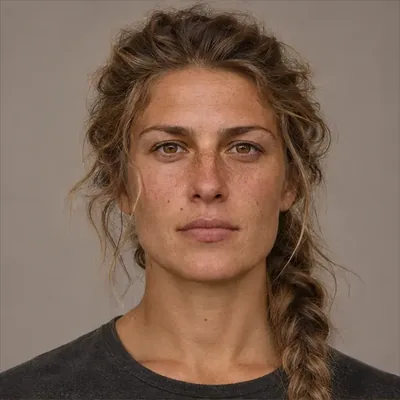
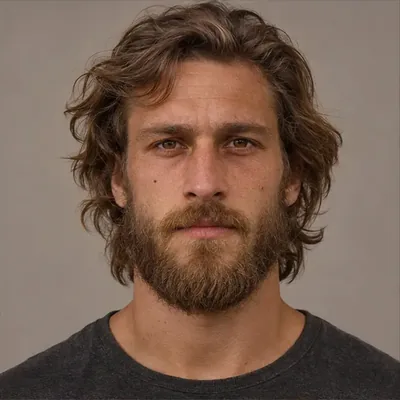
Woman 1, Srubnaya culture
Woman 1
Man 1, Srubnaya culture
Man 1
Woman 2, Srubnaya culture
Woman 2
Man 2, Srubnaya culture
Man 2
Woman 3, Srubnaya culture
Woman 3
Man 3, Srubnaya culture
Man 3
Woman 4, Srubnaya culture
Woman 4
Man 4, Srubnaya culture
Man 4

Portraits drawn from the catalog reconstructions: Srubnaya Culture.

Srubnaya–Alakul traditions

Related Bronze Age pastoralist traditions across the Volga-Ural and Kazakhstan regions. The combined category places Alakul references within a wider steppe cultural comparison.
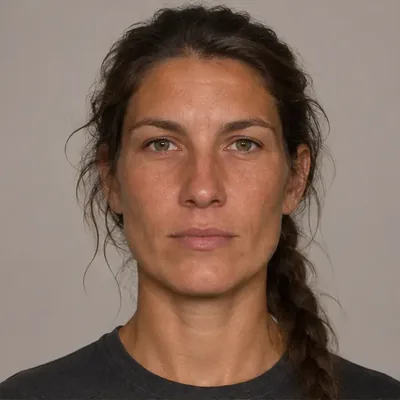
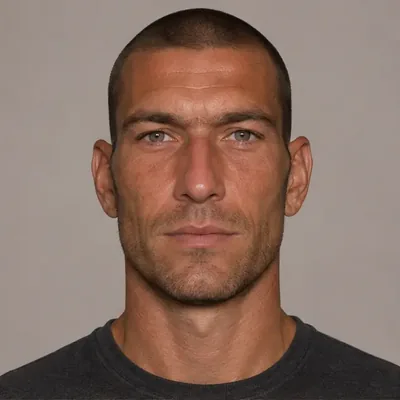
Woman 1, Srubnaya–Alakul traditions
Woman 1
Man 1, Srubnaya–Alakul traditions
Man 1
Woman 2, Srubnaya–Alakul traditions
Woman 2
Man 2, Srubnaya–Alakul traditions
Man 2
Woman 3, Srubnaya–Alakul traditions
Woman 3
Man 3, Srubnaya–Alakul traditions
Man 3
Woman 4, Srubnaya–Alakul traditions
Woman 4
Man 4, Srubnaya–Alakul traditions
Man 4

Portraits drawn from the catalog reconstructions: Alakul Culture.

Steppe Maykop or Steppe Maykop ancestry outlier (tentative)

Steppe Maykop denotes Early Bronze Age communities north of the Caucasus. The suffix “o” means ancestry outlier relative to that comparison group; it is not a medical or facial classification.

Both question marks flag alternative assignments for the Ipatovo reconstruction. An outlier label requires genetic comparison and cannot be established from the portrait.
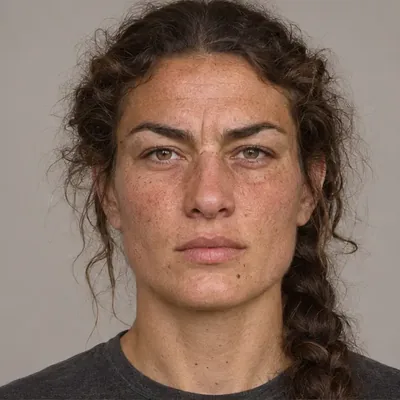
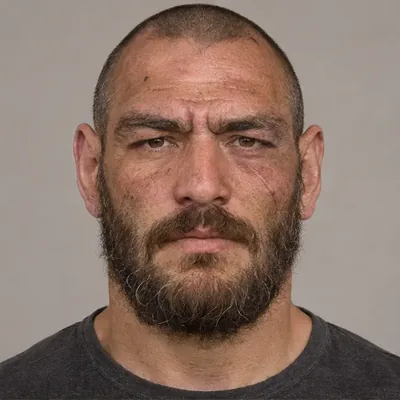
Woman 1, Steppe Maykop or Steppe Maykop ancestry outlier (tentative)
Woman 1
Man 1, Steppe Maykop or Steppe Maykop ancestry outlier (tentative)
Man 1
Woman 2, Steppe Maykop or Steppe Maykop ancestry outlier (tentative)
Woman 2
Man 2, Steppe Maykop or Steppe Maykop ancestry outlier (tentative)
Man 2
Woman 3, Steppe Maykop or Steppe Maykop ancestry outlier (tentative)
Woman 3
Man 3, Steppe Maykop or Steppe Maykop ancestry outlier (tentative)
Man 3
Woman 4, Steppe Maykop or Steppe Maykop ancestry outlier (tentative)
Woman 4
Man 4, Steppe Maykop or Steppe Maykop ancestry outlier (tentative)
Man 4

Portraits drawn from the catalog reconstructions: Ipatovo Kurgan.

Steppe, Early–Middle Bronze Age (tentative)

A broad ancient-DNA comparison grouping for Early and Middle Bronze Age steppe populations, including Yamnaya-related communities. The catalog reference comes from Grachevka.

The question mark makes this reference's assignment to the broader steppe grouping tentative.
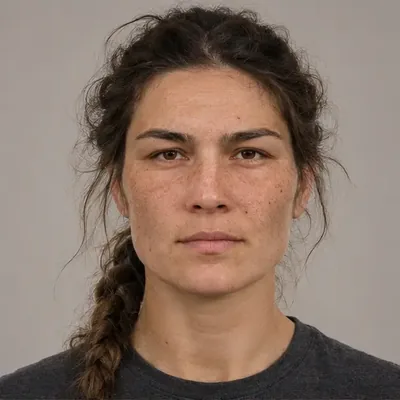
Woman 1, Steppe, Early–Middle Bronze Age (tentative)
Woman 1
Man 1, Steppe, Early–Middle Bronze Age (tentative)
Man 1
Woman 2, Steppe, Early–Middle Bronze Age (tentative)
Woman 2
Man 2, Steppe, Early–Middle Bronze Age (tentative)
Man 2
Woman 3, Steppe, Early–Middle Bronze Age (tentative)
Woman 3
Man 3, Steppe, Early–Middle Bronze Age (tentative)
Man 3
Woman 4, Steppe, Early–Middle Bronze Age (tentative)
Woman 4
Man 4, Steppe, Early–Middle Bronze Age (tentative)
Man 4

Portraits drawn from the catalog reconstructions: Grachevka.

Steppe, Eneolithic (Copper Age)

Copper Age communities of the Eurasian steppe before the main Yamnaya horizon. Eneolithic is another term for the Chalcolithic or Copper Age.
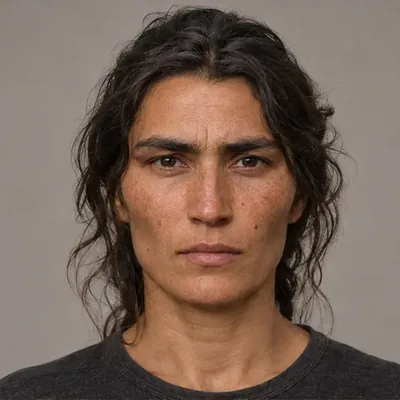
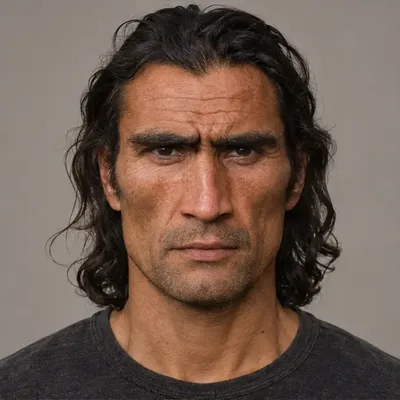
Woman 1, Steppe, Eneolithic (Copper Age)
Woman 1
Man 1, Steppe, Eneolithic (Copper Age)
Man 1
Woman 2, Steppe, Eneolithic (Copper Age)
Woman 2
Man 2, Steppe, Eneolithic (Copper Age)
Man 2
Woman 3, Steppe, Eneolithic (Copper Age)
Woman 3
Man 3, Steppe, Eneolithic (Copper Age)
Man 3
Woman 4, Steppe, Eneolithic (Copper Age)
Woman 4
Man 4, Steppe, Eneolithic (Copper Age)
Man 4

Portraits drawn from the catalog reconstructions: Bamut Eneolithic, Berezhnevka Steppe Eneolithic.

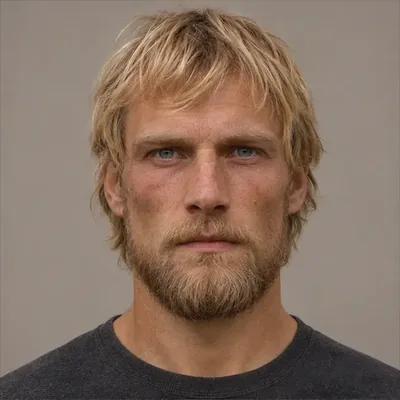
Steppe, Middle–Late Bronze Age

A broad ancient-DNA comparison grouping for Middle and Late Bronze Age steppe pastoralists, including Sintashta, Andronovo and Srubnaya-related populations. It is wider than any one archaeological culture.
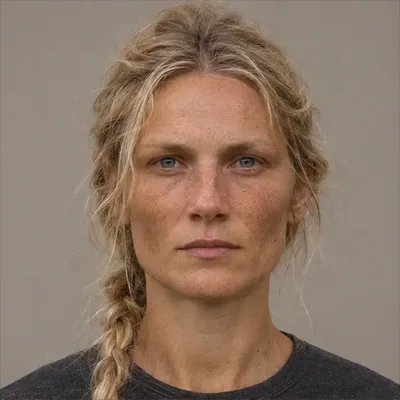
Woman 1, Steppe, Middle–Late Bronze Age
Woman 1
Man 1, Steppe, Middle–Late Bronze Age
Man 1
Woman 2, Steppe, Middle–Late Bronze Age
Woman 2
Man 2, Steppe, Middle–Late Bronze Age
Man 2
Woman 3, Steppe, Middle–Late Bronze Age
Woman 3
Man 3, Steppe, Middle–Late Bronze Age
Man 3
Woman 4, Steppe, Middle–Late Bronze Age
Woman 4
Man 4, Steppe, Middle–Late Bronze Age
Man 4

Portraits drawn from the catalog reconstructions: Srubnaya Culture.

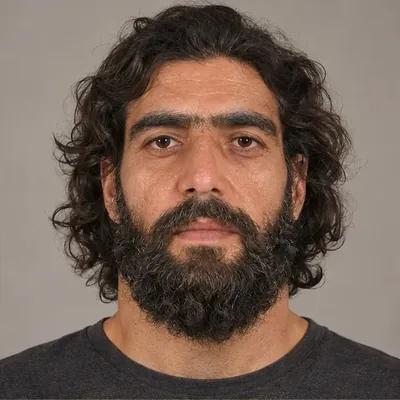
Sumerian civilization

Ancient southern Mesopotamian communities associated with Sumerian language and early cities in present-day Iraq. This is a historical-cultural designation rather than one uniform genetic population.
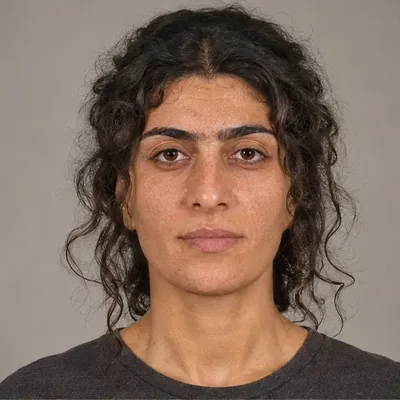
Woman 1, Sumerian civilization
Woman 1
Man 1, Sumerian civilization
Man 1
Woman 2, Sumerian civilization
Woman 2
Man 2, Sumerian civilization
Man 2
Woman 3, Sumerian civilization
Woman 3
Man 3, Sumerian civilization
Man 3
Woman 4, Sumerian civilization
Woman 4
Man 4, Sumerian civilization
Man 4

Portraits drawn from the catalog reconstructions: Sumerian.

← Previous letter: P Next letter: T →