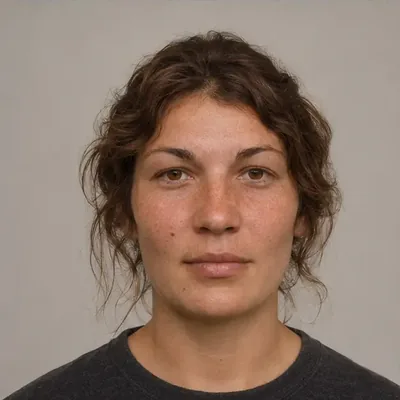
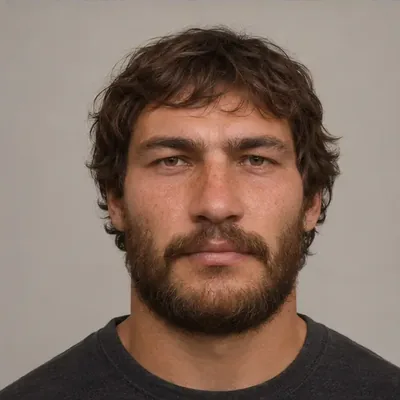
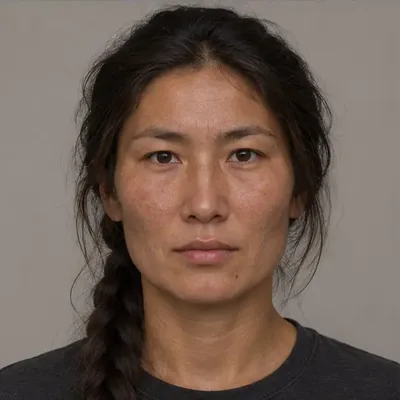
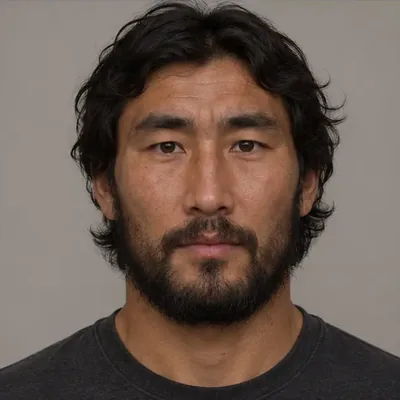
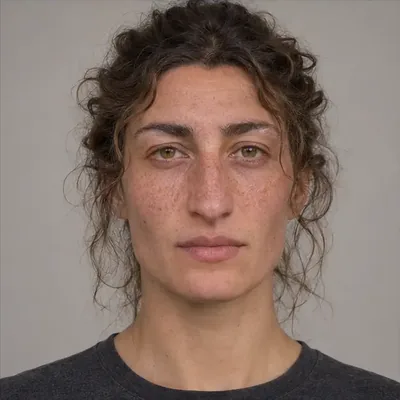
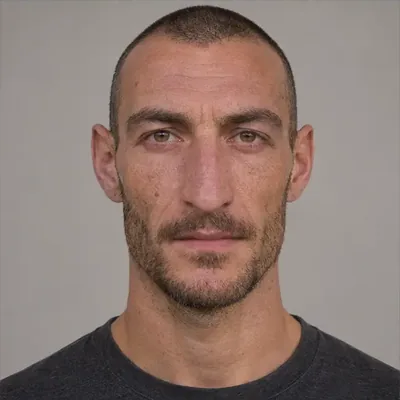
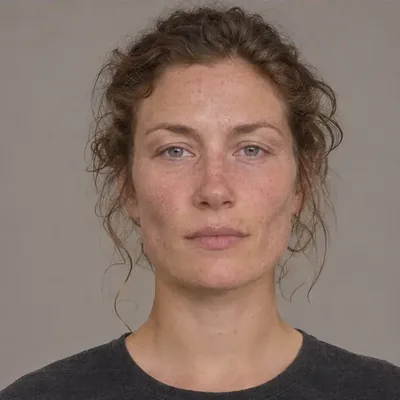
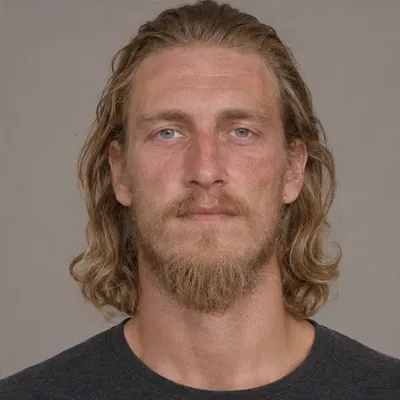
← Take the attraction test

Every group and its portraits: K

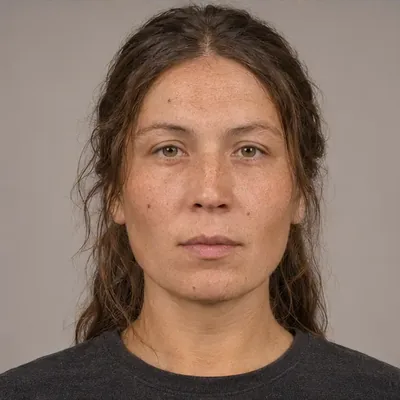
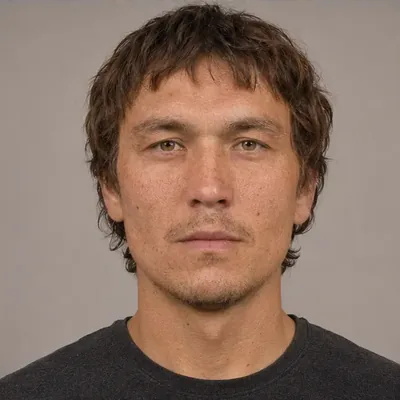
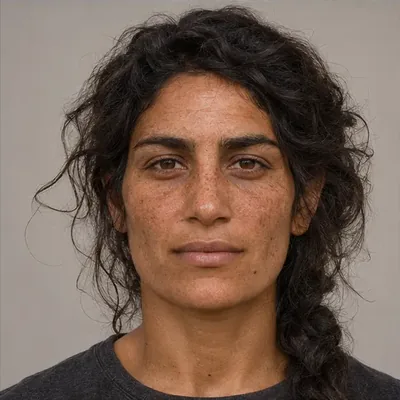
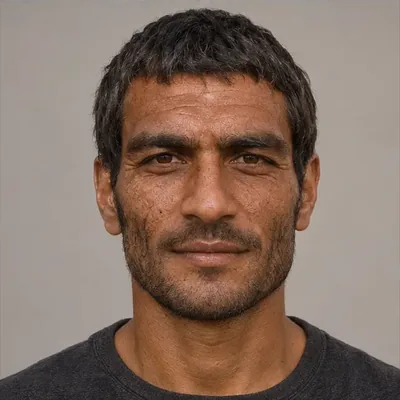
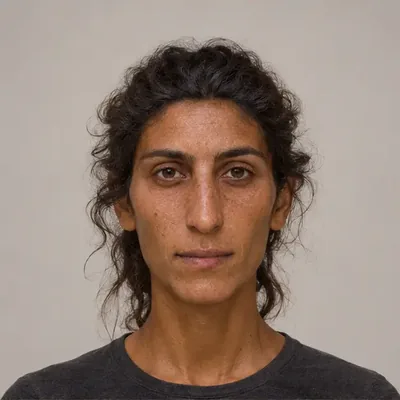
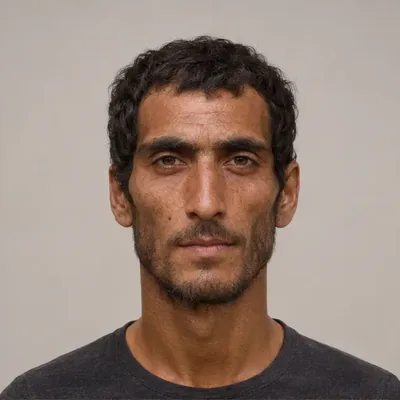
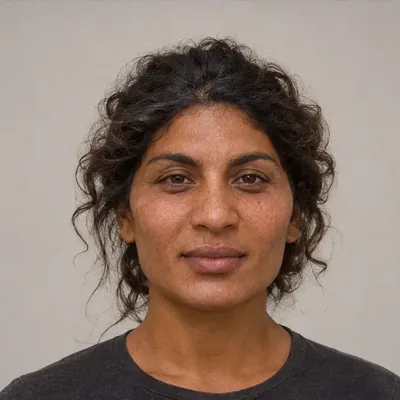
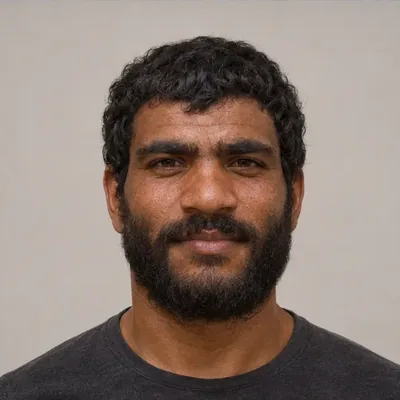
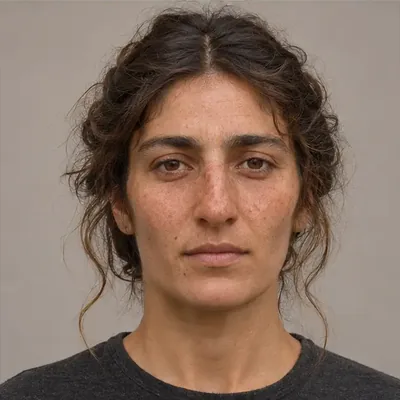
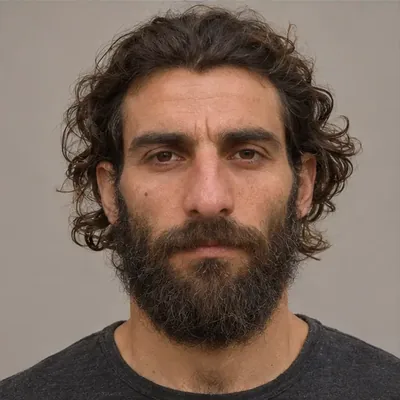
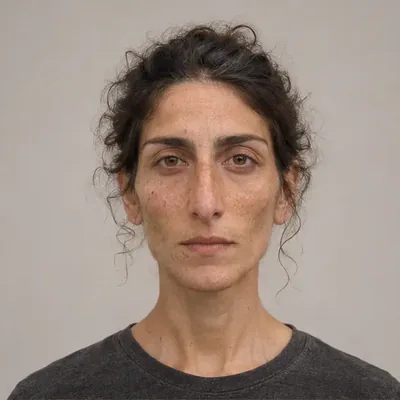
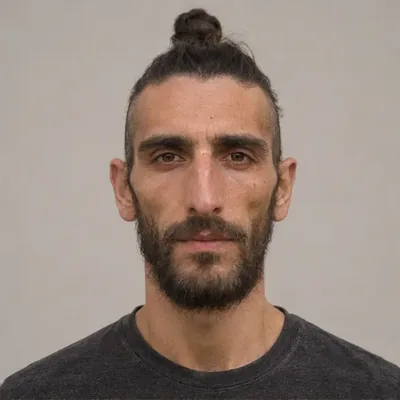
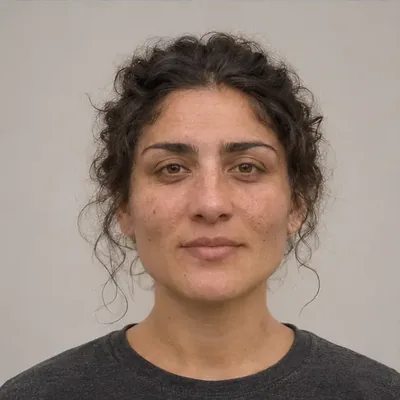
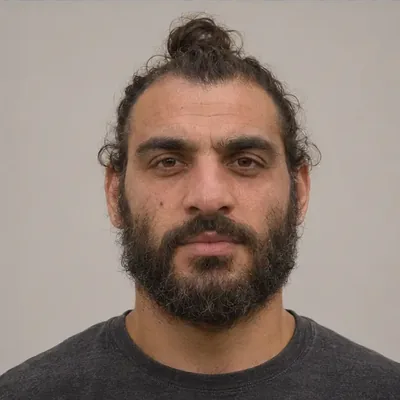
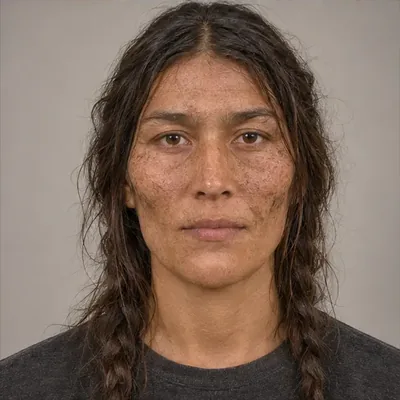
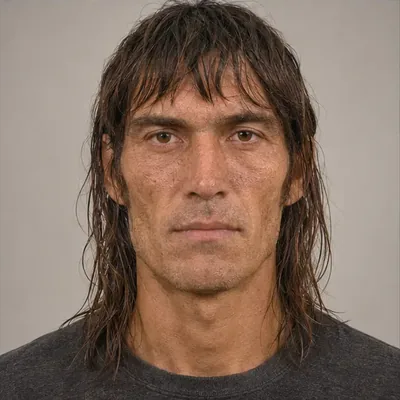
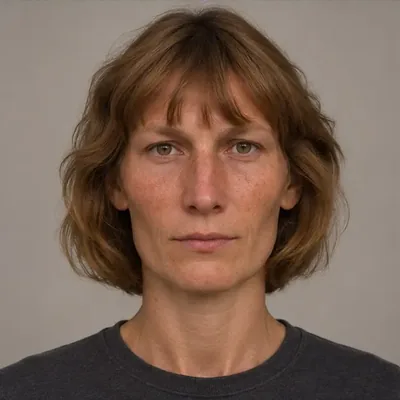
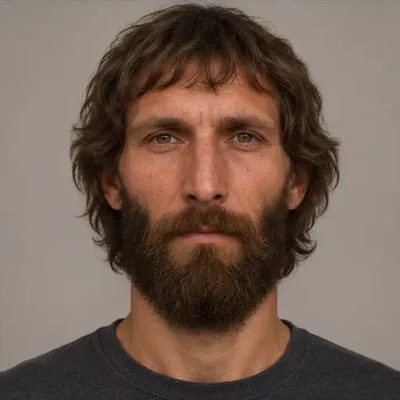
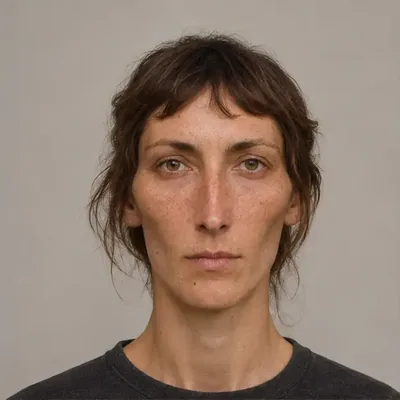
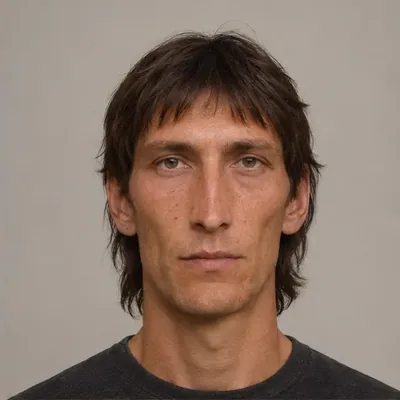
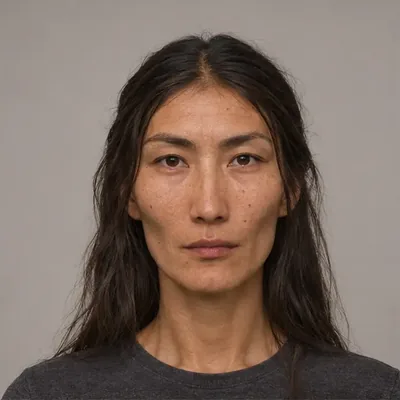
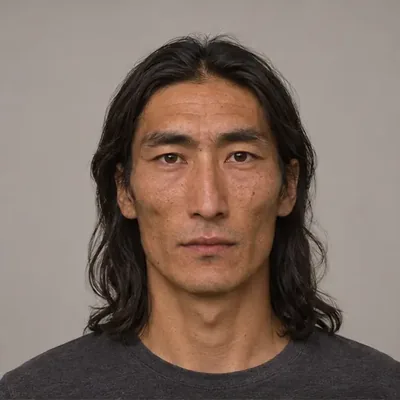
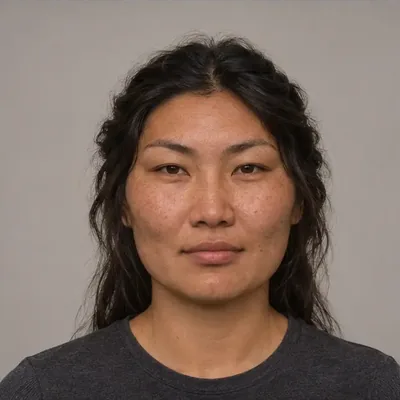
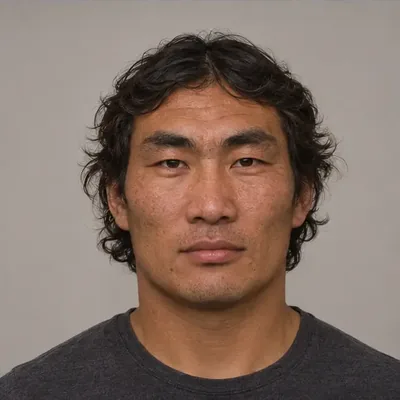
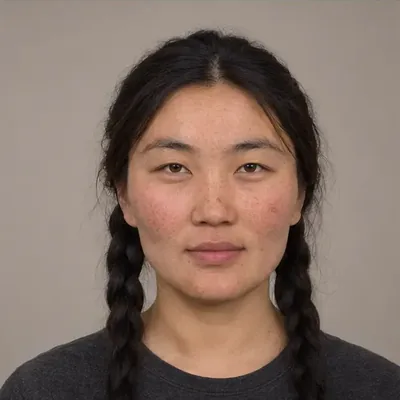
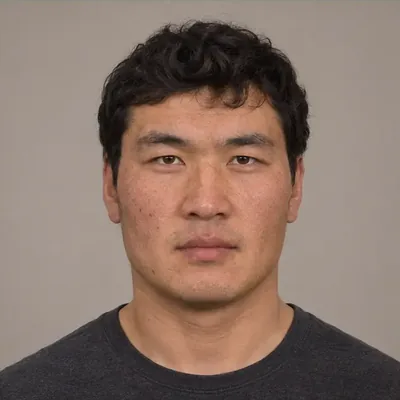
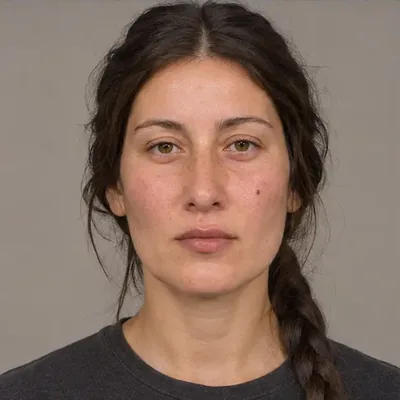
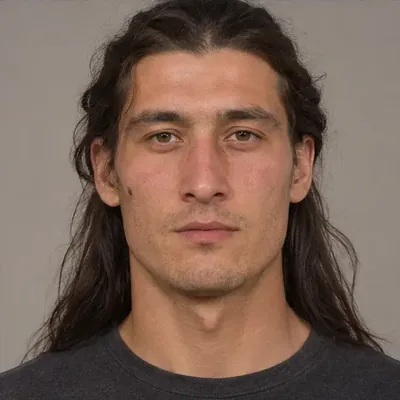
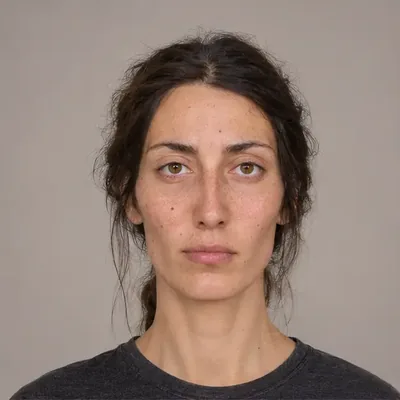
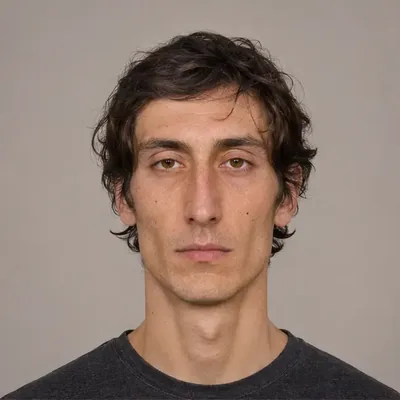
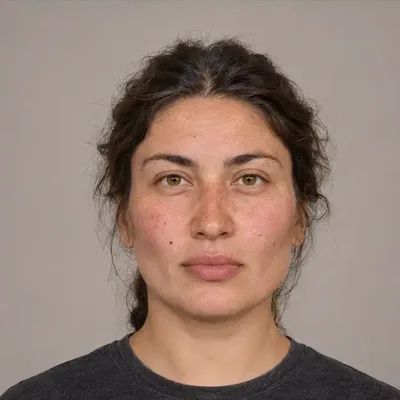
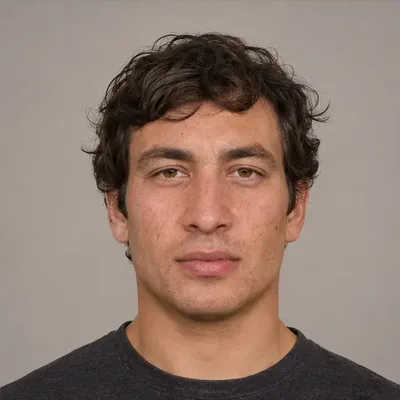
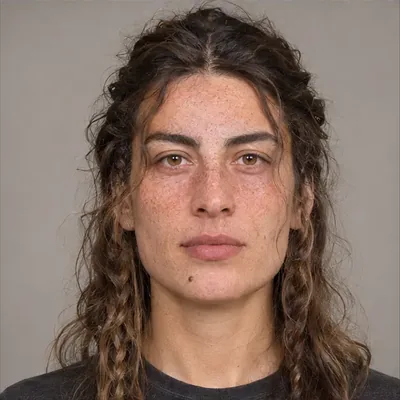
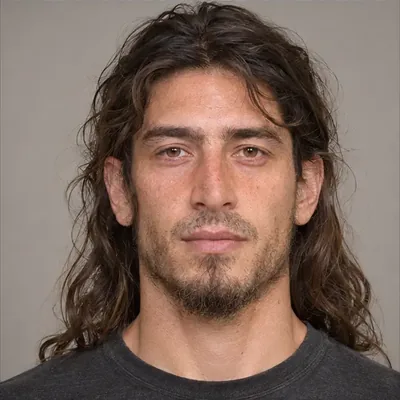
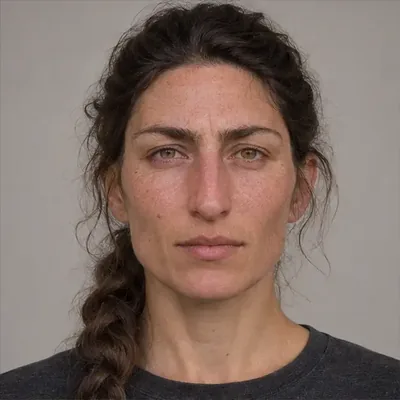
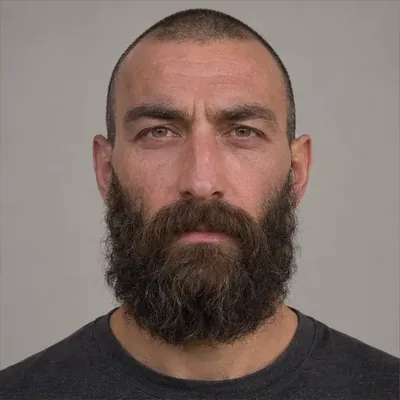
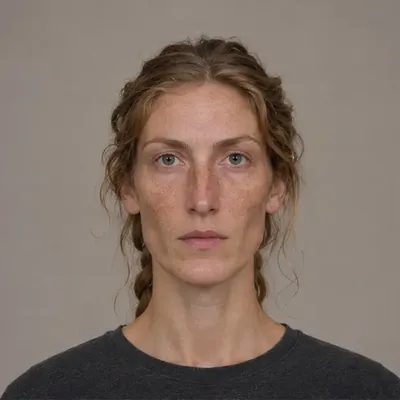
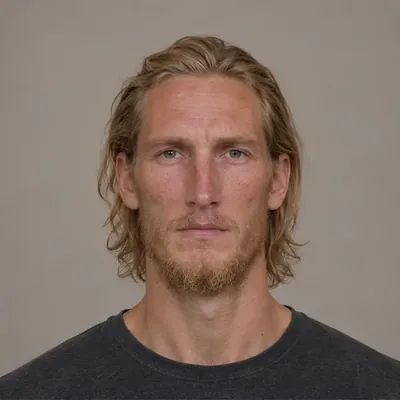
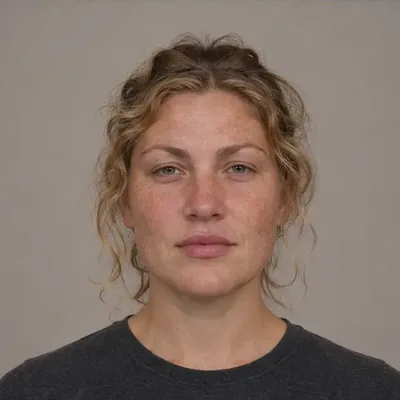
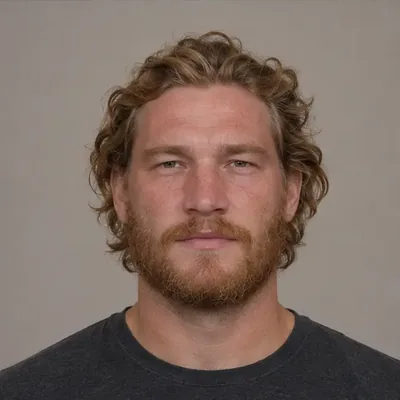
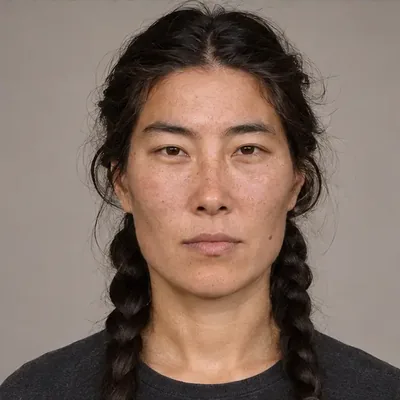
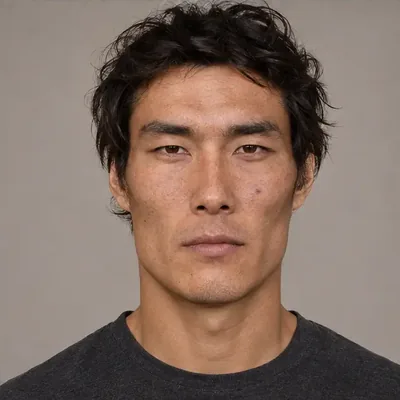
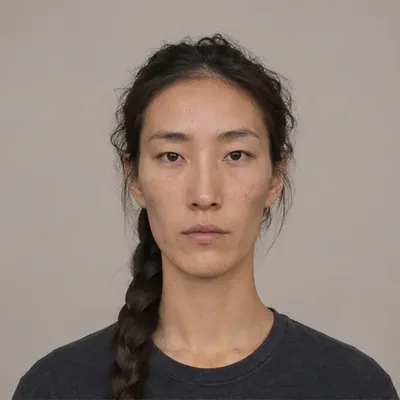
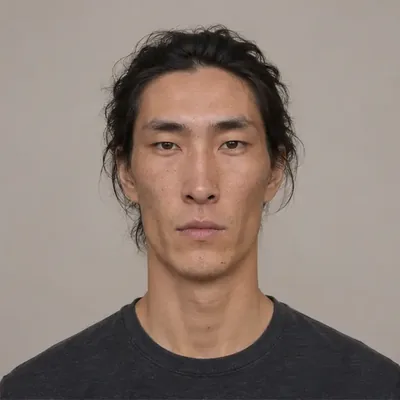
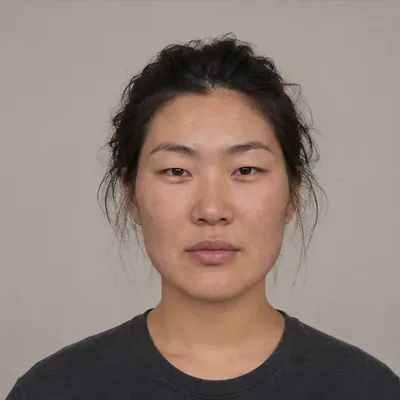
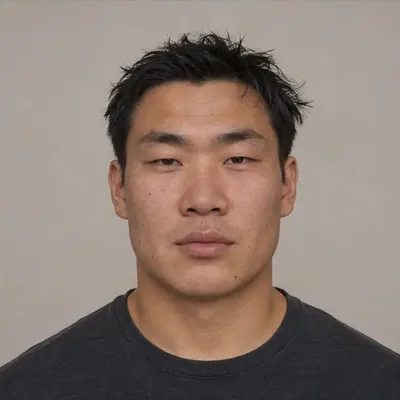
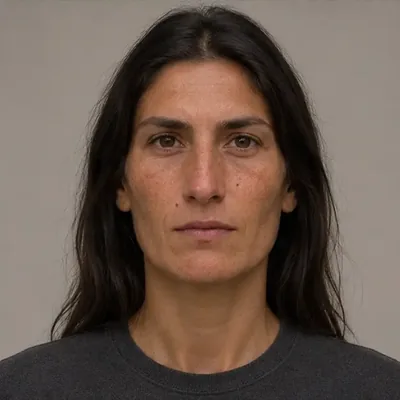
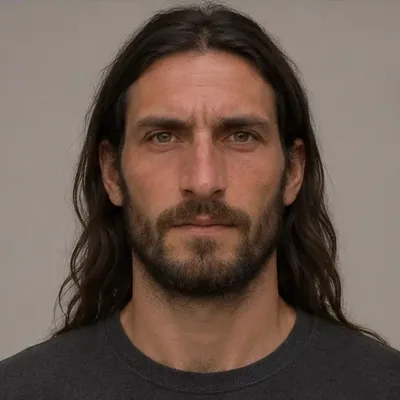
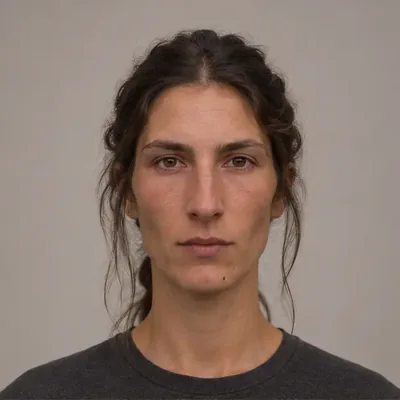
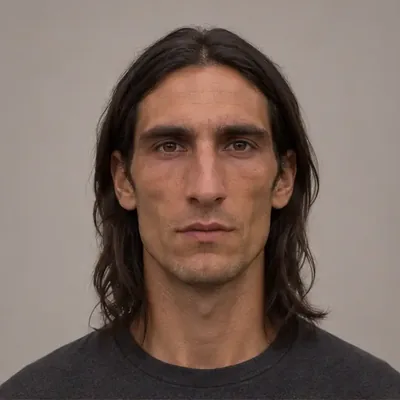
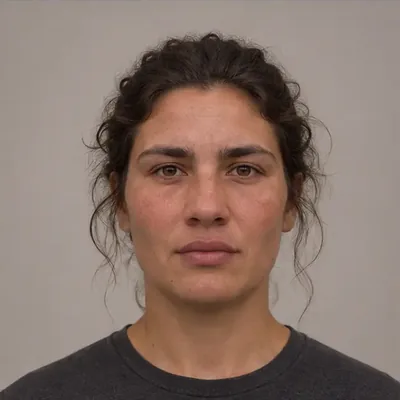
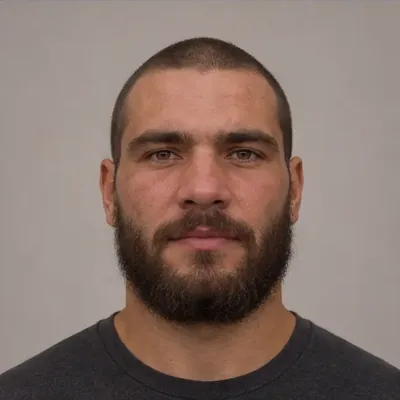
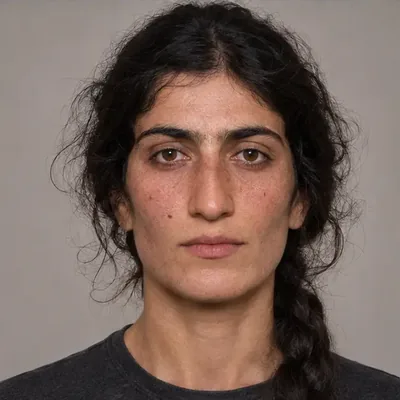
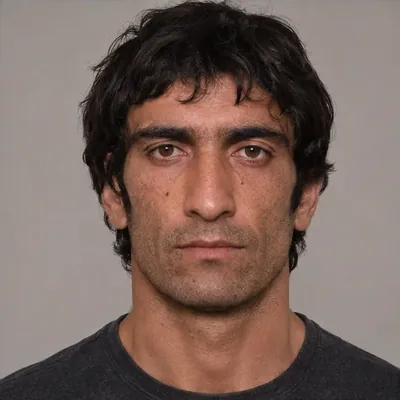
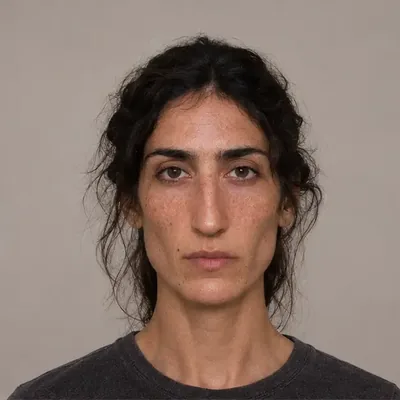
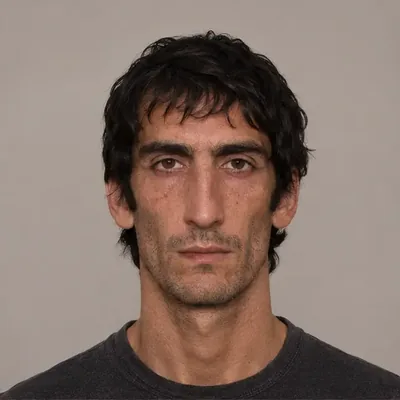
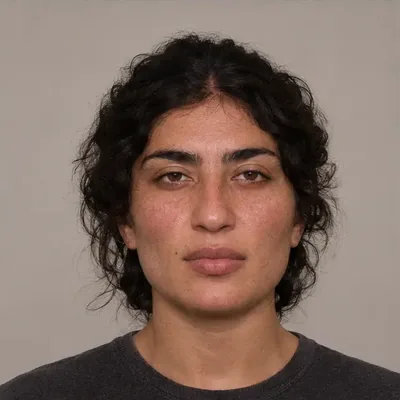
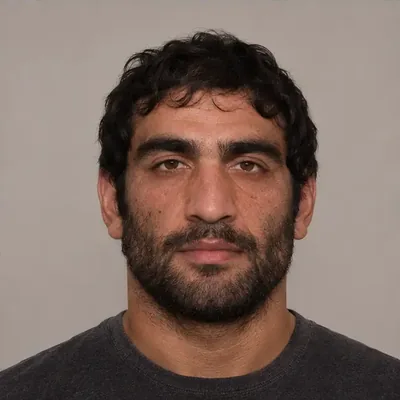
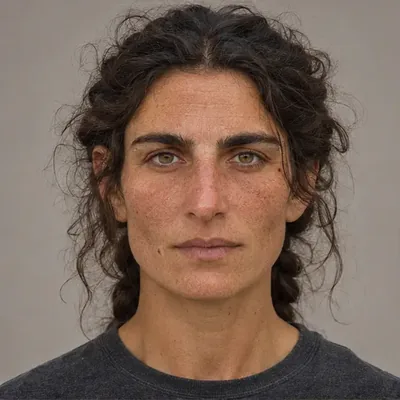
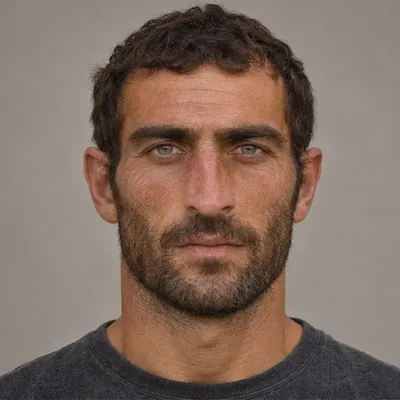
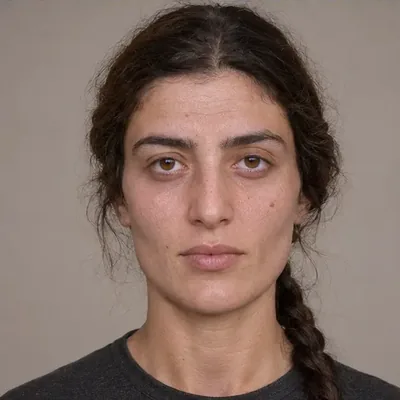
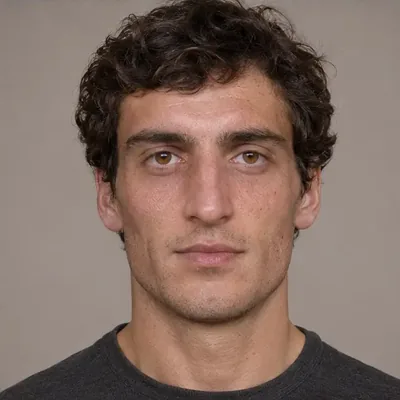
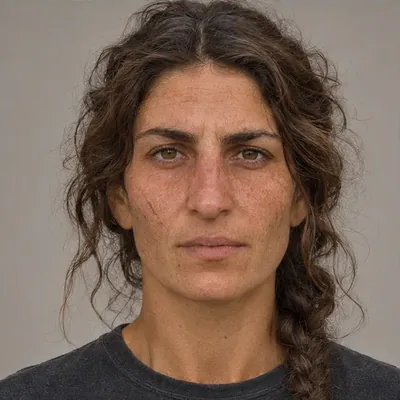
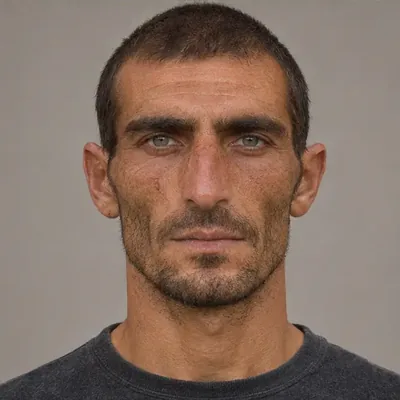
The 165 groups of the test, each with its eight fictional portraits: four women and four men. Everyone shows the first two of each; Women and Men show all four of one. This page: the 14 groups under K.

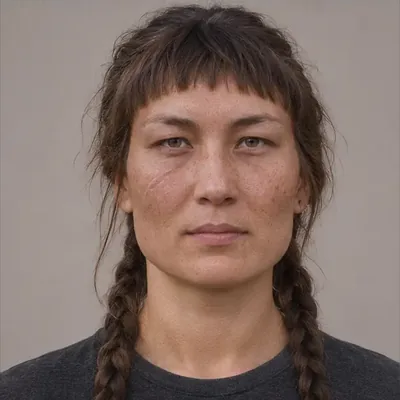
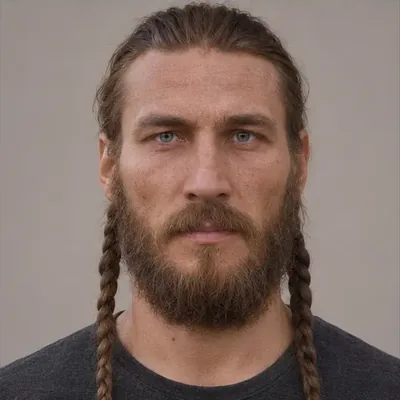
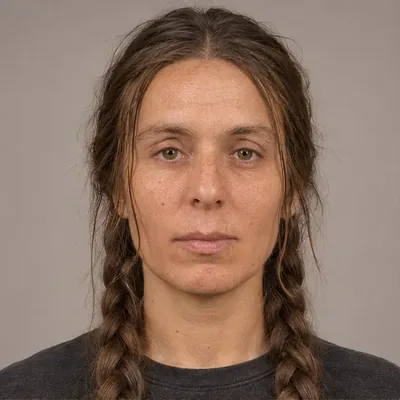
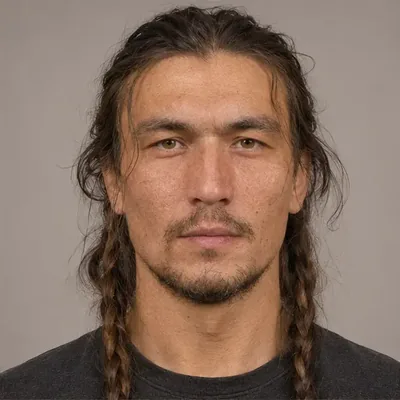
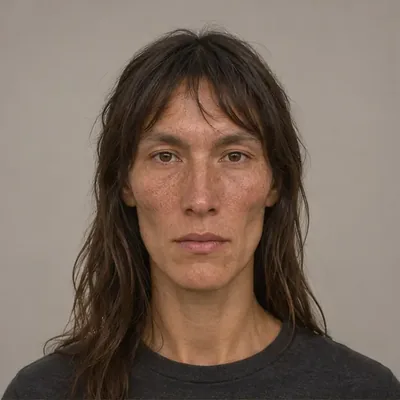
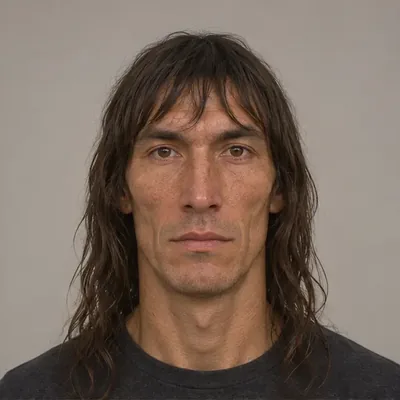
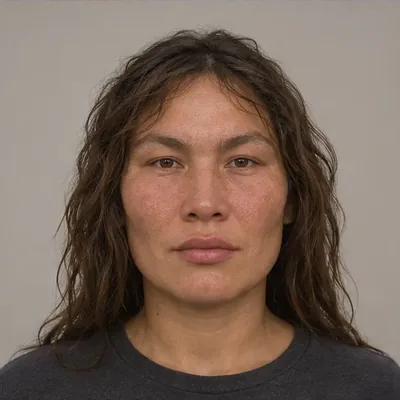
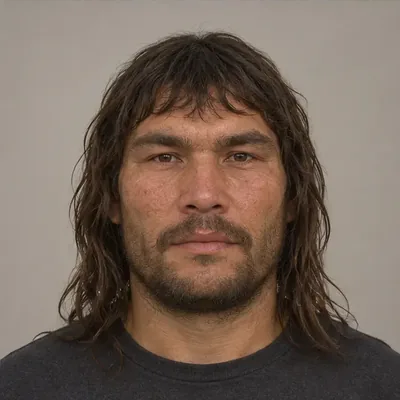
Karasuk culture

A Late Bronze Age archaeological tradition of southern Siberia, especially the Minusinsk Basin, known for distinctive metalwork and stone-lined burials.
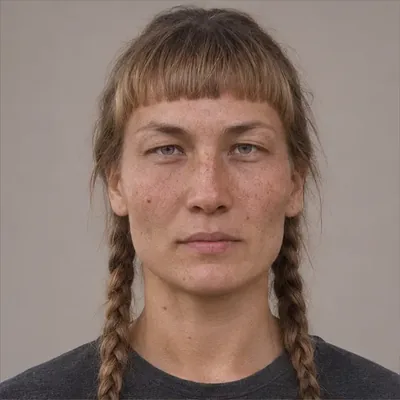
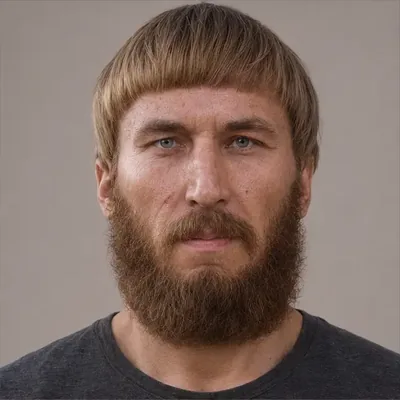
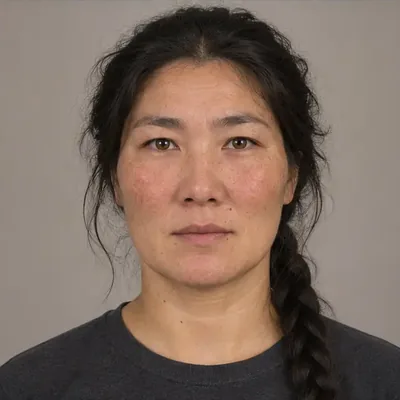
Woman 1, Karasuk culture
Woman 1
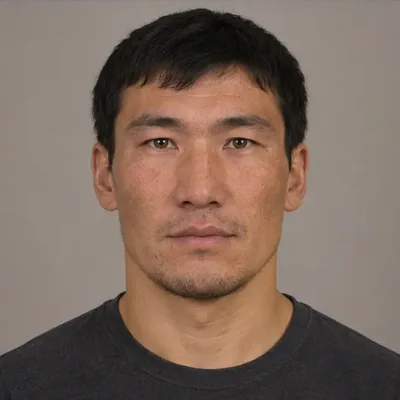
Man 1, Karasuk culture
Man 1
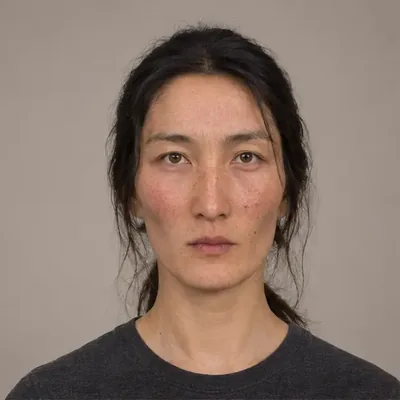
Woman 2, Karasuk culture
Woman 2
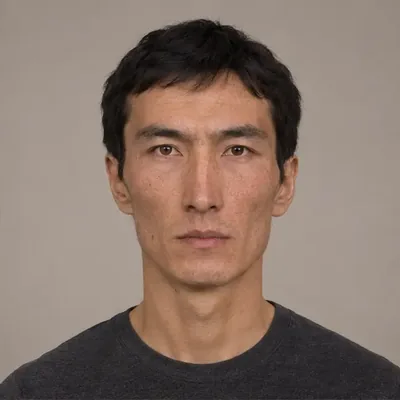
Man 2, Karasuk culture
Man 2
Woman 3, Karasuk culture
Woman 3
Man 3, Karasuk culture
Man 3
Woman 4, Karasuk culture
Woman 4
Man 4, Karasuk culture
Man 4

Portraits drawn from the catalog reconstructions: Karasuk culture, Karasuk culture.

Kebaran tradition

An Epipalaeolithic hunter-gatherer tradition of the Levant, preceding the Natufian. The catalog uses an Ohalo II reconstruction as its reference.
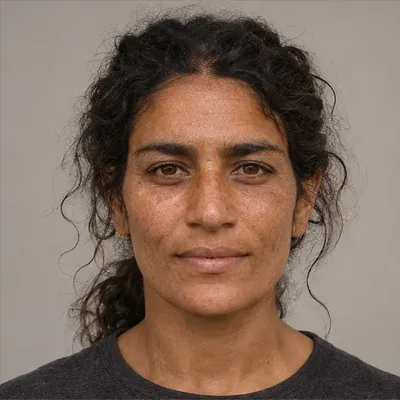
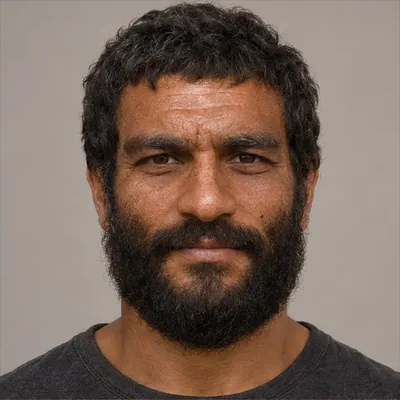
Woman 1, Kebaran tradition
Woman 1
Man 1, Kebaran tradition
Man 1
Woman 2, Kebaran tradition
Woman 2
Man 2, Kebaran tradition
Man 2
Woman 3, Kebaran tradition
Woman 3
Man 3, Kebaran tradition
Man 3
Woman 4, Kebaran tradition
Woman 4
Man 4, Kebaran tradition
Man 4

Portraits drawn from the catalog reconstructions: Ohalo 2 .

Khojaly-Gadabay, Lchashen or Armenian Middle–Late Bronze Age (tentative)

Overlapping regional comparisons for Bronze and Iron Age communities of the South Caucasus: Khojaly-Gadabay in Azerbaijan, Lchashen in Armenia and the broader Armenian Bronze Age grouping.

The question mark marks the proposed connection to the Armenian Middle–Late Bronze Age profile as tentative; the slash does not define a genetic mixture.
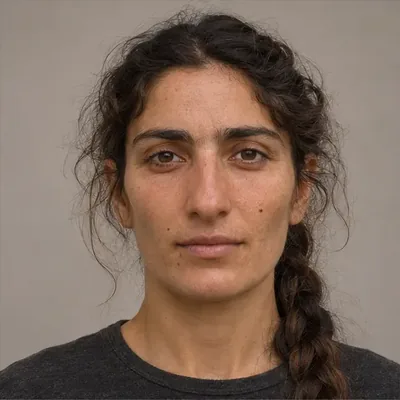
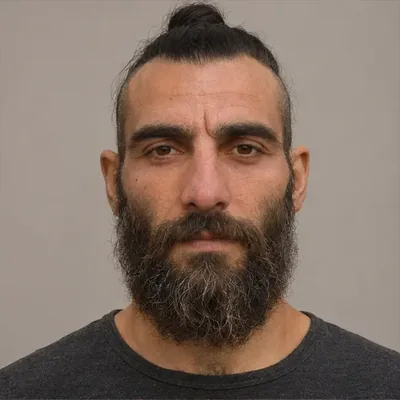
Woman 1, Khojaly-Gadabay, Lchashen or Armenian Middle–Late Bronze Age (tentative)
Woman 1
Man 1, Khojaly-Gadabay, Lchashen or Armenian Middle–Late Bronze Age (tentative)
Man 1
Woman 2, Khojaly-Gadabay, Lchashen or Armenian Middle–Late Bronze Age (tentative)
Woman 2
Man 2, Khojaly-Gadabay, Lchashen or Armenian Middle–Late Bronze Age (tentative)
Man 2
Woman 3, Khojaly-Gadabay, Lchashen or Armenian Middle–Late Bronze Age (tentative)
Woman 3
Man 3, Khojaly-Gadabay, Lchashen or Armenian Middle–Late Bronze Age (tentative)
Man 3
Woman 4, Khojaly-Gadabay, Lchashen or Armenian Middle–Late Bronze Age (tentative)
Woman 4
Man 4, Khojaly-Gadabay, Lchashen or Armenian Middle–Late Bronze Age (tentative)
Man 4

Portraits drawn from the catalog reconstructions: Khojaly-Gadabay culture.

Khvalynsk and Kelteminar affinities (tentative)

A proposed combination for a Koskuduk-Oyuklin reconstruction, linking Copper Age Volga communities with prehistoric hunter-gatherer and fishing communities of Central Asia.

The question mark makes the proposed Kelteminar connection tentative; this is not a measured two-way ancestry estimate.
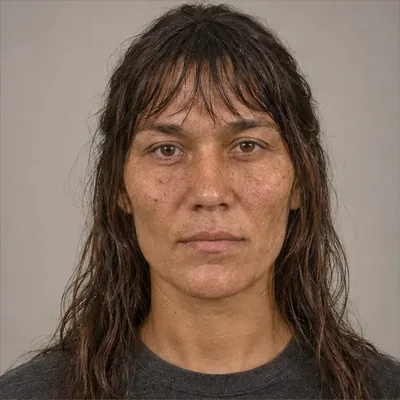
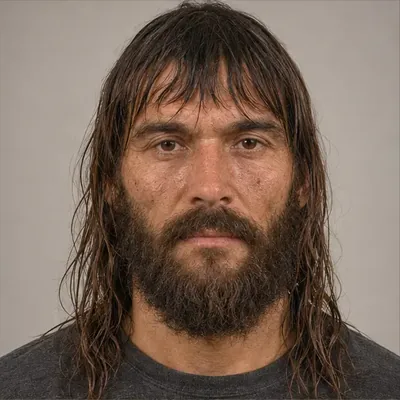
Woman 1, Khvalynsk and Kelteminar affinities (tentative)
Woman 1
Man 1, Khvalynsk and Kelteminar affinities (tentative)
Man 1
Woman 2, Khvalynsk and Kelteminar affinities (tentative)
Woman 2
Man 2, Khvalynsk and Kelteminar affinities (tentative)
Man 2
Woman 3, Khvalynsk and Kelteminar affinities (tentative)
Woman 3
Man 3, Khvalynsk and Kelteminar affinities (tentative)
Man 3
Woman 4, Khvalynsk and Kelteminar affinities (tentative)
Woman 4
Man 4, Khvalynsk and Kelteminar affinities (tentative)
Man 4

Portraits drawn from the catalog reconstructions: Koskuduk Oyuklin Culture.

Khvalynsk culture

A Copper Age culture of the middle Volga region, known for cemeteries, animal offerings and early metal objects. It predates the Yamnaya Bronze Age horizon.
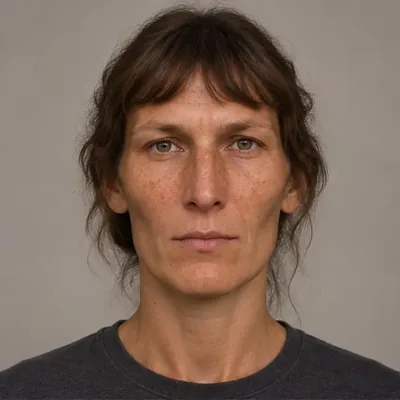
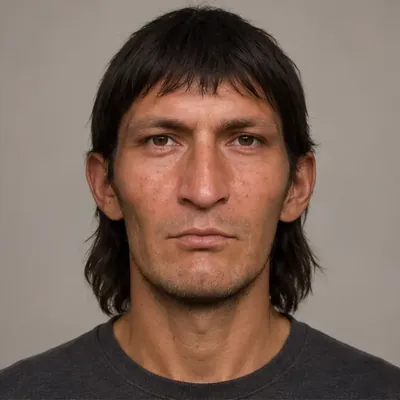
Woman 1, Khvalynsk culture
Woman 1
Man 1, Khvalynsk culture
Man 1
Woman 2, Khvalynsk culture
Woman 2
Man 2, Khvalynsk culture
Man 2
Woman 3, Khvalynsk culture
Woman 3
Man 3, Khvalynsk culture
Man 3
Woman 4, Khvalynsk culture
Woman 4
Man 4, Khvalynsk culture
Man 4

Portraits drawn from the catalog reconstructions: Khvalynsk, Khvalynsk 2, burial 34.

Kipchak people

Medieval Turkic-speaking steppe communities and confederations spread across Central Asia and the western Eurasian steppe. Their regional histories overlap with those of the Cumans.
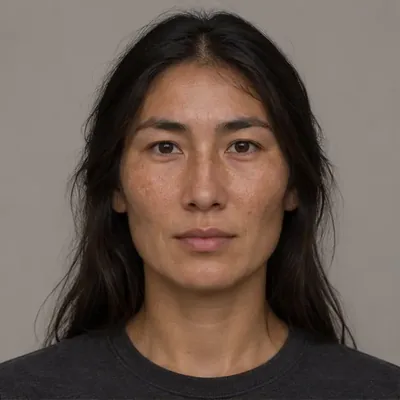
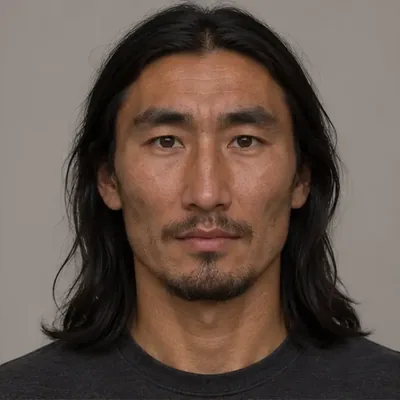
Woman 1, Kipchak people
Woman 1
Man 1, Kipchak people
Man 1
Woman 2, Kipchak people
Woman 2
Man 2, Kipchak people
Man 2
Woman 3, Kipchak people
Woman 3
Man 3, Kipchak people
Man 3
Woman 4, Kipchak people
Woman 4
Man 4, Kipchak people
Man 4

Portraits drawn from the catalog reconstructions: Kipchak.

Kipchak Turkic, Kimak reference

A medieval Turkic steppe category represented here by a Kimak reconstruction. Kimak and Kipchak refer to historically connected communities and confederations, rather than a single genetic population.
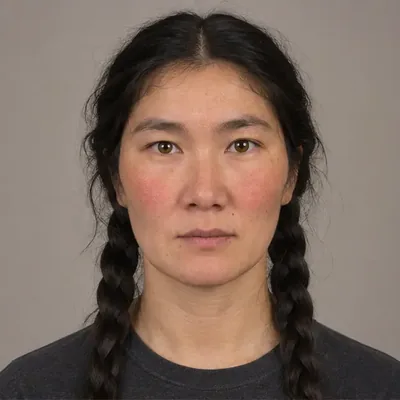
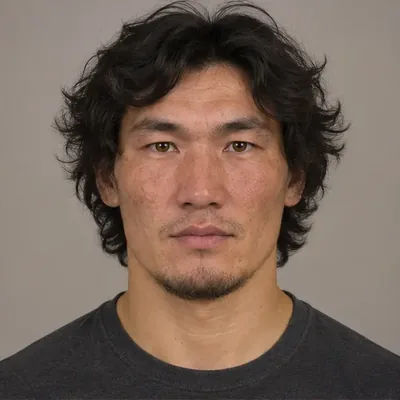
Woman 1, Kipchak Turkic, Kimak reference
Woman 1
Man 1, Kipchak Turkic, Kimak reference
Man 1
Woman 2, Kipchak Turkic, Kimak reference
Woman 2
Man 2, Kipchak Turkic, Kimak reference
Man 2
Woman 3, Kipchak Turkic, Kimak reference
Woman 3
Man 3, Kipchak Turkic, Kimak reference
Man 3
Woman 4, Kipchak Turkic, Kimak reference
Woman 4
Man 4, Kipchak Turkic, Kimak reference
Man 4

Portraits drawn from the catalog reconstructions: Kimak.

Koban and Scythian affinities

A combined catalog comparison linking North Caucasus Koban communities with Iron Age Scythian steppe groups. The reference comes from Nesterovsky; the label gives no ancestry proportions.
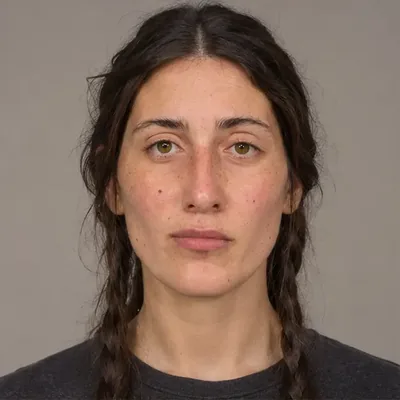
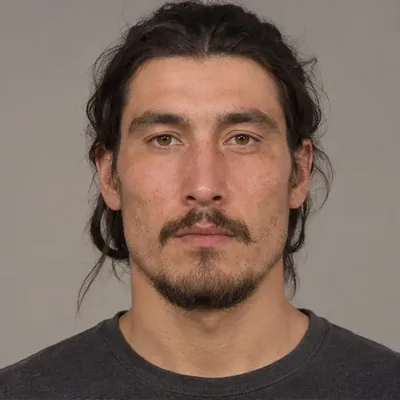
Woman 1, Koban and Scythian affinities
Woman 1
Man 1, Koban and Scythian affinities
Man 1
Woman 2, Koban and Scythian affinities
Woman 2
Man 2, Koban and Scythian affinities
Man 2
Woman 3, Koban and Scythian affinities
Woman 3
Man 3, Koban and Scythian affinities
Man 3
Woman 4, Koban and Scythian affinities
Woman 4
Man 4, Koban and Scythian affinities
Man 4

Portraits drawn from the catalog reconstructions: Nesterovsky burial Kobanian.

Koban culture

A Late Bronze Age and Iron Age archaeological tradition of the central North Caucasus, especially known for elaborate bronze objects and regional burial traditions.
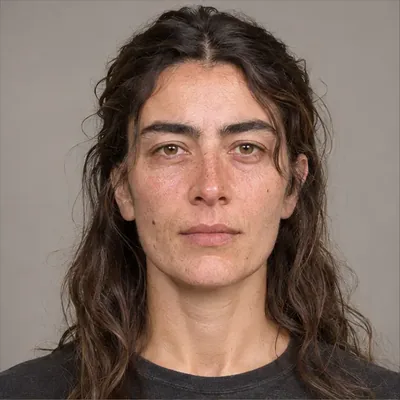
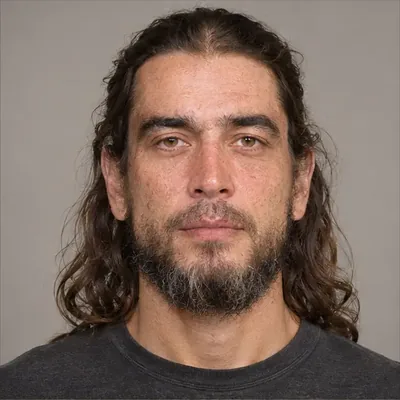
Woman 1, Koban culture
Woman 1
Man 1, Koban culture
Man 1
Woman 2, Koban culture
Woman 2
Man 2, Koban culture
Man 2
Woman 3, Koban culture
Woman 3
Man 3, Koban culture
Man 3
Woman 4, Koban culture
Woman 4
Man 4, Koban culture
Man 4

Portraits drawn from the catalog reconstructions: Koban culture, Gaston Uota Kobanian, Tlia Kobanian, Koban culture.

Kokcha, Uzbekistan

A prehistoric reference from Kokcha in present-day Uzbekistan, associated in the catalog with the Bronze Age Tazabagyab cultural setting. The source code combines country and site.
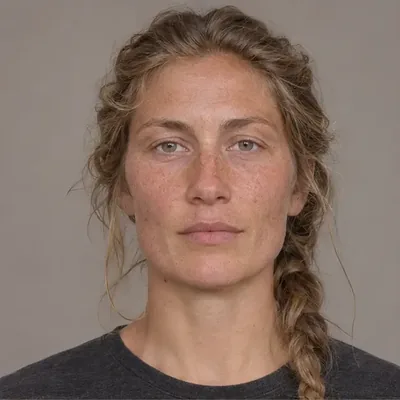
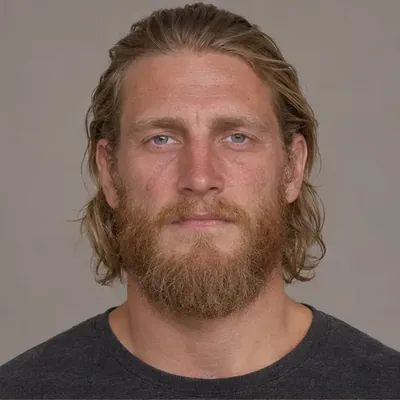
Woman 1, Kokcha, Uzbekistan
Woman 1
Man 1, Kokcha, Uzbekistan
Man 1
Woman 2, Kokcha, Uzbekistan
Woman 2
Man 2, Kokcha, Uzbekistan
Man 2
Woman 3, Kokcha, Uzbekistan
Woman 3
Man 3, Kokcha, Uzbekistan
Man 3
Woman 4, Kokcha, Uzbekistan
Woman 4
Man 4, Kokcha, Uzbekistan
Man 4

Portraits drawn from the catalog reconstructions: Kokcha Tazabagyab Culture.

Korgantas or Slab Grave, with Pazyryk affinity (tentative)

Alternative cultural comparisons for a Pazyryk cemetery reconstruction: Korgantas in eastern Kazakhstan and the Altai region, and the Slab Grave tradition of Mongolia and Transbaikalia.

The question mark flags the proposed composite background as tentative; burial context and suggested origins are different kinds of evidence.
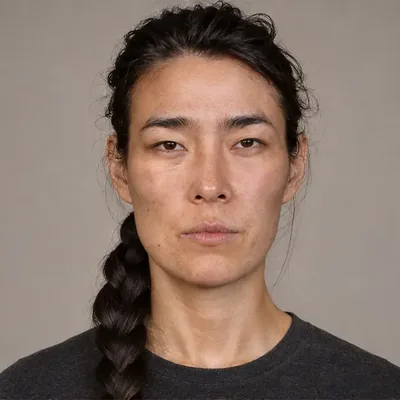
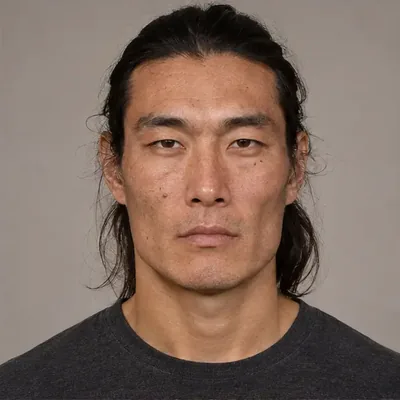
Woman 1, Korgantas or Slab Grave, with Pazyryk affinity (tentative)
Woman 1
Man 1, Korgantas or Slab Grave, with Pazyryk affinity (tentative)
Man 1
Woman 2, Korgantas or Slab Grave, with Pazyryk affinity (tentative)
Woman 2
Man 2, Korgantas or Slab Grave, with Pazyryk affinity (tentative)
Man 2
Woman 3, Korgantas or Slab Grave, with Pazyryk affinity (tentative)
Woman 3
Man 3, Korgantas or Slab Grave, with Pazyryk affinity (tentative)
Man 3
Woman 4, Korgantas or Slab Grave, with Pazyryk affinity (tentative)
Woman 4
Man 4, Korgantas or Slab Grave, with Pazyryk affinity (tentative)
Man 4

Portraits drawn from the catalog reconstructions: Pazyryk Korgantas.

Kumsay, Early Bronze Age

Early Bronze Age people from Kumsay in western Kazakhstan. The category is named for a local archaeological site and period in the wider steppe region.
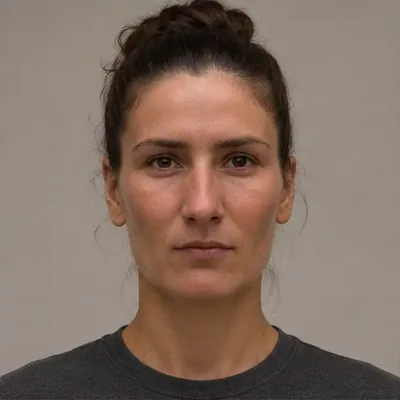
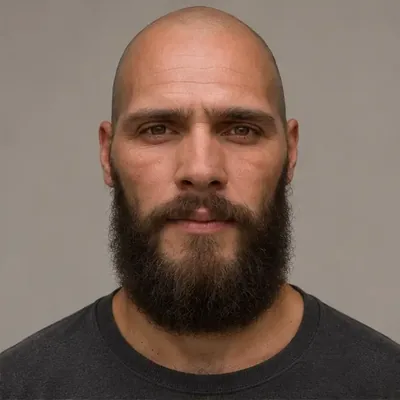
Woman 1, Kumsay, Early Bronze Age
Woman 1
Man 1, Kumsay, Early Bronze Age
Man 1
Woman 2, Kumsay, Early Bronze Age
Woman 2
Man 2, Kumsay, Early Bronze Age
Man 2
Woman 3, Kumsay, Early Bronze Age
Woman 3
Man 3, Kumsay, Early Bronze Age
Man 3
Woman 4, Kumsay, Early Bronze Age
Woman 4
Man 4, Kumsay, Early Bronze Age
Man 4

Portraits drawn from the catalog reconstructions: Kumsay Kurgan, Kumsay "Giant", Kumsay.

Kura-Araxes and Catacomb affinities

A proposed connection between Early Bronze Age Kura-Araxes communities of the Caucasus and Catacomb communities of the steppe. The reference comes from Dzhemikent in Dagestan.
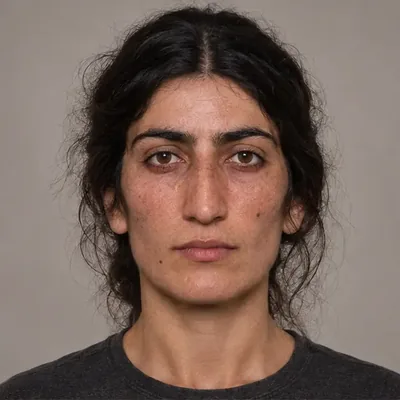
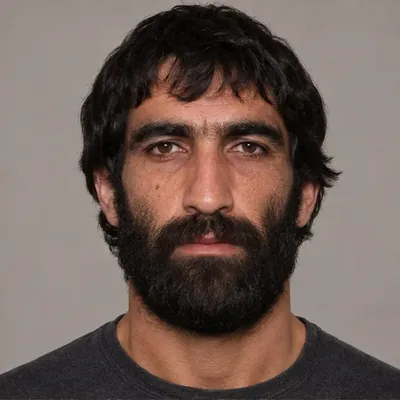
Woman 1, Kura-Araxes and Catacomb affinities
Woman 1
Man 1, Kura-Araxes and Catacomb affinities
Man 1
Woman 2, Kura-Araxes and Catacomb affinities
Woman 2
Man 2, Kura-Araxes and Catacomb affinities
Man 2
Woman 3, Kura-Araxes and Catacomb affinities
Woman 3
Man 3, Kura-Araxes and Catacomb affinities
Man 3
Woman 4, Kura-Araxes and Catacomb affinities
Woman 4
Man 4, Kura-Araxes and Catacomb affinities
Man 4

Portraits drawn from the catalog reconstructions: Dzhemikent.

Kura-Araxes and Darkveti affinities

A proposed connection between Early Bronze Age Kura-Araxes communities of the Caucasus and earlier western Georgian communities associated with Darkveti.

The proposed Darkveti connection is tentative for one of these reconstructions; the supplied source does not establish that affinity genetically.
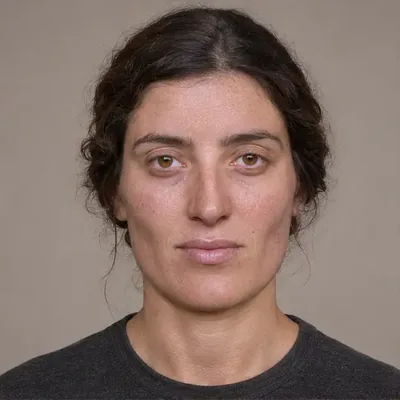
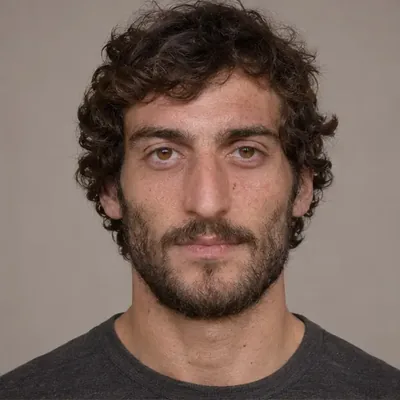
Woman 1, Kura-Araxes and Darkveti affinities
Woman 1
Man 1, Kura-Araxes and Darkveti affinities
Man 1
Woman 2, Kura-Araxes and Darkveti affinities
Woman 2
Man 2, Kura-Araxes and Darkveti affinities
Man 2
Woman 3, Kura-Araxes and Darkveti affinities
Woman 3
Man 3, Kura-Araxes and Darkveti affinities
Man 3
Woman 4, Kura-Araxes and Darkveti affinities
Woman 4
Man 4, Kura-Araxes and Darkveti affinities
Man 4

Portraits drawn from the catalog reconstructions: Darkveti Kura-Araxes, Kura-Araxes culture.

← Previous letter: J Next letter: L →