
 English
 Español
 Português
 Deutsch
 Français
 Italiano
 Polski
 Українська
 Русский
 Türkçe
 العربية
 日本語
 한국어
 ไทย
 汉语
 Tiếng Việt
 Bahasa
Every group and its portraits: H
The 165 groups of the test, each with its eight fictional portraits: four women and four men. Everyone shows the first two of each; Women and Men show all four of one. This page: the 5 groups under H.
Hallstatt culture
An Early Iron Age archaeological tradition of central Europe, named after the Austrian site. It is often discussed in relation to early Celtic societies, without making every individual linguistically identifiable.
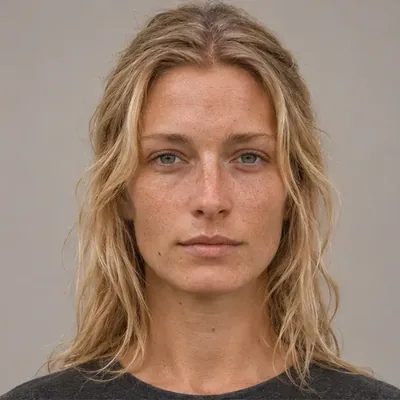

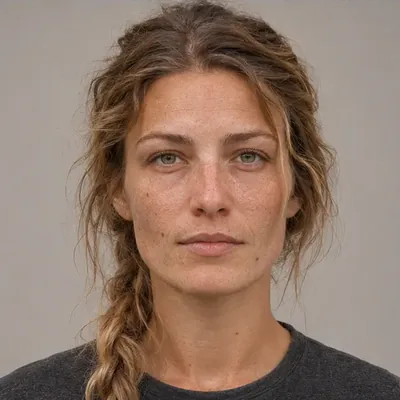
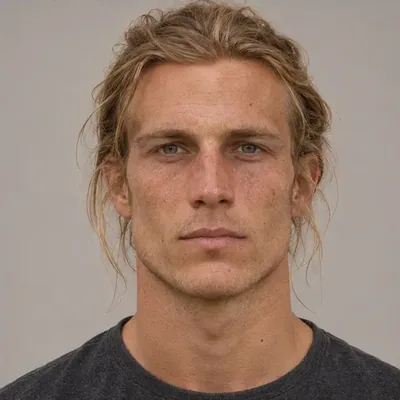
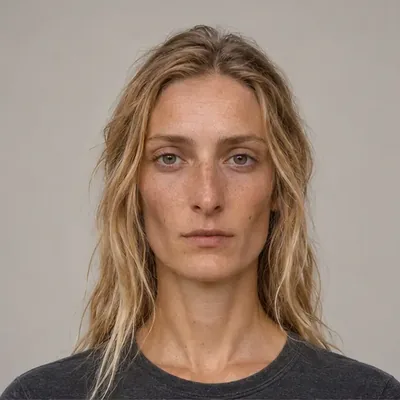
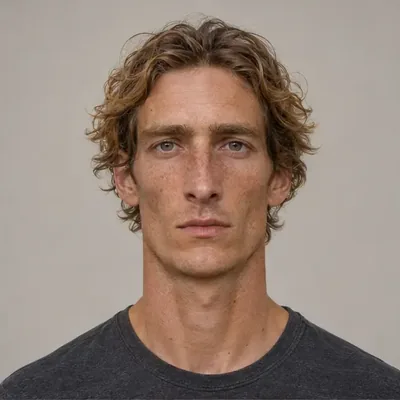
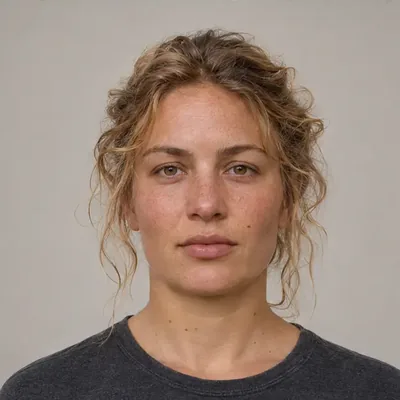

Portraits drawn from the catalog reconstructions: Hallstatt Culture.
Hasanlu, Iron Age
Iron Age people of Hasanlu, a settlement in northwestern Iran. This is an archaeological site and period label; the references include the well-known Hasanlu Lovers.
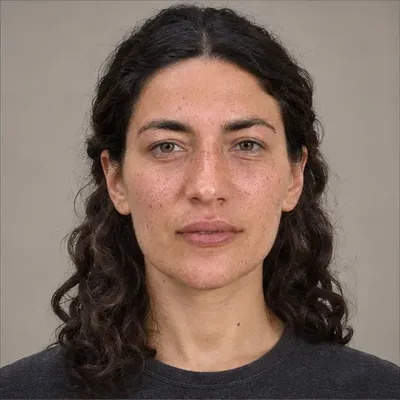
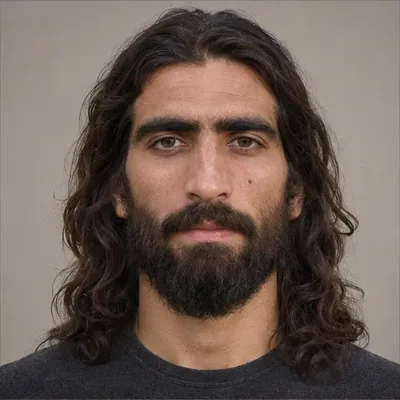
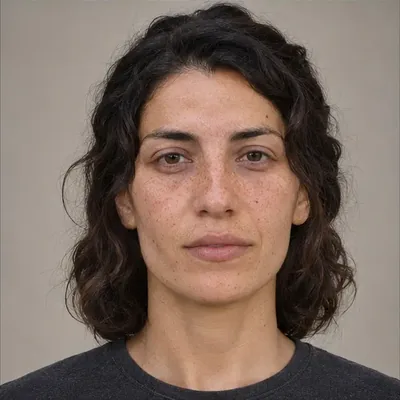
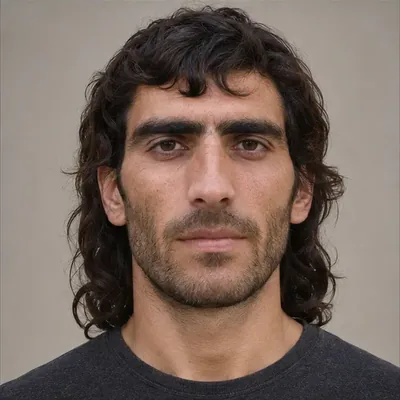
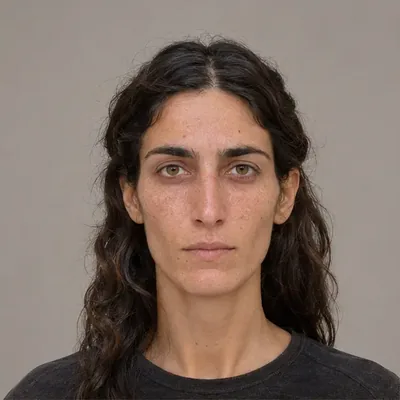
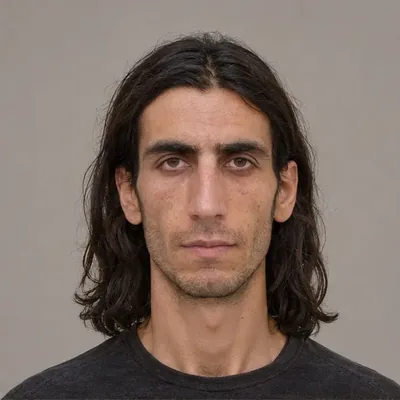
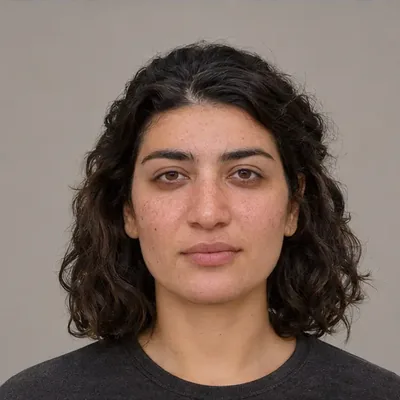
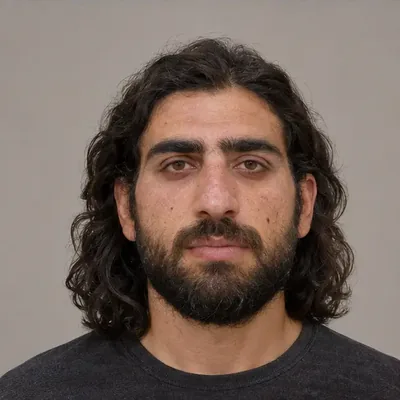
Portraits drawn from the catalog reconstructions: "Hasanlu lover", "Hasanlu Lover", Hasanlu "Warrior", Hasanlu Woman.
Hòabìnhian affinity (tentative)
The Hòabìnhian is a prehistoric stone-tool tradition of mainland Southeast Asia, often associated with hunter-gatherers. The catalog compares Wadjak and Man Bac reconstructions with this broad background.
The question mark flags a proposed affinity; it does not securely assign these references to the Hòabìnhian archaeological tradition.
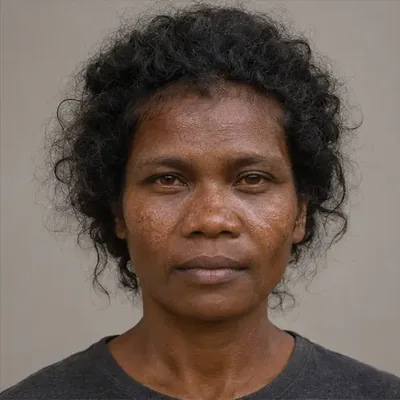
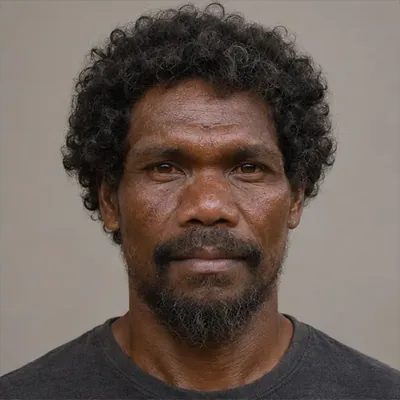
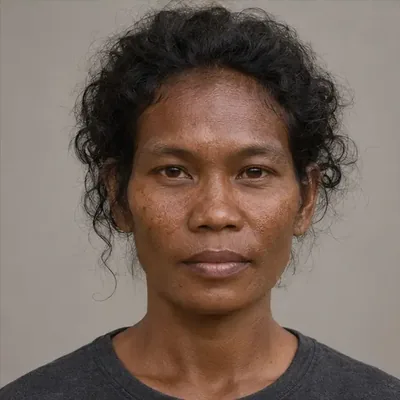
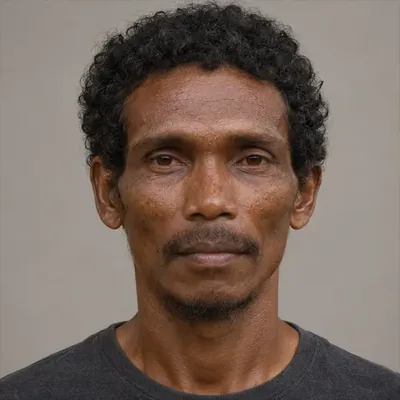
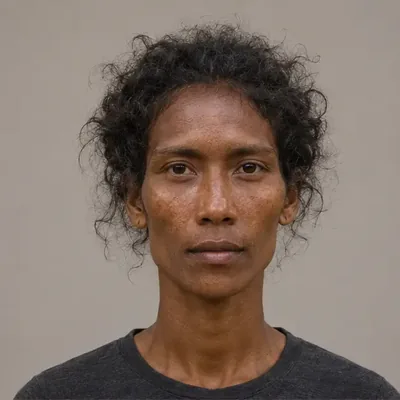
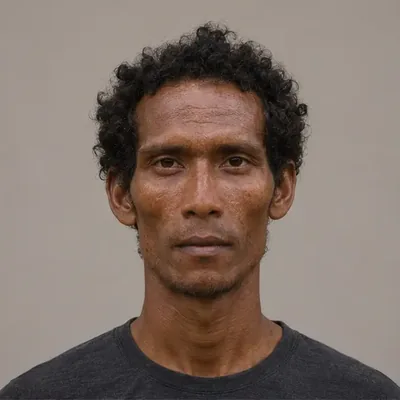
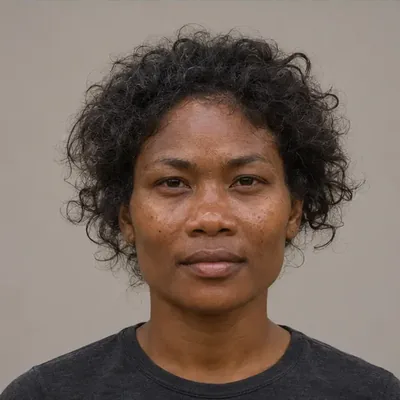
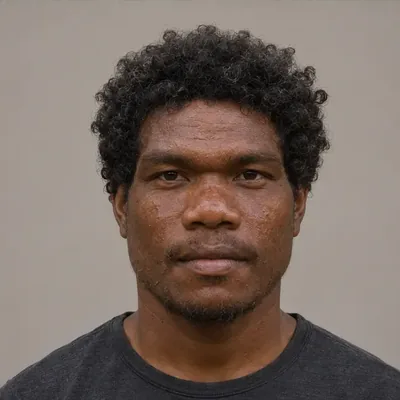
Portraits drawn from the catalog reconstructions: Wadjak 1, Man Bac Neolithic.
Hotu Cave or Iranian hunter-gatherers
Pre-farming people of Iran, represented here by Hotu Cave near the southern Caspian Sea. Hunter-gatherer is a subsistence description, while Hotu is a particular archaeological site.
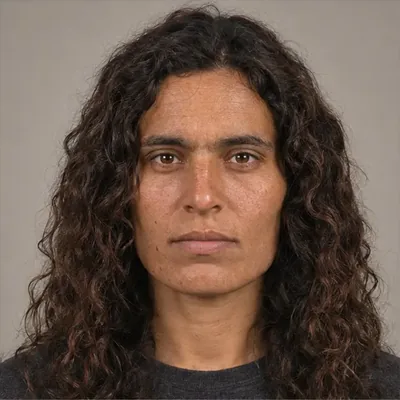
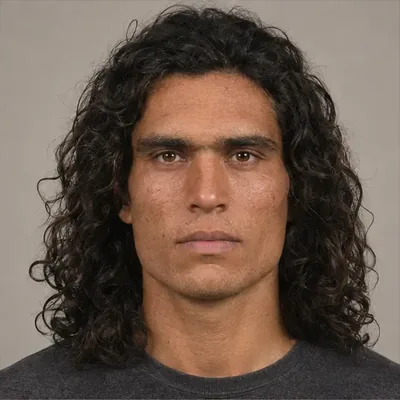
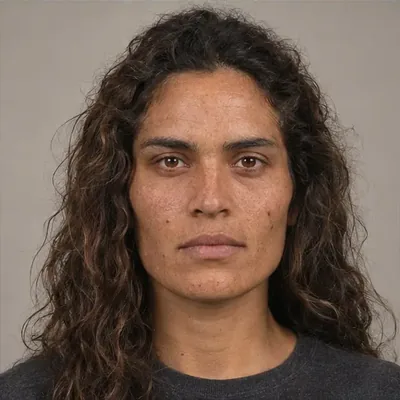
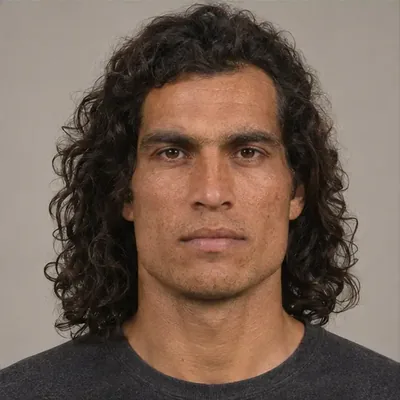
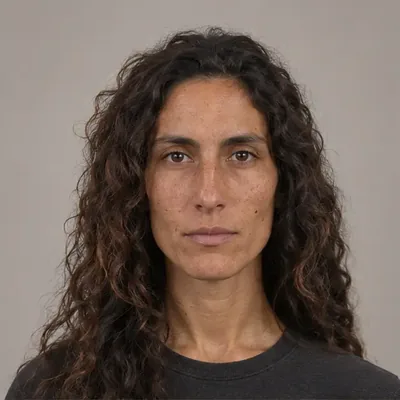
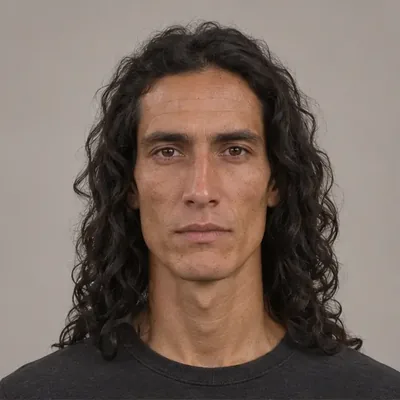
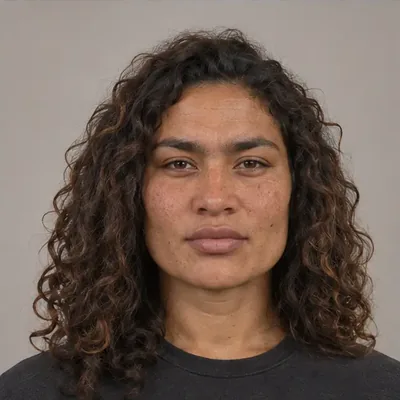
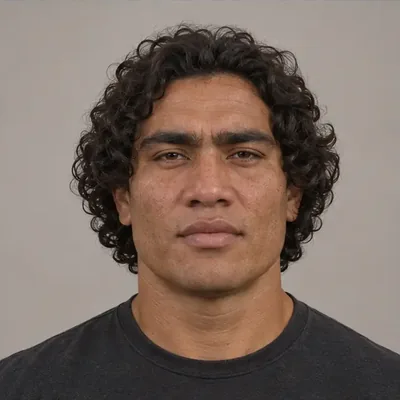
Portraits drawn from the catalog reconstructions: Hotu 2.
Hunnic or Sabir association (tentative)
Alternative historical associations for a Caucasus reconstruction. The Huns and Sabirs were steppe confederations active in late antiquity; neither name implies a single genetic background.
The two question marks indicate that neither historical identification is secure in the supplied catalog record.
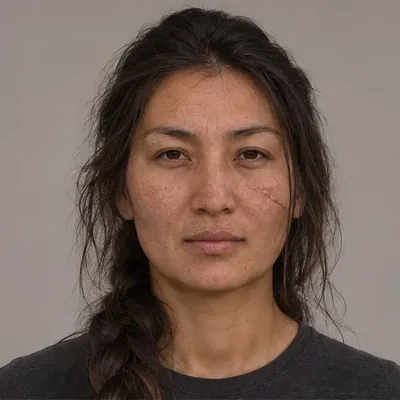
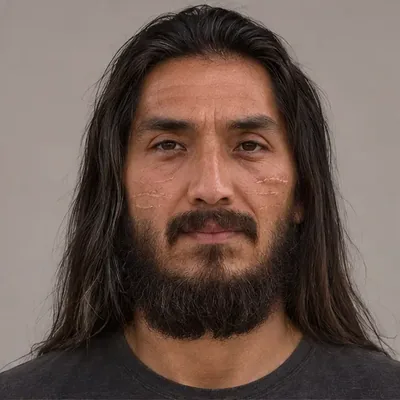
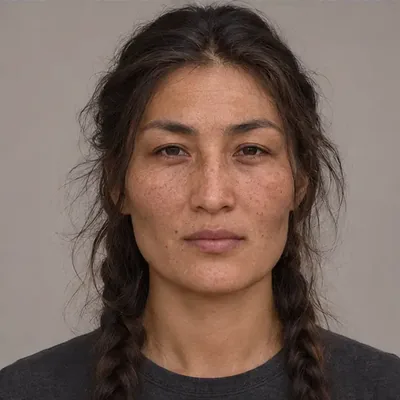
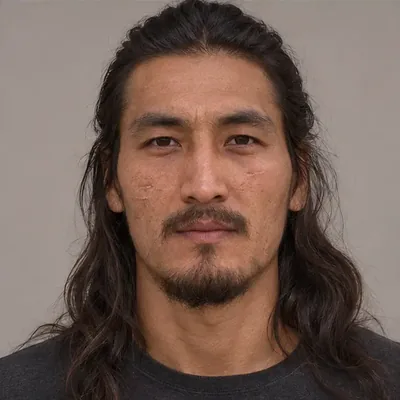
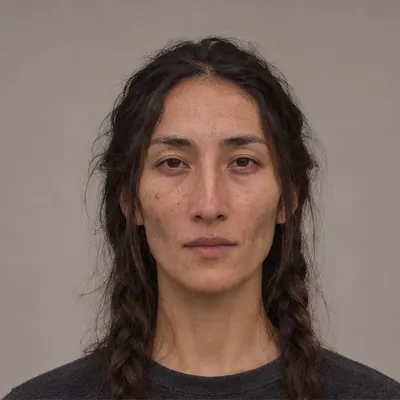
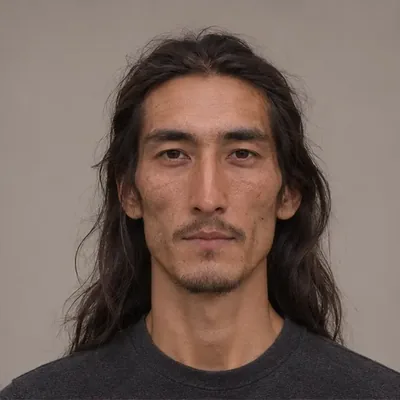
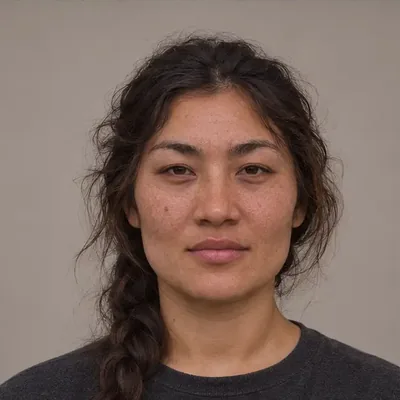
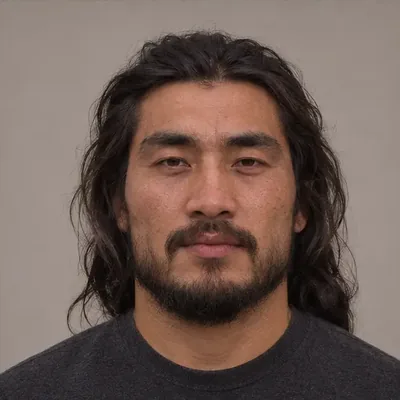
Portraits drawn from the catalog reconstructions: Caucasian Hun.