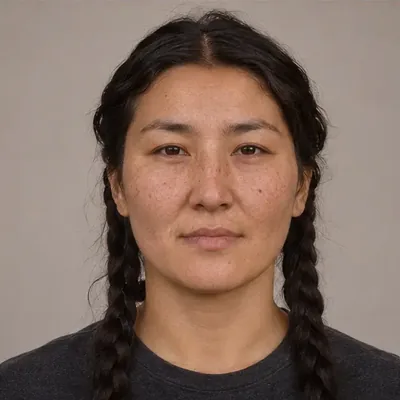
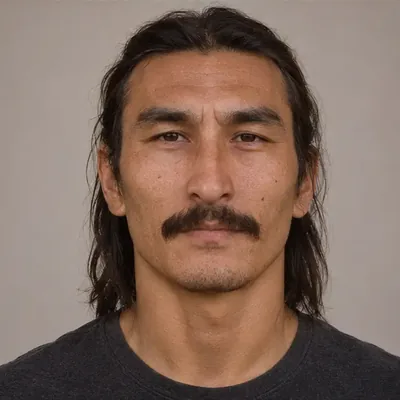
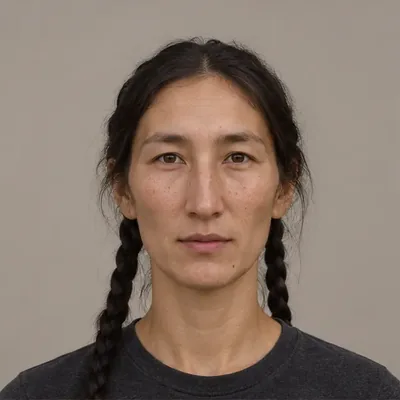
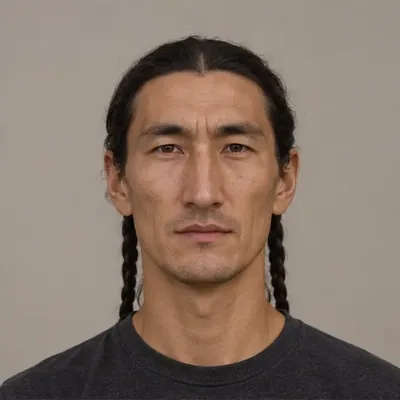
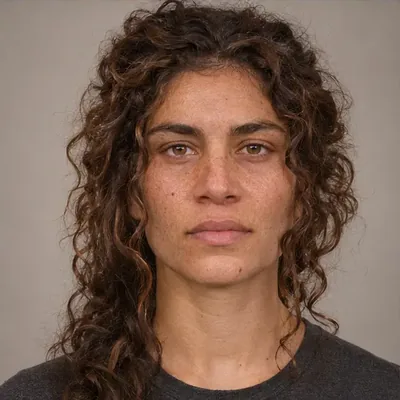
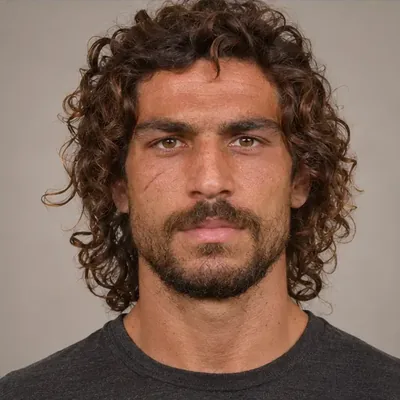
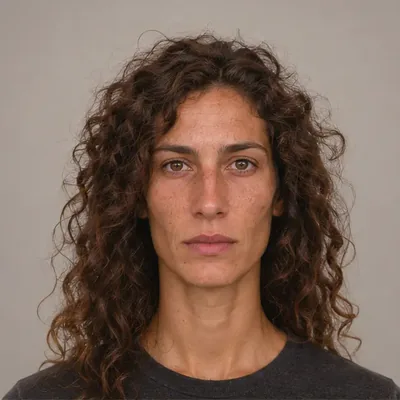
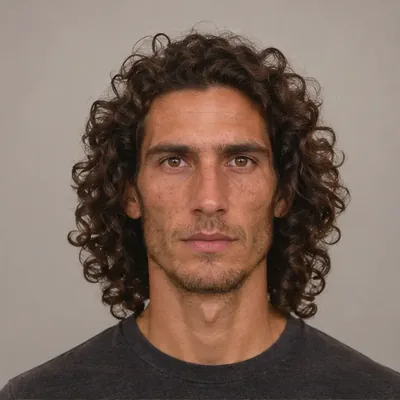
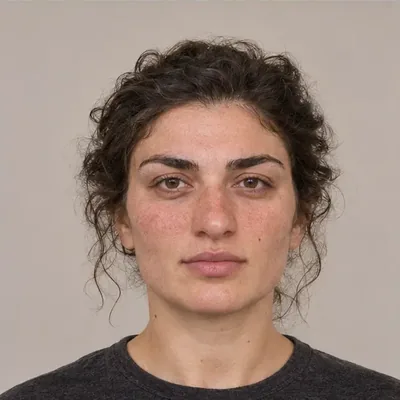
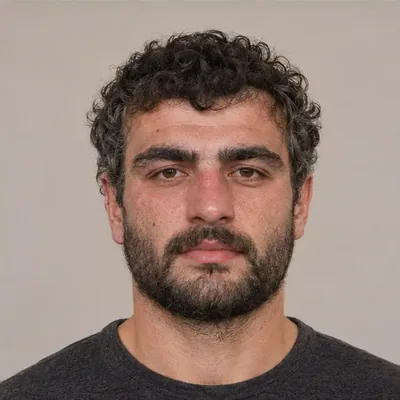
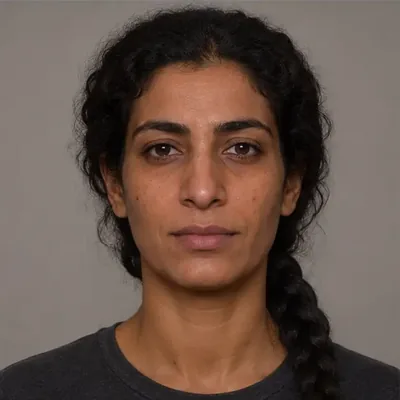
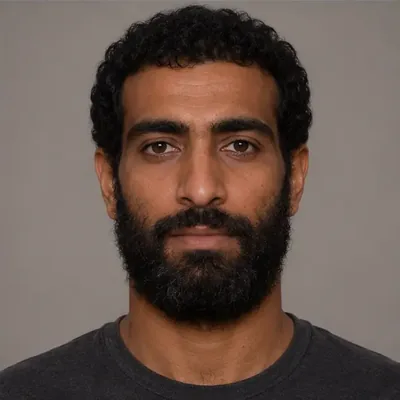
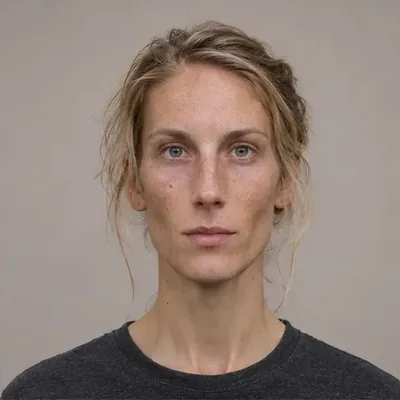
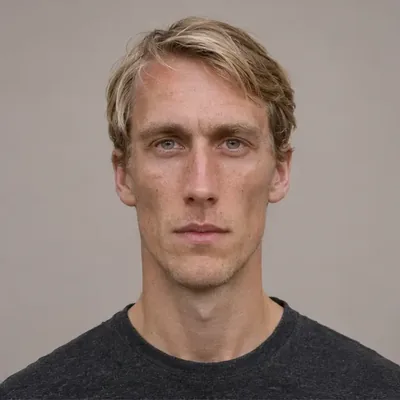
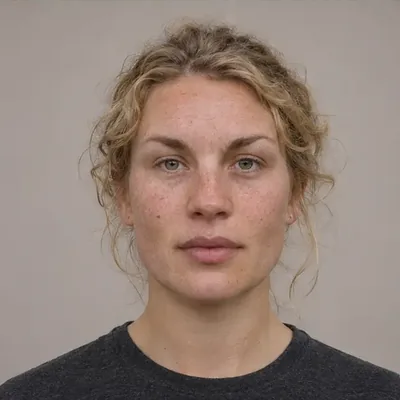
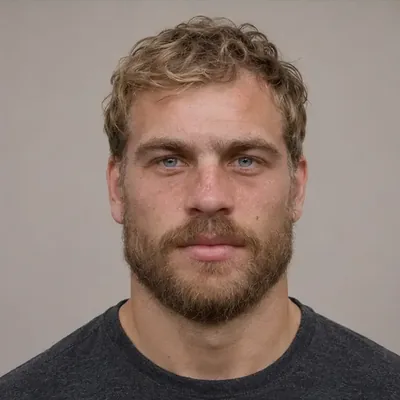
← Take the attraction test

Every group and its portraits: E

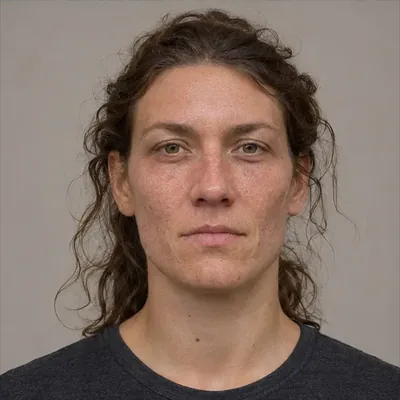
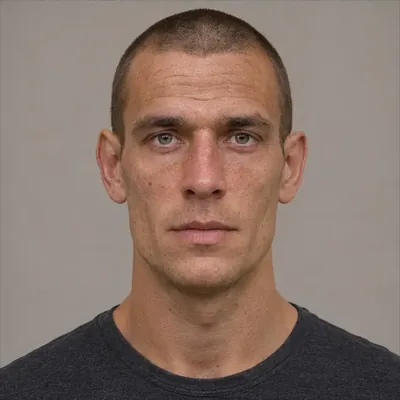
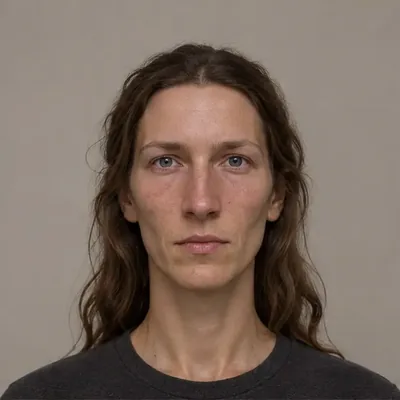
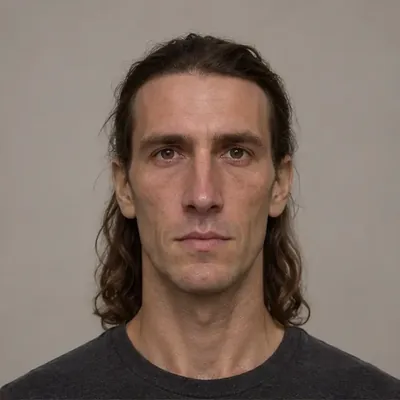
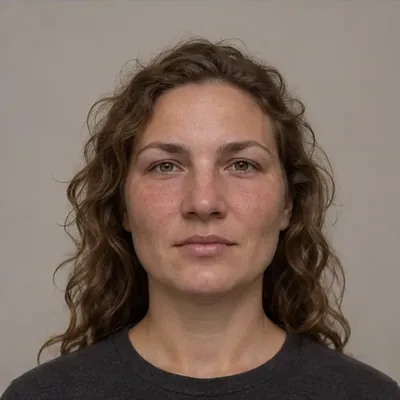
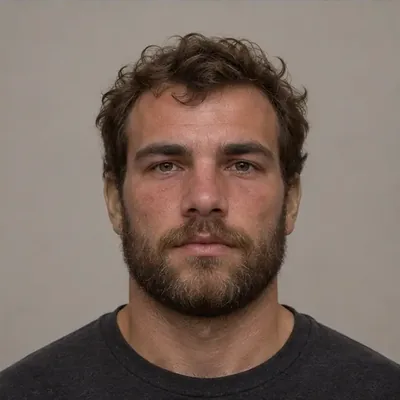
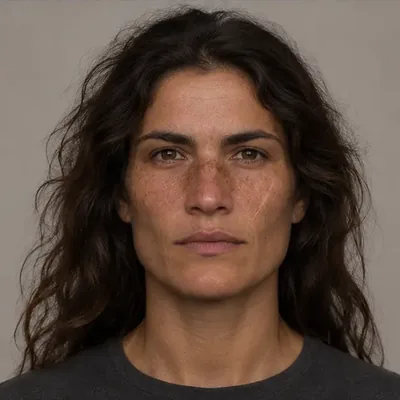
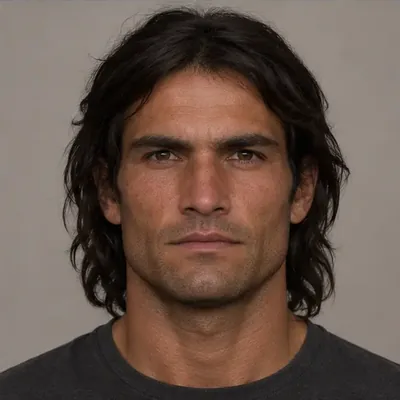
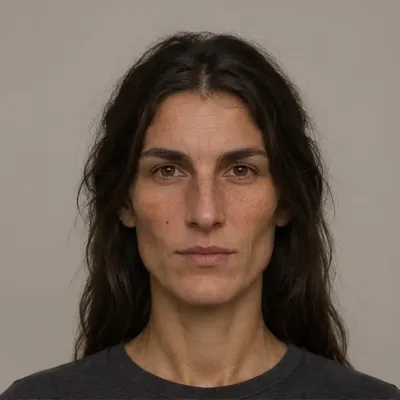
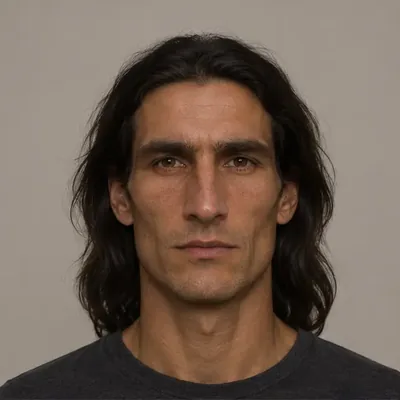
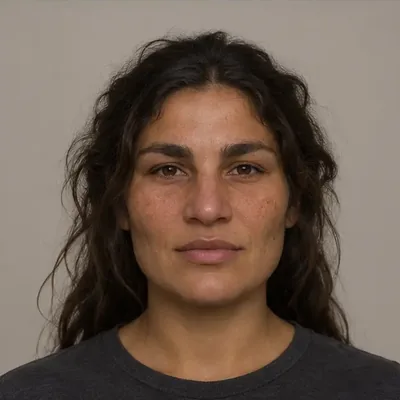
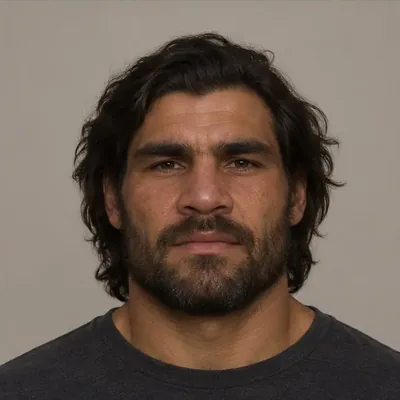
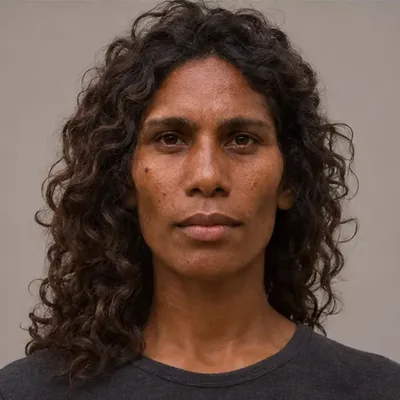
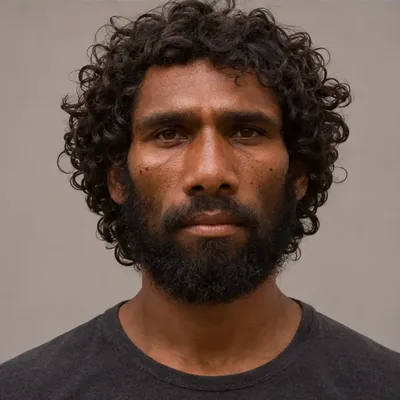
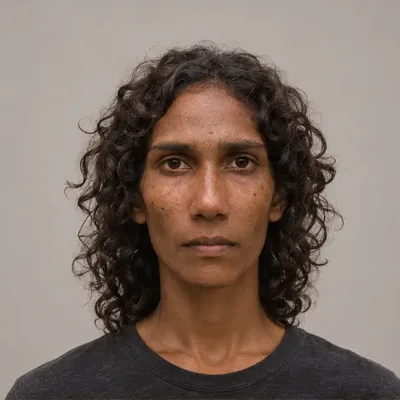
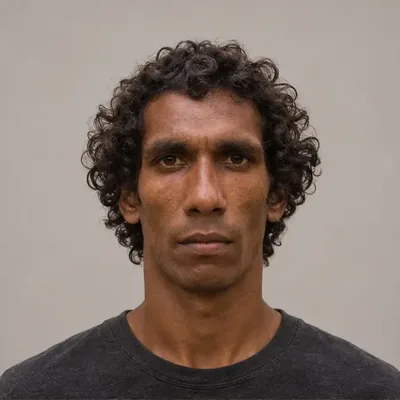
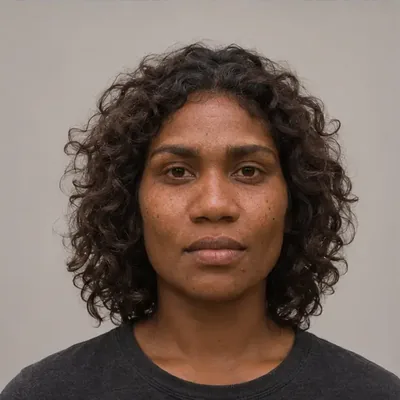
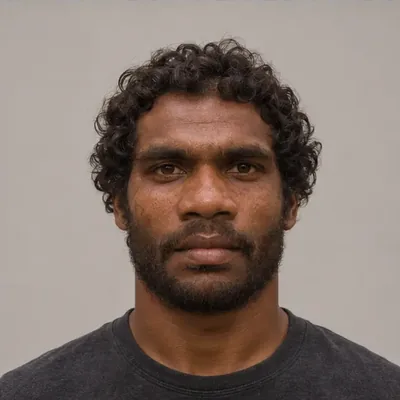
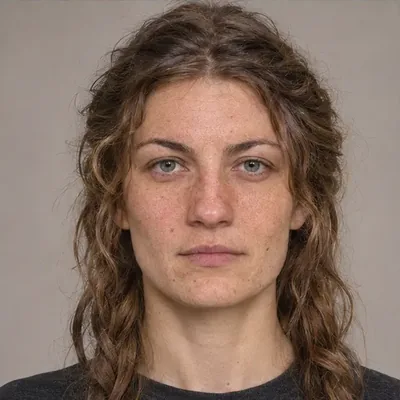
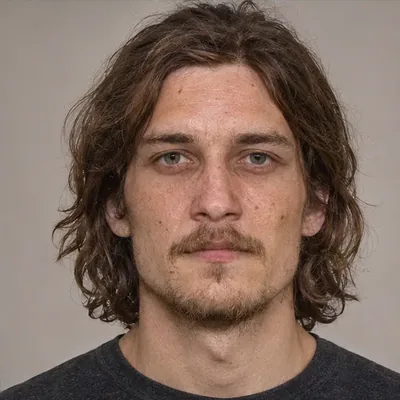
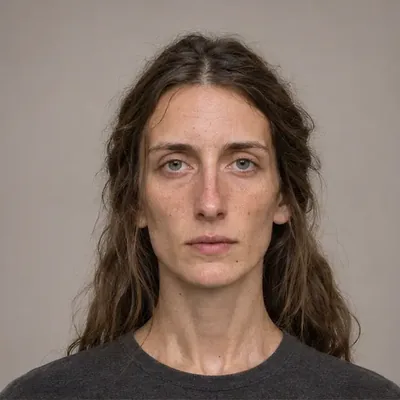
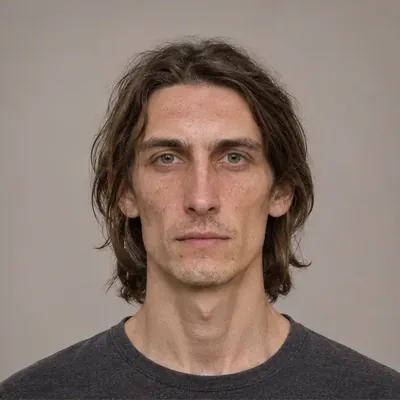
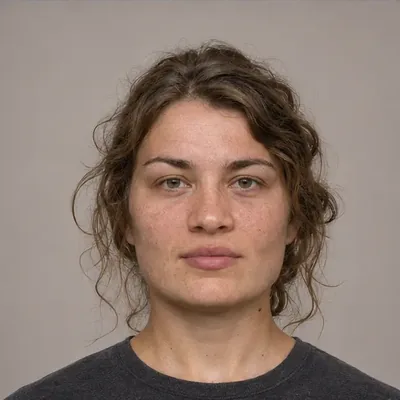
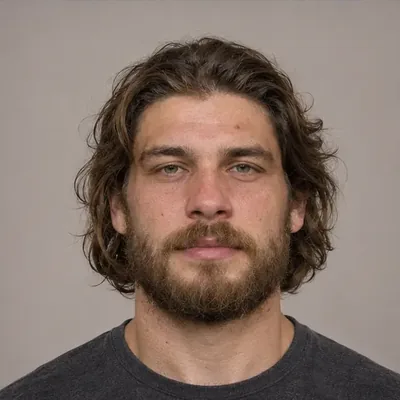
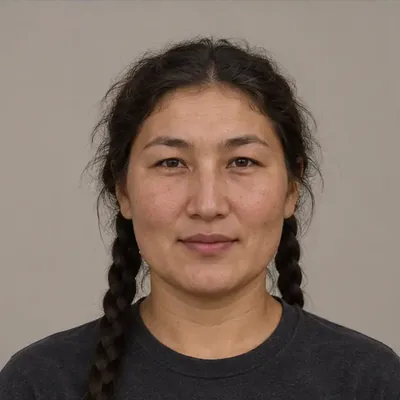
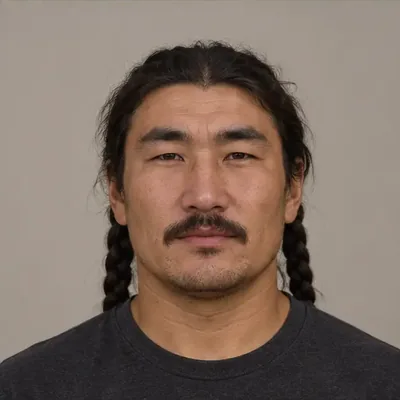
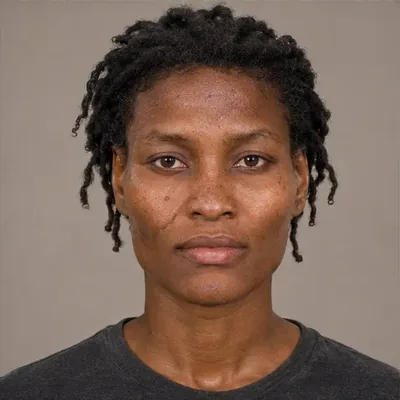
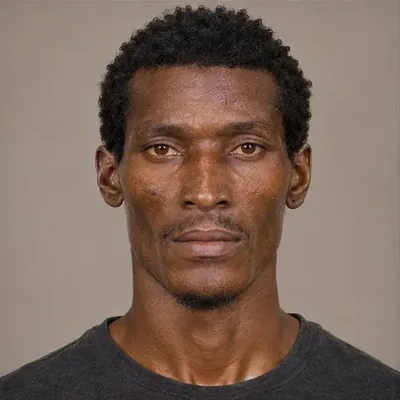
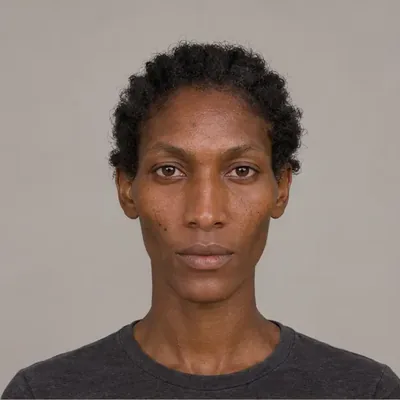
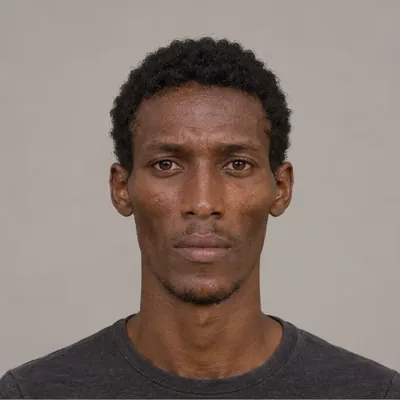
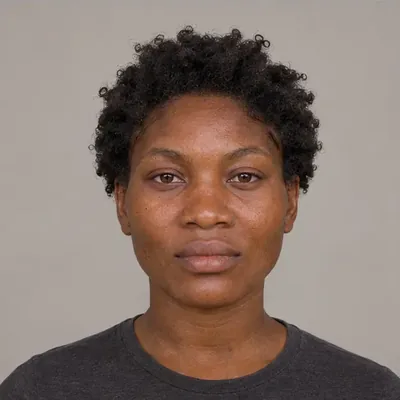
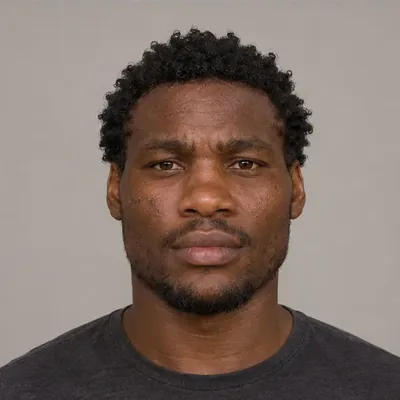
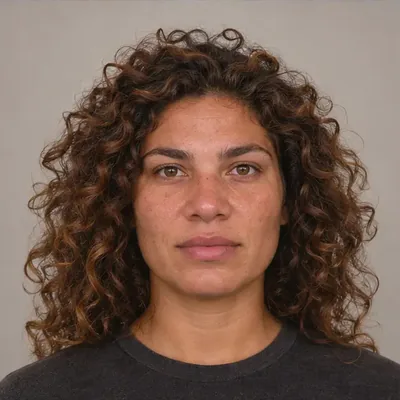
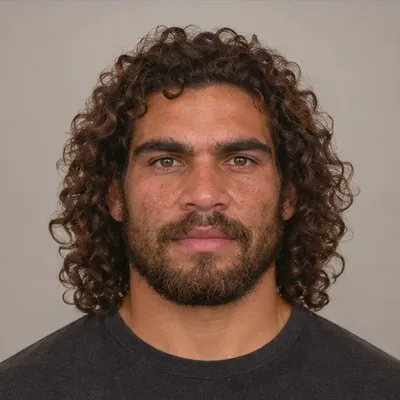
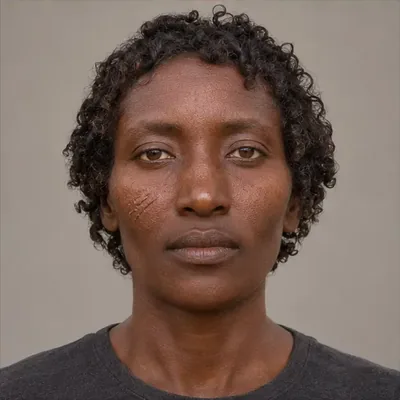
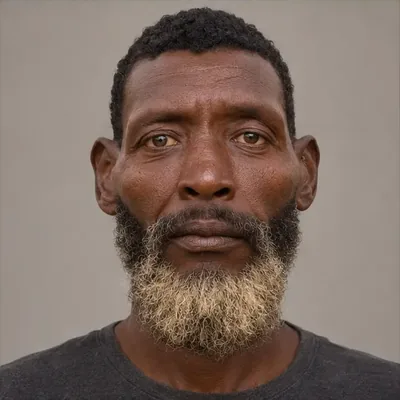
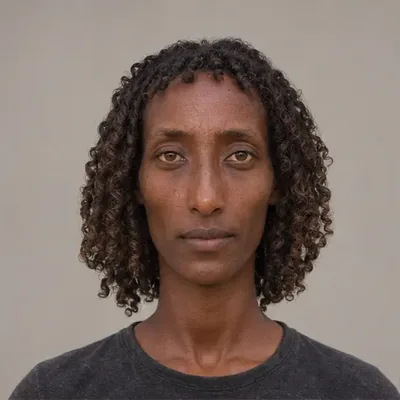
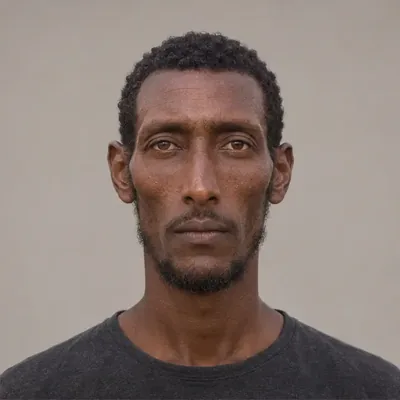
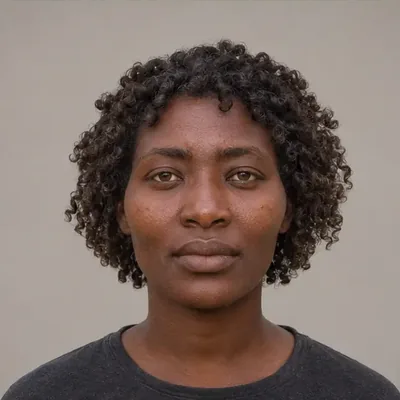
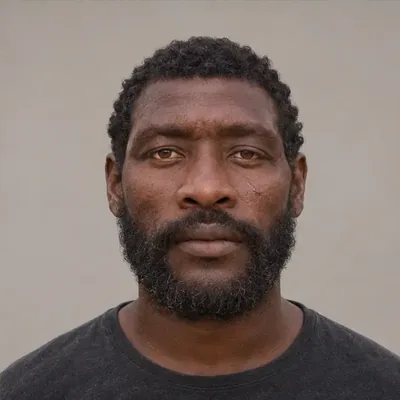
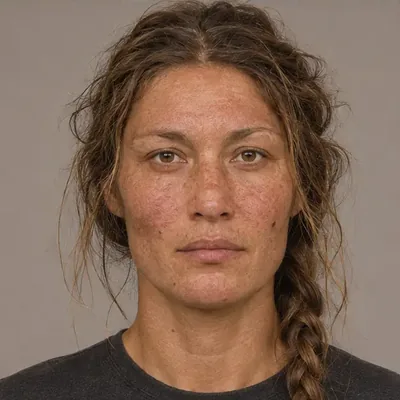
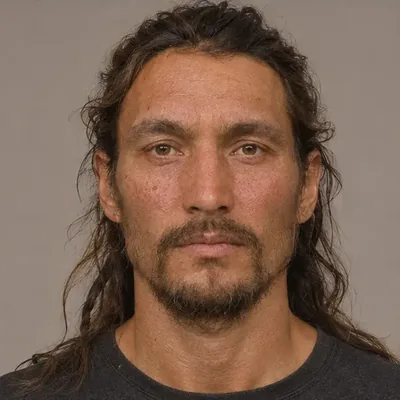
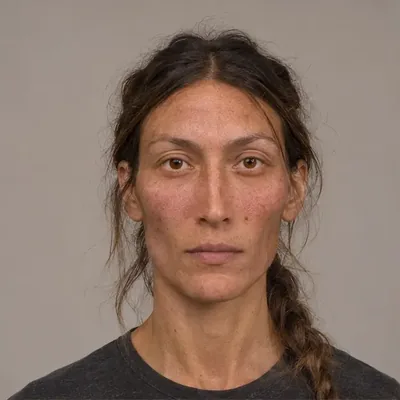
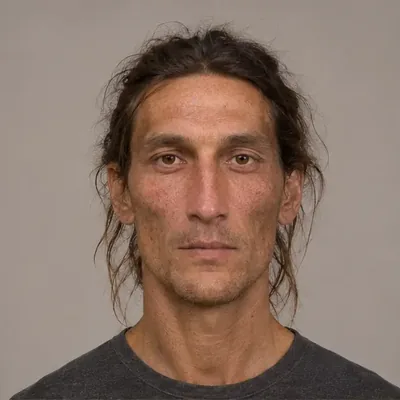
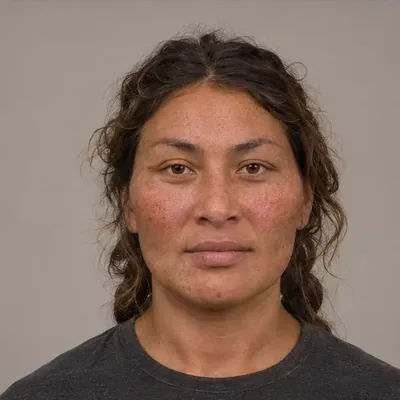
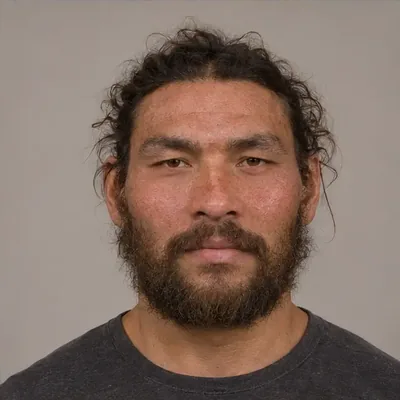
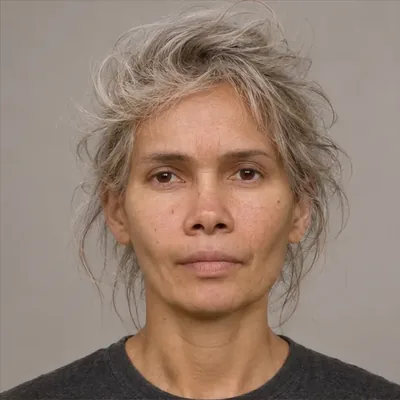
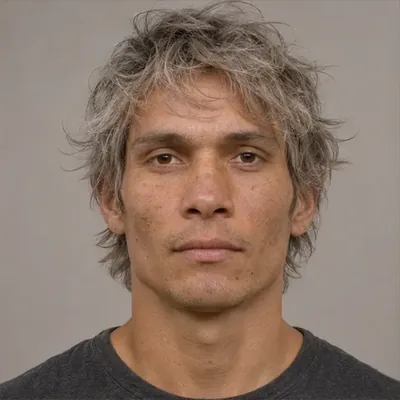
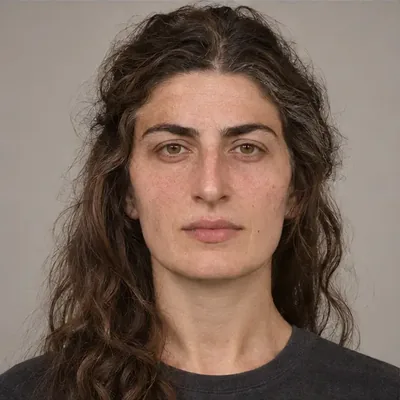
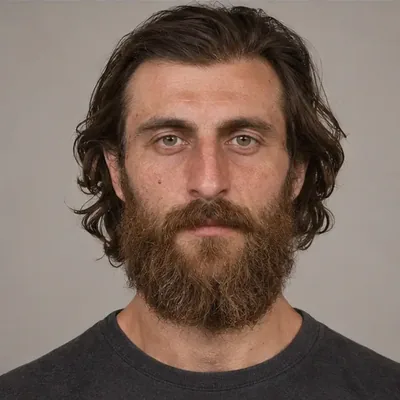
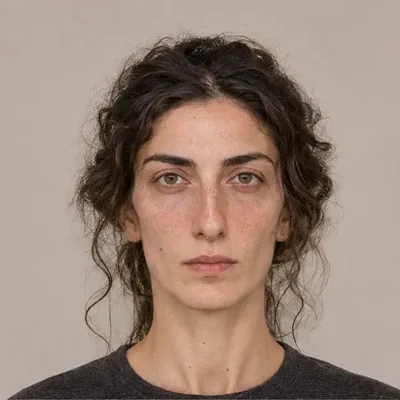
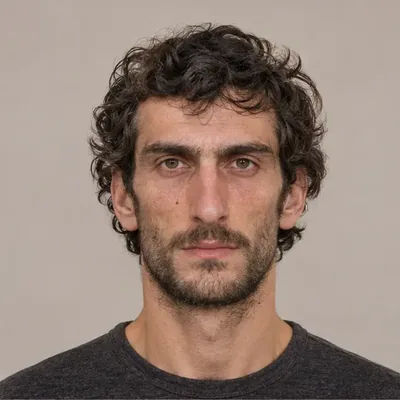
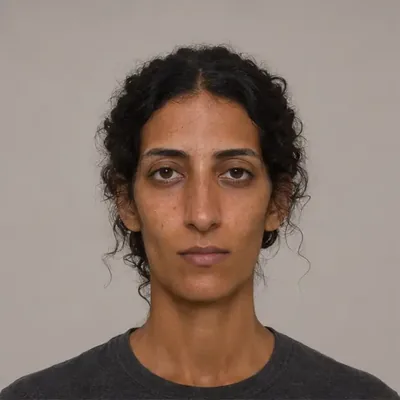
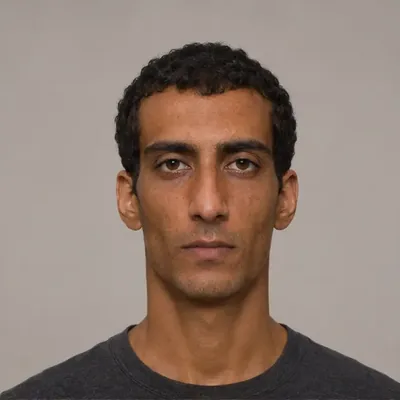
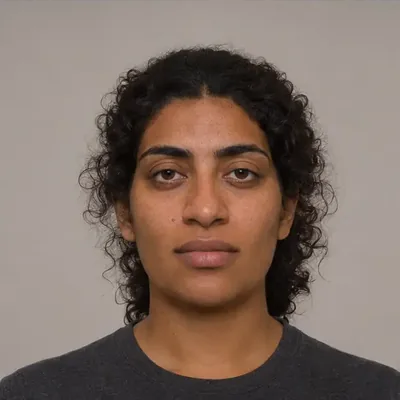
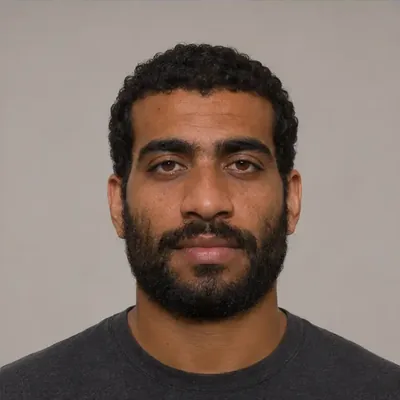
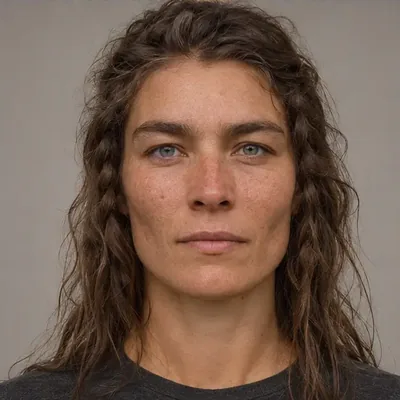
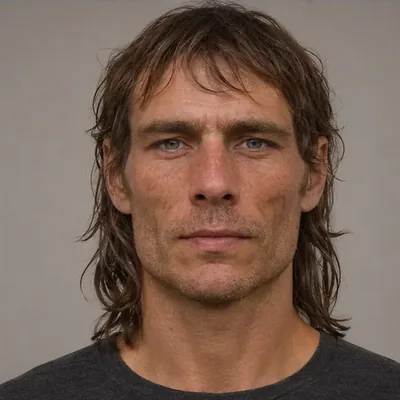
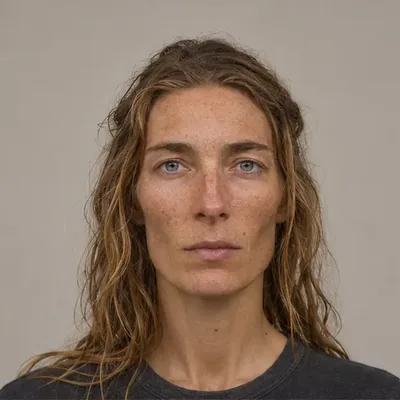
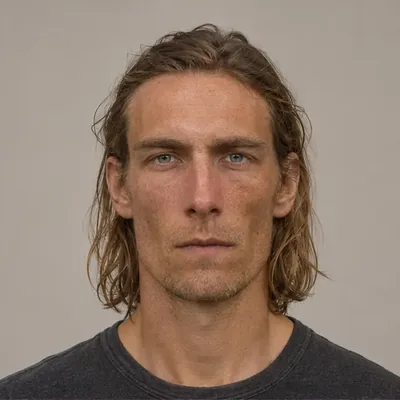
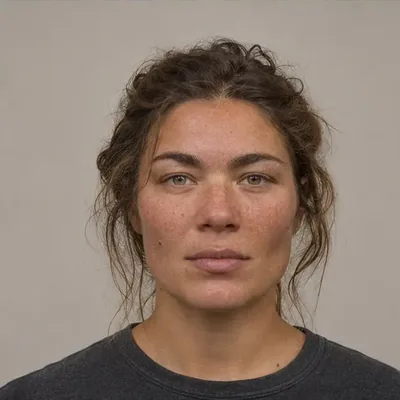
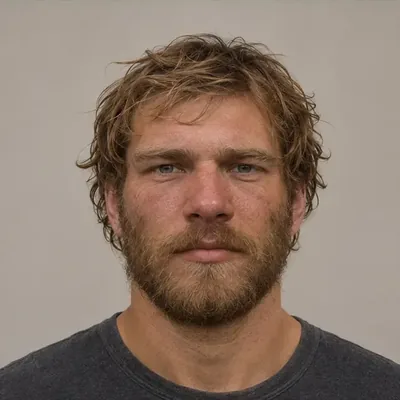
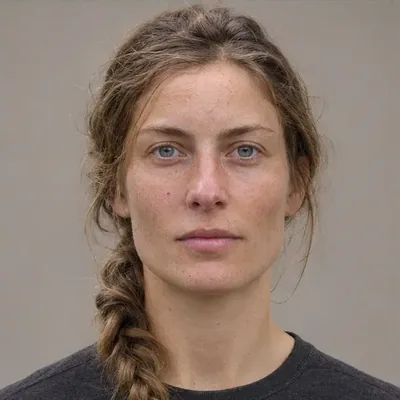
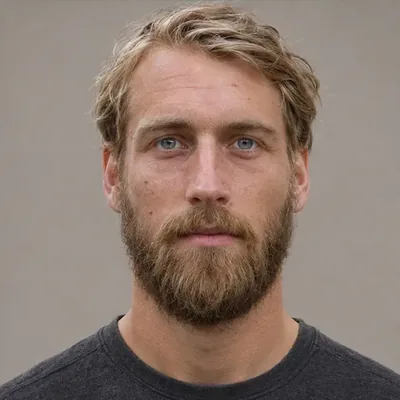
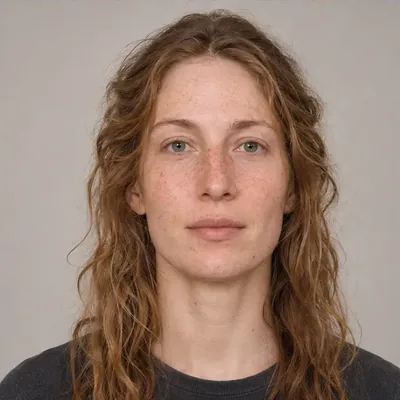
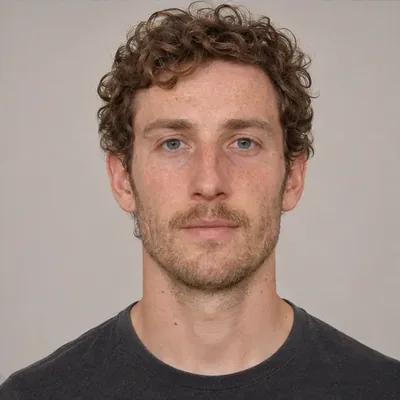
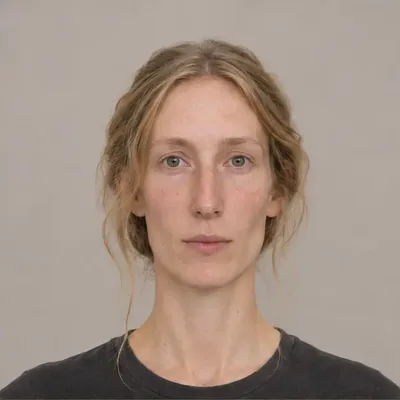
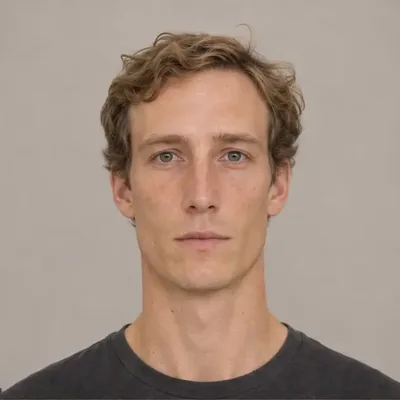
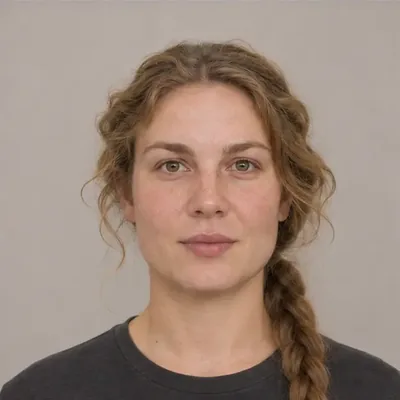
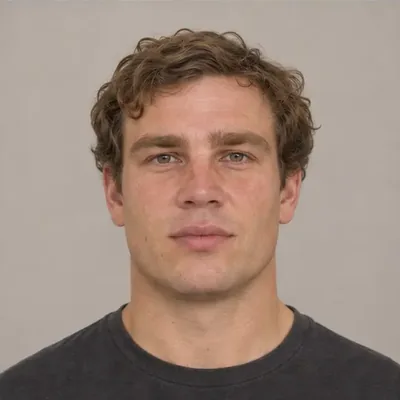
The 165 groups of the test, each with its eight fictional portraits: four women and four men. Everyone shows the first two of each; Women and Men show all four of one. This page: the 15 groups under E.

Early European Farmers (EEF)

Early farming populations in Europe with substantial ancestry related to Neolithic Anatolia, alongside varying local hunter-gatherer ancestry. This is a broad ancient-DNA grouping with regional differences.
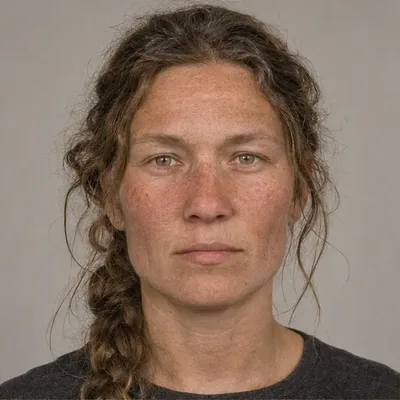
Woman 1, Early European Farmers (EEF)
Woman 1
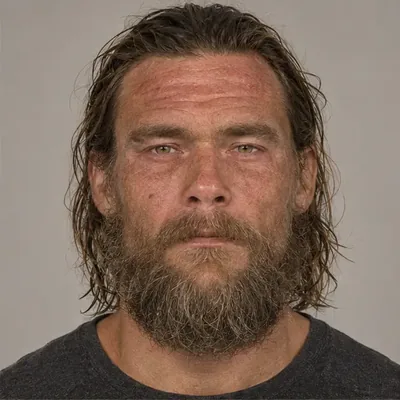
Man 1, Early European Farmers (EEF)
Man 1
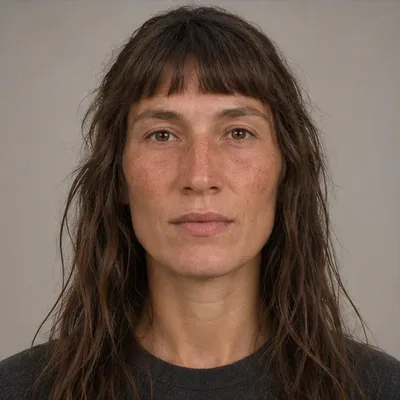
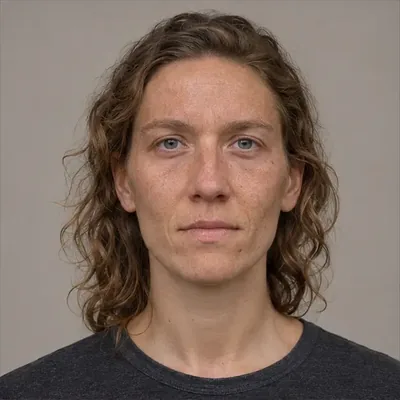
Woman 2, Early European Farmers (EEF)
Woman 2
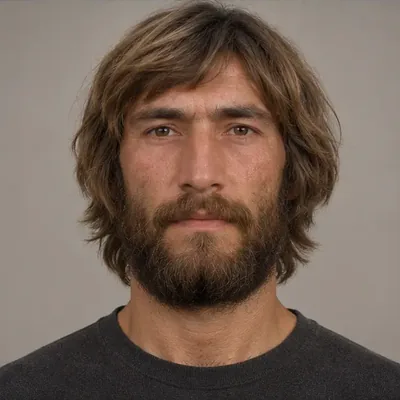
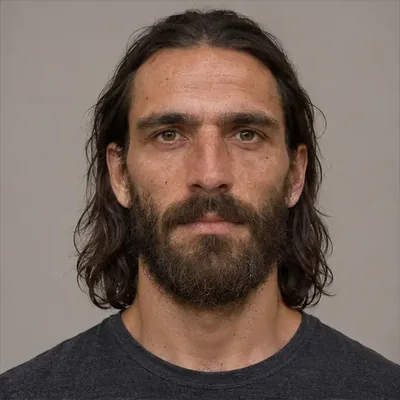
Man 2, Early European Farmers (EEF)
Man 2
Woman 3, Early European Farmers (EEF)
Woman 3
Man 3, Early European Farmers (EEF)
Man 3
Woman 4, Early European Farmers (EEF)
Woman 4
Man 4, Early European Farmers (EEF)
Man 4

Portraits drawn from the catalog reconstructions: Annagh Burial 2, Globular Amphora, Globular Amphora Culture, Globular Amphora Culture.

Early Gravettian tradition

An early part of the European Upper Palaeolithic Gravettian archaeological tradition. The catalog uses Cro-Magnon 1 as its reference; a cultural label is not a single genetic lineage.
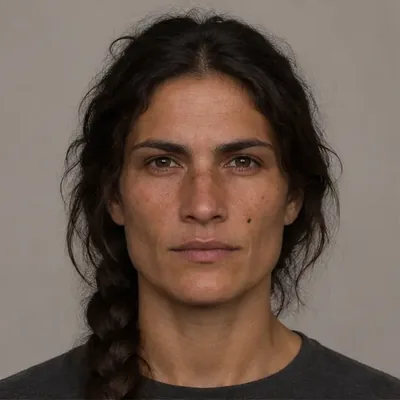
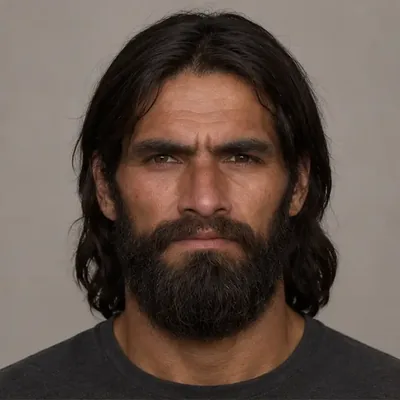
Woman 1, Early Gravettian tradition
Woman 1
Man 1, Early Gravettian tradition
Man 1
Woman 2, Early Gravettian tradition
Woman 2
Man 2, Early Gravettian tradition
Man 2
Woman 3, Early Gravettian tradition
Woman 3
Man 3, Early Gravettian tradition
Man 3
Woman 4, Early Gravettian tradition
Woman 4
Man 4, Early Gravettian tradition
Man 4

Portraits drawn from the catalog reconstructions: Cro-Magnon 1.

Early Homo sapiens

Early members of our species, represented here by Qafzeh 6 from the Levant. This broad evolutionary category covers much more time and diversity than an archaeological culture.
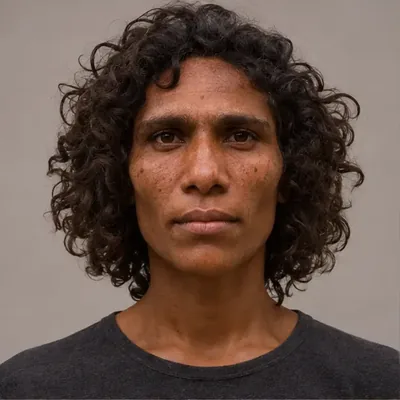
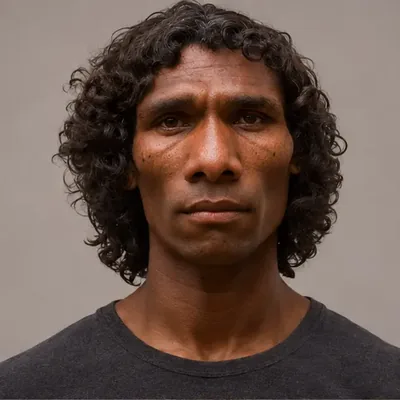
Woman 1, Early Homo sapiens
Woman 1
Man 1, Early Homo sapiens
Man 1
Woman 2, Early Homo sapiens
Woman 2
Man 2, Early Homo sapiens
Man 2
Woman 3, Early Homo sapiens
Woman 3
Man 3, Early Homo sapiens
Man 3
Woman 4, Early Homo sapiens
Woman 4
Man 4, Early Homo sapiens
Man 4

Portraits drawn from the catalog reconstructions: Qafzeh 6.

Early Slavic communities

Early medieval communities associated with the spread of Slavic languages and material traditions in Europe. Slavic is a linguistic and historical designation, not a uniform ancestry profile.
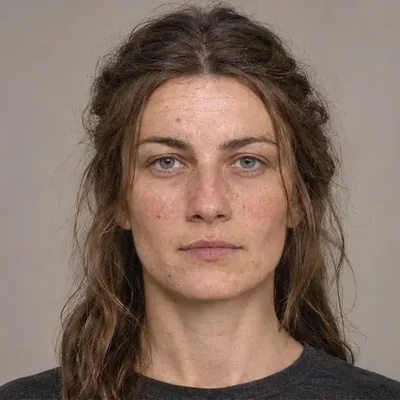

Woman 1, Early Slavic communities
Woman 1
Man 1, Early Slavic communities
Man 1
Woman 2, Early Slavic communities
Woman 2
Man 2, Early Slavic communities
Man 2
Woman 3, Early Slavic communities
Woman 3
Man 3, Early Slavic communities
Man 3
Woman 4, Early Slavic communities
Woman 4
Man 4, Early Slavic communities
Man 4

Portraits drawn from the catalog reconstructions: Early Slav.

Early Turkic communities

Early medieval steppe communities associated with Turkic-speaking polities and migrations. These communities included diverse regional and ancestral backgrounds.
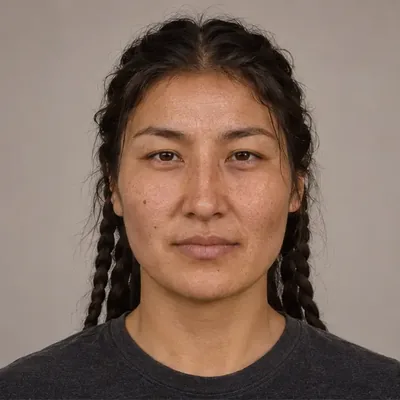
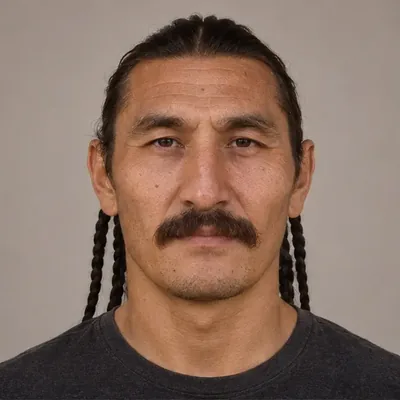
Woman 1, Early Turkic communities
Woman 1
Man 1, Early Turkic communities
Man 1
Woman 2, Early Turkic communities
Woman 2
Man 2, Early Turkic communities
Man 2
Woman 3, Early Turkic communities
Woman 3
Man 3, Early Turkic communities
Man 3
Woman 4, Early Turkic communities
Woman 4
Man 4, Early Turkic communities
Man 4

Portraits drawn from the catalog reconstructions: Early Turkic.

Early West African, early Nilotic, Ancient North African or Iberomaurusian affinities (tentative)

A proposed composite label for a Kiffian reconstruction from the Sahara. Nilotic refers to a family of languages associated with the Nile region; Iberomaurusian is a prehistoric North African archaeological tradition.

The question mark flags speculative affinities; “proto” and the plus/slash notation do not establish language, identity or measured ancestry fractions.
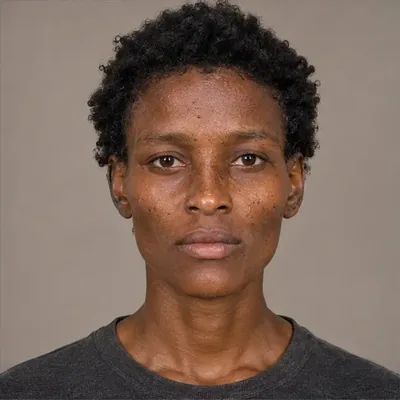
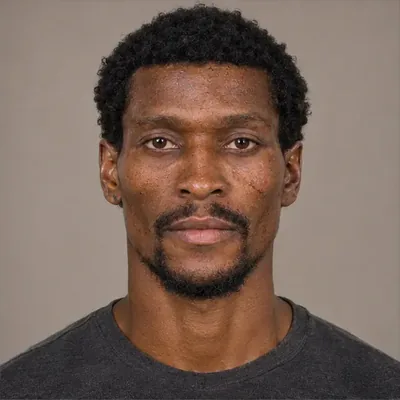
Woman 1, Early West African, early Nilotic, Ancient North African or Iberomaurusian affinities (tentative)
Woman 1
Man 1, Early West African, early Nilotic, Ancient North African or Iberomaurusian affinities (tentative)
Man 1
Woman 2, Early West African, early Nilotic, Ancient North African or Iberomaurusian affinities (tentative)
Woman 2
Man 2, Early West African, early Nilotic, Ancient North African or Iberomaurusian affinities (tentative)
Man 2
Woman 3, Early West African, early Nilotic, Ancient North African or Iberomaurusian affinities (tentative)
Woman 3
Man 3, Early West African, early Nilotic, Ancient North African or Iberomaurusian affinities (tentative)
Man 3
Woman 4, Early West African, early Nilotic, Ancient North African or Iberomaurusian affinities (tentative)
Woman 4
Man 4, Early West African, early Nilotic, Ancient North African or Iberomaurusian affinities (tentative)
Man 4

Portraits drawn from the catalog reconstructions: Kiffian.

Early western Eurasian lineage

A broad ancient genetic comparison label, represented here by Kostenki 14 from Upper Palaeolithic western Russia. It describes an early lineage rather than a named archaeological people.
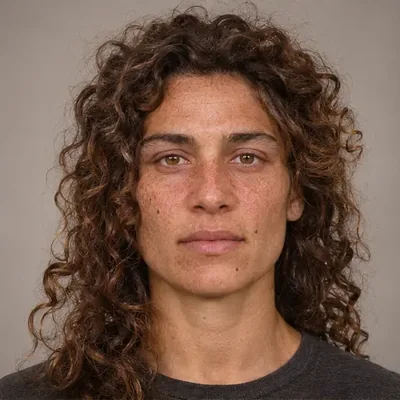
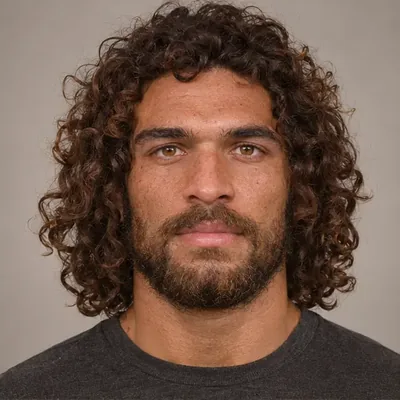
Woman 1, Early western Eurasian lineage
Woman 1
Man 1, Early western Eurasian lineage
Man 1
Woman 2, Early western Eurasian lineage
Woman 2
Man 2, Early western Eurasian lineage
Man 2
Woman 3, Early western Eurasian lineage
Woman 3
Man 3, Early western Eurasian lineage
Man 3
Woman 4, Early western Eurasian lineage
Woman 4
Man 4, Early western Eurasian lineage
Man 4

Portraits drawn from the catalog reconstructions: Kostenki14.

Eastern Africa, Pastoral Neolithic

Prehistoric herding communities of eastern Africa, represented here by Kenyan references. The term describes regional archaeological traditions connected with livestock keeping, rather than one ethnic group.
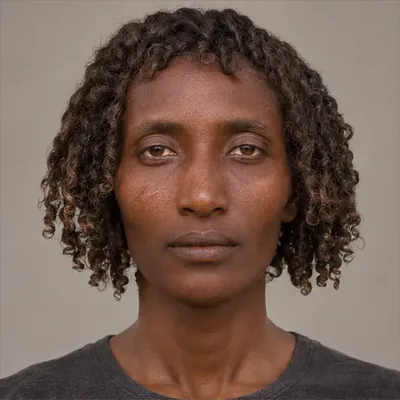
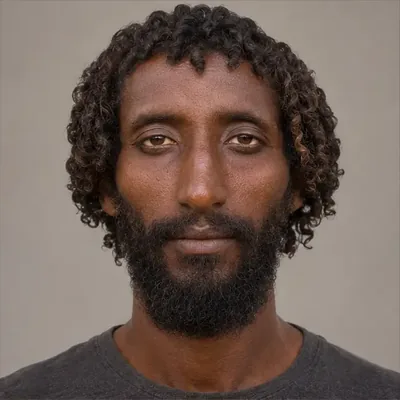
Woman 1, Eastern Africa, Pastoral Neolithic
Woman 1
Man 1, Eastern Africa, Pastoral Neolithic
Man 1
Woman 2, Eastern Africa, Pastoral Neolithic
Woman 2
Man 2, Eastern Africa, Pastoral Neolithic
Man 2
Woman 3, Eastern Africa, Pastoral Neolithic
Woman 3
Man 3, Eastern Africa, Pastoral Neolithic
Man 3
Woman 4, Eastern Africa, Pastoral Neolithic
Woman 4
Man 4, Eastern Africa, Pastoral Neolithic
Man 4

Portraits drawn from the catalog reconstructions: Willey's Kopje 2, Nakuru 9.

Eastern European hunter-gatherer and Copper Age steppe affinities

A combined comparison label linking eastern European hunter-gatherers with later Copper Age steppe populations. The catalog reference is from Ekaterinovsky Mys on the middle Volga.
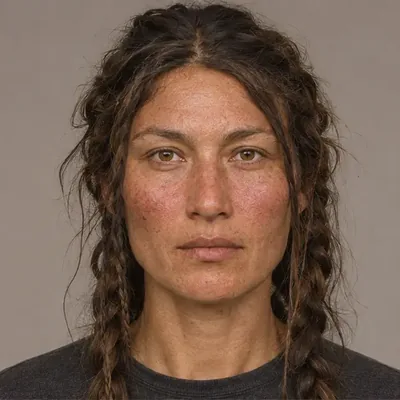
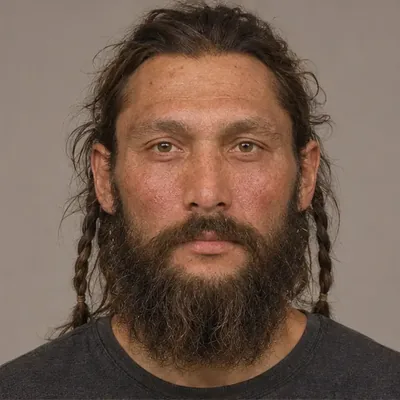
Woman 1, Eastern European hunter-gatherer and Copper Age steppe affinities
Woman 1
Man 1, Eastern European hunter-gatherer and Copper Age steppe affinities
Man 1
Woman 2, Eastern European hunter-gatherer and Copper Age steppe affinities
Woman 2
Man 2, Eastern European hunter-gatherer and Copper Age steppe affinities
Man 2
Woman 3, Eastern European hunter-gatherer and Copper Age steppe affinities
Woman 3
Man 3, Eastern European hunter-gatherer and Copper Age steppe affinities
Man 3
Woman 4, Eastern European hunter-gatherer and Copper Age steppe affinities
Woman 4
Man 4, Eastern European hunter-gatherer and Copper Age steppe affinities
Man 4

Portraits drawn from the catalog reconstructions: Ekaterinovsky Mys.

Eastern European hunter-gatherers (EHG)

An ancient genetic ancestry grouping associated with Mesolithic and related hunter-gatherers of eastern Europe, including regional populations in Karelia.

The Chekalino IVb reconstruction’s assignment to this ancestry group is tentative; the supplied source does not establish it genetically.
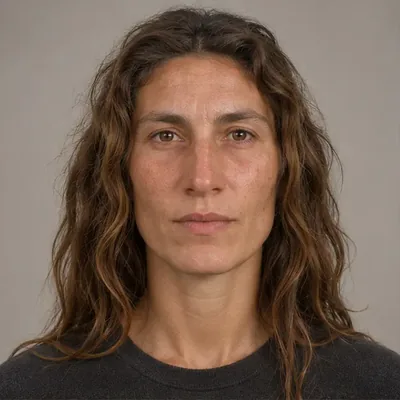
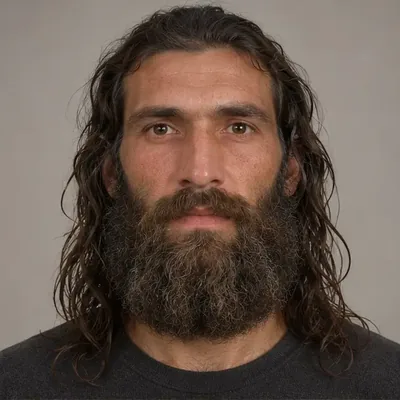
Woman 1, Eastern European hunter-gatherers (EHG)
Woman 1
Man 1, Eastern European hunter-gatherers (EHG)
Man 1
Woman 2, Eastern European hunter-gatherers (EHG)
Woman 2
Man 2, Eastern European hunter-gatherers (EHG)
Man 2
Woman 3, Eastern European hunter-gatherers (EHG)
Woman 3
Man 3, Eastern European hunter-gatherers (EHG)
Man 3
Woman 4, Eastern European hunter-gatherers (EHG)
Woman 4
Man 4, Eastern European hunter-gatherers (EHG)
Man 4

Portraits drawn from the catalog reconstructions: Popovo, Satanay 1, Murzikha EHG, Balakhna woman, Chekalino IVb, Karelian EHG.

Eastern Georgian communities

Historical communities of eastern Georgia in the South Caucasus. The catalog includes medieval references from Tianeti and Martkopi, rather than one prehistoric genetic population.
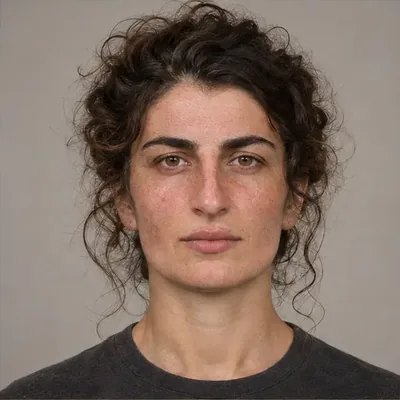
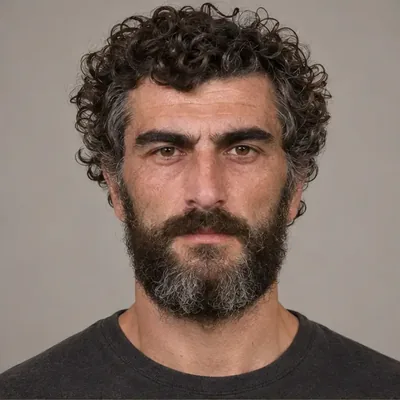
Woman 1, Eastern Georgian communities
Woman 1
Man 1, Eastern Georgian communities
Man 1
Woman 2, Eastern Georgian communities
Woman 2
Man 2, Eastern Georgian communities
Man 2
Woman 3, Eastern Georgian communities
Woman 3
Man 3, Eastern Georgian communities
Man 3
Woman 4, Eastern Georgian communities
Woman 4
Man 4, Eastern Georgian communities
Man 4

Portraits drawn from the catalog reconstructions: Medieval Tianeti, Martkopi Priest.

Egypt, Bronze Age

Bronze Age people of the Nile Valley, represented here by an Eighteenth Dynasty Egyptian reconstruction. The category is regional and chronological.
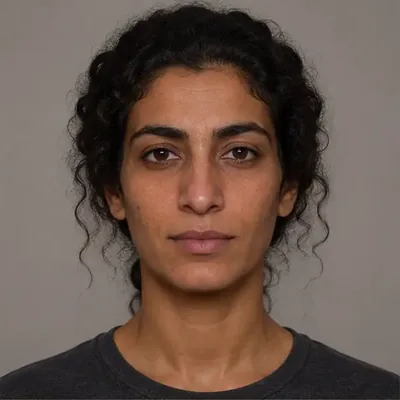
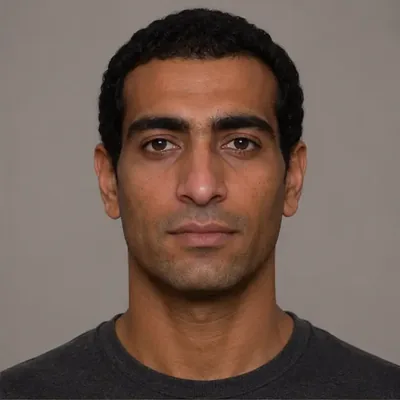
Woman 1, Egypt, Bronze Age
Woman 1
Man 1, Egypt, Bronze Age
Man 1
Woman 2, Egypt, Bronze Age
Woman 2
Man 2, Egypt, Bronze Age
Man 2
Woman 3, Egypt, Bronze Age
Woman 3
Man 3, Egypt, Bronze Age
Man 3
Woman 4, Egypt, Bronze Age
Woman 4
Man 4, Egypt, Bronze Age
Man 4

Portraits drawn from the catalog reconstructions: 18th Dyn. Egyptian.

Ertebølle culture

A Late Mesolithic hunter-gatherer and fishing tradition around southern Scandinavia and the western Baltic, known for coastal settlements, shell middens and pottery.
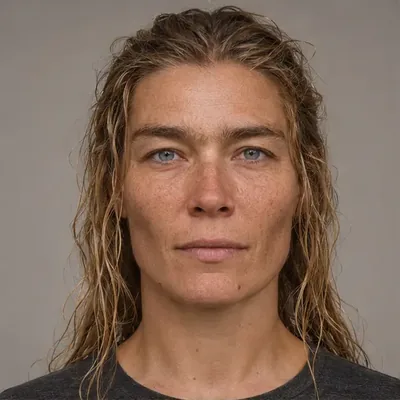
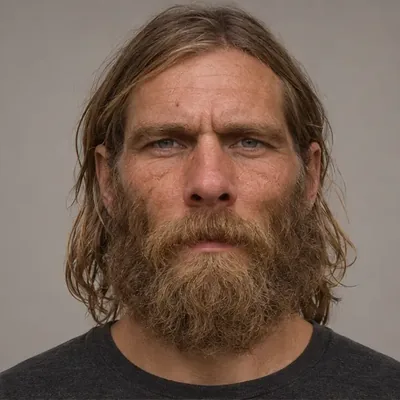
Woman 1, Ertebølle culture
Woman 1
Man 1, Ertebølle culture
Man 1
Woman 2, Ertebølle culture
Woman 2
Man 2, Ertebølle culture
Man 2
Woman 3, Ertebølle culture
Woman 3
Man 3, Ertebølle culture
Man 3
Woman 4, Ertebølle culture
Woman 4
Man 4, Ertebølle culture
Man 4

Portraits drawn from the catalog reconstructions: Skateholm Ertebolle, Ertebolle culture.

European, broad catalog comparison

A catch-all catalog label represented by a Hallstatt reconstruction. It does not define one archaeological or genetic population; older physical-type terms in the source are not used as scientific group identities here.
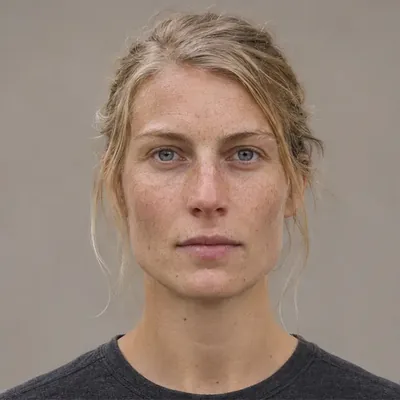
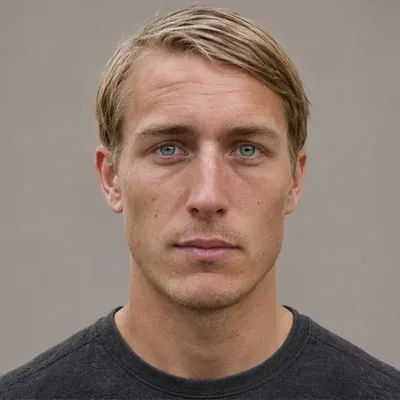
Woman 1, European, broad catalog comparison
Woman 1
Man 1, European, broad catalog comparison
Man 1
Woman 2, European, broad catalog comparison
Woman 2
Man 2, European, broad catalog comparison
Man 2
Woman 3, European, broad catalog comparison
Woman 3
Man 3, European, broad catalog comparison
Man 3
Woman 4, European, broad catalog comparison
Woman 4
Man 4, European, broad catalog comparison
Man 4

Portraits drawn from the catalog reconstructions: Hallstatt Nordid.

European, mixed historical background

A broad catalog description represented by Agnes of Antioch, a medieval queen of Hungary. It summarizes a proposed historical background rather than a defined archaeological population or quantified ancestry estimate.
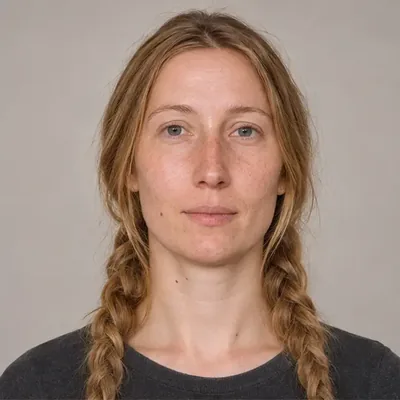
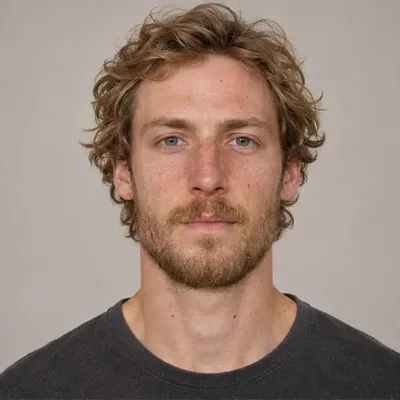
Woman 1, European, mixed historical background
Woman 1
Man 1, European, mixed historical background
Man 1
Woman 2, European, mixed historical background
Woman 2
Man 2, European, mixed historical background
Man 2
Woman 3, European, mixed historical background
Woman 3
Man 3, European, mixed historical background
Man 3
Woman 4, European, mixed historical background
Woman 4
Man 4, European, mixed historical background
Man 4

Portraits drawn from the catalog reconstructions: Agnes of Antioch.

← Previous letter: D Next letter: G →