
 English
 Español
 Português
 Deutsch
 Français
 Italiano
 Polski
 Українська
 Русский
 Türkçe
 العربية
 日本語
 한국어
 ไทย
 汉语
 Tiếng Việt
 Bahasa
Every group and its portraits: L
The 165 groups of the test, each with its eight fictional portraits: four women and four men. Everyone shows the first two of each; Women and Men show all four of one. This page: the 8 groups under L.
La Tène culture
A later Iron Age archaeological tradition of central and western Europe, strongly associated with Celtic material culture, metalwork and art. Cultural attribution alone does not establish an individual's language.
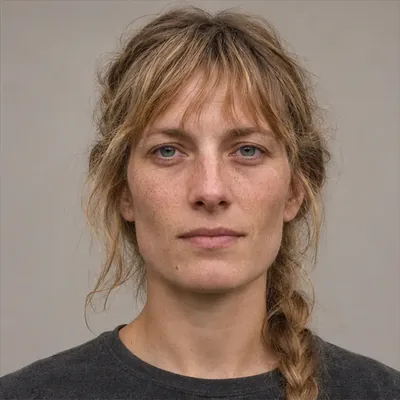
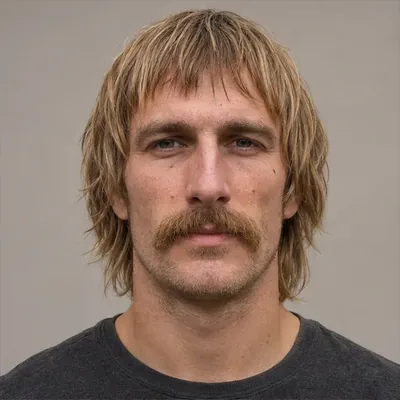
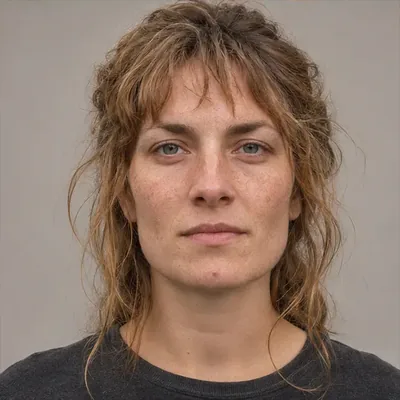



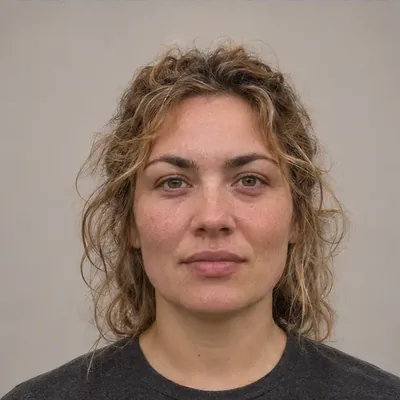

Portraits drawn from the catalog reconstructions: La Tene culture.
Lake Van, Urartian period
An Iron Age reference associated with the kingdom of Urartu around Lake Van in eastern Anatolia. Urartu was a historical state, rather than one uniform biological population.
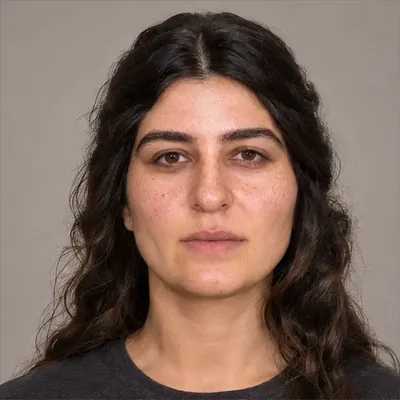
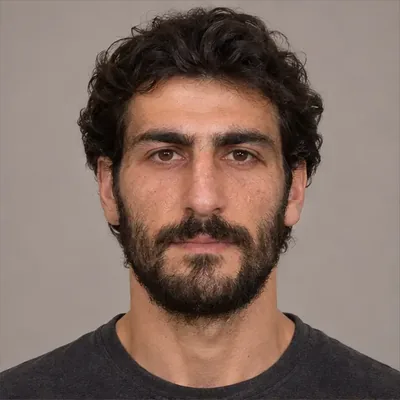
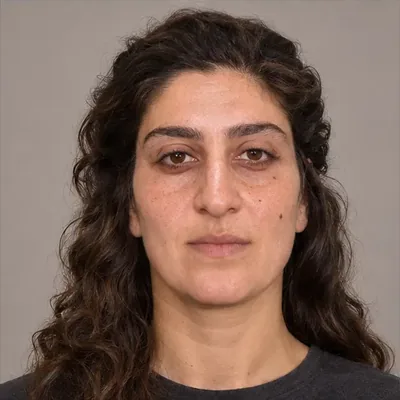
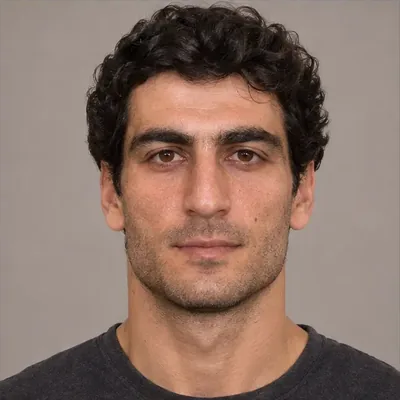


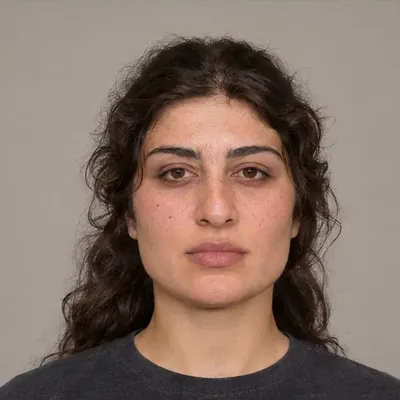
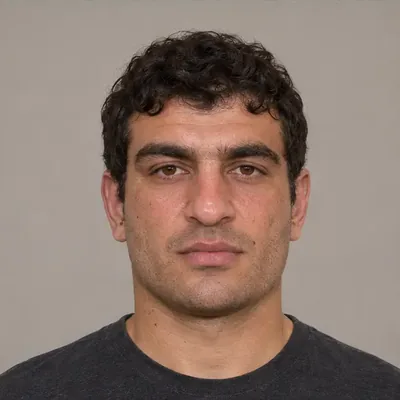
Portraits drawn from the catalog reconstructions: Urartian Noblewoman.
Late Sarmatian communities
Later Iron Age and Roman-period steppe communities within the wider Sarmatian world, especially north of the Black and Caspian Seas. The catalog reference comes from Abganerovo.
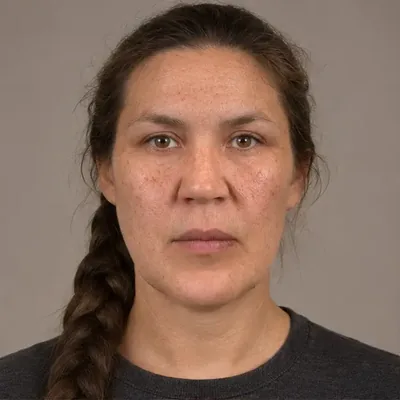

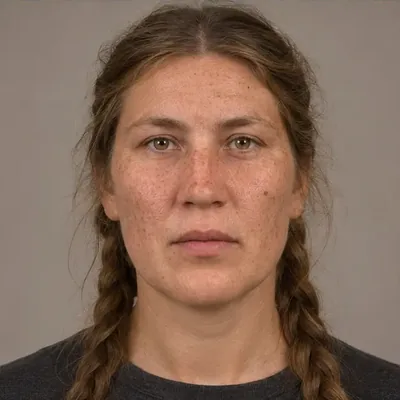
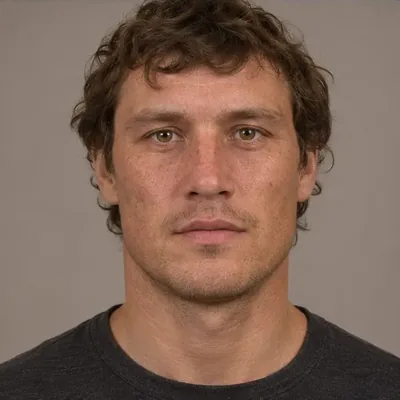


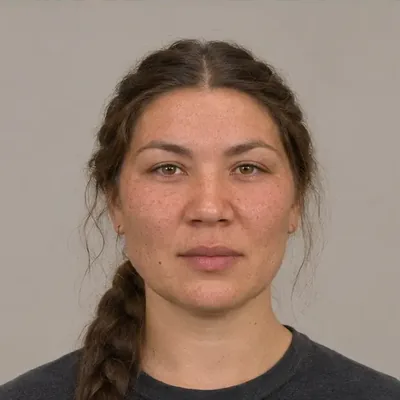
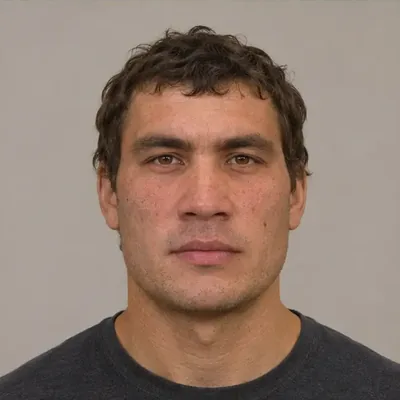
Portraits drawn from the catalog reconstructions: Abganerovo II/13.
Levant, Pre-Pottery Neolithic B
Early farming communities of the eastern Mediterranean during Pre-Pottery Neolithic B, before widespread pottery use. The catalog reference is the plastered skull labelled KNH-Homo 1.
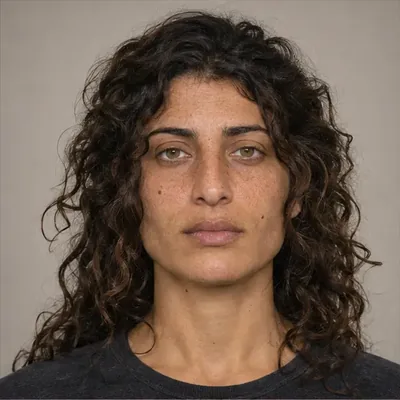





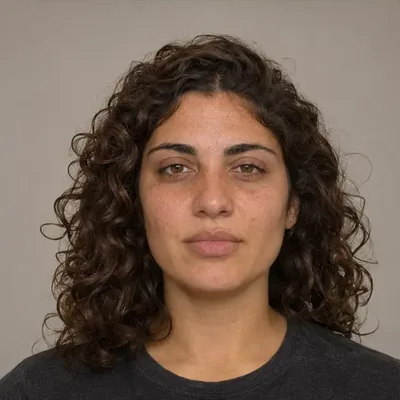

Portraits drawn from the catalog reconstructions: Homo 1-KNH.
Levantine Aurignacian or Kebaran tradition (tentative)
Alternative Upper Palaeolithic and Epipalaeolithic cultural comparisons for a Nahal Ein Gev I reconstruction from the Levant.
Both question marks flag uncertainty over the catalog's cultural assignment; they do not identify a measured genetic mixture.
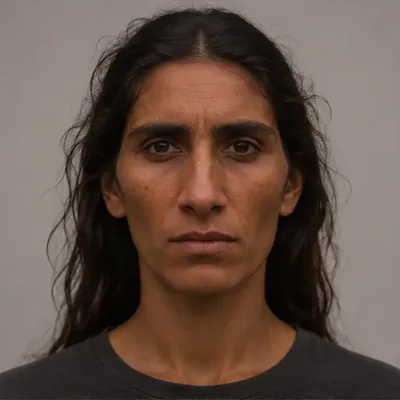
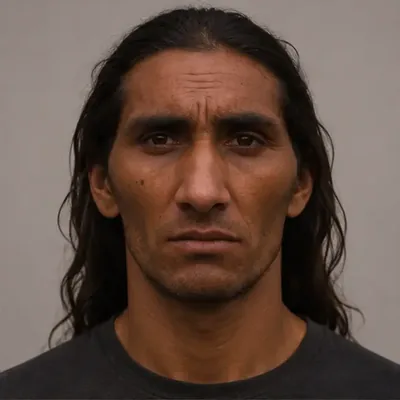
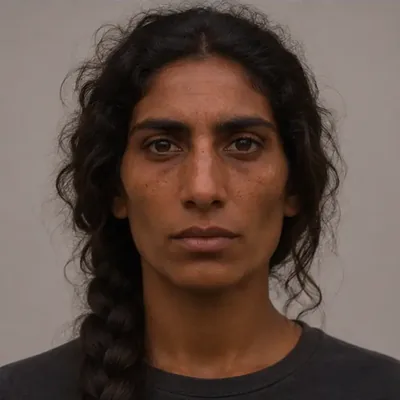
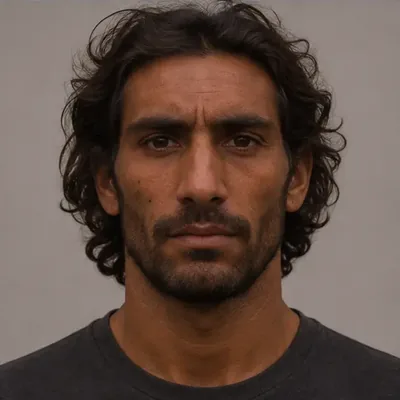
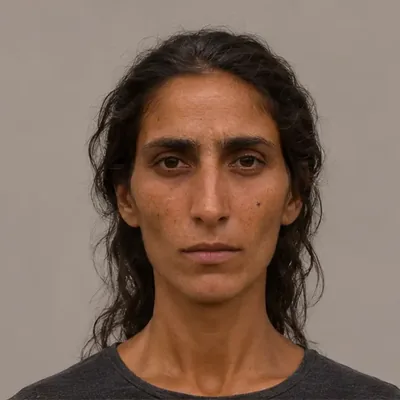
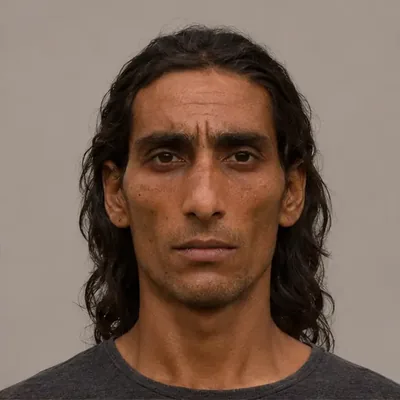
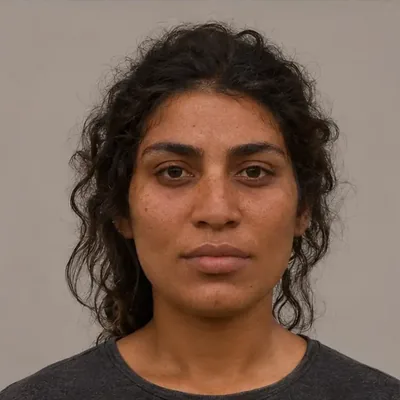
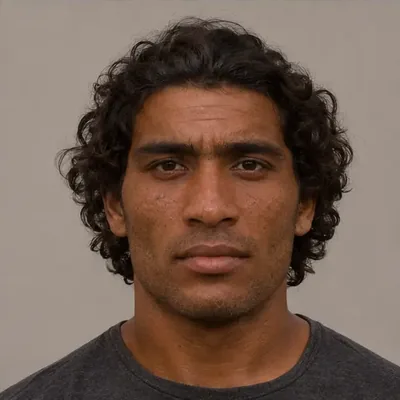
Portraits drawn from the catalog reconstructions: Nahal Ein Gev 1.
Levantine, ancient Israelite reference
A broad eastern Mediterranean regional category represented by an ancient Israelite reconstruction. Levantine includes many places and periods and is not a synonym for one uniform ancient population.
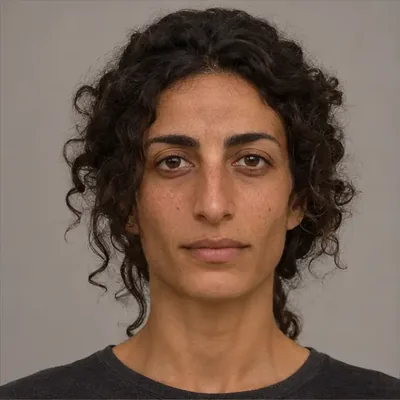
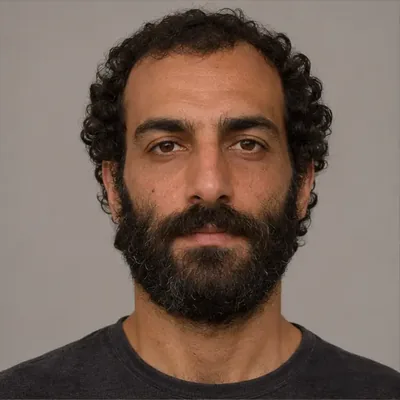
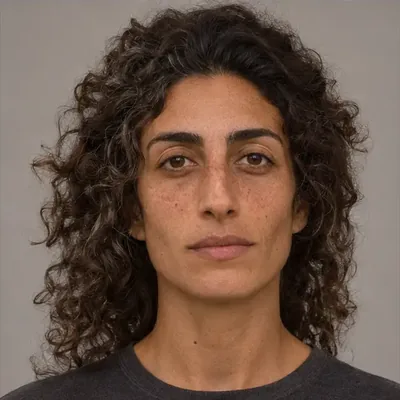
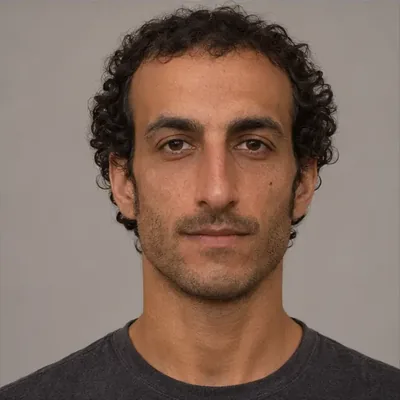
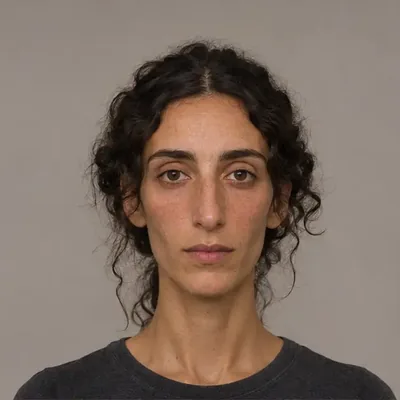

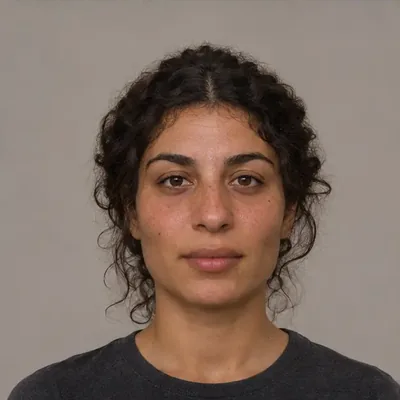
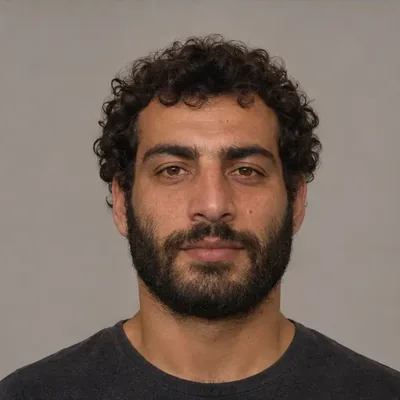
Portraits drawn from the catalog reconstructions: Antiquity Israelite.
Linear Pottery culture: Neolithic Anatolian and western hunter-gatherer affinities
The Linear Pottery culture, called Linearbandkeramik in German, was an early farming tradition of central Europe. The source label compares these references with Neolithic Anatolian farmers and western European hunter-gatherers.
The original roughly 95% and 5% figures are catalog estimates, not a verified DNA result for these portraits or a test-taker's ancestry.








Portraits drawn from the catalog reconstructions: Linear Pottery culture, Linear Pottery culture.
Liushui, China, Iron Age — catalog group 1
An ancient-DNA comparison group from the Liushui cemetery in southern Xinjiang, China. The final 1 is retained as a catalog group identifier; the supplied catalog does not define it as a separate historical phase.
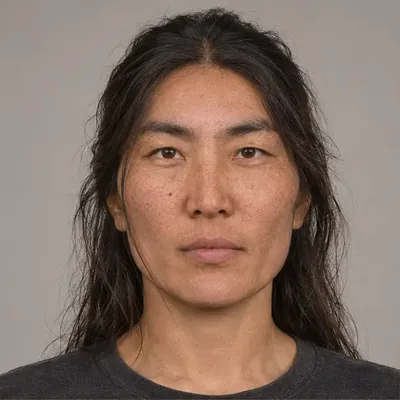

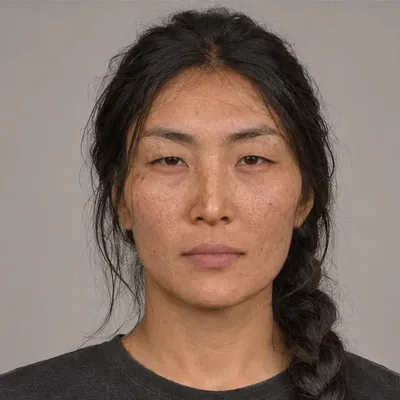





Portraits drawn from the catalog reconstructions: Liushui.