
 English
 Español
 Português
 Deutsch
 Français
 Italiano
 Polski
 Українська
 Русский
 Türkçe
 العربية
 日本語
 한국어
 ไทย
 汉语
 Tiếng Việt
 Bahasa
Every group and its portraits: M
The 165 groups of the test, each with its eight fictional portraits: four women and four men. Everyone shows the first two of each; Women and Men show all four of one. This page: the 6 groups under M.
Maeotian communities
Iron Age communities around the eastern Sea of Azov and lower Kuban region, known from settlements and cemeteries in the northwestern Caucasus.
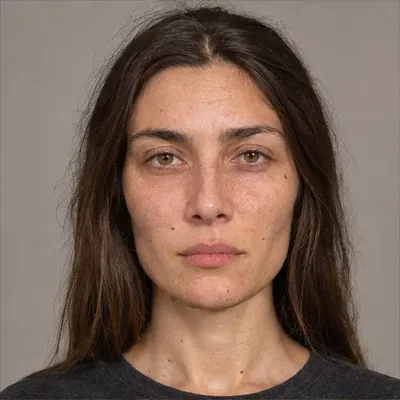

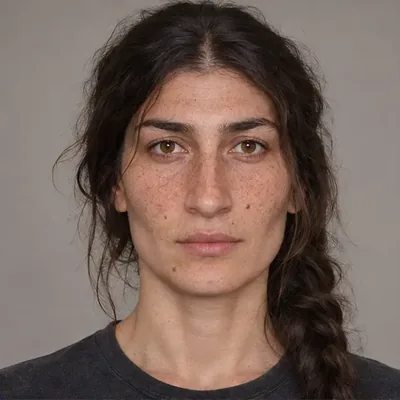
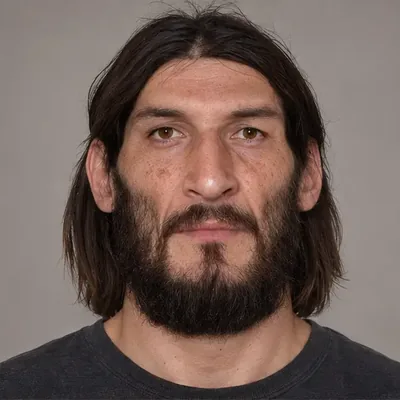
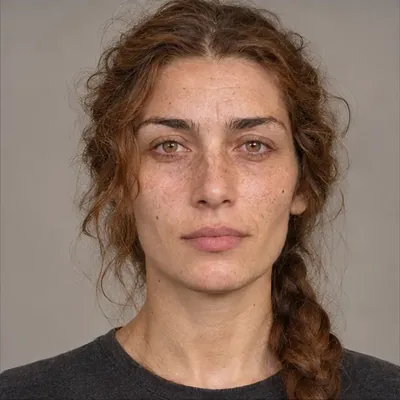
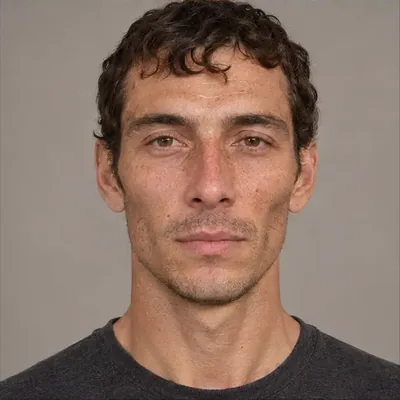
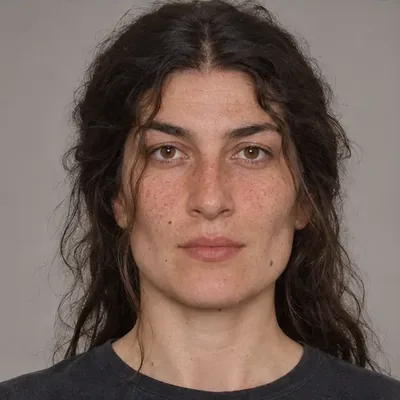
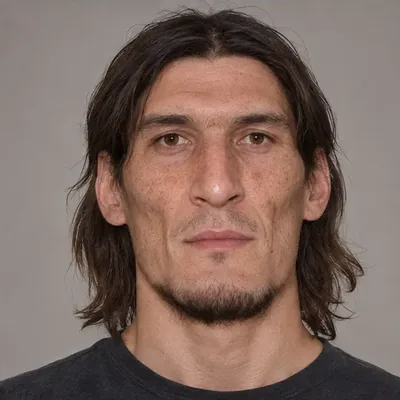
Portraits drawn from the catalog reconstructions: Maeotian, Lobanovaya Shchel Maeotian, Maeotian.
Massagetae or Tasmola Saka
A combined historical and archaeological label: Massagetae is an ancient name for Central Asian steppe peoples, while Tasmola denotes an Iron Age tradition of central Kazakhstan associated with the wider Saka world.
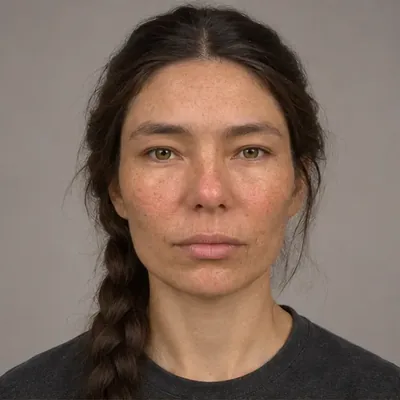
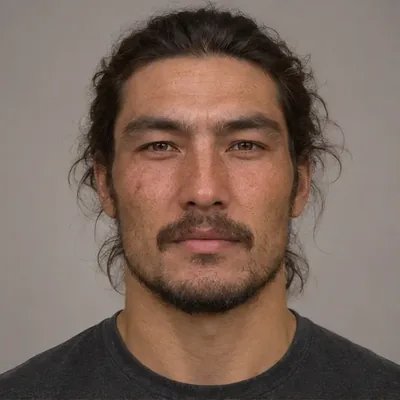
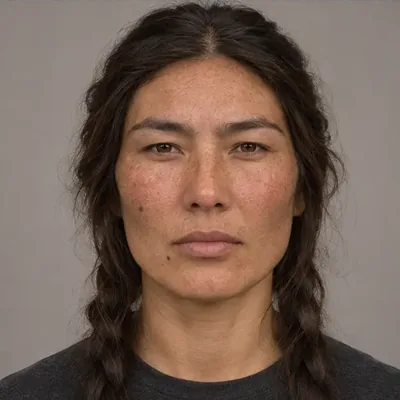
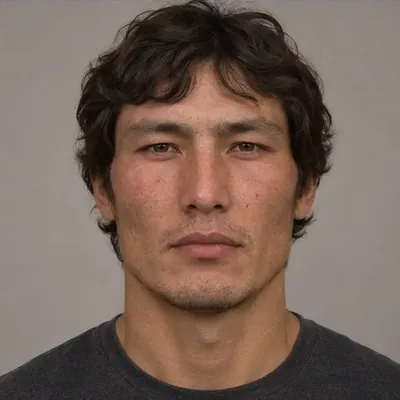
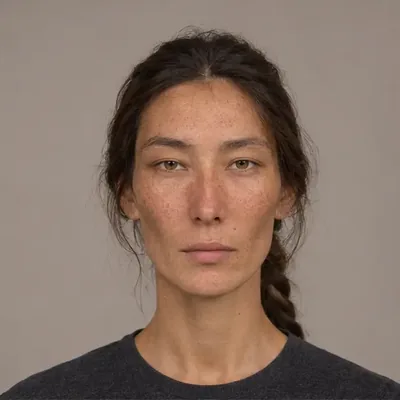

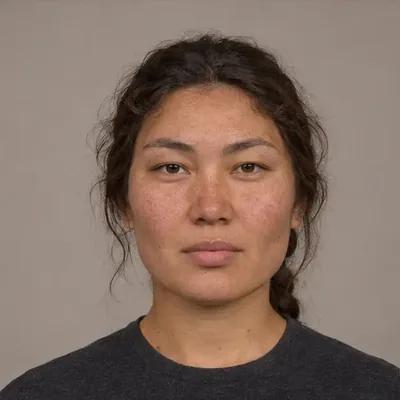
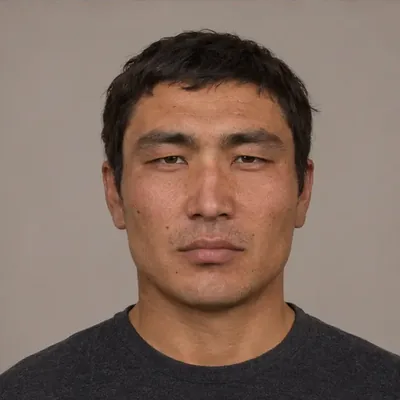
Portraits drawn from the catalog reconstructions: Massagete.
Maykop–Novosvobodnaya tradition
An Early Bronze Age archaeological tradition of the North Caucasus, known for rich burial mounds, metalwork and links with regions to the south. It is distinct from the catalog's Steppe Maykop category.
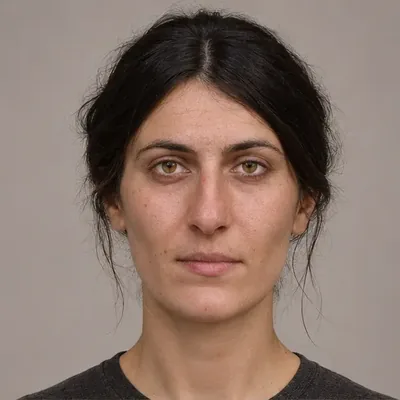
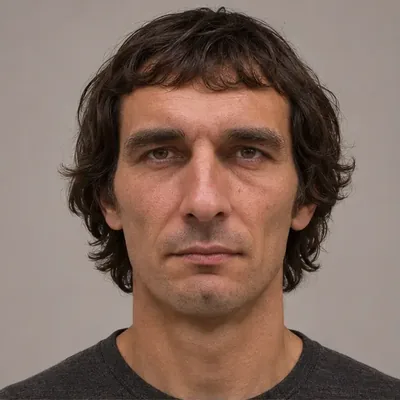
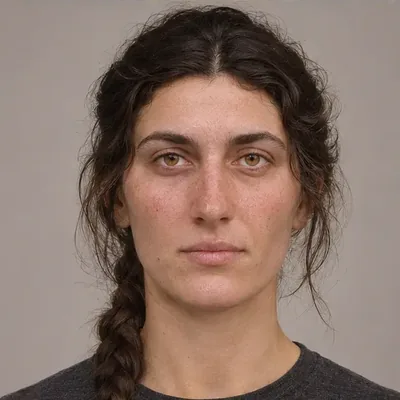
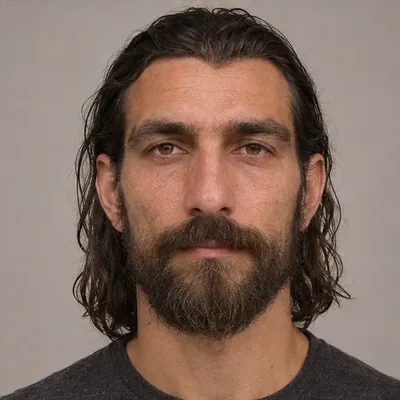
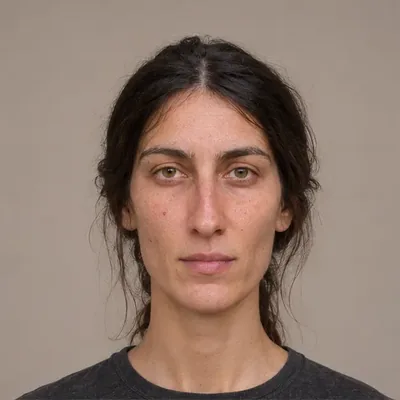
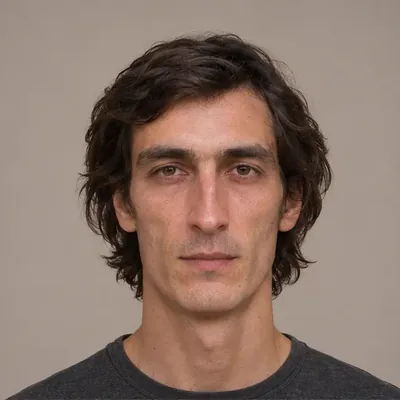
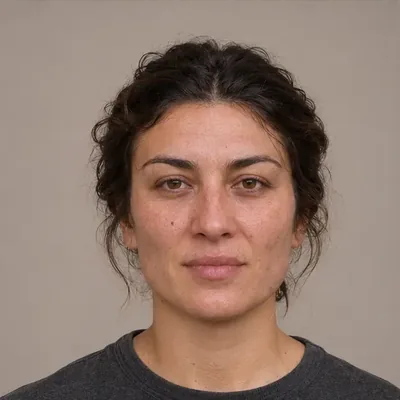
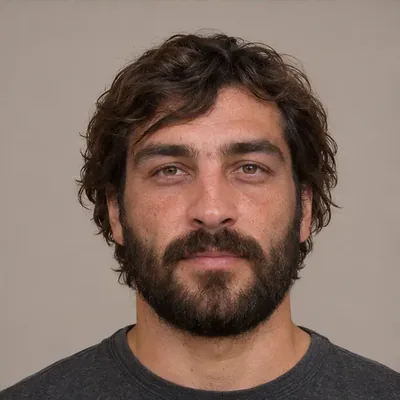
Portraits drawn from the catalog reconstructions: Nezhinskaya Group 2, Kurgan 5, Burial 13, Maykop Novosvobodnaya, Maykop Novosvobodnaya, Maykop Novosvobodnaya.
Mongun-Taiga culture
A Late Bronze Age pastoralist tradition centred in Tuva and adjacent Altai and Mongolian regions. It is recognized especially through burial structures and regional metalworking traditions.
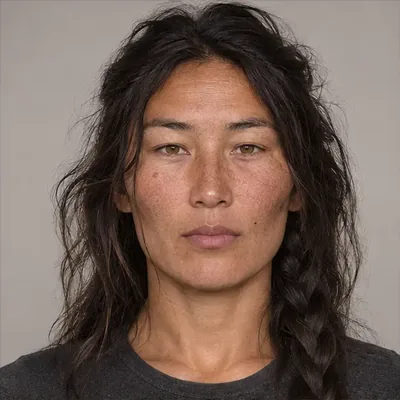
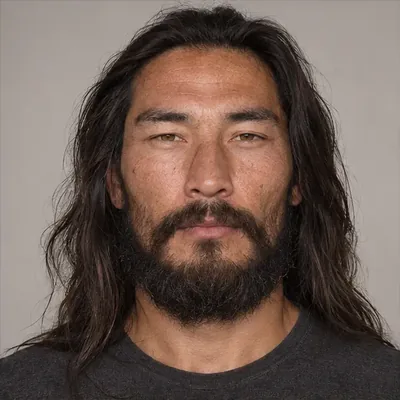
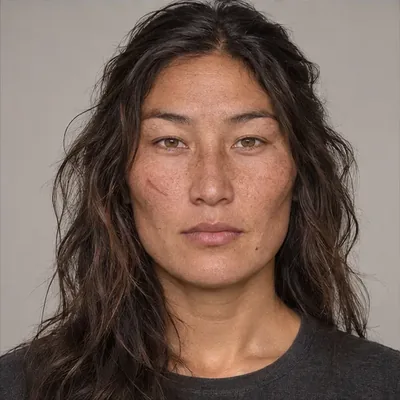
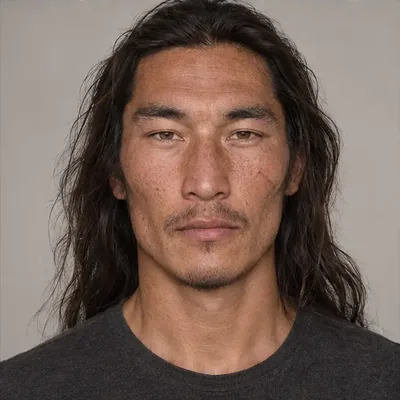
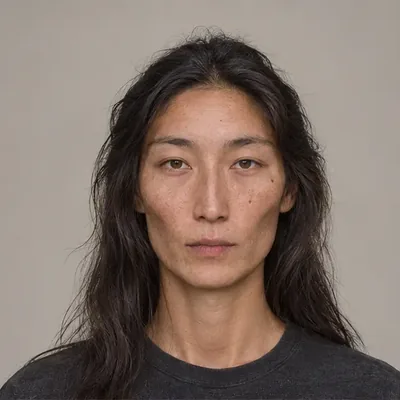
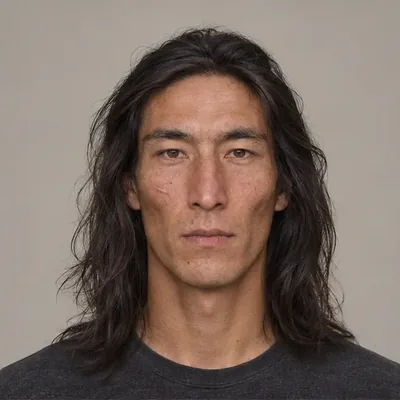
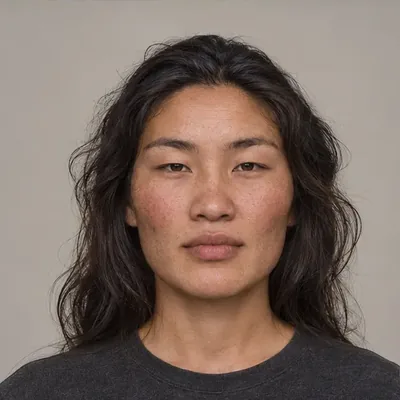
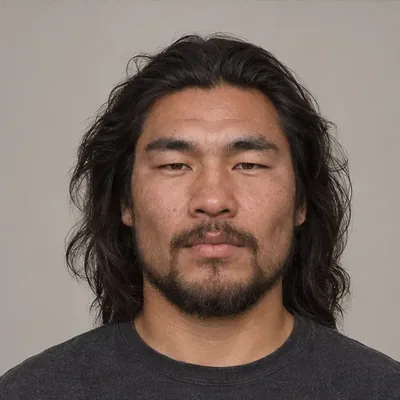
Portraits drawn from the catalog reconstructions: Mongun-Taiga culture.
Morocco, Neolithic
Neolithic communities of Morocco, represented here by Skhirat-Rouazi. This is a regional period label; North African Neolithic communities varied in subsistence and ancestry.
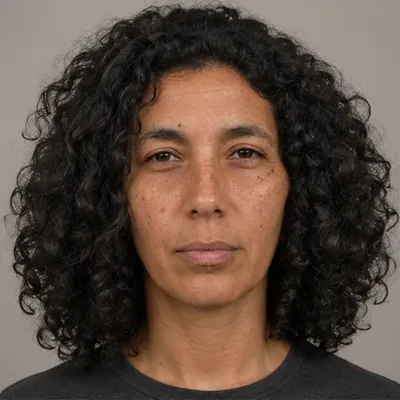
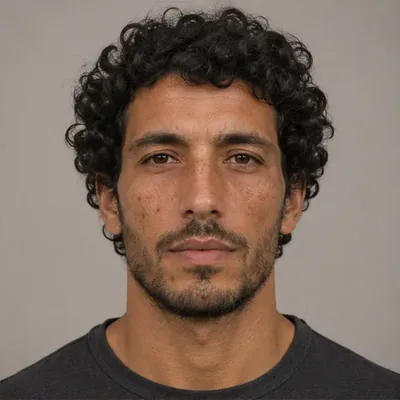
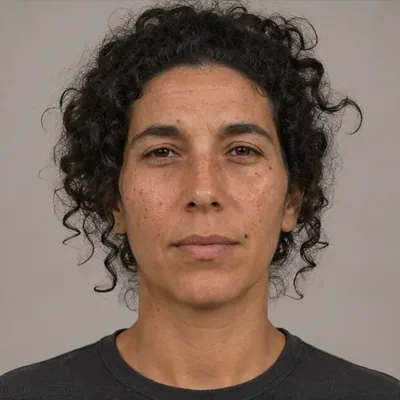
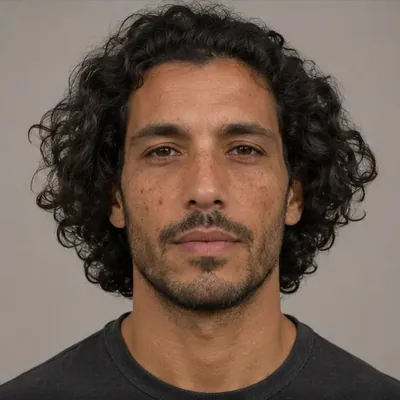
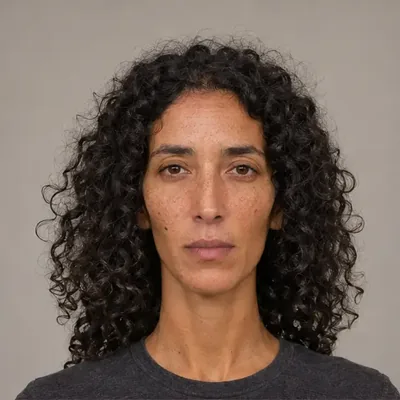
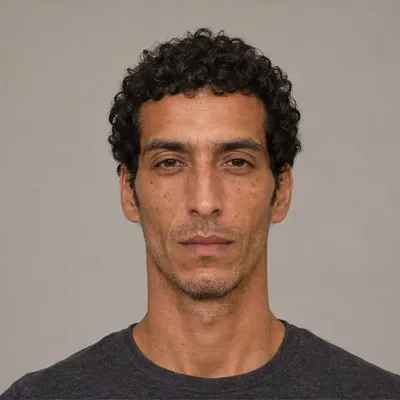
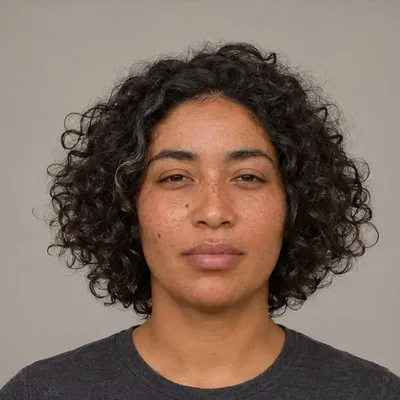
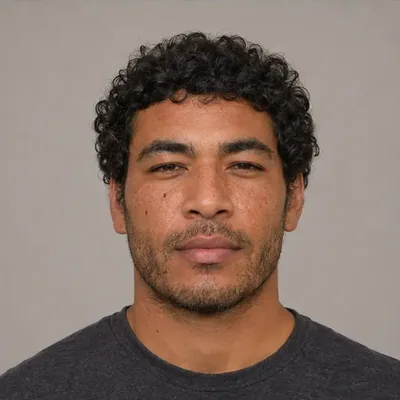
Portraits drawn from the catalog reconstructions: Skhirat-Rouazi.
Mycenaean civilization
A Late Bronze Age civilization of mainland Greece, associated with palatial centres and the earliest written Greek in Linear B. The catalog reference comes from Grave Circle B at Mycenae.
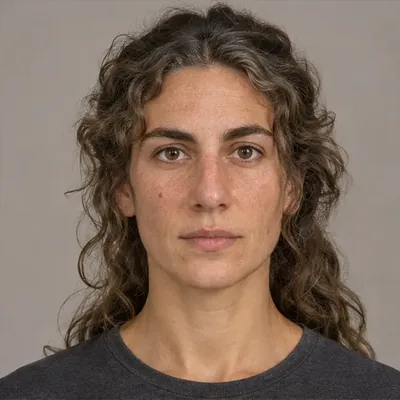
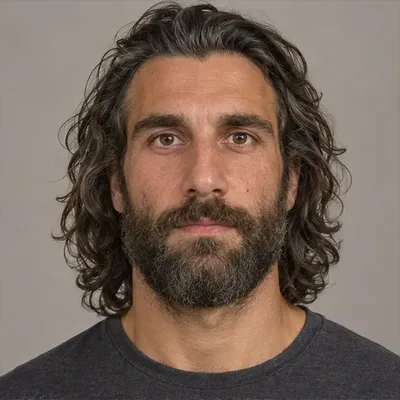
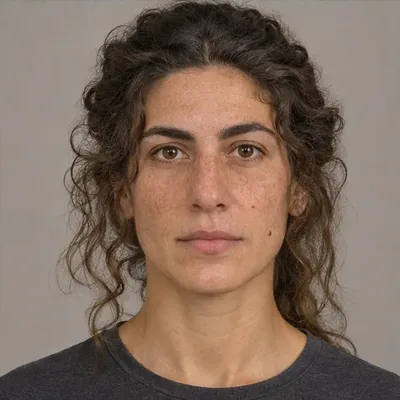
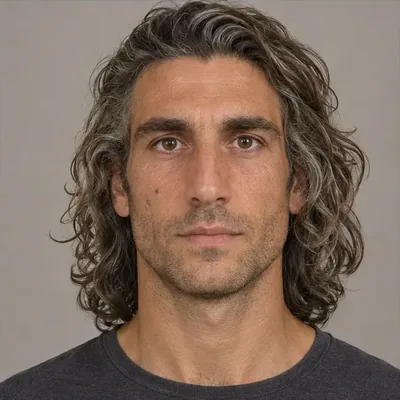
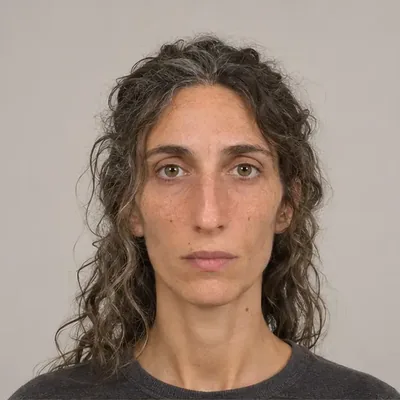
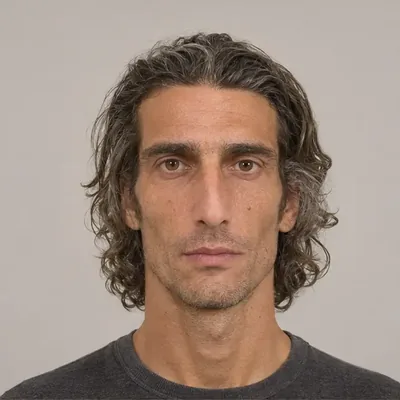
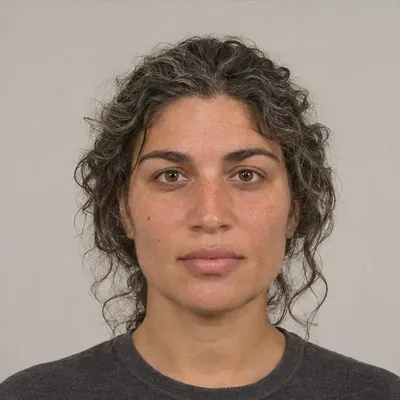
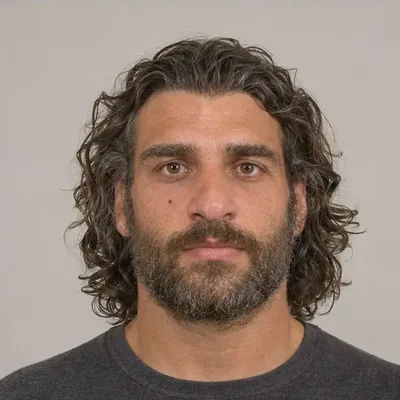
Portraits drawn from the catalog reconstructions: Grave Circle B Mycenaean.