
 English
 Español
 Português
 Deutsch
 Français
 Italiano
 Polski
 Українська
 Русский
 Türkçe
 العربية
 日本語
 한국어
 ไทย
 汉语
 Tiếng Việt
 Bahasa
Every group and its portraits: C
The 165 groups of the test, each with its eight fictional portraits: four women and four men. Everyone shows the first two of each; Women and Men show all four of one. This page: the 11 groups under C.
Capsian culture
A later prehistoric hunter-gatherer tradition of the eastern Maghreb, especially Tunisia and eastern Algeria, known for characteristic stone tools and shell-rich sites.
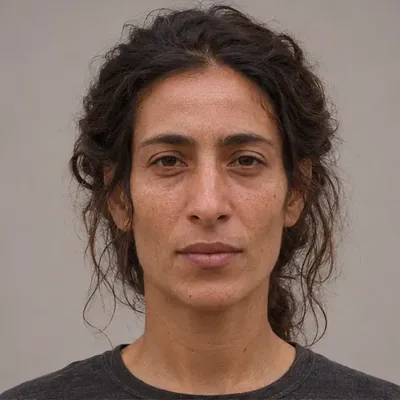
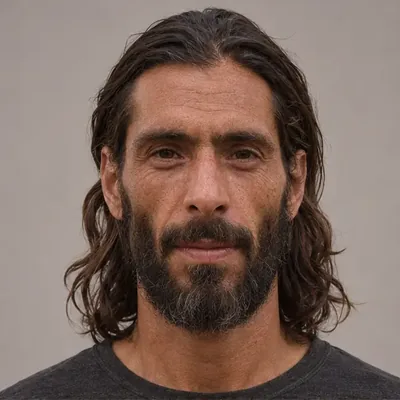
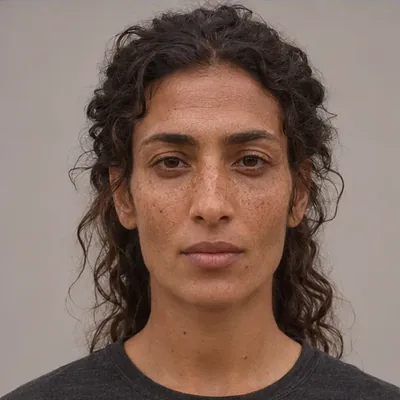
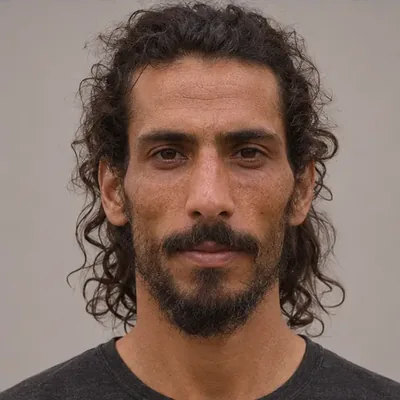
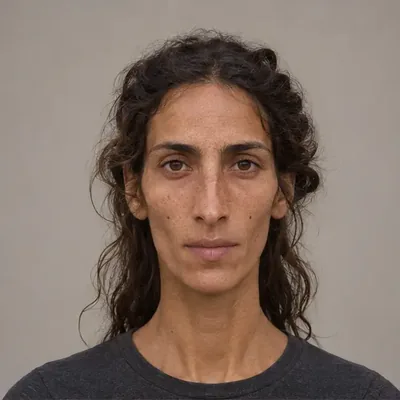
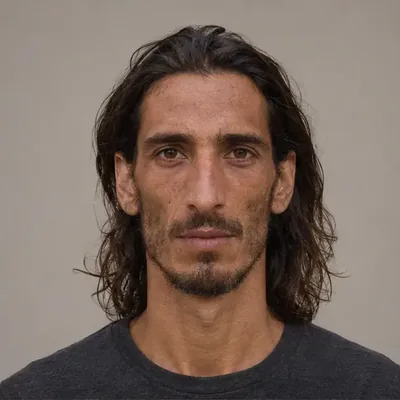
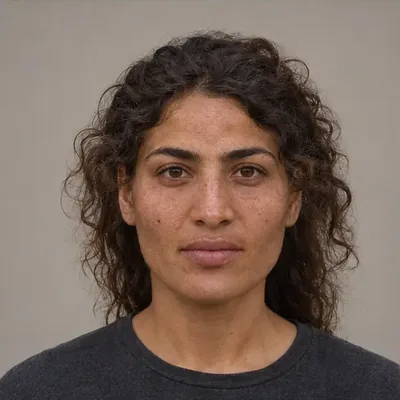
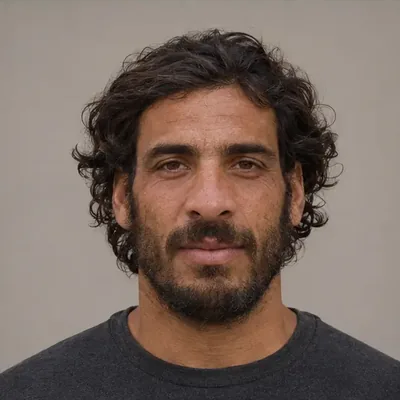
Portraits drawn from the catalog reconstructions: Ain Meterchem.
Catacomb and Yamnaya cultures
Bronze Age pastoralist cultures of the Pontic-Caspian steppe. Yamnaya is associated with pit graves beneath burial mounds, while the later Catacomb tradition used graves with side chambers.
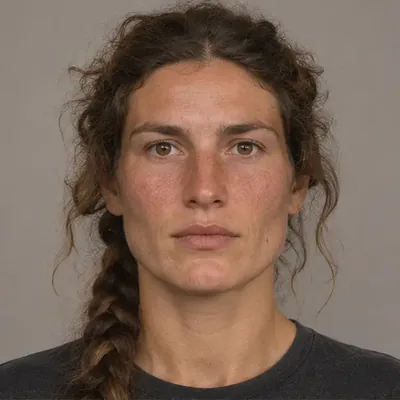
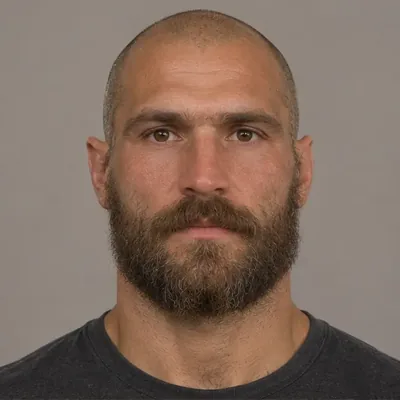
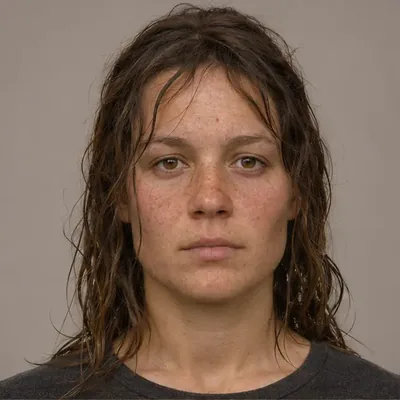
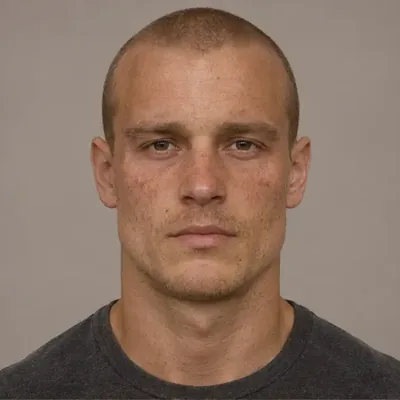
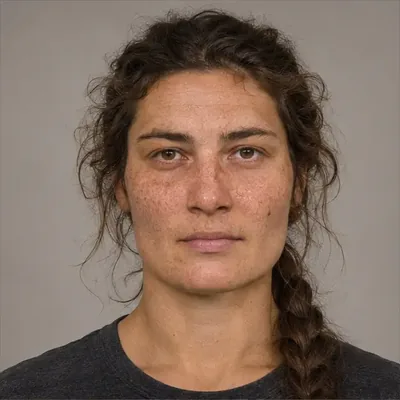
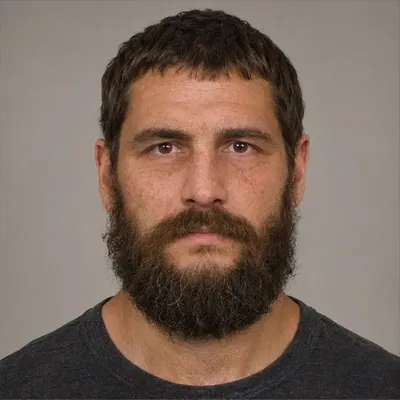
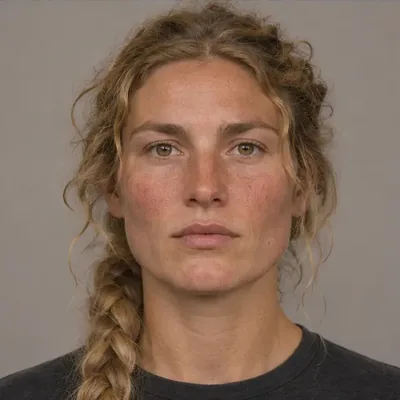
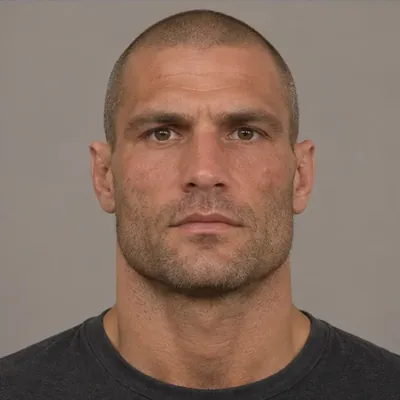
Portraits drawn from the catalog reconstructions: Catacomb culture, Catacomb culture, Yamnaya.
Catacomb culture
A Bronze Age archaeological tradition of the Pontic-Caspian steppe, named for graves with side chambers. It followed the Yamnaya horizon in much of the region.
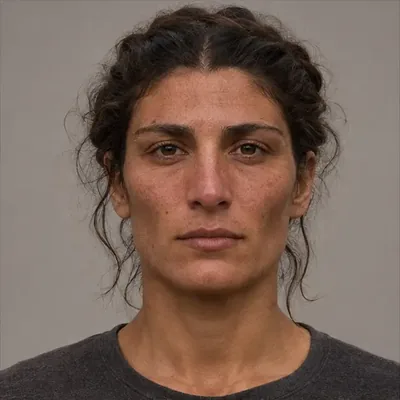
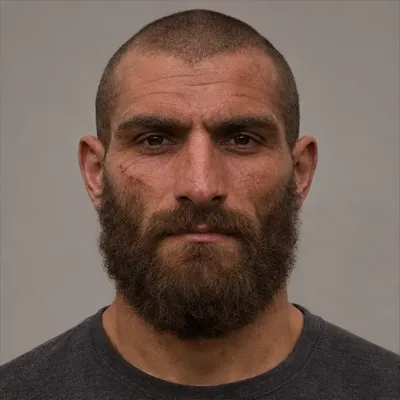
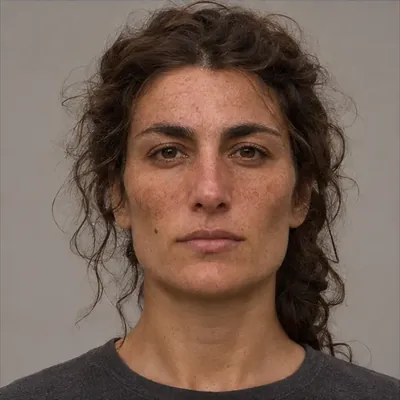
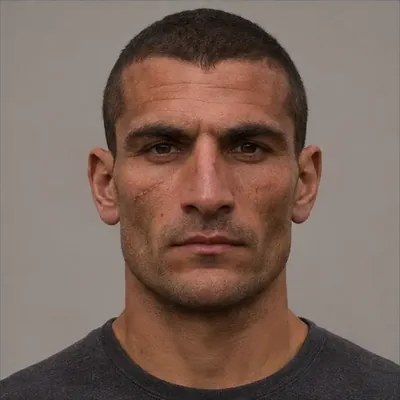
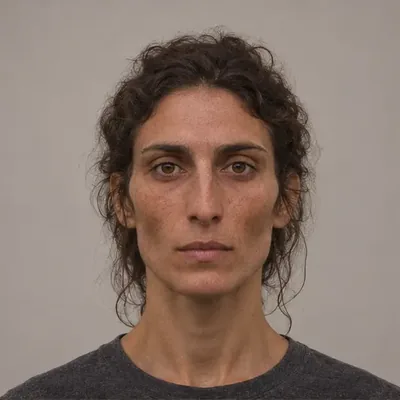
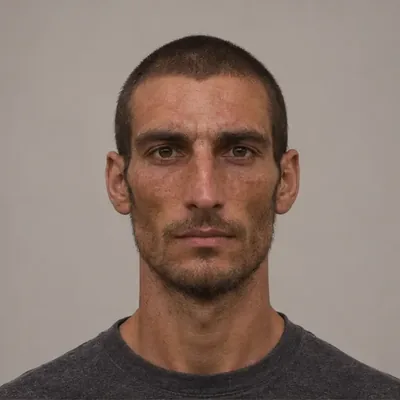
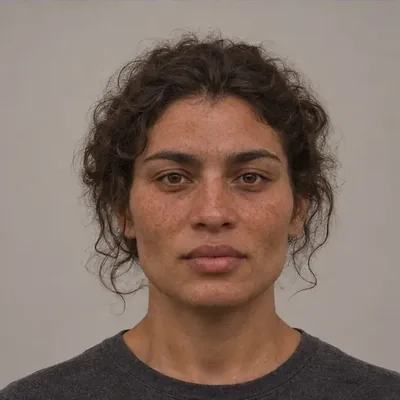
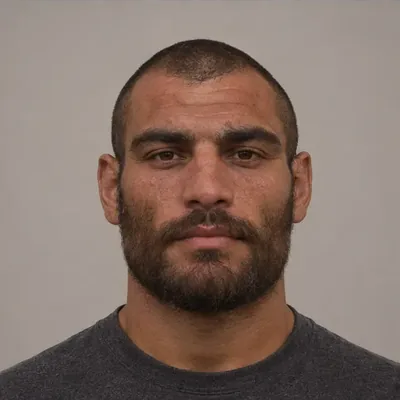
Portraits drawn from the catalog reconstructions: Catacomb .
Caucasus hunter-gatherers (CHG)
An ancient genetic ancestry grouping first characterized from hunter-gatherers in western Georgia. It is a comparison lineage, not the name of a single tribe; this catalog reference is hypothetical.
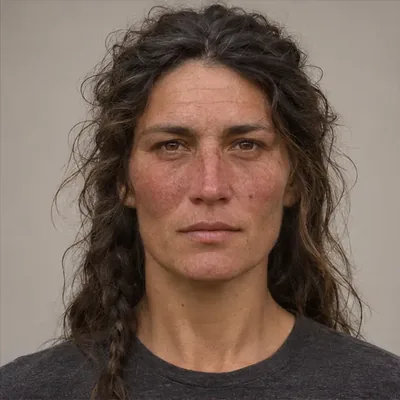
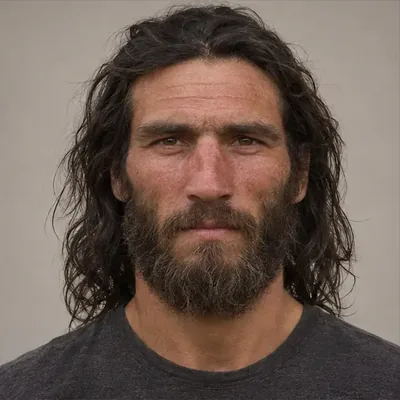
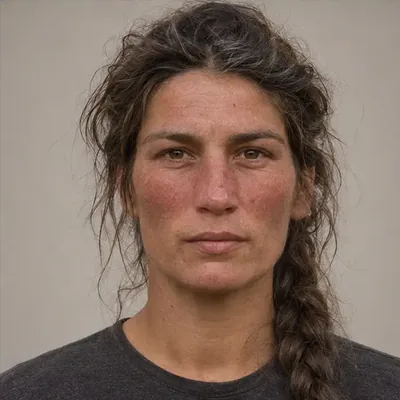
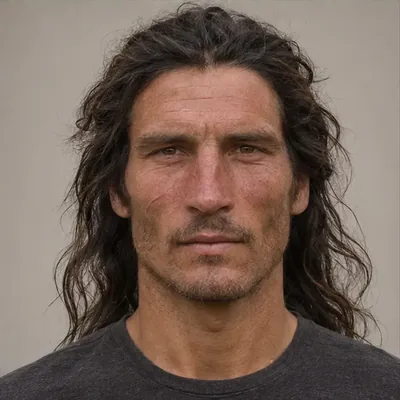
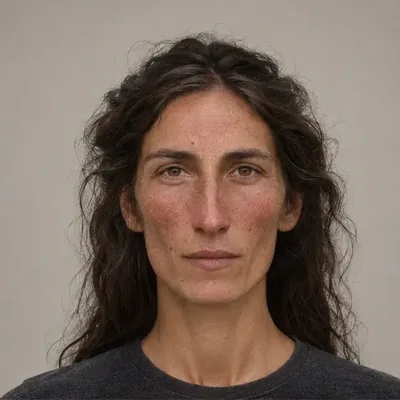
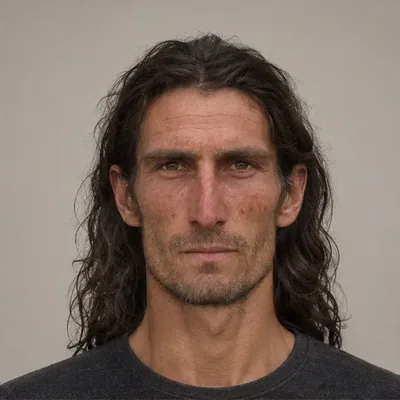
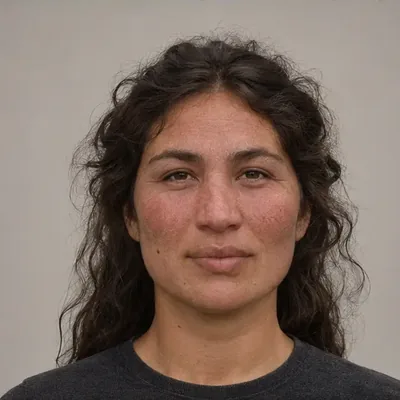
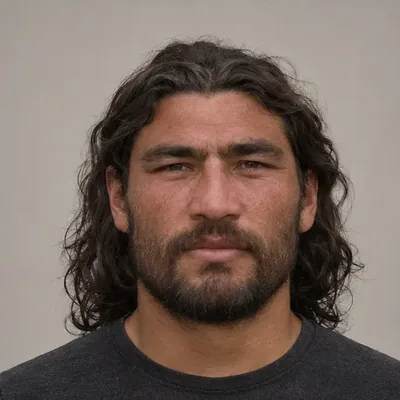
Portraits drawn from the catalog reconstructions: CHG Hypothetical.
Circassian affinity (tentative)
Circassians are a Northwest Caucasian people historically associated with the northwestern Caucasus. The catalog tentatively applies this label to a Starokorsunskaya reconstruction.
The question mark flags a proposed Circassian association, rather than a confirmed ethnic identification of this individual.
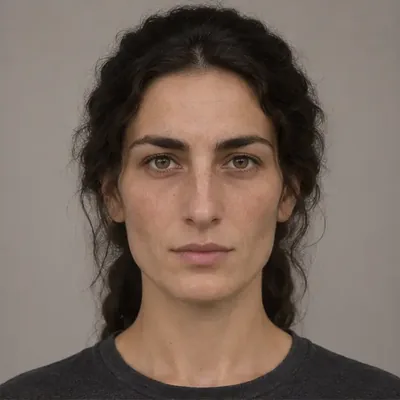
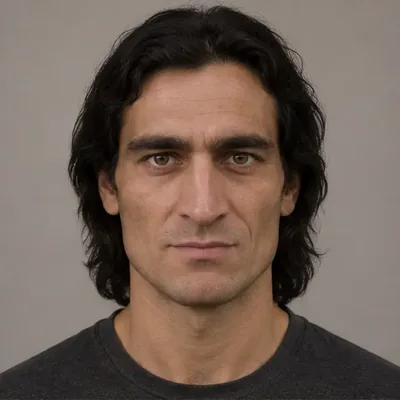
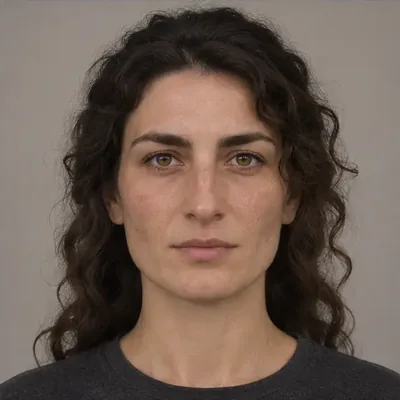
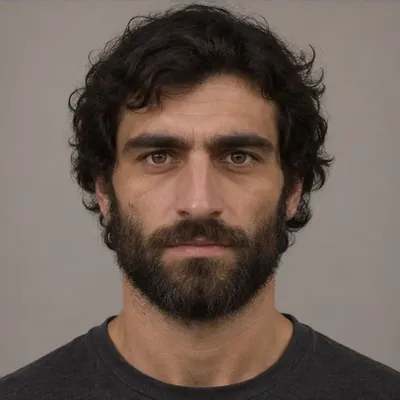
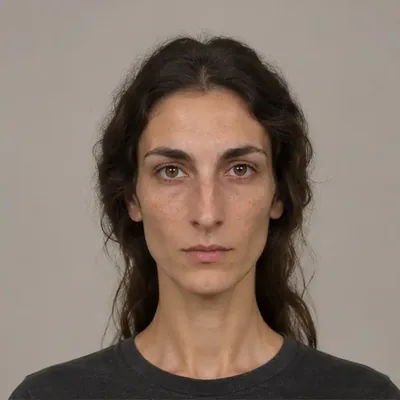
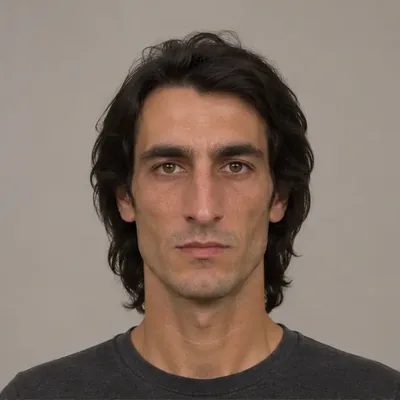
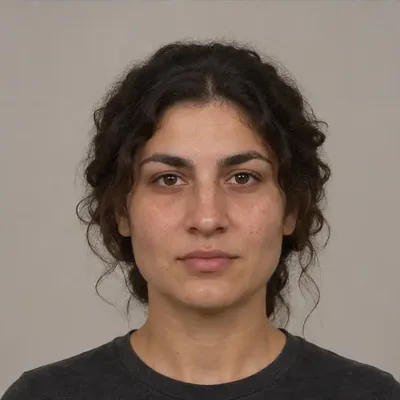
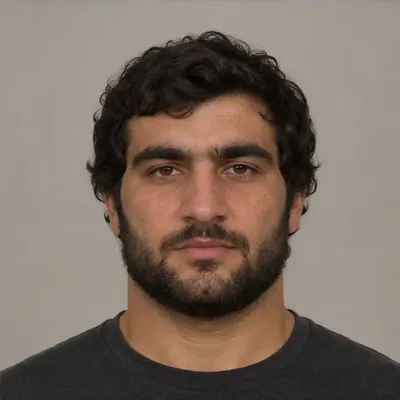
Portraits drawn from the catalog reconstructions: Starokorsunskaya.
Cis-Baikal, Late Neolithic–Bronze Age
A regional ancient-DNA grouping from west of Lake Baikal in Siberia. It includes people associated with the Serovo, Isakovo and Glazkovo archaeological traditions.
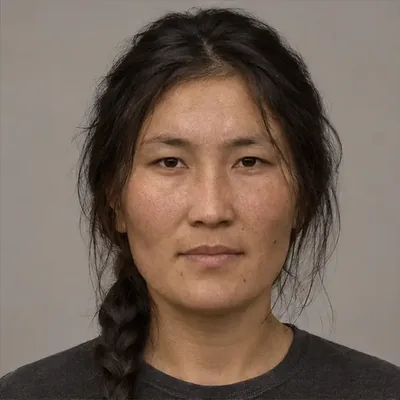
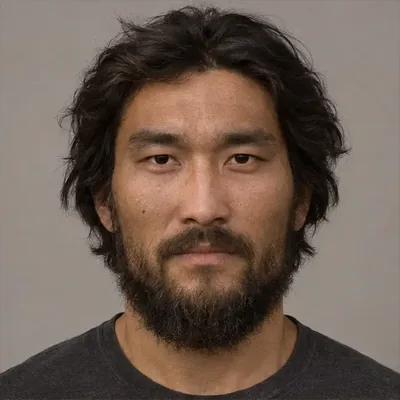
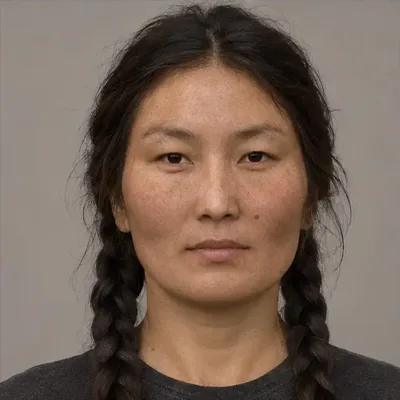
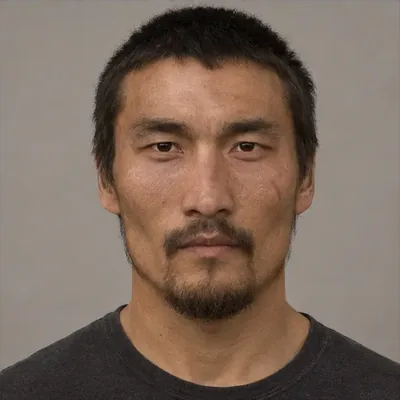
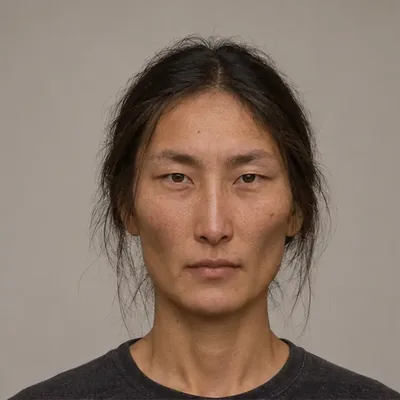
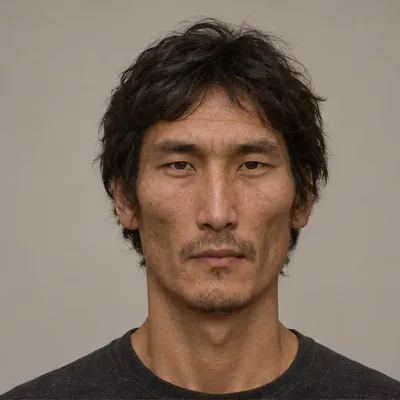
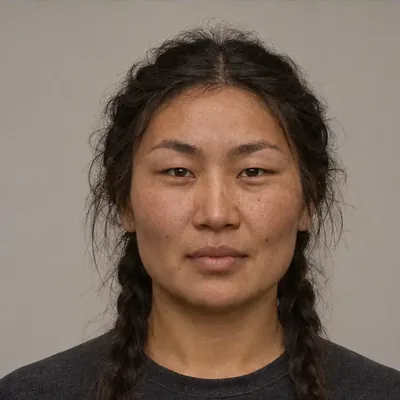
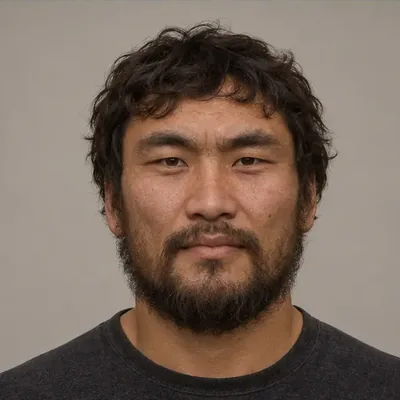
Portraits drawn from the catalog reconstructions: Glazkovo culture.
Copper Age steppe and Caucasus affinities
A proposed combination linking pre-Bronze Age steppe communities with populations of the Caucasus. The catalog reference is from the Krivyanski burial mound.
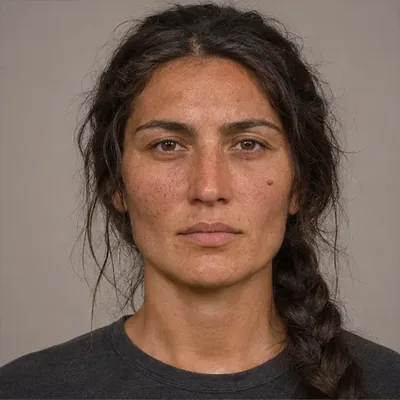
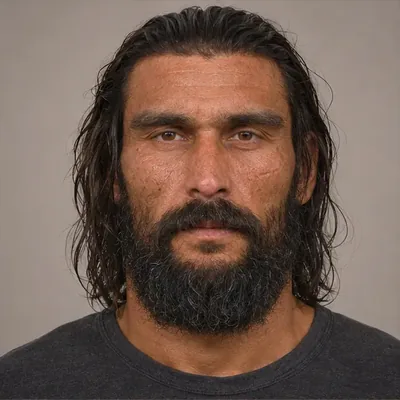
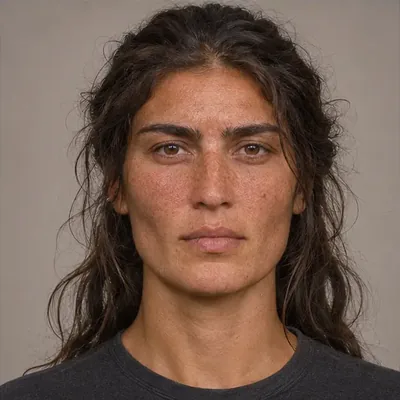
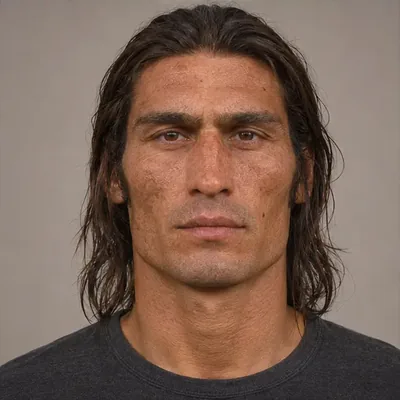
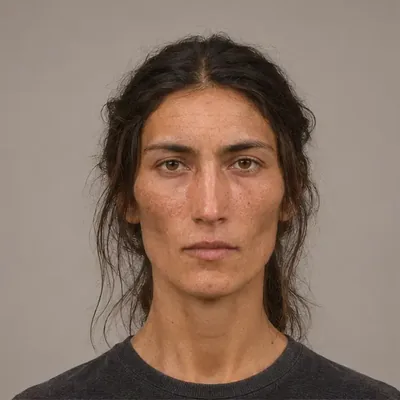
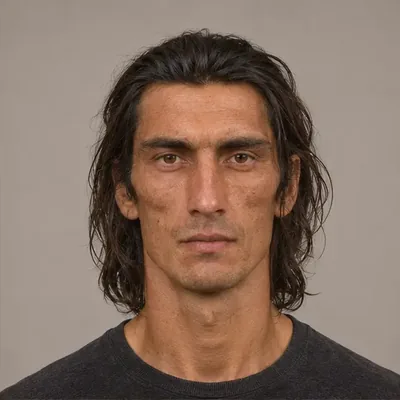
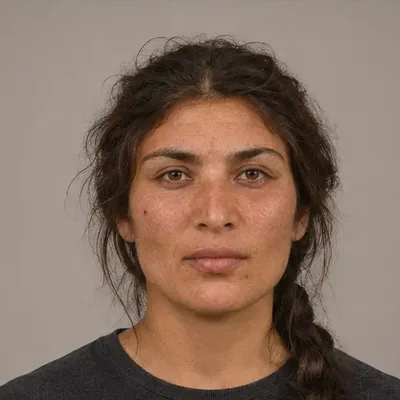
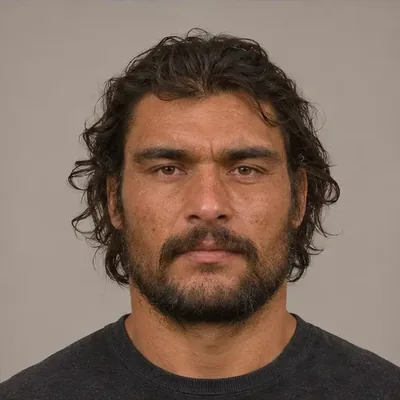
Portraits drawn from the catalog reconstructions: Krivyanski Kurgan Elite.
Copper Age steppe and Khvalynsk affinities
A comparison label for a Copper Age horse-rider burial from Csongrád in Hungary, linking it with steppe and middle Volga Khvalynsk backgrounds. No numerical mixture is specified.
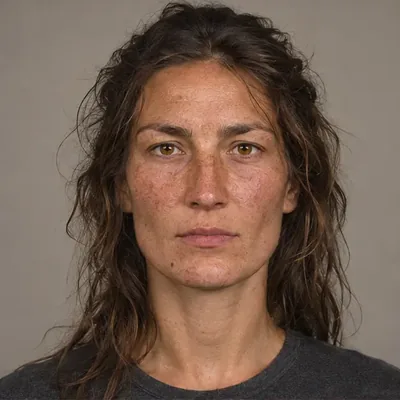
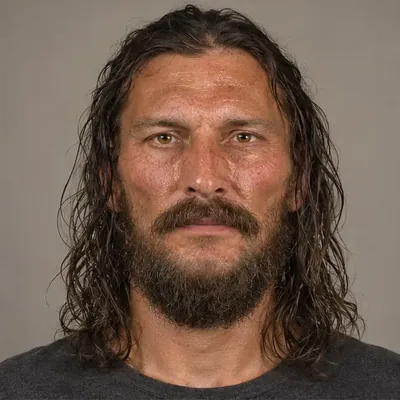
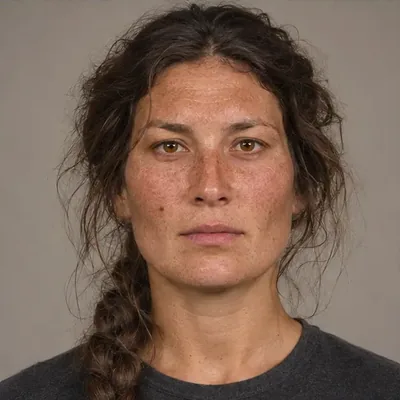
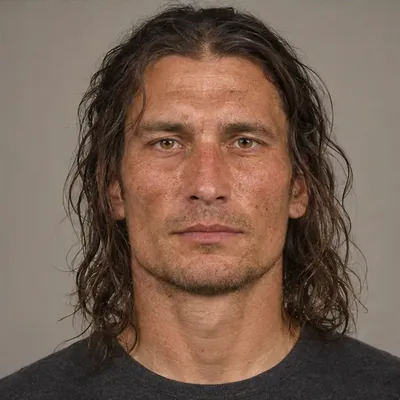
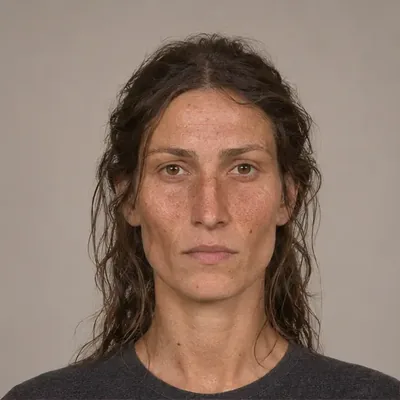
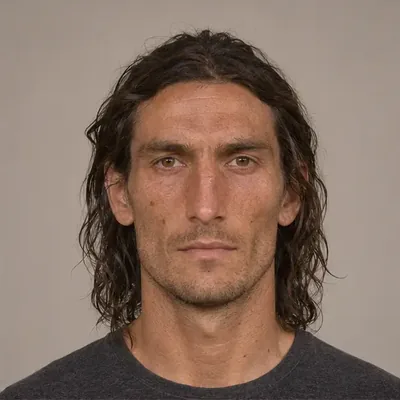
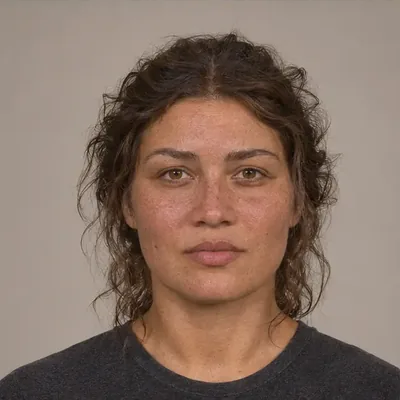
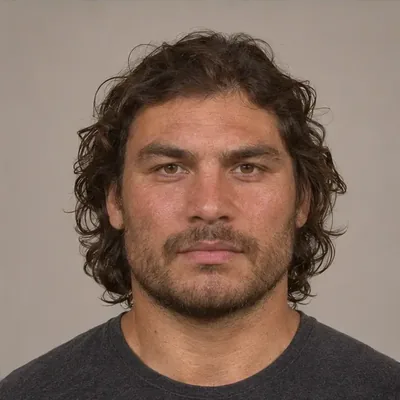
Portraits drawn from the catalog reconstructions: Csongrad Horse Rider.
Corded Ware culture
A Late Neolithic archaeological horizon across northern and central Europe, named for cord-impressed pottery. It includes regional traditions such as the Scandinavian Battle Axe culture.
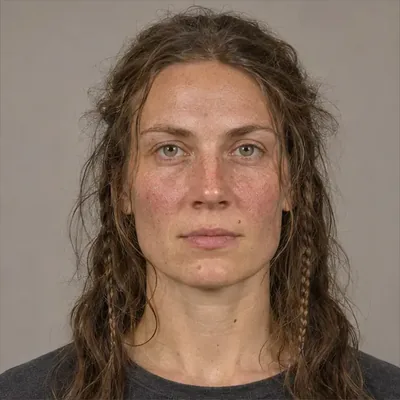
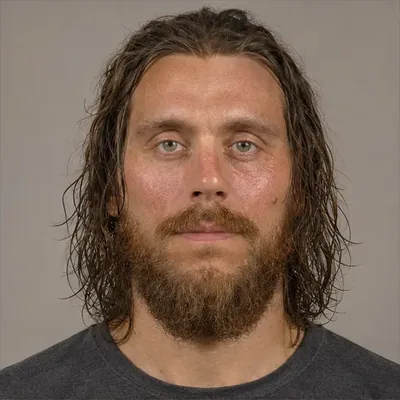
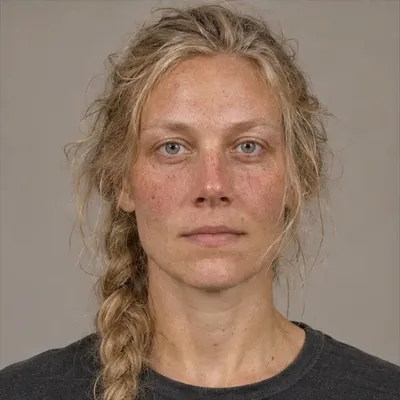
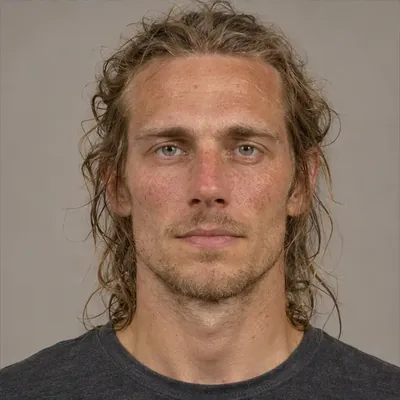
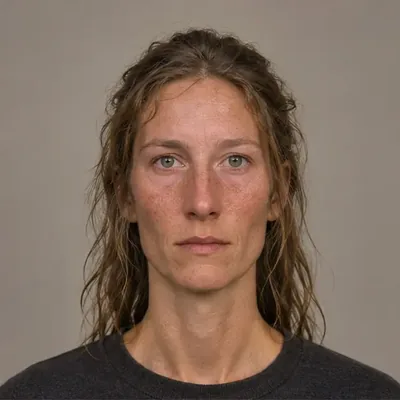

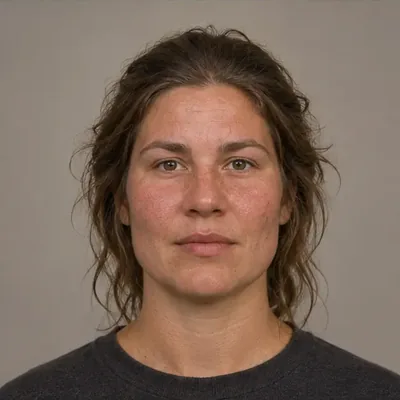
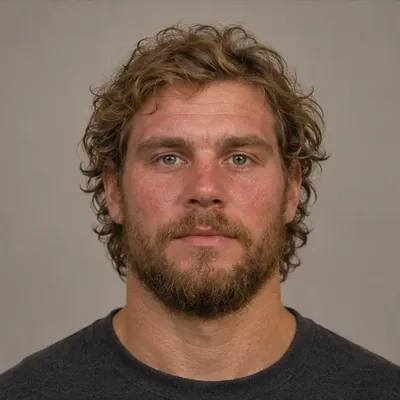
Portraits drawn from the catalog reconstructions: Battle Axe culture.
Crown Eurasian, broad early lineage label
A broad evolutionary modelling label for Eurasian lineages after early branches separated, rather than a named culture. The catalog uses the Upper Palaeolithic Oase 2 reconstruction as a visual reference.
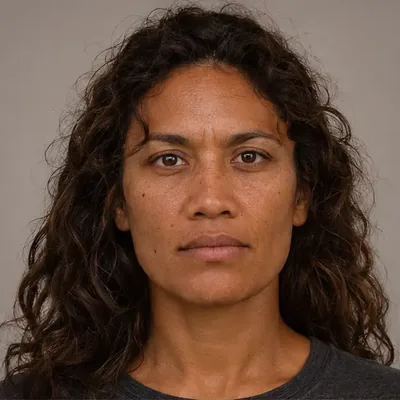
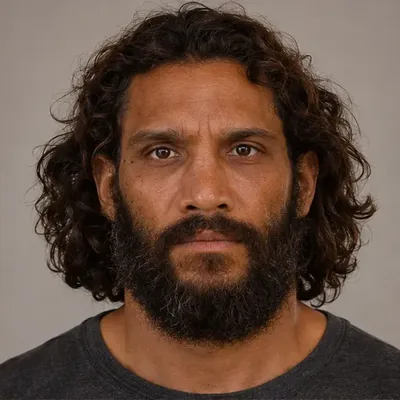
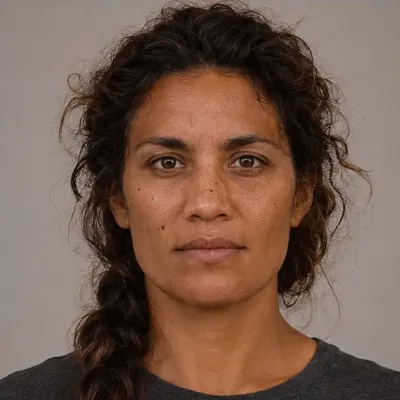
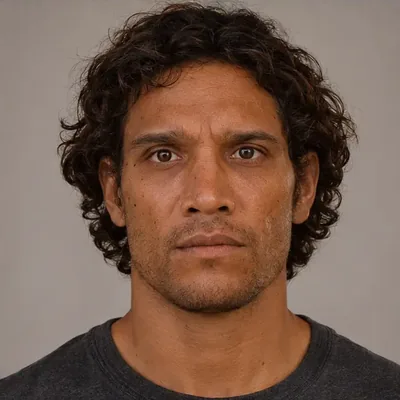
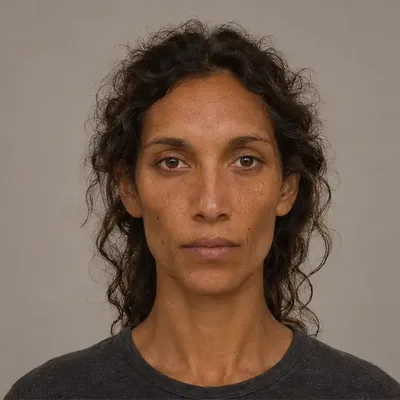
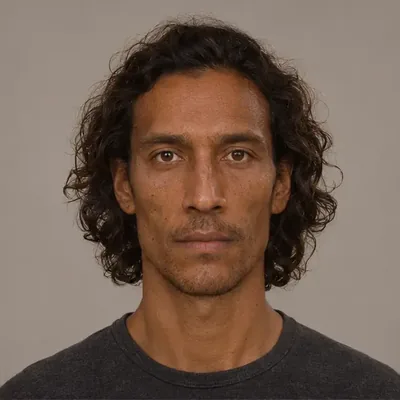
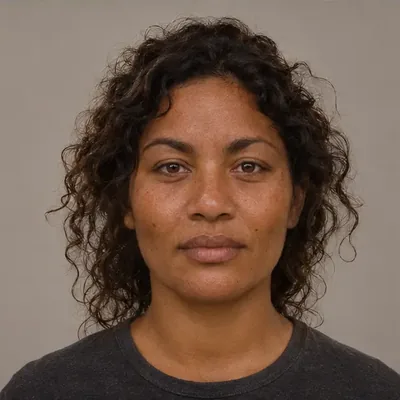

Portraits drawn from the catalog reconstructions: Oase 2.
Cuman people
A medieval Turkic-speaking steppe people closely connected with the Kipchaks, active across the western Eurasian steppe and later in parts of eastern and central Europe.
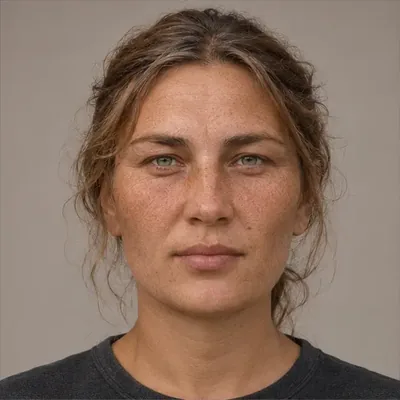
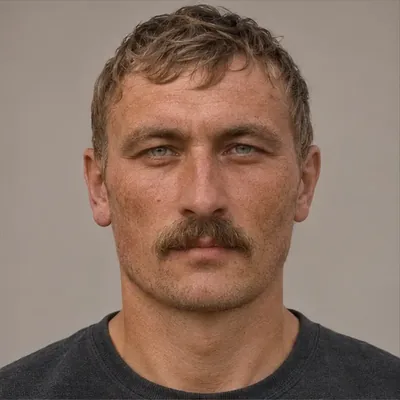
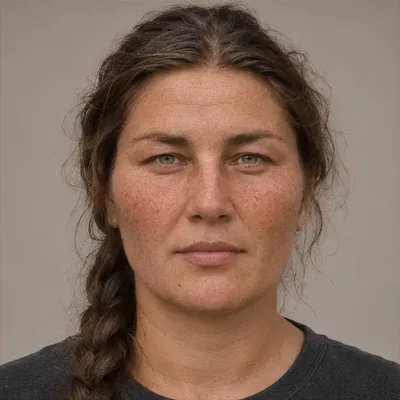
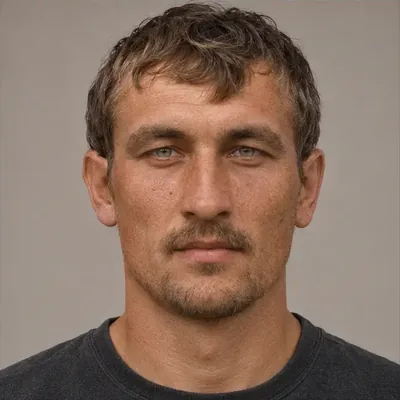
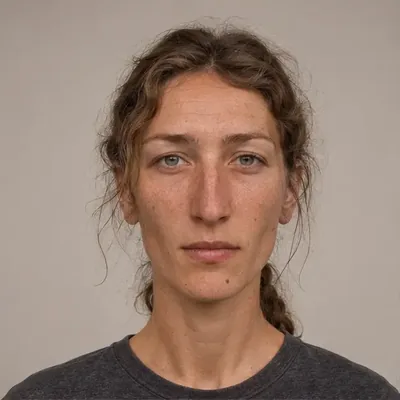
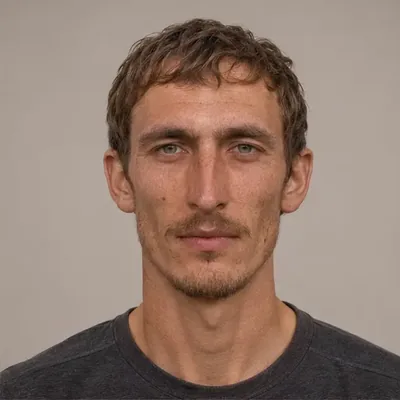
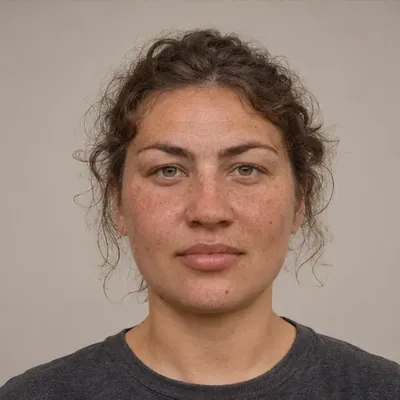
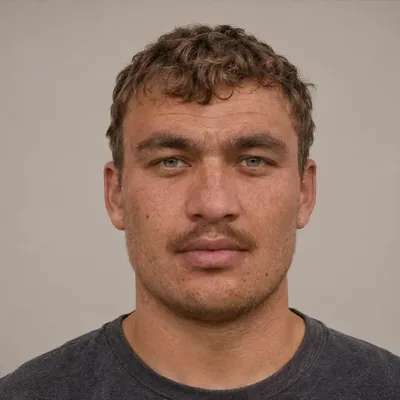
Portraits drawn from the catalog reconstructions: Cuman.