
 English
 Español
 Português
 Deutsch
 Français
 Italiano
 Polski
 Українська
 Русский
 Türkçe
 العربية
 日本語
 한국어
 ไทย
 汉语
 Tiếng Việt
 Bahasa
Every group and its portraits: N
The 165 groups of the test, each with its eight fictional portraits: four women and four men. Everyone shows the first two of each; Women and Men show all four of one. This page: the 5 groups under N.
Nakh-speaking Caucasus communities
Communities associated with the Nakh branch of Northeast Caucasian languages, including Chechen and Ingush. The catalog uses a medieval Chechen reconstruction; language grouping does not imply uniform ancestry.
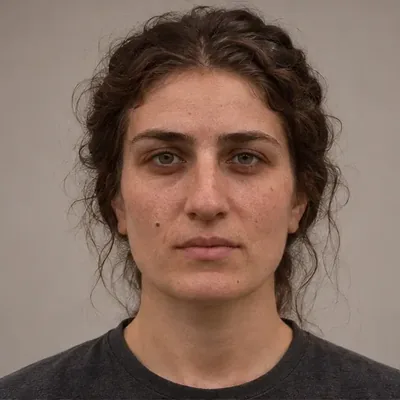
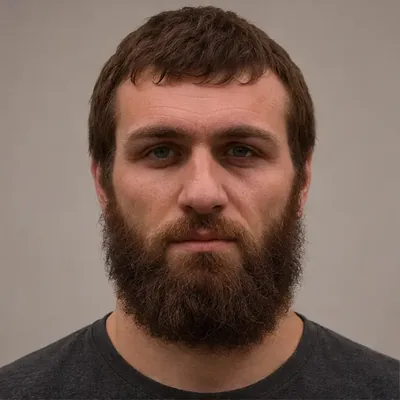
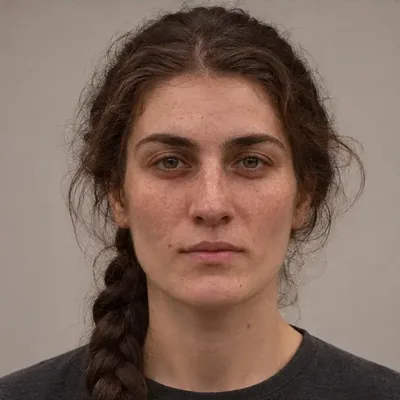
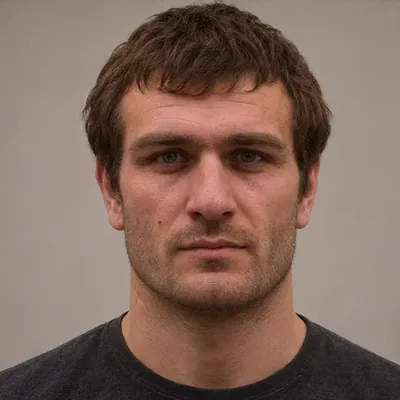
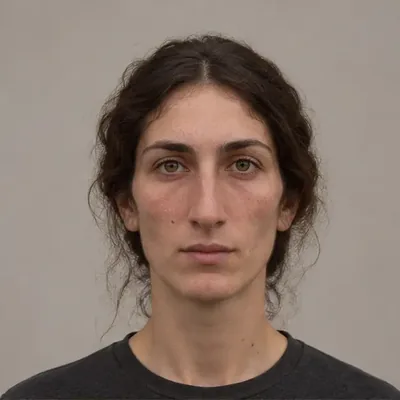
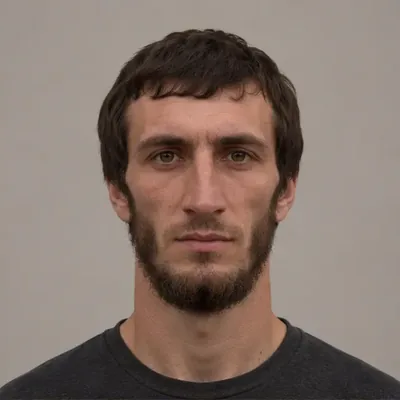
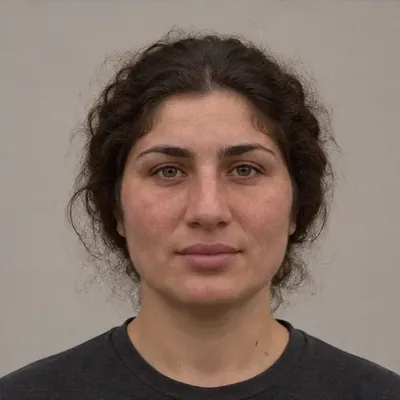
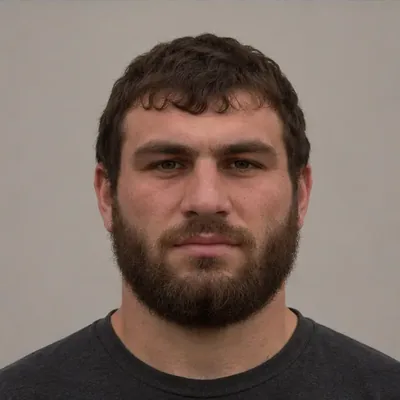
Portraits drawn from the catalog reconstructions: Medieval Chechen.
Namazga cultural sequence
A sequence of prehistoric farming and settlement traditions in southern Turkmenistan, named after Namazga Depe. It spans changing communities before and during the development of Bronze Age urban centres.
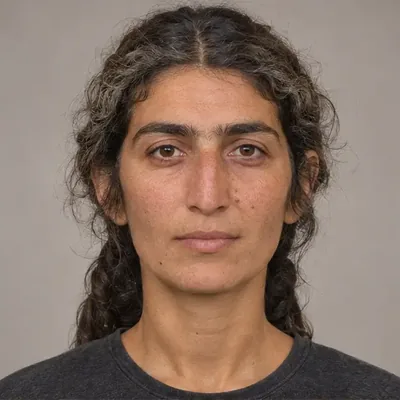
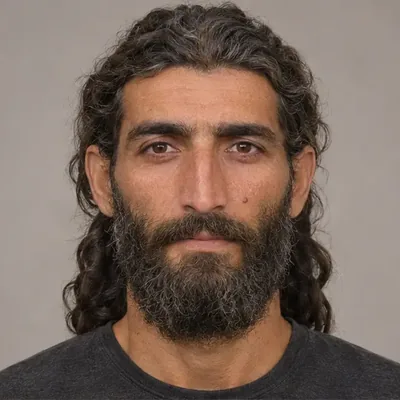
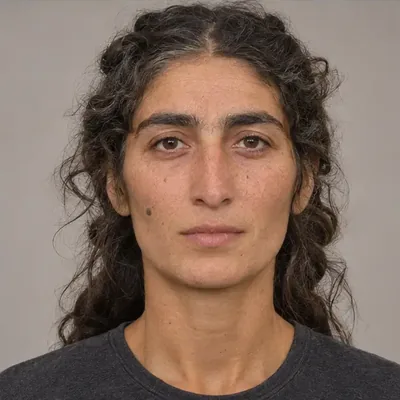
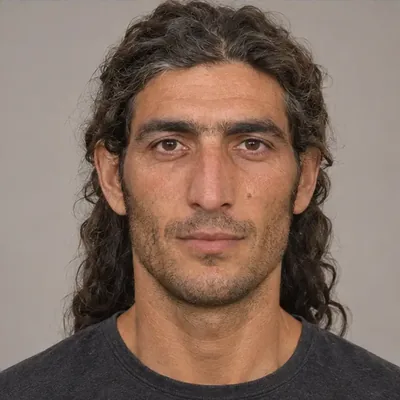
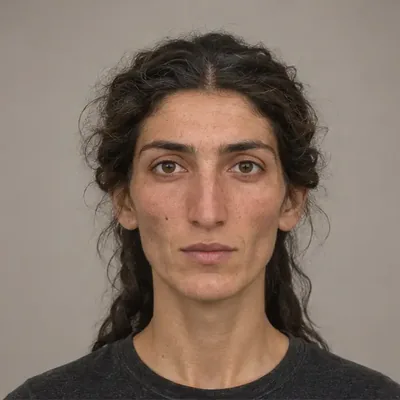
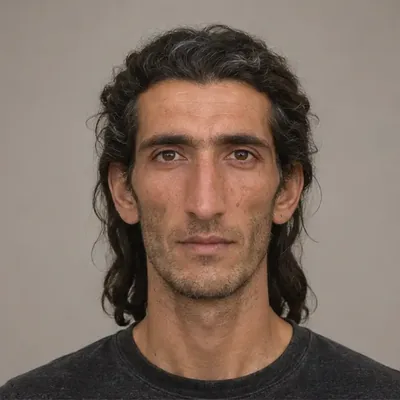
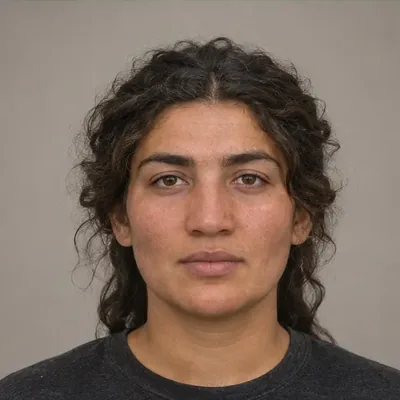
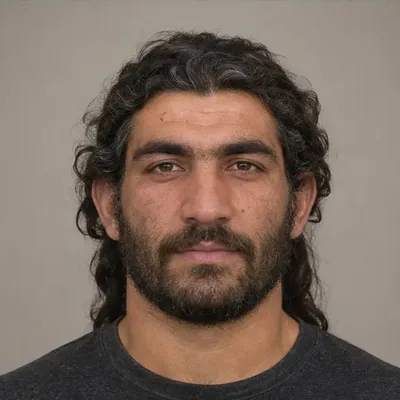
Portraits drawn from the catalog reconstructions: Khapuz-Depe.
Natufian culture
An Epipalaeolithic tradition of the Levant, known for increasingly settled hunter-gatherer communities before the spread of farming. References include Eynan and El-Wad.
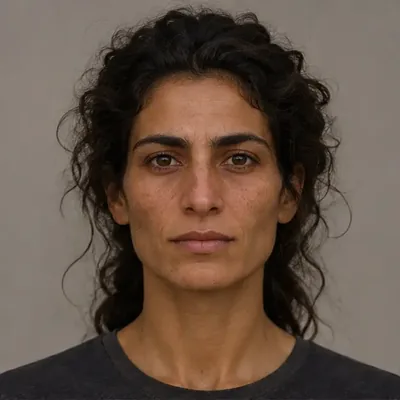
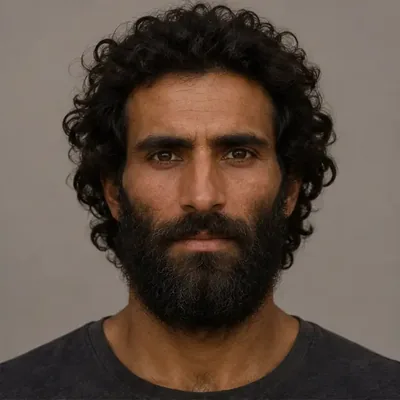
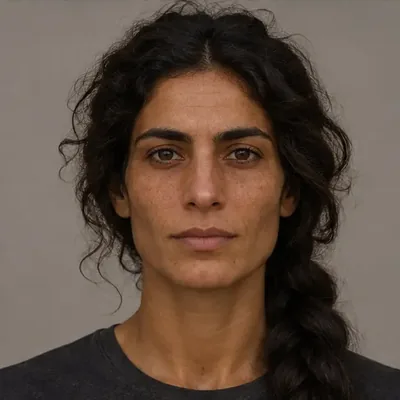
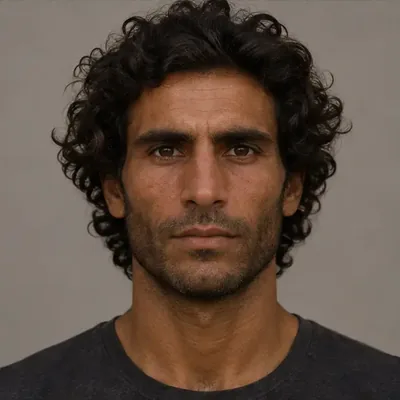
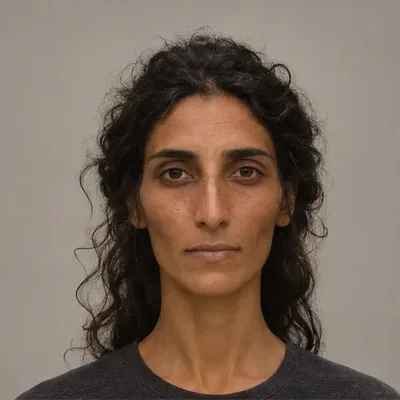
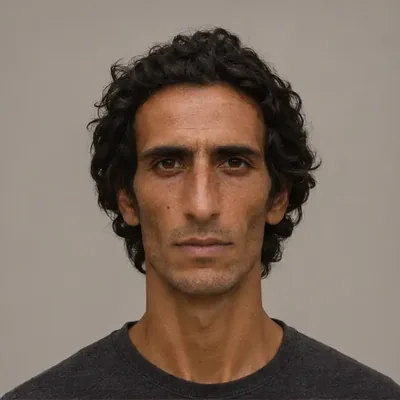
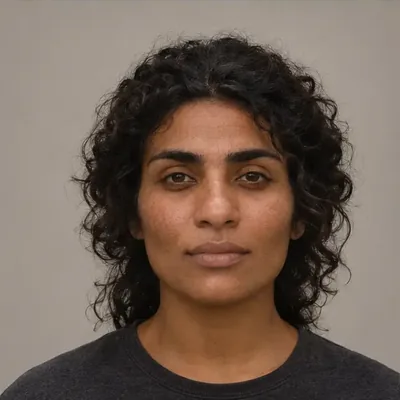
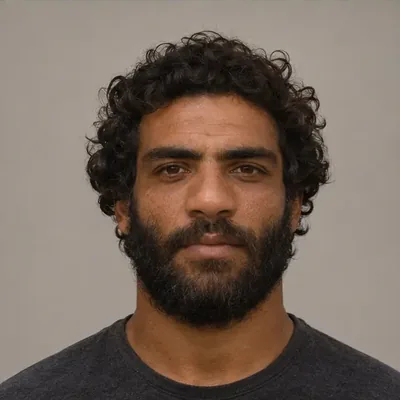
Portraits drawn from the catalog reconstructions: Eynan Natufian, El Wad Natufian.
Neanderthals
An extinct human lineage that lived across Europe and western Asia and interbred with ancestors of living people. The historical catalog reference is La Chapelle-aux-Saints 1.
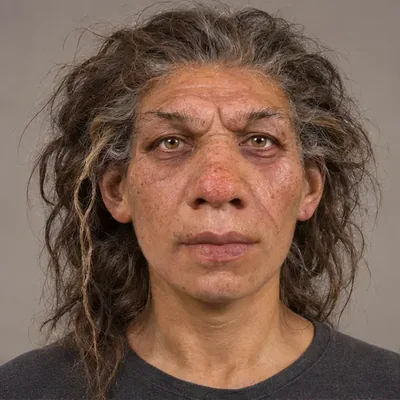
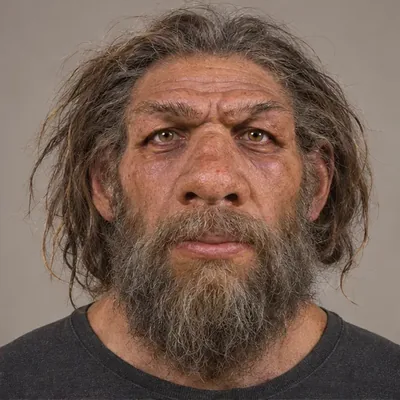
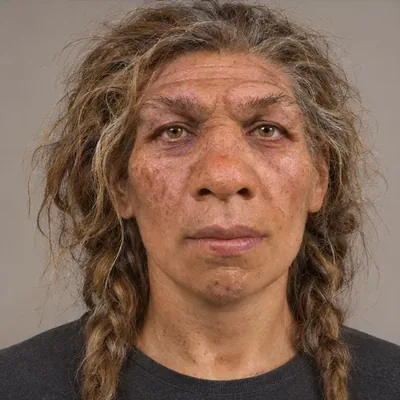
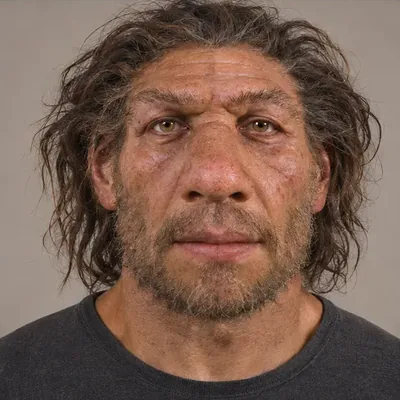
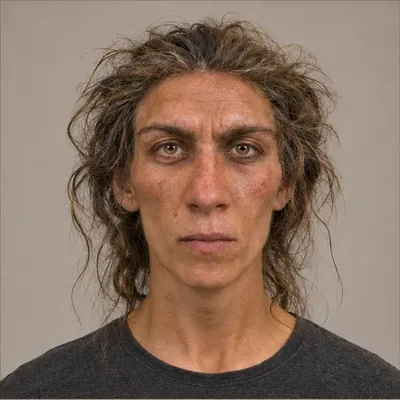
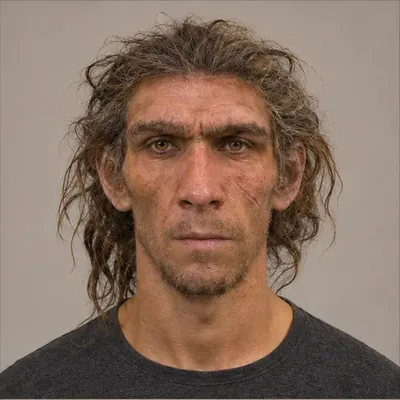
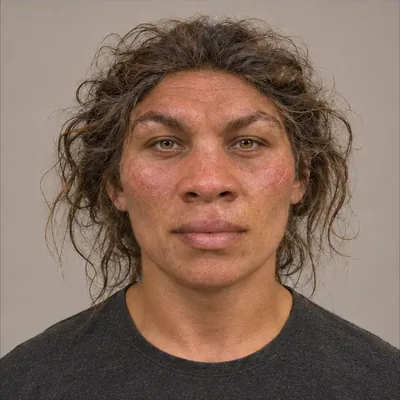
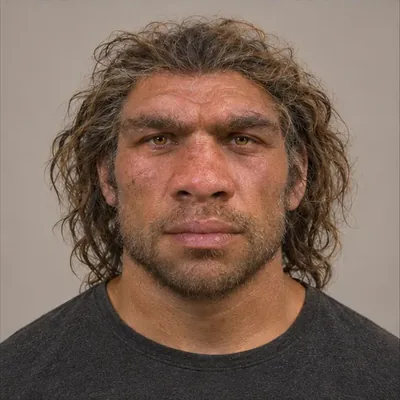
Portraits drawn from the catalog reconstructions: La Chapelle-aux-Saints 1.
Northwest Caucasus Dolmen culture
A Bronze Age archaeological tradition of the northwestern Caucasus, known for stone chamber tombs called dolmens. These references are regional; dolmen tombs elsewhere do not imply the same population.
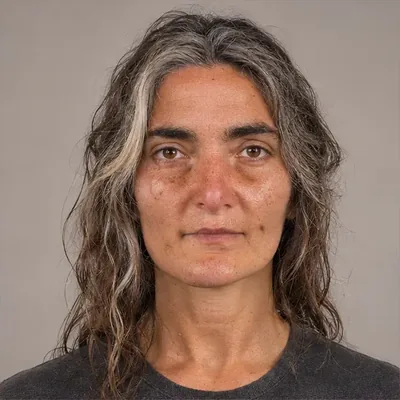
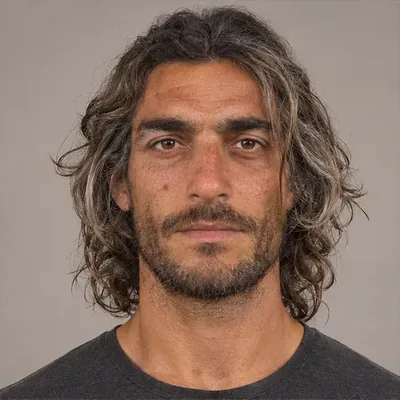
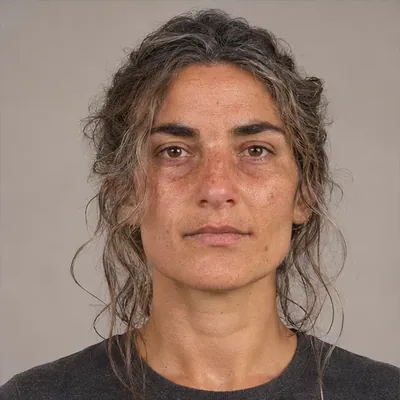
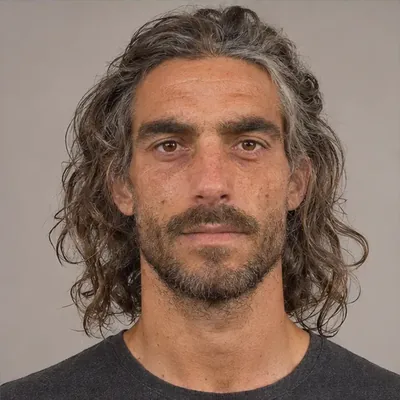
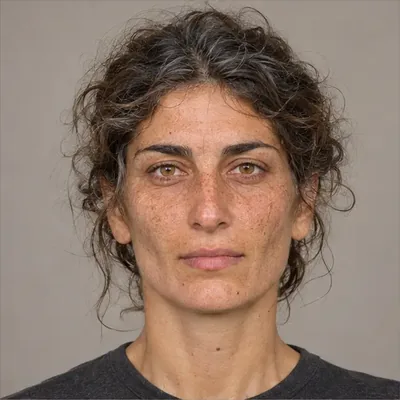
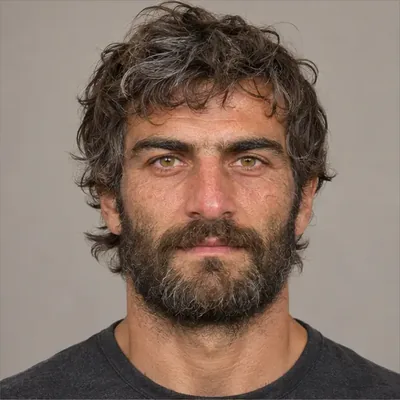
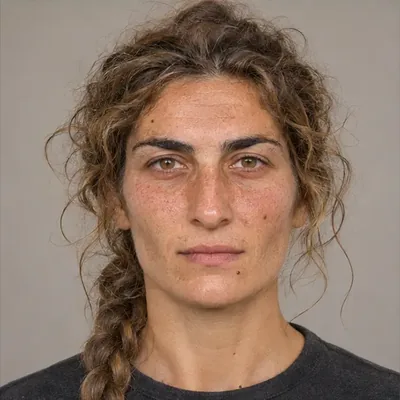
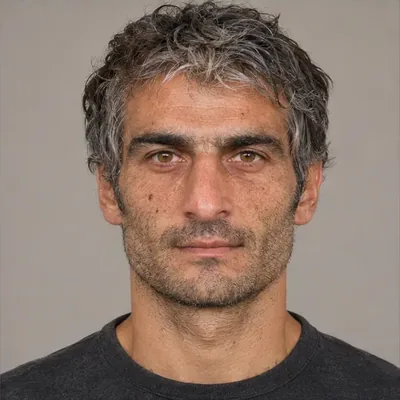
Portraits drawn from the catalog reconstructions: Dolmen culture, Abkhazia BA.