
 English
 Español
 Português
 Deutsch
 Français
 Italiano
 Polski
 Українська
 Русский
 Türkçe
 العربية
 日本語
 한국어
 ไทย
 汉语
 Tiếng Việt
 Bahasa
Every group and its portraits: T
The 165 groups of the test, each with its eight fictional portraits: four women and four men. Everyone shows the first two of each; Women and Men show all four of one. This page: the 14 groups under T.
Tagar culture
An Iron Age archaeological tradition of the Minusinsk Basin in southern Siberia, within the broader Scythian-Siberian world. It is known for burial mounds and distinctive metalwork.








Portraits drawn from the catalog reconstructions: Tagar.
Tarim Basin, Early–Middle Bronze Age
Early and Middle Bronze Age communities of the Tarim Basin in Xinjiang, including Gumugou and the wider Xiaohe horizon. This regional ancient-DNA grouping does not establish which language an individual spoke.
The Gumugou Bronze Age reconstruction’s assignment to this group is tentative; it is not genetically confirmed by the supplied source.
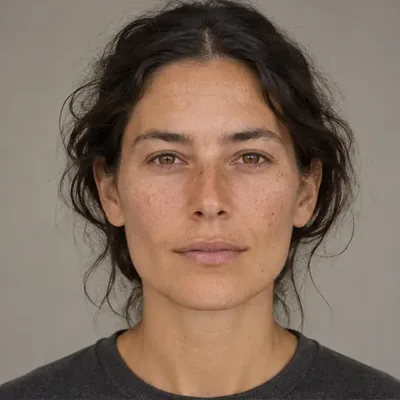

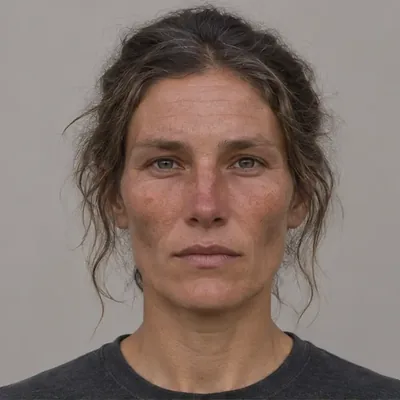



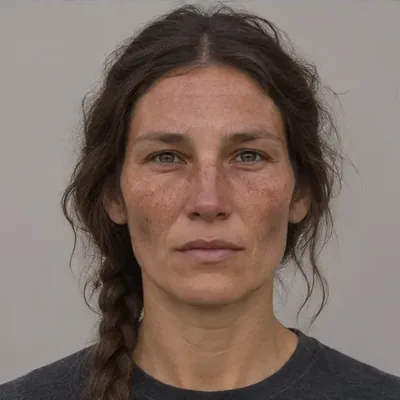

Portraits drawn from the catalog reconstructions: Gumugou, Gumugou, Gumugou BA.
Tashtyk culture
An archaeological tradition of the Minusinsk Basin in southern Siberia during the first millennium CE, known for distinctive funerary masks and complex burial practices.


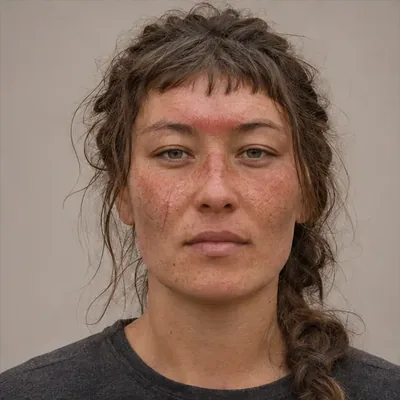





Portraits drawn from the catalog reconstructions: Tashtyk culture.
Tasmola culture, Saka world
An Iron Age archaeological tradition of Kazakhstan within the wider Saka and Scythian steppe world, known for burial mounds and distinctive stone arrangements.
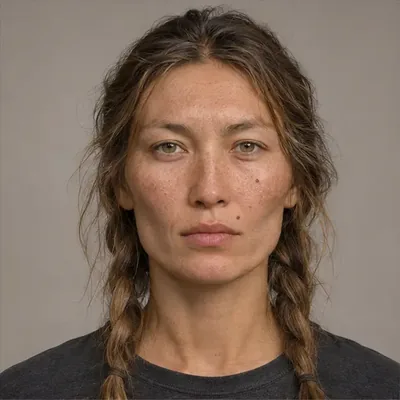
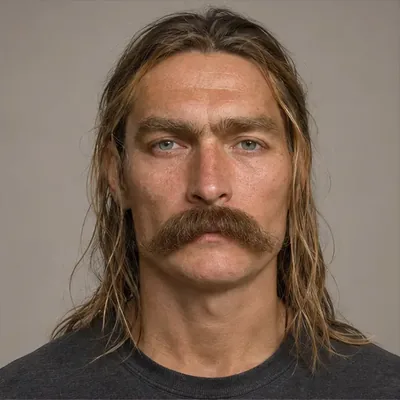
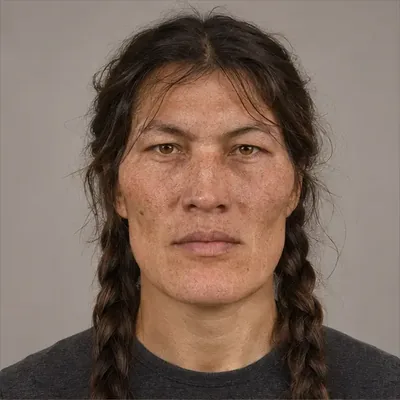
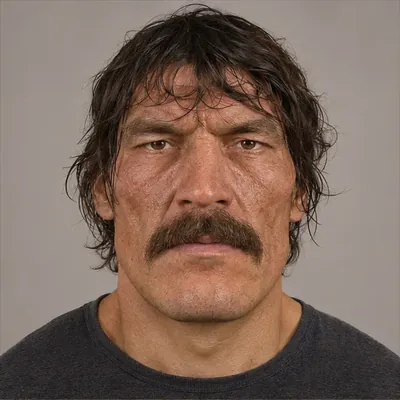

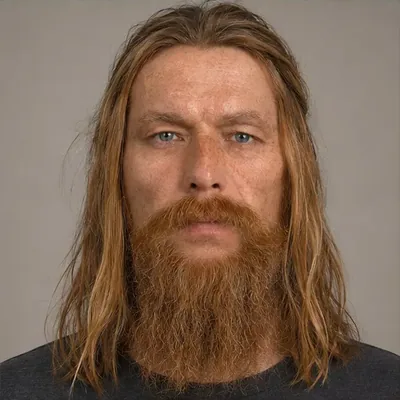
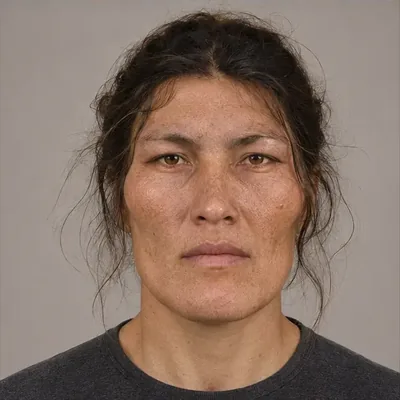
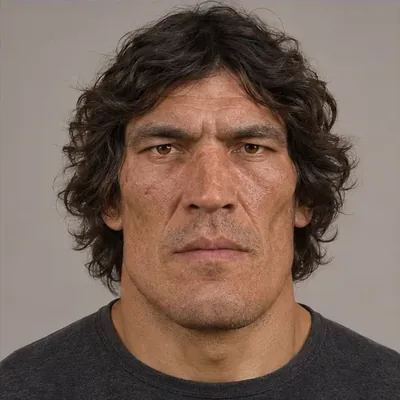
Portraits drawn from the catalog reconstructions: Saka Sokolovka, Karasai Saka, Aleke-Sazy Golden Man, Acromegalic Tasmola Scythian.
Tenerian, Iberomaurusian and sub-Saharan African affinities (tentative)
A proposed comparison for a Tenerian-period Saharan reconstruction, linking it with earlier North African Iberomaurusian and broad sub-Saharan African backgrounds.
The question mark makes the composite interpretation tentative. Sub-Saharan African is a broad geographical descriptor, not one ancestry population or a measured percentage here.
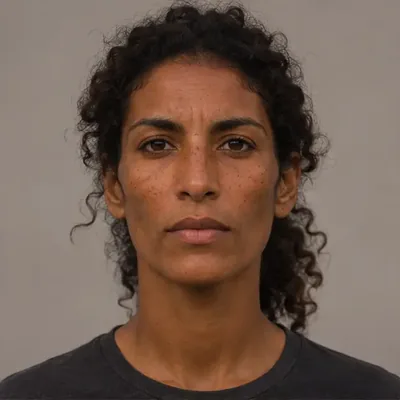
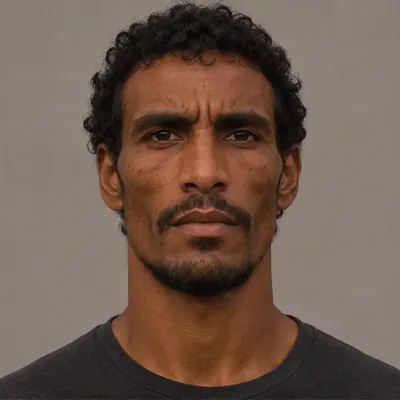
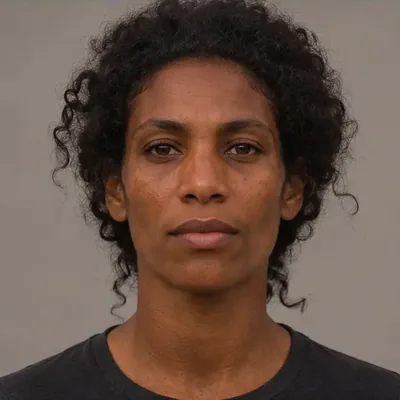
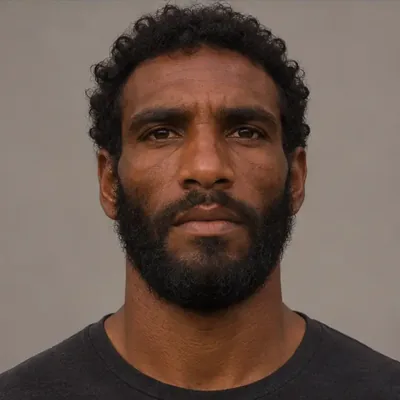
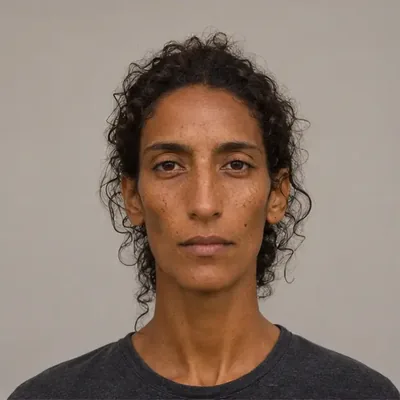
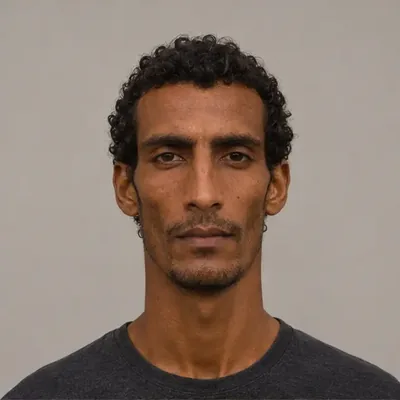
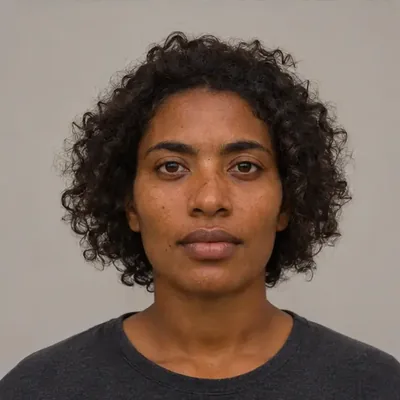
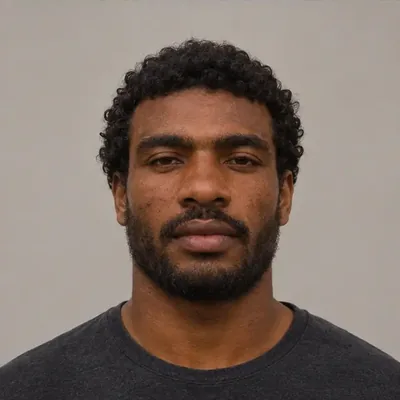
Portraits drawn from the catalog reconstructions: Tenerian G1B11.
Tepecik, Neolithic
A Neolithic reference from Tepecik in Anatolia, associated with early farming communities of the region. This is a site-and-period designation.
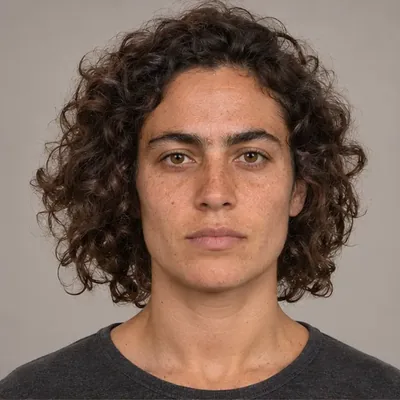

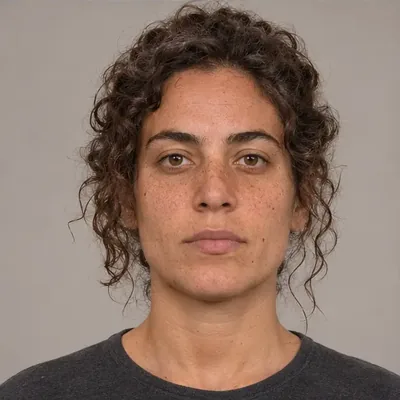



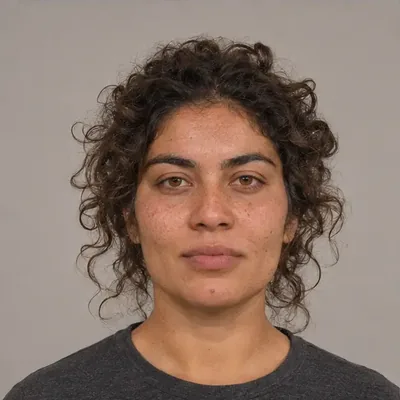
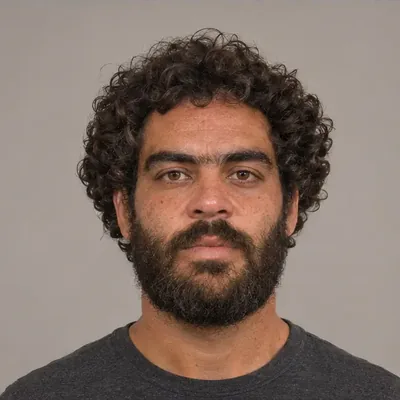
Portraits drawn from the catalog reconstructions: Tepecik Neolithic.
Thracian communities
Ancient communities of the southeastern Balkans associated with Thracian languages and material traditions. The historical name covers multiple groups rather than one genetically uniform population.
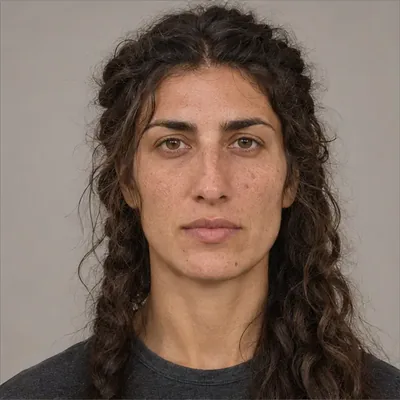

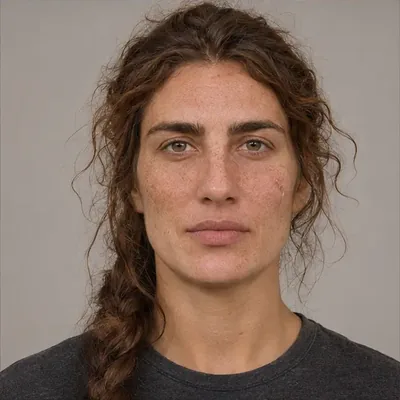
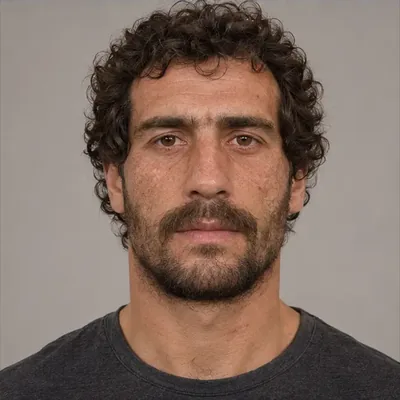


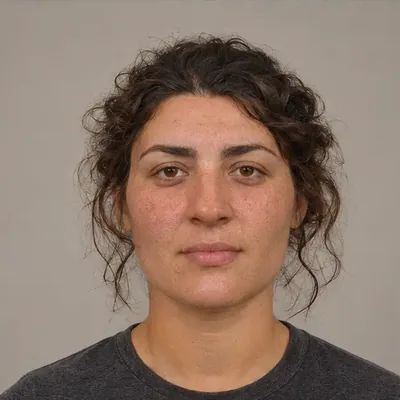

Portraits drawn from the catalog reconstructions: Thracian.
Tianyuan-related affinity (tentative)
Tianyuan is an early East Asian ancient-DNA reference from northern China. This catalog portrait instead depicts Zhoukoudian Upper Cave 101, a different individual and archaeological context.
The question mark marks a proposed affinity; the reference must not be mistaken for the genetically studied Tianyuan individual.
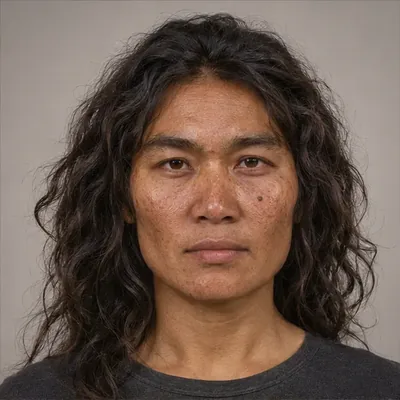
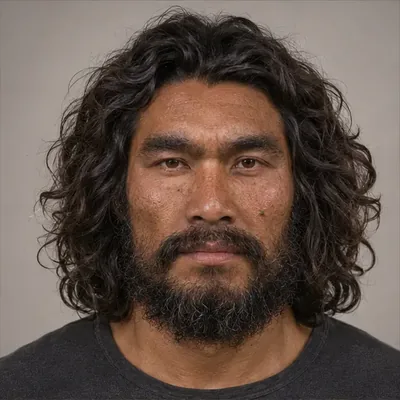
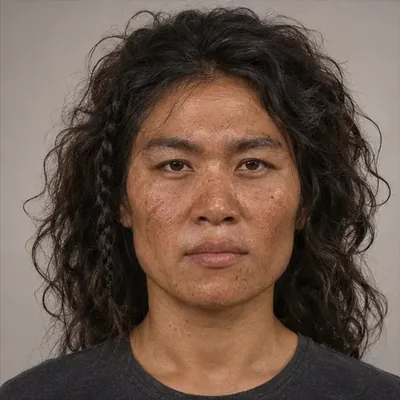
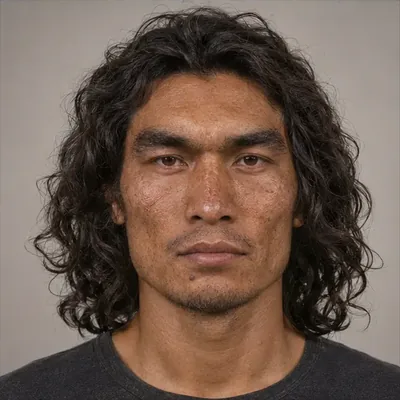
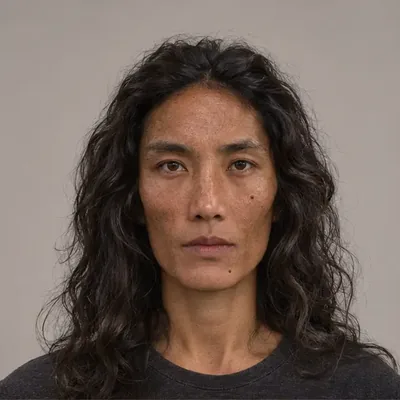
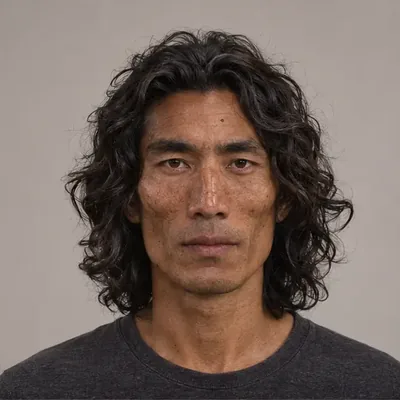
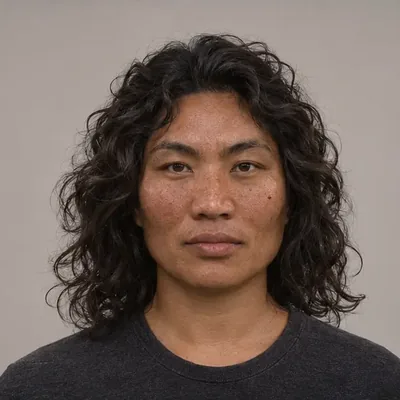

Portraits drawn from the catalog reconstructions: Zhoukoudian Upper Cave 101.
Tocharian association and East Asian affinity (tentative)
A proposed linguistic-historical and regional comparison for a Loulan reconstruction in the Tarim Basin. Tocharian refers to a language branch, while East Asian is a broad regional label.
The question mark makes the combined interpretation tentative; the portrait does not establish language or an East Asian ancestry proportion.
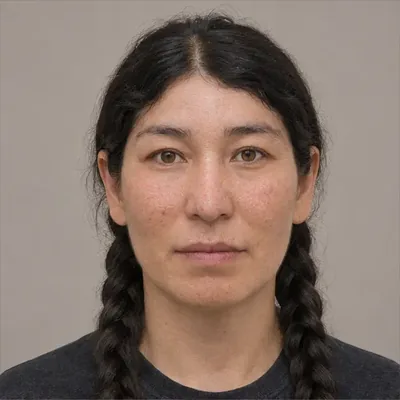





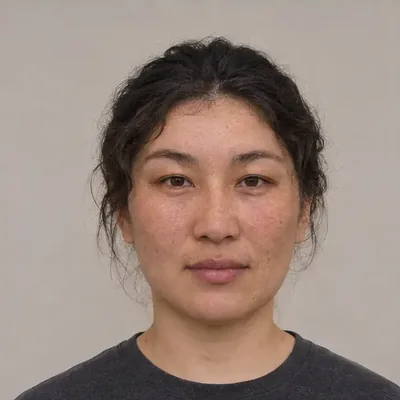

Portraits drawn from the catalog reconstructions: Loulan Tocharian.
Tocharian association, Loulan references
Tocharian names an Indo-European language branch documented in the Tarim Basin. The catalog applies this association to Loulan reconstructions; skeletal appearance alone cannot establish their language.
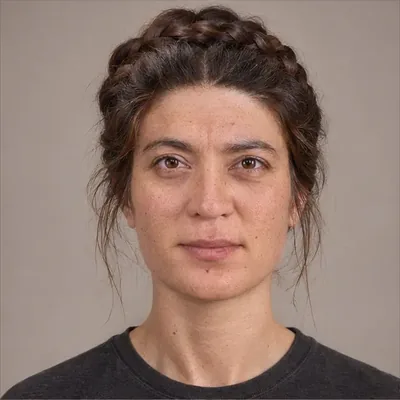

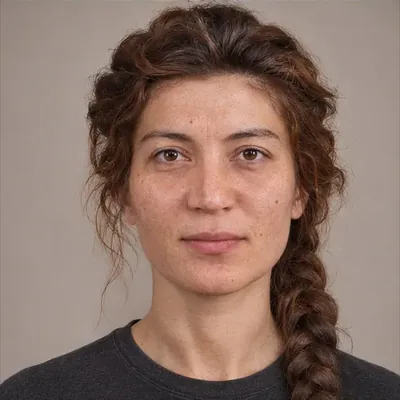
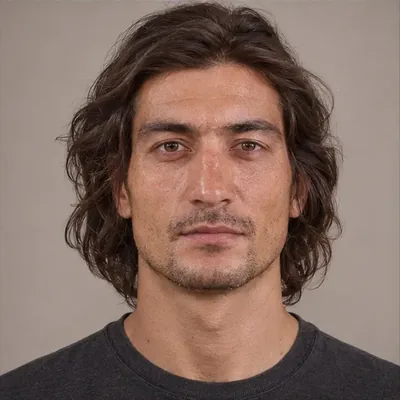


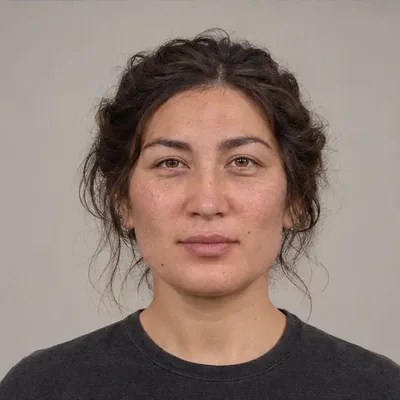

Portraits drawn from the catalog reconstructions: Loulan Tocharian, Loulan Tocharian, Female.
Tumulus culture
A Middle Bronze Age archaeological tradition of central Europe, named for burial mounds. The category refers to this regional culture, rather than every society that built mounds.








Portraits drawn from the catalog reconstructions: Tumulus culture, Tumulus culture.
Turkic-speaking historical communities
A broad linguistic-historical grouping of communities across Eurasia, represented here by a Zhetysu reconstruction from southeastern Kazakhstan. Turkic-speaking populations have diverse regional ancestries.


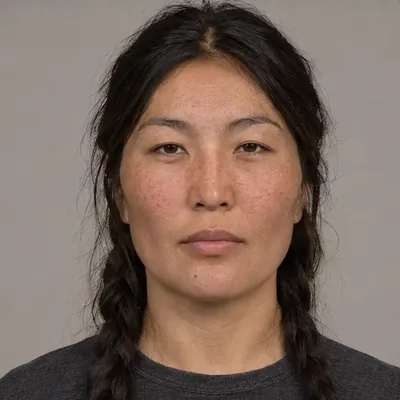





Portraits drawn from the catalog reconstructions: Zhetysu Turkic.
Turkic, Tagar or Tashtyk affinities (tentative)
A proposed comparison for a Yenisei Kyrgyz reconstruction in southern Siberia, linking a Turkic historical association with earlier Tagar and Tashtyk regional traditions.
The question mark flags the proposed historical connections as tentative, rather than demonstrating a three-part genetic mixture.
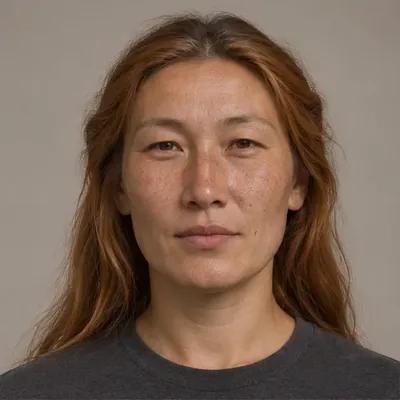







Portraits drawn from the catalog reconstructions: Yenisei Kyrgyz.
Tutkaul or Sarazm affinity (tentative)
Alternative Central Asian site comparisons for a Kelteminar reconstruction. Tutkaul is associated with prehistoric foragers; Sarazm with a later farming and exchange settlement in present-day Tajikistan.
Both question marks indicate unresolved proposed comparisons; the supplied record does not establish either site's population as this person's origin.
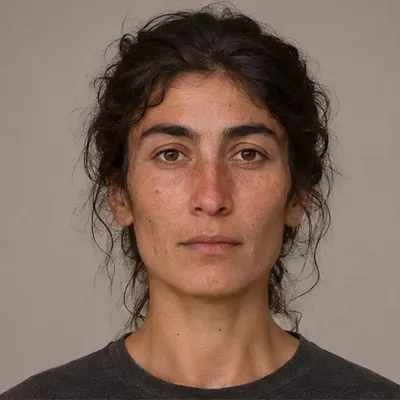

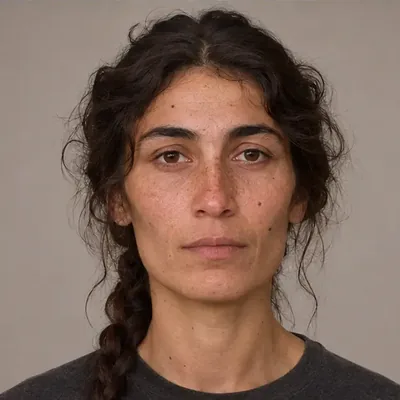


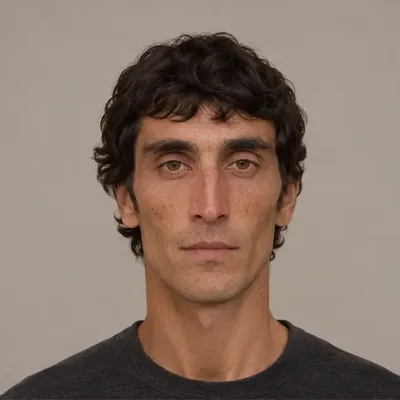
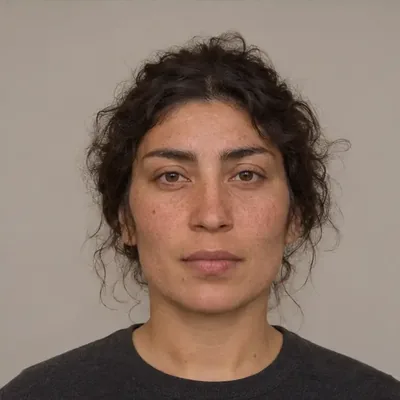
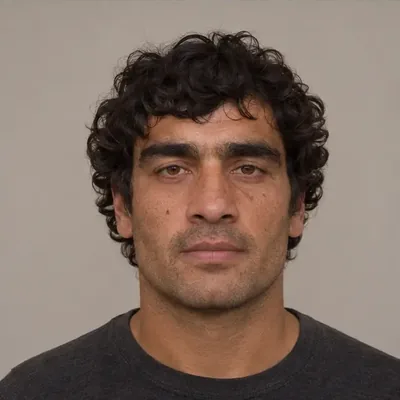
Portraits drawn from the catalog reconstructions: Kelteminar Culture.