
 English
 Español
 Português
 Deutsch
 Français
 Italiano
 Polski
 Українська
 Русский
 Türkçe
 العربية
 日本語
 한국어
 ไทย
 汉语
 Tiếng Việt
 Bahasa
Every group and its portraits: G
The 165 groups of the test, each with its eight fictional portraits: four women and four men. Everyone shows the first two of each; Women and Men show all four of one. This page: the 6 groups under G.
Gandhara Grave culture
A late prehistoric burial tradition in the Swat and nearby valleys of northern Pakistan, also called the Swat protohistoric grave tradition. The references come from Timargarha.
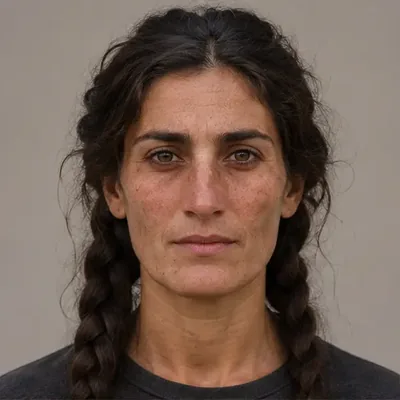
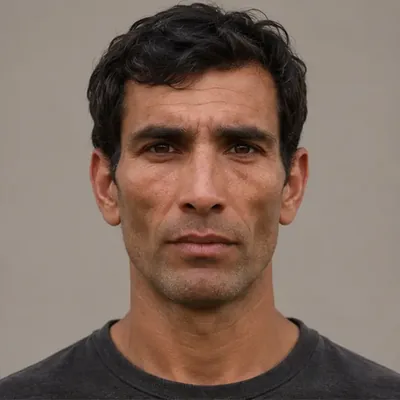
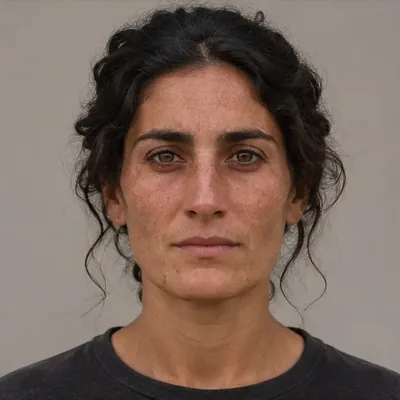
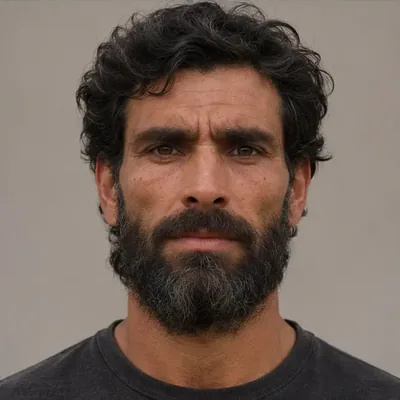
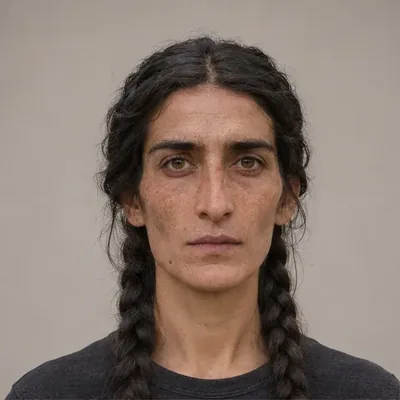

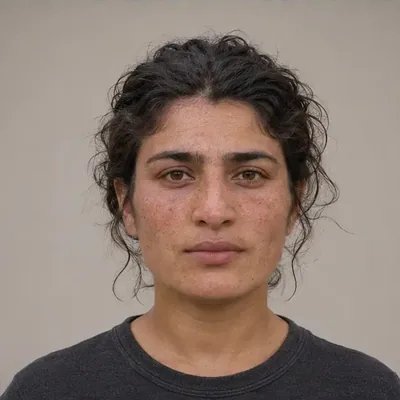
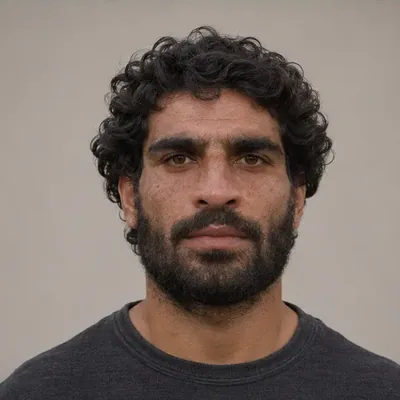
Portraits drawn from the catalog reconstructions: Timargarha 101a, Timargarha 101c, Timargarha.
Germanic-speaking historical communities
A broad historical grouping of communities associated with Germanic languages. References range from Iron Age northern Europe to Vikings and medieval individuals; they do not form one ancient population.








Portraits drawn from the catalog reconstructions: Hilmes Early Medieval, Gotland Viking, Denmark Iron Age, Osterby Man.
Ginchi culture
A prehistoric archaeological tradition of the northeastern Caucasus, represented here by reconstructions from Gatyn-Kale. This is a local cultural designation rather than a modern ethnic identity.








Portraits drawn from the catalog reconstructions: Gatyn Kale Warrior, Gatyn Kale Woman.
Ginchi, Bronze Age, with Kura-Araxes and Catacomb comparisons
A northeastern Caucasus Bronze Age category compared in the catalog with Kura-Araxes communities of the Caucasus and Catacomb communities of the steppe. The compound does not specify measured ancestry percentages.

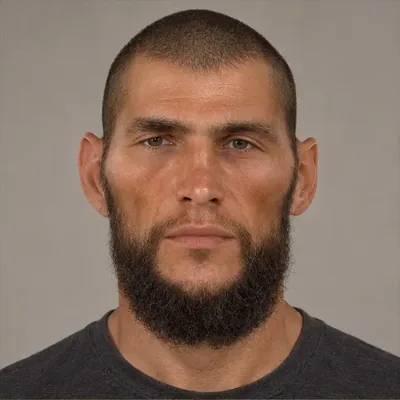






Portraits drawn from the catalog reconstructions: Ginchi LBA.
Gravettian tradition
A European Upper Palaeolithic archaeological tradition known for characteristic stone tools, burials and figurative art. Its communities occupied widely separated regions and included distinct genetic lineages.



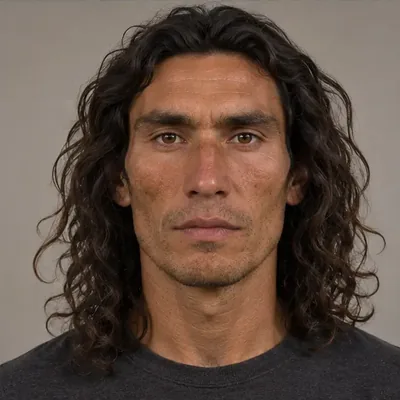




Portraits drawn from the catalog reconstructions: Barma Grande 2, Predmosti 3, Grotte des Enfants Gravettian, Vestonice 14.
Greece, Neolithic
Early farming communities of Greece and the Aegean. This regional period category predates the Bronze Age Mycenaean civilization and covers multiple local communities.








Portraits drawn from the catalog reconstructions: Neolithic Greece.