
 English
 Español
 Português
 Deutsch
 Français
 Italiano
 Polski
 Українська
 Русский
 Türkçe
 العربية
 日本語
 한국어
 ไทย
 汉语
 Tiếng Việt
 Bahasa
Every group and its portraits: B
The 165 groups of the test, each with its eight fictional portraits: four women and four men. Everyone shows the first two of each; Women and Men show all four of one. This page: the 5 groups under B.
Bactria–Margiana Archaeological Complex (BMAC)
The Bactria–Margiana Archaeological Complex, also called the Oxus civilization, was a Bronze Age farming and settlement tradition of southern Central Asia. Its sites include Gonur and Sapalli Tepe.
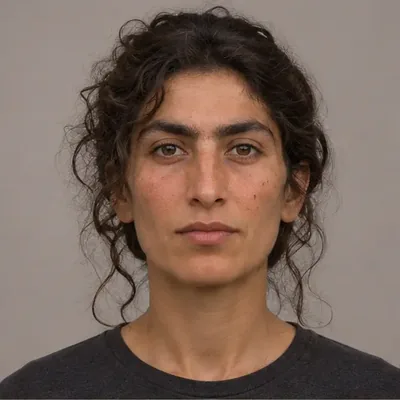
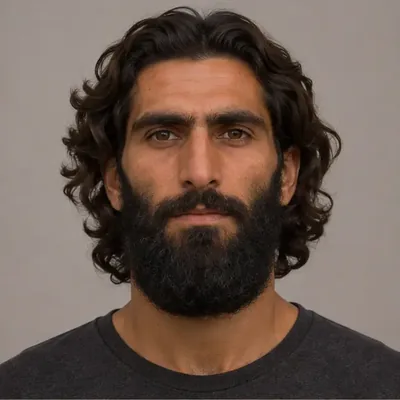
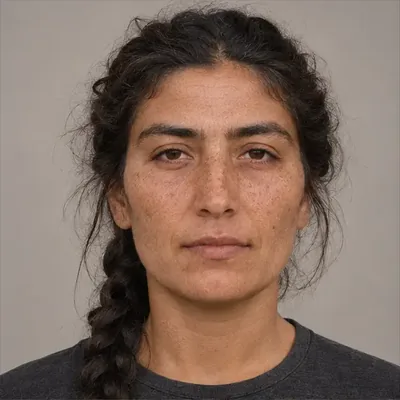
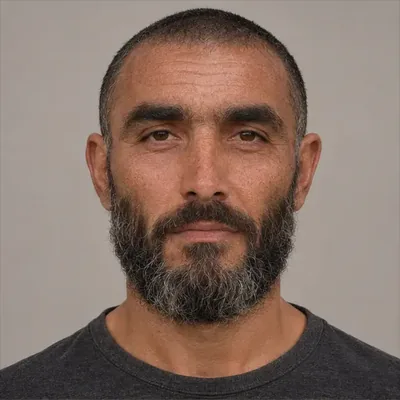
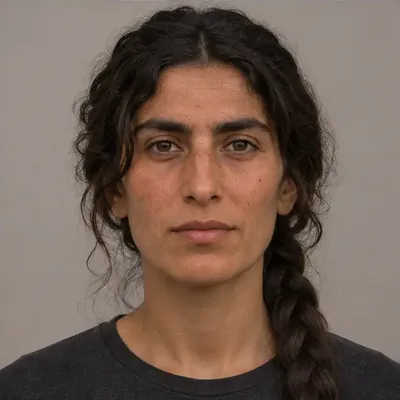
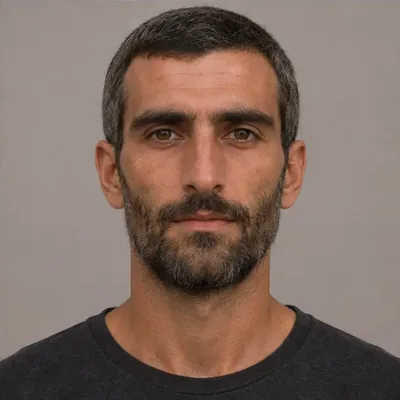
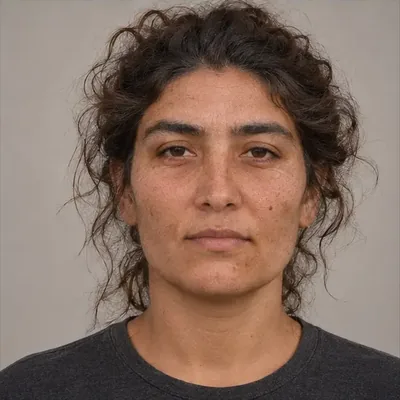
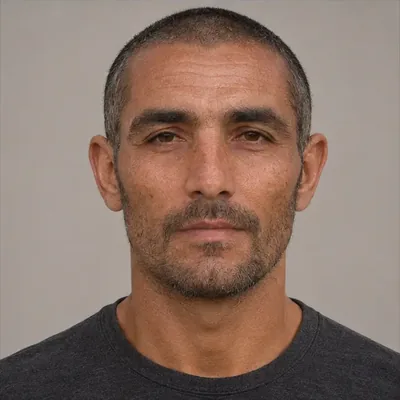
Portraits drawn from the catalog reconstructions: Khapuz Tepe, Geoksiur, Gonur Depe Priest, Sapalli Tepe, Sapalli Tepe.
Bactria–Margiana, Aigyrzhal and Middle–Late Bronze Age steppe affinities (tentative)
A proposed composite background for a Pamir Saka reconstruction, using comparisons with southern Central Asian farmers, Bronze Age Aigyrzhal and steppe pastoralists.
The question mark and “like” indicate tentative affinities, not a confirmed three-way ancestry estimate for this person.
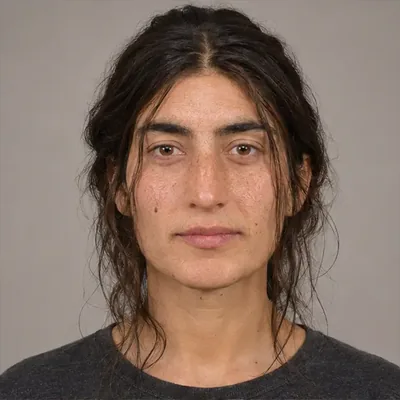
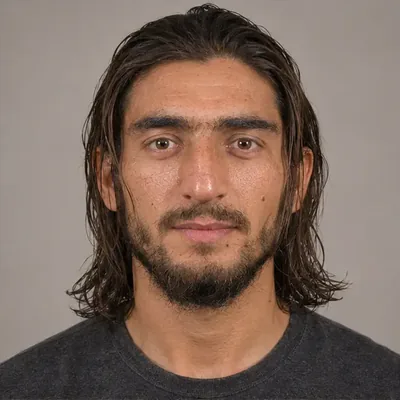
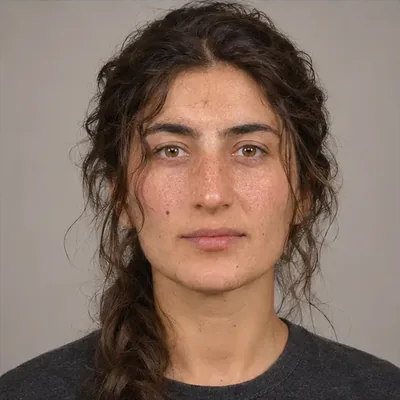
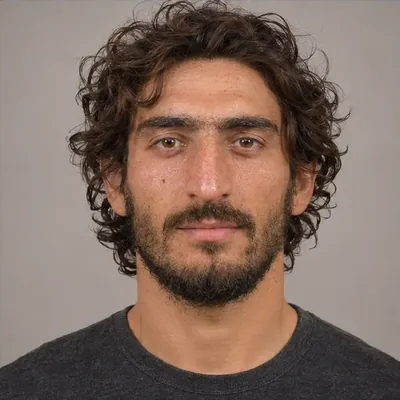
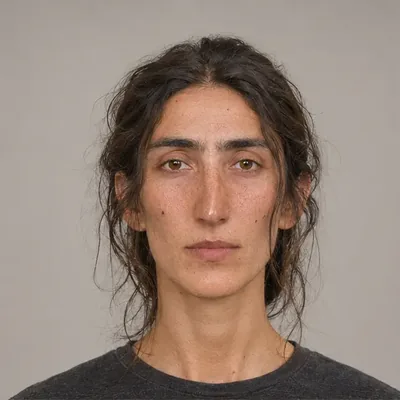
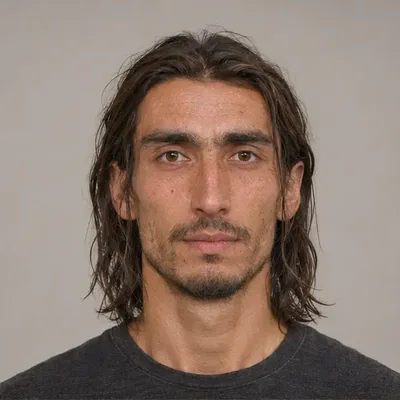
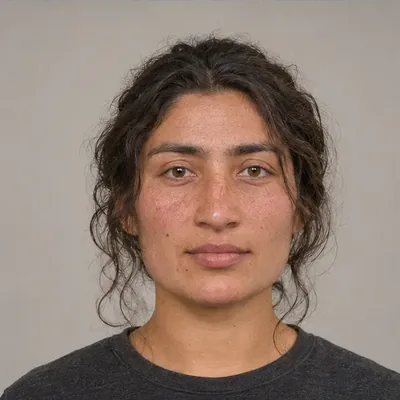
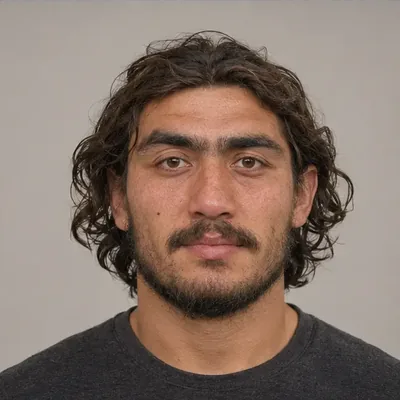
Portraits drawn from the catalog reconstructions: Pamiri "Saka".
Basque people
A historical and present-day people of the western Pyrenees in Spain and France, associated with the Basque language. This broad label spans diverse individuals and periods.
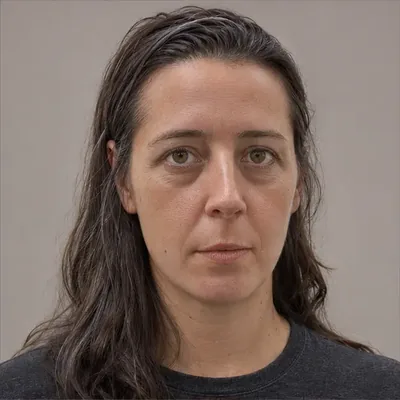
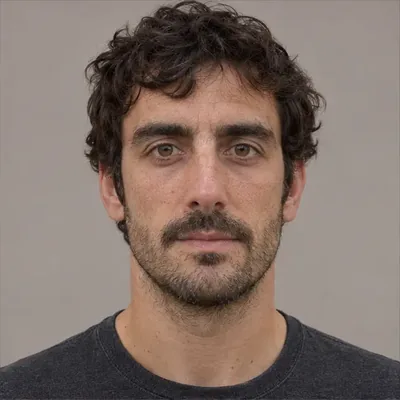
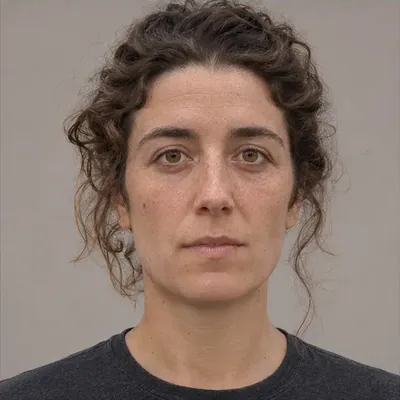
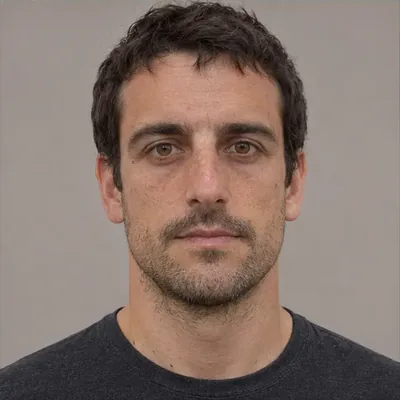
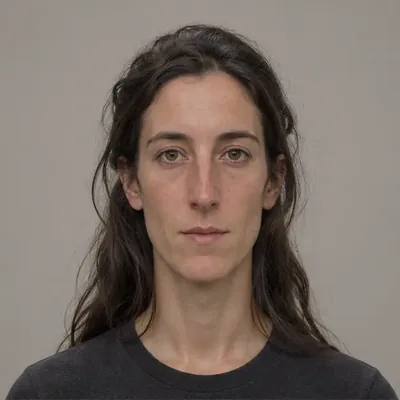
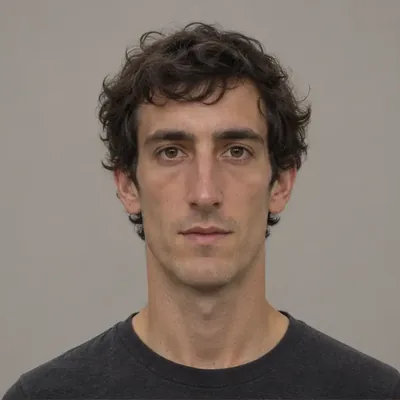
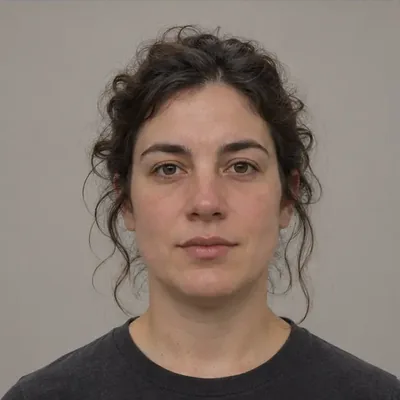
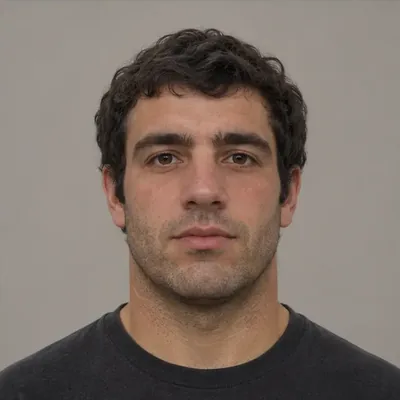
Portraits drawn from the catalog reconstructions: Basque Woman.
Bell Beaker phenomenon
A Late Neolithic and Early Bronze Age archaeological phenomenon across much of Europe, named after bell-shaped pottery. Its regional communities varied in ancestry and burial customs.
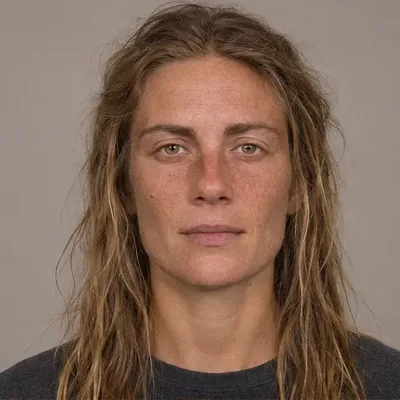
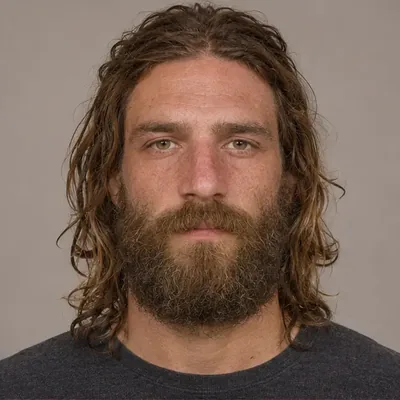
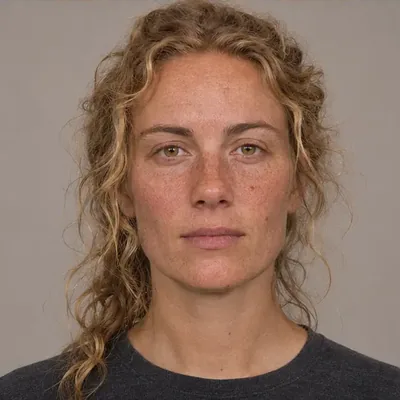
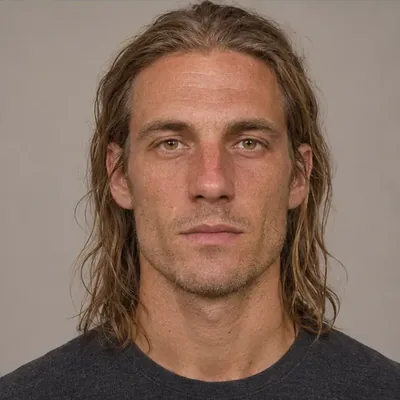
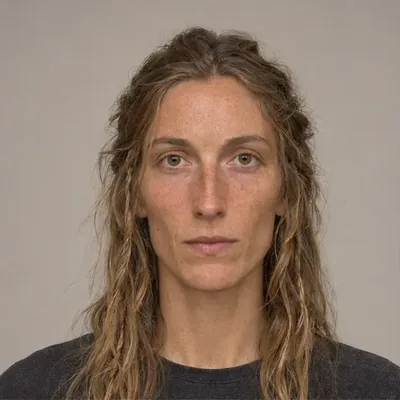
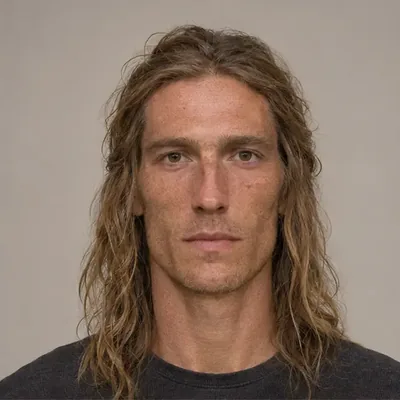
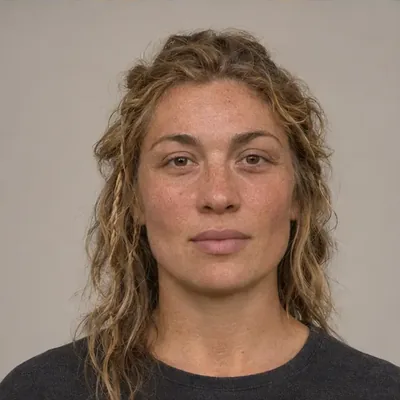
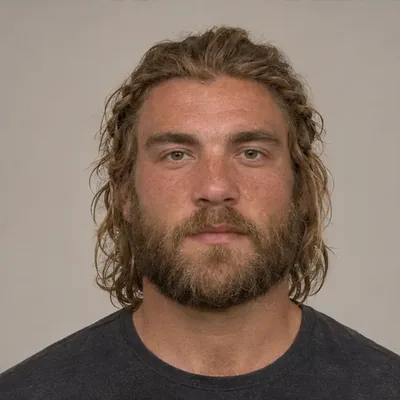
Portraits drawn from the catalog reconstructions: Rathlin, Barnack Man.
Botai culture
A Copper Age culture of northern Kazakhstan associated with settlements, extensive horse use and a distinctive ancient genetic profile. Botai is separate from the later Yamnaya steppe horizon.
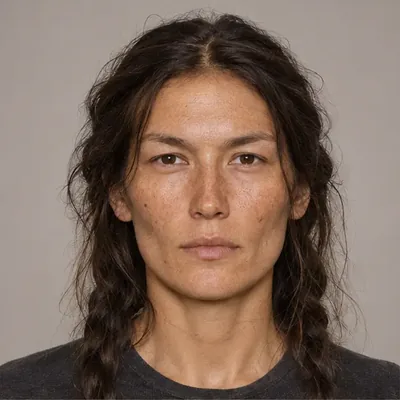
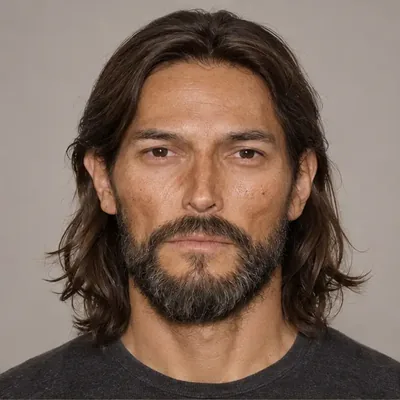
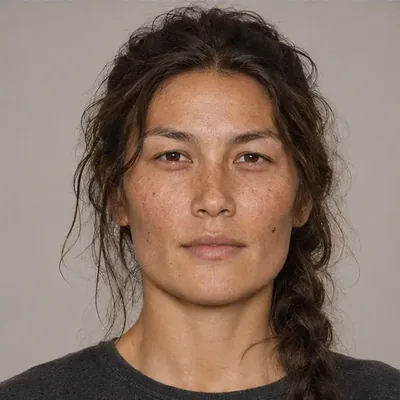
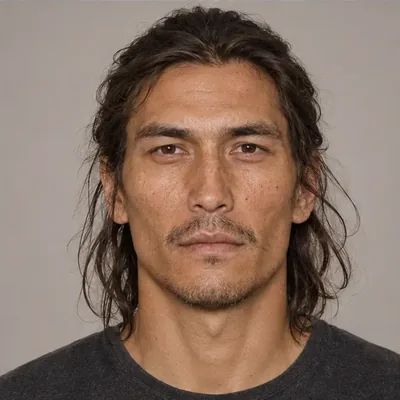
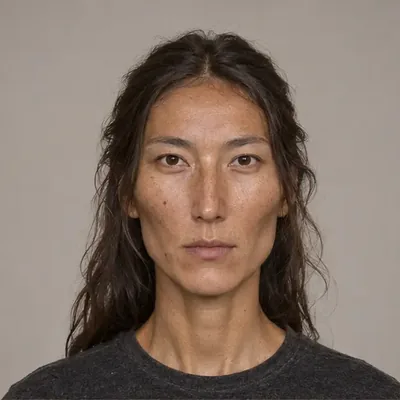
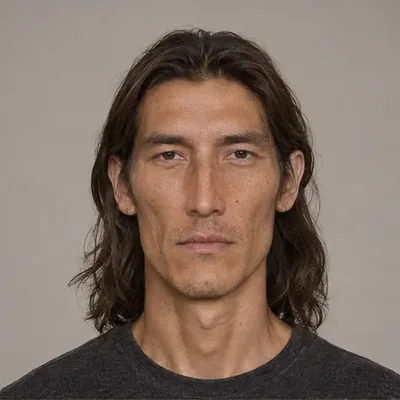
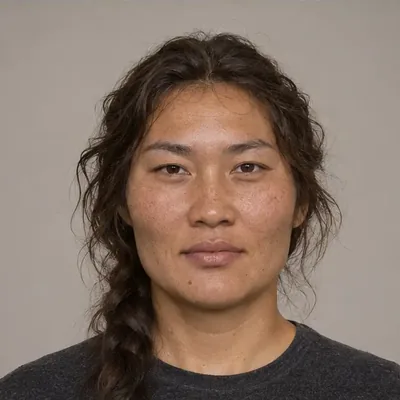
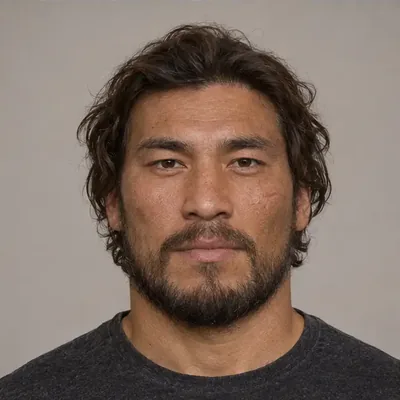
Portraits drawn from the catalog reconstructions: Botai culture.